If you drive a Jeep Wrangler, you might have heard about the scary “death wobble.” This is a sudden and strong shaking of the steering wheel, usually when you hit a bump or drive at certain speeds.
It feels dangerous, and it can make even experienced drivers nervous. Many owners wonder if fixing death wobble is possible or if their Jeep is safe to drive.
The truth is, you can fix death wobble in a Jeep Wrangler, but you need to find the real cause and solve it step by step. This guide explains what death wobble is, why it happens, and how you can fix it for good.
What Is Death Wobble In A Jeep Wrangler?
Death wobble is not just a small vibration. It’s a violent shaking of the steering wheel and often the whole front end of your Jeep. It usually happens after you hit a bump at speeds over 45 mph. The steering wheel can move side to side so fast that you have to stop the vehicle to make it go away.
Many drivers confuse death wobble with a simple wheel vibration or tire balance problem. But death wobble is much more severe. It is common in solid front axle vehicles like Jeep Wranglers (especially the TJ, JK, and JL models). If you feel a light vibration, that’s not death wobble. If your hands are shaking and you have trouble controlling your Jeep, that’s death wobble.
Common Causes Of Jeep Wrangler Death Wobble
Death wobble can come from several problems working together. Here are the most common reasons:
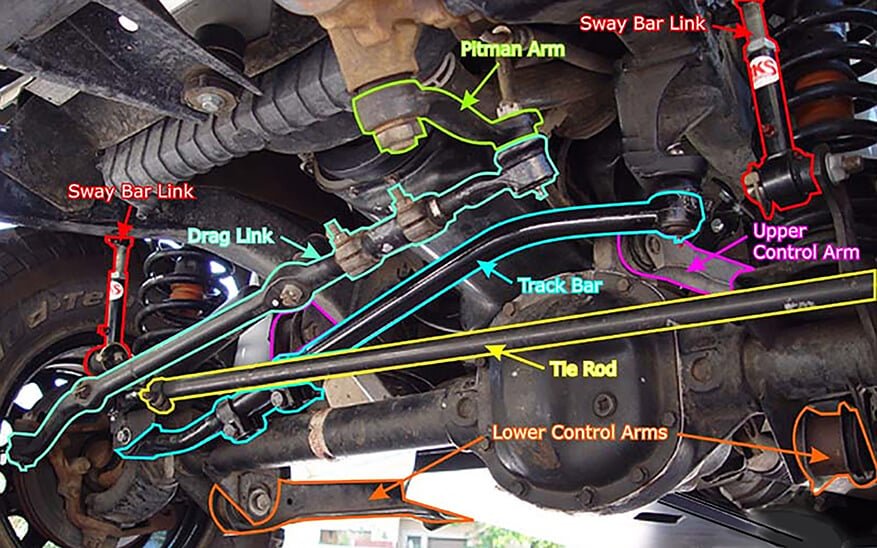
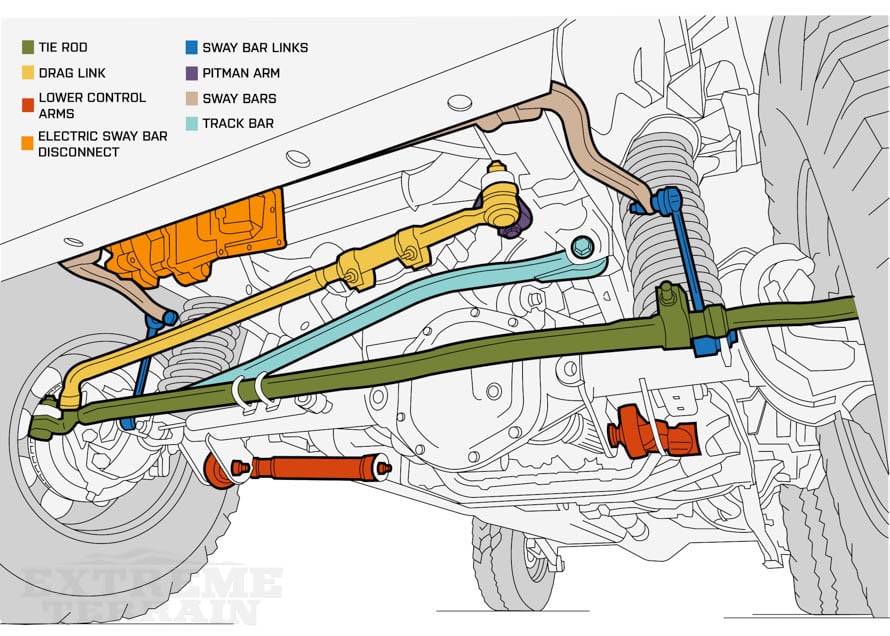
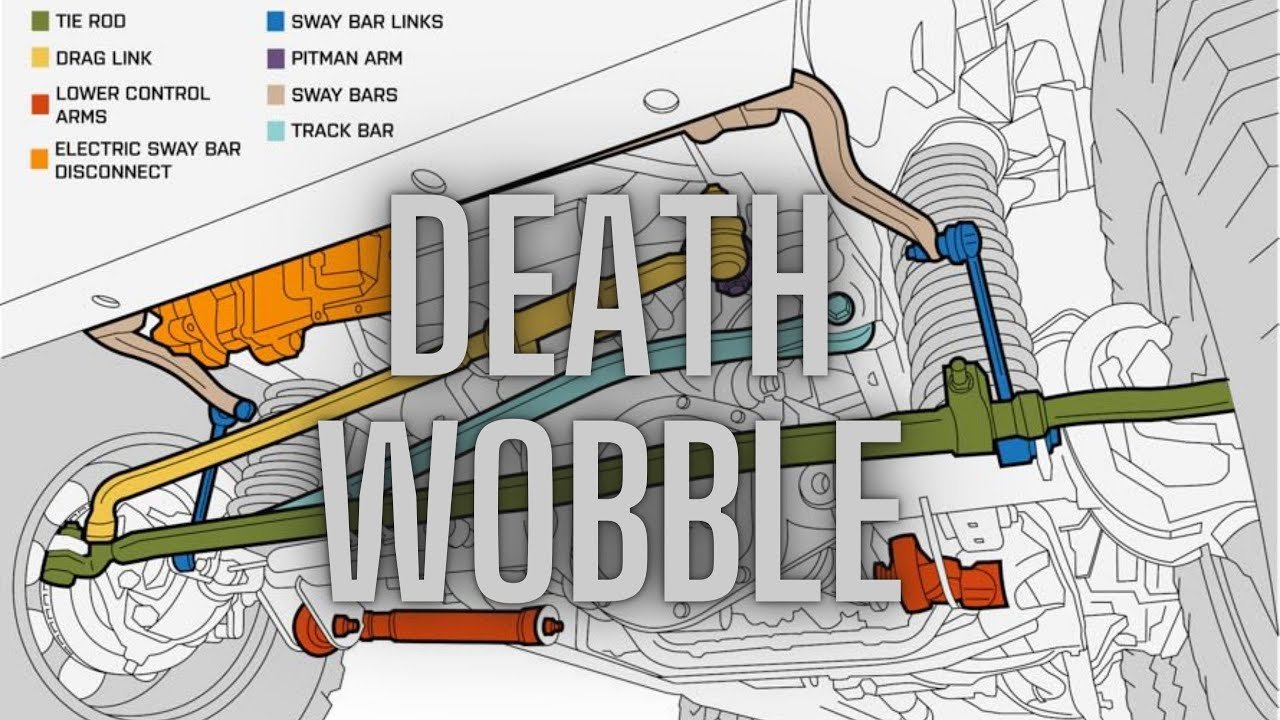
- Worn track bar bushings or bolts
- Loose or damaged tie rod ends
- Bad ball joints
- Steering stabilizer failure
- Unbalanced or damaged tires and wheels
- Improper alignment
- Loose control arms
- Lift kits with poor geometry
One non-obvious insight: death wobble rarely has a single cause. Even if one part looks bad, check all steering and suspension parts. Another thing beginners miss: death wobble doesn’t always come from the steering stabilizer. The stabilizer only hides the problem, it doesn’t fix the true cause.
How To Diagnose Death Wobble
Finding the cause of death wobble takes patience. Here is a simple way to check your Jeep:
Step 1: Visual Inspection
Park your Jeep on a level surface. Look at the front suspension and steering parts.
- Check for cracked bushings or leaking grease.
- Look for bent parts like the track bar or tie rods.
- Make sure all bolts are tight.
Step 2: Hands-on Check
With the Jeep parked and the engine off:
- Grab the track bar near the frame and axle. Try to move it up and down or side to side. There should be no movement.
- Have a helper turn the steering wheel left and right. Watch for parts that move more than others or make a clunking noise.
Step 3: Tire And Wheel Check
- Look for uneven tire wear.
- Spin the tires and check for side-to-side movement.
- Make sure the wheels are not bent.
Step 4: Ball Joints And Tie Rod Ends
- Jack up the front end.
- Grab the tire at 12 and 6 o’clock. Wiggle it. If it moves, the ball joints may be worn.
- Grab at 3 and 9 o’clock. Movement here could be tie rod ends or wheel bearings.
How To Fix Death Wobble: Step-by-step Solutions
Fixing death wobble means repairing or replacing worn parts. Here’s the most effective order:
1. Track Bar: The Most Critical Part
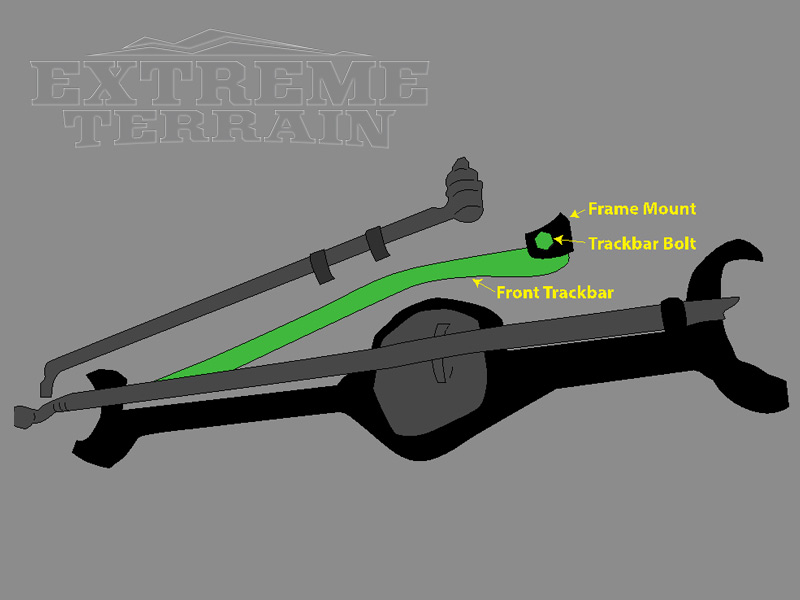
The track bar keeps your axle centered under your Jeep. If its bushings or bolts are loose, death wobble can start.
- Remove the track bar and check the bushings. If they are cracked or soft, replace them.
- Check the bolts: Replace with heavy-duty bolts and torque to factory specs.
- Aftermarket track bars are sometimes stronger than stock.
2. Tie Rod Ends And Drag Link
These parts connect your steering to the wheels. Worn tie rod ends allow too much movement.
- Replace any tie rod end with play or a torn boot.
- Make sure the drag link is straight and tight.
3. Ball Joints
Ball joints let your wheels turn and move up and down. Worn ball joints can cause death wobble.
- If you find movement in the ball joints, replace them (both upper and lower).
- Use quality parts, as cheap ball joints wear out quickly.
4. Control Arm Bushings
Control arms keep your axle in place. If the bushings are worn, your axle can shift.
- Inspect the bushings for cracks or looseness.
- Replace bad bushings or the entire control arm if needed.
5. Steering Stabilizer
The steering stabilizer is a shock absorber for your steering. It does not cause death wobble, but it can help smooth out vibrations.
- If your stabilizer is leaking or weak, replace it.
- Only upgrade after fixing worn parts.
6. Wheels And Tires
Unbalanced or damaged wheels and tires can trigger death wobble.
- Balance all tires and rotate them.
- Replace tires with uneven wear.
- Check for bent wheels.
7. Alignment
Improper alignment can make death wobble more likely.
- After replacing parts, get a professional alignment.
- Set caster to factory settings (too little caster angle can cause wobble).
Here’s a quick comparison of repair costs for each part:
| Part/Service | Average Cost (USD) | DIY Level |
|---|---|---|
| Track Bar Replacement | $100, $250 | Medium |
| Tie Rod Ends | $50, $150 each | Medium |
| Ball Joints | $200, $400 (parts + labor) | Hard |
| Steering Stabilizer | $50, $120 | Easy |
| Alignment | $80, $150 | Professional |
How To Prevent Jeep Wrangler Death Wobble
Prevention is easier than repair. Here are practical tips to keep death wobble away:
- Check suspension bolts every oil change.
- Rotate and balance tires every 5,000 to 7,000 miles.
- After off-roading, inspect for loose or bent parts.
- Use quality parts, especially after installing a lift kit.
- Keep your alignment in spec, especially after replacing suspension parts.
One overlooked tip: torque all bolts to the right specs after every off-road trip. Loose bolts are a hidden cause of wobble.
Pros And Cons Of Common Fixes
Many Jeep owners rush to replace the steering stabilizer, but this only treats the symptom. Here’s a comparison of common fixes:
| Fix | Pros | Cons |
|---|---|---|
| Steering Stabilizer Upgrade | Quick and easy, reduces vibration | Does not fix root cause |
| Track Bar Replacement | Often fixes main issue, long-lasting | Costly if using heavy-duty parts |
| Tie Rod/Drag Link Replacement | Improves steering feel, reliable | Labor intensive, alignment needed |
| Ball Joint Replacement | Restores safety, long life | Labor cost is high |
Real-world Example: Diagnosing Death Wobble
Let's say you own a 2015 Jeep Wrangler JK. After hitting a pothole on the highway, the steering shakes violently.
You stop, check the tires, and keep driving. The problem happens again a few days later.
Following the steps above, you find:
- The track bar bushing at the frame is worn and moves when the steering wheel turns.
- The tie rod end boot is torn.
- The steering stabilizer is leaking fluid.
You replace the track bar and tie rod end, then install a new steering stabilizer. After a wheel alignment, the death wobble is gone.
This shows that fixing death wobble usually means replacing several parts, not just one.
The Role Of Lift Kits And Larger Tires
Many Jeep owners add lift kits and bigger tires for off-road use or looks. But these changes can increase the risk of death wobble if not installed correctly.
- Larger tires add weight and stress to steering parts.
- Lift kits can change suspension angles, making alignment tricky.
- Weak factory parts may not handle the extra force.
If you install a lift kit, upgrade to heavy-duty track bars, control arms, and steering components. Always get a professional alignment after lifting your Jeep.
When To See A Professional Mechanic
Some death wobble repairs are easy for DIYers with basic tools. But if you are not confident, or the wobble keeps coming back, visit a mechanic who knows Jeeps.
- Ball joint replacement and front-end alignment often need special tools.
- An expert can spot worn parts that are easy to miss.
A good mechanic will test drive your Jeep, check all steering parts, and explain the repairs. Be wary of shops that only replace the stabilizer or balance the tires without checking the suspension.
Jeep Wrangler Models Most Affected
Death wobble can happen in any solid front axle Jeep, but it’s most common in:
- TJ (1997 to 2006)
- JK (2007 to 2018)
- JL (2018+)
Older models may have more wear, and lifted Jeeps are at higher risk. However, even brand-new Jeeps can develop death wobble if a part is loose or defective.
Here’s a quick look at which models are most often reported with death wobble:
| Jeep Model | Years | Death Wobble Reports |
|---|---|---|
| TJ | 1997 to 2006 | High |
| JK | 2007 to 2018 | Very High |
| JL | 2018, Present | Medium |
Is Death Wobble Dangerous?
Yes, death wobble is serious. It can make your Jeep hard to control, especially at highway speeds.
In rare cases, it can cause loss of control and accidents. Do not ignore death wobble fix it as soon as possible.
Trusted Resources
For more technical information, the Wikipedia page on death wobble explains the physics and history behind this problem.
<!– wp:rank-math/faq-block {"questions":[{"id":"faq-question-9e504341a79f","title":"What Should I Do If Death Wobble Happens While Driving?","content":"
Hold the steering wheel firmly, slow down, and pull over safely. Check your tires and steering parts before driving again. Avoid high speeds until you fix the problem.
“,”visible”:true},{“id”:”faq-question-3c6c7c0f5f5f”,”title”:”Is Death Wobble Covered Under Jeep Warranty?”,”content”:”Sometimes. If your Jeep is under warranty and the cause is a factory part, repairs may be covered. If you have lifted your Jeep or changed suspension parts, it may not be covered.
“,”visible”:true},{“id”:”faq-question-cd27d524976d”,”title”:”Can New Jeeps Get Death Wobble?”,”content”:”Yes. Even new Jeep Wranglers can develop death wobble if a part is loose, defective, or out of alignment. Always check bolts and bushings, even on a new vehicle.
“,”visible”:true},{“id”:”faq-question-0de00a88994d”,”title”:”Do I Need A Steering Stabilizer To Fix Death Wobble?”,”content”:”No. A steering stabilizer can help reduce vibration, but it does not fix the root cause. Always repair worn or loose suspension and steering parts first.
“,”visible”:true},{“id”:”faq-question-9ca5256db5d2″,”title”:”How Much Does It Cost To Fix Death Wobble?”,”content”:”Costs vary. Simple fixes like tightening bolts are cheap. Replacing track bars or tie rods may cost $100 $400. Full repairs with alignment can reach $1,000 or more if several parts are worn.
“,”visible”:true}]} –>What Should I Do If Death Wobble Happens While Driving?
Hold the steering wheel firmly, slow down, and pull over safely. Check your tires and steering parts before driving again. Avoid high speeds until you fix the problem.
Is Death Wobble Covered Under Jeep Warranty?
Sometimes. If your Jeep is under warranty and the cause is a factory part, repairs may be covered. If you have lifted your Jeep or changed suspension parts, it may not be covered.
Can New Jeeps Get Death Wobble?
Yes. Even new Jeep Wranglers can develop death wobble if a part is loose, defective, or out of alignment. Always check bolts and bushings, even on a new vehicle.
Do I Need A Steering Stabilizer To Fix Death Wobble?
No. A steering stabilizer can help reduce vibration, but it does not fix the root cause. Always repair worn or loose suspension and steering parts first.
How Much Does It Cost To Fix Death Wobble?
Costs vary. Simple fixes like tightening bolts are cheap. Replacing track bars or tie rods may cost $100 $400. Full repairs with alignment can reach $1,000 or more if several parts are worn.
Final Thoughts
Fixing death wobble in a Jeep Wrangler takes time and careful inspection. Don’t guess, find the real cause. Start with the track bar, check all steering and suspension parts, and replace anything worn. Use quality parts, and don’t skip professional alignment. With the right repairs, your Jeep will feel safe and smooth on the road again.
Meta Title: How to Fix Death Wobble Jeep Wrangler: Step-by-Step Guide
Meta Description: Learn how to fix death wobble in your Jeep Wrangler. Step-by-step diagnosis, repair tips, costs, and prevention for safe driving. Expert advice for beginners.