If you drive a Jeep Cherokee and have felt violent shaking in the steering wheel at highway speeds, you might have experienced death wobble. This problem is more than just annoying—it can make your Cherokee unsafe and unpredictable.
Thankfully, with the right approach, you can fix death wobble and regain confidence in your Jeep. Let’s break down what causes death wobble, how to fix it, and ways to prevent it from coming back.
Understanding Death Wobble In Jeep Cherokee
Death wobble is not just a vibration or a minor shake. It’s a severe, repetitive oscillation that usually happens after hitting a bump at speeds over 45 mph. The steering wheel shakes violently, and the entire front end of your Jeep feels out of control. While it’s most common in lifted Jeeps with solid front axles, even stock Cherokees can suffer from it.
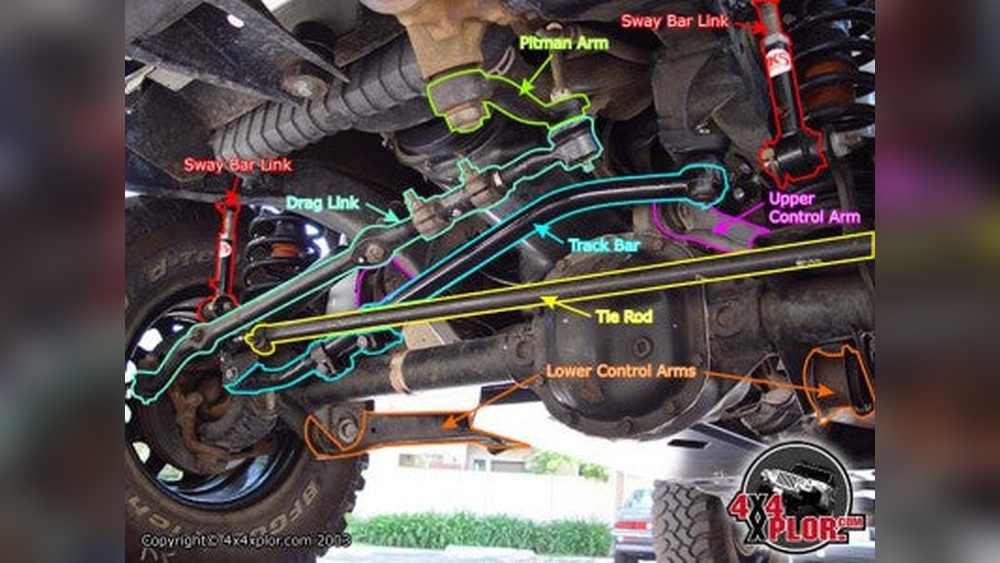
Key symptoms include:
- Sudden, strong steering wheel shakes
- Repeated oscillation after bumps or potholes
- Feeling like the Jeep might lose control
Death wobble is usually caused by worn or loose suspension and steering parts. Sometimes, it’s the result of incorrect wheel alignment or unbalanced tires.
Main Causes Of Death Wobble
Several parts can trigger death wobble in a Jeep Cherokee. Here’s a look at the most common:
| Cause | How It Leads to Wobble |
|---|---|
| Worn Track Bar Bushings | Allows side-to-side axle movement |
| Loose Tie Rod Ends | Increases steering play |
| Bad Ball Joints | Reduces wheel alignment stability |
| Unbalanced Tires | Creates vibration that triggers wobble |
| Improper Alignment | Worsens suspension geometry |
Non-obvious insight: Even a small amount of play in the track bar can trigger death wobble, especially when combined with other minor wear.
How To Diagnose Death Wobble
Finding the exact cause takes patience. Here’s a practical step-by-step process:
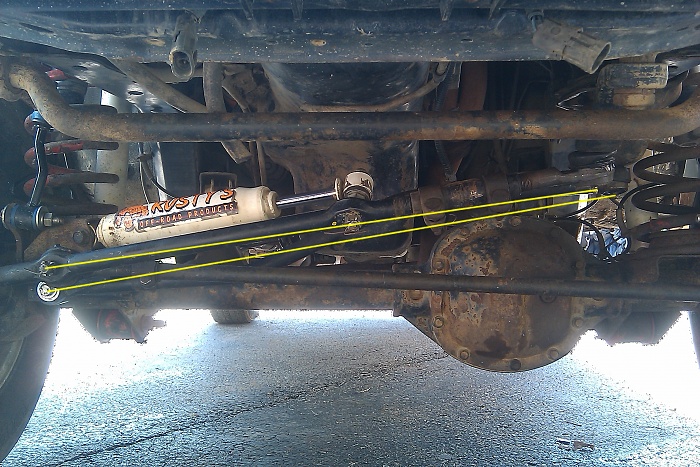
- Inspect the Track Bar: Check both ends (frame and axle) for play. Have someone turn the steering wheel back and forth while you watch for movement.
- Check Tie Rods and Drag Link: Wiggle them by hand. Any movement means they’re worn.
- Ball Joints: Lift the front wheels and move the tire up and down. Excess play points to bad ball joints.
- Look for Worn Bushings: Cracked or soft bushings don’t absorb shock well.
- Check for Loose Bolts: Suspension and steering bolts must be tight to factory specs.
- Tires and Wheels: Look for uneven wear, missing weights, or bent rims.
Extra tip: Take note of any recent changes—like a new lift kit or tires. Sometimes, death wobble appears after modifications if they aren’t installed or aligned correctly.
How To Fix Death Wobble Jeep Cherokee
Solving death wobble means fixing every possible weak link. Here’s how to address it:
1. Replace Worn Parts
Focus first on:
- Track bar bushings and bolts
- Tie rod ends and drag link
- Ball joints
Quality replacement parts matter. Cheap parts can wear out quickly and bring back the wobble.
2. Tighten All Suspension Bolts
Use a torque wrench. Every bolt should be tightened to the manufacturer’s specifications.
Loose bolts are a top reason why repairs fail.
3. Balance And Align Tires
Unbalanced tires or poor alignment can start the wobble. Always:
- Balance all four wheels
- Rotate tires regularly
- Get a professional alignment (preferably at a shop experienced with Jeeps)
4. Upgrade Steering Stabilizer (if Needed)
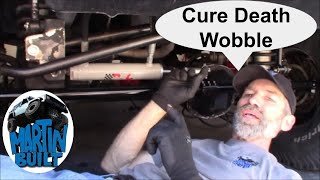
A stabilizer is not a cure but helps reduce vibration. If yours is leaking or weak, replace it with a quality unit.
5. Check For Frame And Axle Damage
After years of off-roading, even a Cherokee’s frame or axle mounts can develop cracks. Have a mechanic inspect if you notice anything bent or if the wobble persists after replacing parts.
Common Fixes: What Works Best?
Here’s a quick comparison of common fixes for death wobble:
| Fix | Effectiveness | Cost Range |
|---|---|---|
| Track Bar Replacement | Very High | $80–$200 |
| Tie Rod Ends | High | $60–$150 |
| Wheel Alignment | Moderate | $70–$120 |
| Steering Stabilizer | Low (support only) | $40–$100 |
Expert insight: Many owners replace the steering stabilizer first. This only masks the real problem. Always fix worn parts before upgrading the stabilizer.
Preventing Death Wobble In The Future
Once you fix death wobble, you want to keep it away. Here’s how:
- Regular inspections: Check the front suspension and steering every 10,000 miles.
- Use quality parts: Cheap bushings and tie rods fail quickly.
- Balance tires during every rotation.
- Re-torque bolts after off-roading or major suspension work.
- Avoid oversized tires unless your suspension is built for them.
Non-obvious tip: After any repair, test drive on a smooth, straight road before hitting the highway.
When To See A Professional
If you’ve replaced the usual parts and still have death wobble, it’s time for expert help. Some problems like bent axles or frame damage aren’t easy to spot without special tools.
A reputable 4×4 shop can diagnose and fix complex issues.
For more technical details on suspension geometry and causes, visit the Wikipedia Death Wobble article.
Frequently Asked Questions
What Is The Main Cause Of Death Wobble In Jeep Cherokees?
The most common cause is worn track bar bushings or bolts. Even minor looseness here can trigger severe oscillations, especially after hitting a bump.
Can Death Wobble Damage My Jeep Cherokee?
Yes. Prolonged death wobble can wear out steering and suspension parts faster.
It also puts extra stress on the frame and mounts.
Is It Safe To Drive With Death Wobble?
No. Driving with death wobble is dangerous.
You can lose control, especially at highway speeds. Pull over safely and fix the issue before driving again.
Will A Steering Stabilizer Fix Death Wobble By Itself?
No. The steering stabilizer only helps reduce vibration. It cannot fix the root cause, which is usually worn or loose parts.
How Long Does It Take To Fix Death Wobble?
It depends on the problem. Simple fixes like tightening bolts or replacing the track bar can take 1 2 hours.
If multiple parts are worn, expect a full day for repairs and alignment.
Getting rid of death wobble in your Jeep Cherokee takes patience and the right repairs. Focus on the suspension and steering, replace worn parts, and always check your work.
With good maintenance, your Cherokee will handle safely and confidently for many miles ahead.