If you own a Jeep Wrangler, you might have heard of the scary term death wobble. This is a sudden, violent shaking of your steering wheel and front suspension, usually at highway speeds.
It can feel like your Jeep is out of control, making drivers nervous or even frightened. Many Jeep owners face this issue, especially after modifications or hitting potholes.
In this guide, you’ll learn what causes death wobble in Jeep Wranglers, how to fix it step-by-step, and how to keep your Jeep safe and stable.
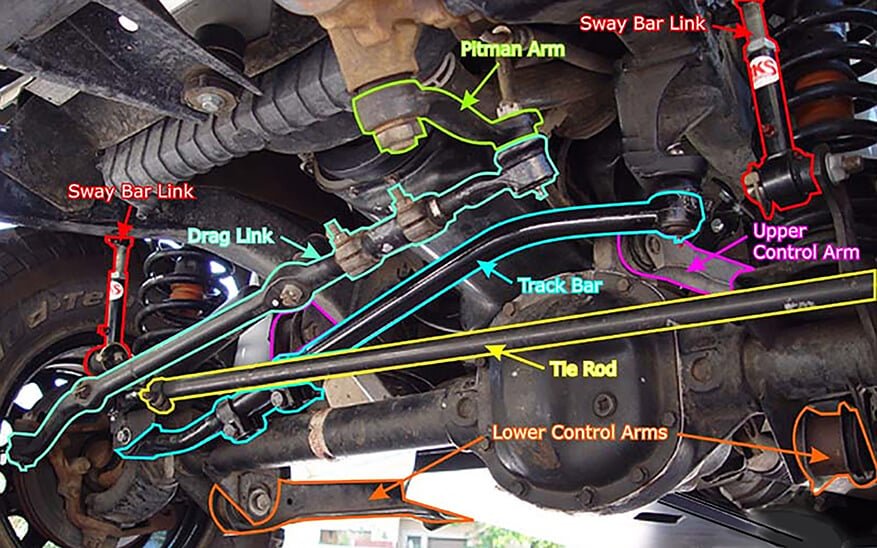
What Is Death Wobble In Jeep Wrangler?
The death wobble is not just a simple vibration. It’s a forceful, fast shaking that makes the steering wheel move side to side. Sometimes, the whole Jeep feels like it’s bouncing. It usually happens when you hit a bump or drive over rough roads at speeds above 45 mph.
Death wobble can affect any Jeep Wrangler, but it’s more common in models with solid front axles (like the TJ, JK, and JL series). It’s also seen in other vehicles with similar suspension setups, but Jeep Wranglers are famous for it.
Symptoms To Watch For
- Steering wheel shakes violently
- Jeep moves side to side
- Loss of control feeling
- Noise from the front suspension
- Happens after hitting bumps or potholes
If you experience these symptoms, don’t ignore them. Death wobble can damage your Jeep and cause accidents.
Common Causes Of Death Wobble
Solving death wobble means understanding its roots. Most cases come from worn or loose parts in the front suspension and steering. Here are the main causes:
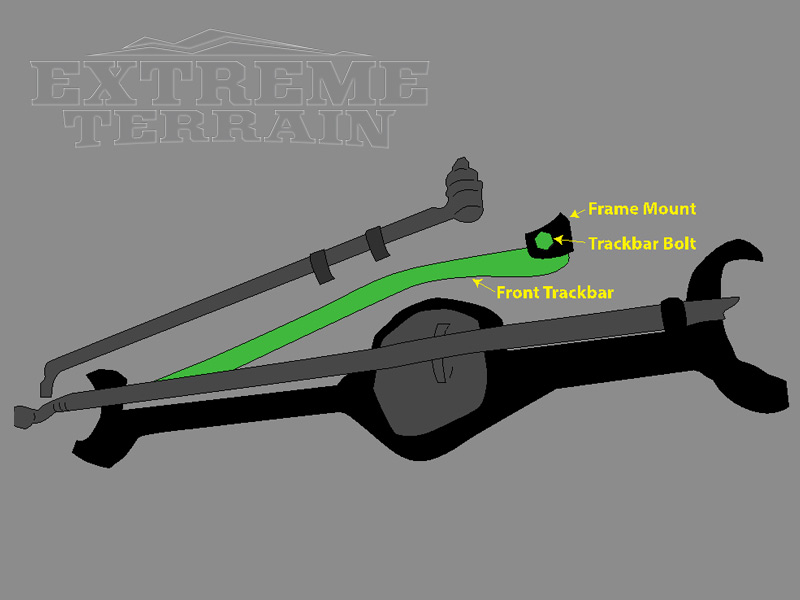
1. Loose Track Bar Bolts
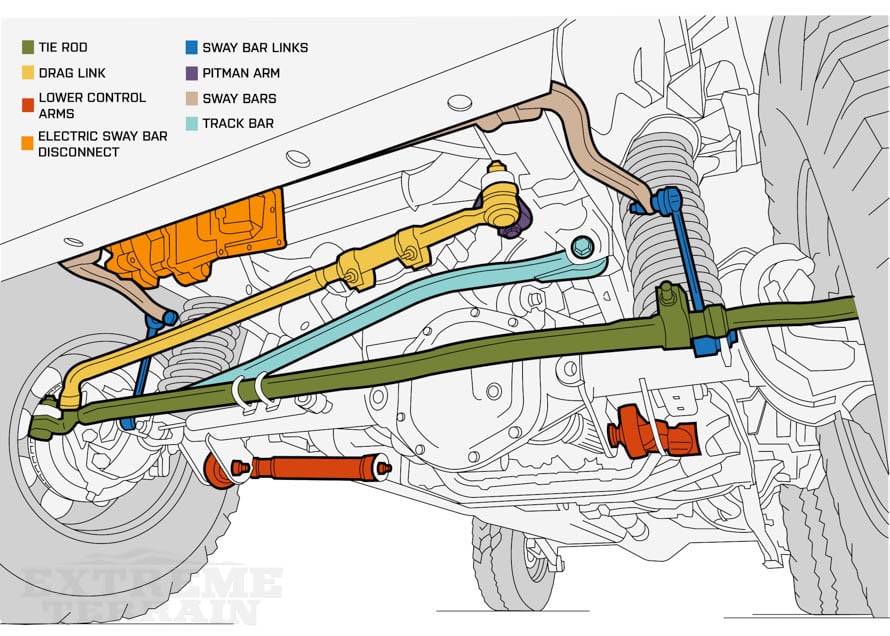
The track bar keeps your axle centered. If its bolts are loose, the axle shifts, causing wobble.
2. Worn Ball Joints
Ball joints connect the steering knuckle to the axle. Worn joints allow movement, leading to instability.
3. Bad Tie Rod Ends
Tie rod ends link the steering to the wheels. If they have play, the wheels can shake.
4. Damaged Control Arm Bushings
Bushings cushion the control arms. If they crack or wear out, the suspension loses stability.
5. Unbalanced Or Bent Wheels
Wheel issues make vibrations worse, especially at high speeds.
6. Faulty Steering Stabilizer
The stabilizer is like a shock absorber for the steering. If it leaks or fails, it can’t control shaking.
7. Misaligned Suspension
After lifts or modifications, improper alignment can trigger death wobble.
8. Loose Or Worn Wheel Bearings
Bearings keep the wheels spinning smoothly. If they’re loose, the wheel can wobble.
These problems often appear together. Fixing just one may not solve the issue, so a full inspection is needed.
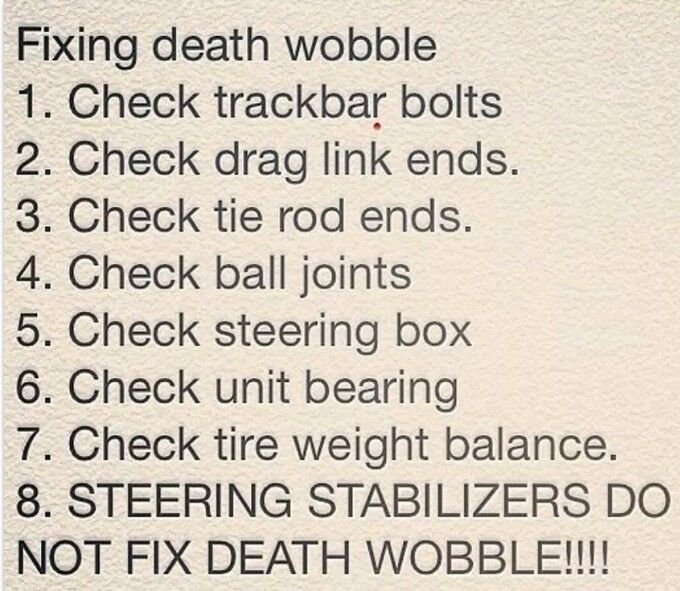
Diagnosing Death Wobble In Jeep Wrangler
Finding the real cause is key. Here’s a step-by-step process:
Step 1: Visual Inspection
- Look for loose bolts on the track bar, control arms, and steering components.
- Check for cracked bushings and leaks from the steering stabilizer.
- Inspect wheels for bends or missing weights.
Step 2: Physical Checks
- Grab the tie rod and track bar. Move them by hand. Any movement means worn parts.
- Lift the Jeep and shake the wheels. Movement could mean bad ball joints or wheel bearings.
Step 3: Suspension Alignment
- If you’ve installed a lift kit, check your alignment numbers (caster, toe, camber).
- Proper caster angle is important. Low caster can make death wobble more likely.
Step 4: Test Drive
- Drive at highway speed (if safe) and hit small bumps. Try to recreate the wobble.
- Note when and how it happens (speed, road type).
Step 5: Professional Diagnosis
- If you can’t find the issue, visit a mechanic. They have tools like alignment racks and can spot hidden problems.
How To Fix Death Wobble In Jeep Wrangler
Now, let’s get practical. Fixing death wobble means replacing or repairing the faulty parts. Here’s what to do:
Tighten Track Bar Bolts
Start with the track bar. Use a torque wrench to tighten bolts to factory specs. Even a small amount of looseness can cause wobble.
Replace Worn Parts
- Change ball joints if they’re loose or noisy.
- Install new tie rod ends if they have play.
- Swap out control arm bushings if they’re cracked or soft.
- Replace wheel bearings if there’s movement.
Check And Fix Wheels
- Balance your tires. Missing weights can create vibrations.
- Replace bent wheels or rims.
Upgrade Steering Stabilizer
- Install a new steering stabilizer if yours leaks or is weak.
- Upgraded stabilizers help but won’t fix death wobble alone.
Align The Suspension
- Get a professional alignment. Adjust caster, toe, and camber as needed.
- If you have a lift, use adjustable control arms to set proper caster.
Cost Comparison Table
Here’s a comparison of typical repair costs for common death wobble fixes:
| Repair Item | Estimated Cost (Parts + Labor) | Difficulty (DIY Level) |
|---|---|---|
| Track Bar Tightening | $0, $50 | Easy |
| Ball Joint Replacement | $300, $600 | Moderate |
| Tie Rod End Replacement | $120, $250 | Easy, Moderate |
| Control Arm Bushings | $150, $400 | Moderate |
| Wheel Alignment | $80, $150 | Professional |
| Steering Stabilizer | $70, $200 | Easy |
| Wheel Balancing | $40, $80 | Easy |
Step-by-step Fix Example
Suppose your Jeep’s track bar bolts are loose and the steering stabilizer is worn.
- Tighten track bar bolts to 125 ft-lbs using a torque wrench.
- Remove old steering stabilizer. Install new one, torquing bolts to 40 ft-lbs.
- Drive your Jeep. If wobble is gone, you’ve fixed it. If not, check tie rod ends and ball joints.
Preventing Death Wobble In The Future
Once you’ve fixed death wobble, it’s smart to prevent it from coming back. Here’s how:
- Inspect suspension and steering every 6 months
- Tighten track bar bolts after rough off-road trips
- Balance tires at every oil change
- Replace worn bushings, ball joints, and tie rod ends early
- Use quality parts (OEM or trusted brands)
- Avoid cheap lift kits that don’t keep proper geometry
Jeep Wrangler Models Most Affected
Not all Wranglers have equal risk. Older models (YJ, TJ) and ones with aftermarket lift kits or big tires are most likely to develop death wobble.
| Model | Years | Risk Level |
|---|---|---|
| Jeep Wrangler YJ | 1987 to 1995 | Moderate |
| Jeep Wrangler TJ | 1997 to 2006 | High |
| Jeep Wrangler JK | 2007 to 2018 | High |
| Jeep Wrangler JL | 2018, present | Medium |
Pros And Cons Of Fixing Death Wobble Yourself
Here are the advantages and disadvantages of fixing death wobble on your own.
Pros
- Save money on labor costs
- Learn about your Jeep’s suspension
- Fix minor issues quickly
Cons
- Some repairs need special tools (ball joint press, alignment equipment)
- Mistakes can make death wobble worse
- Hard to spot hidden problems without experience
If you’re new to car repair, start with simple tasks like tightening bolts or changing the steering stabilizer. For complex jobs, ask a mechanic for help.
Real-world Example: Wrangler Jk Owner’s Experience
John, a Wrangler JK owner from Texas, faced death wobble after installing a 2-inch lift and 33-inch tires. His steering shook at 50 mph after hitting potholes.
John tightened his track bar bolts and replaced his steering stabilizer, but the wobble continued.
A mechanic found worn tie rod ends and ball joints. After replacing them and getting a proper alignment, the Jeep was stable and the death wobble disappeared.
This example shows that fixing just one part may not solve the issue. You need a full check of the suspension and steering.
Latest Facts And Updates
Jeep has recognized death wobble issues, especially in newer JL models. In 2019, Jeep offered free steering stabilizer replacements for some JL owners.
However, this doesn’t always solve the problem. Many experts say the real solution is finding and fixing worn or loose suspension parts.
Non-obvious insight: Some owners think big tires alone cause death wobble, but it’s usually a mix of worn parts and poor alignment. Also, even new Jeeps can develop death wobble after rough off-road use.
For extra tips and technical details, you can check the official Jeep forum or visit Jeep’s official site.
<!– wp:rank-math/faq-block {"questions":[{"id":"faq-question-9862febe2ec7","title":"What Is Death Wobble In Jeep Wrangler?","content":"
Death wobble is a violent shaking of the steering wheel and front suspension, usually at highway speeds. It feels like your Jeep is out of control and is caused by worn or loose parts in the front suspension or steering.
“,”visible”:true},{“id”:”faq-question-6342cdfb2904″,”title”:”Can I Drive My Jeep If It Has Death Wobble?”,”content”:”It’s unsafe to drive with death wobble. The shaking can cause loss of control and damage to your Jeep. Stop driving and inspect or repair the issue as soon as possible.
“,”visible”:true},{“id”:”faq-question-50af68e123ac”,”title”:”How Much Does It Cost To Fix Death Wobble?”,”content”:”The cost depends on what’s wrong. Simple fixes like tightening bolts are cheap. Replacing ball joints, tie rod ends, and bushings can cost $300 $600 or more if done by a mechanic.
“,”visible”:true},{“id”:”faq-question-7826597b9f0a”,”title”:”Does A Steering Stabilizer Fix Death Wobble?”,”content”:”A steering stabilizer helps control minor vibrations, but it won’t fix death wobble by itself. You need to address worn or loose parts in the suspension and steering.
“,”visible”:true},{“id”:”faq-question-d4afb3ed361c”,”title”:”Is Death Wobble Common In Lifted Jeeps?”,”content”:”Yes, lifting a Jeep changes the suspension geometry and can increase the risk of death wobble, especially if alignment and caster angle are not set correctly.
“,”visible”:true}]} –>What Is Death Wobble In Jeep Wrangler?
Death wobble is a violent shaking of the steering wheel and front suspension, usually at highway speeds. It feels like your Jeep is out of control and is caused by worn or loose parts in the front suspension or steering.
Can I Drive My Jeep If It Has Death Wobble?
It’s unsafe to drive with death wobble. The shaking can cause loss of control and damage to your Jeep. Stop driving and inspect or repair the issue as soon as possible.
How Much Does It Cost To Fix Death Wobble?
The cost depends on what’s wrong. Simple fixes like tightening bolts are cheap. Replacing ball joints, tie rod ends, and bushings can cost $300 $600 or more if done by a mechanic.
Does A Steering Stabilizer Fix Death Wobble?
A steering stabilizer helps control minor vibrations, but it won’t fix death wobble by itself. You need to address worn or loose parts in the suspension and steering.
Is Death Wobble Common In Lifted Jeeps?
Yes, lifting a Jeep changes the suspension geometry and can increase the risk of death wobble, especially if alignment and caster angle are not set correctly.
Final Thoughts
Death wobble in Jeep Wrangler is a scary and dangerous problem, but it’s fixable. By checking and repairing the right parts, track bar, ball joints, tie rod ends, bushings, and steering stabilizer, you can make your Jeep safe again. Remember, prevention is key. Inspect your suspension often, use quality parts, and keep your Jeep aligned. If you’re unsure, ask a mechanic for help. Enjoy your Jeep adventures with confidence!
Meta Title: How to Fix Death Wobble in Jeep Wrangler: Step-by-Step Guide
Meta Description: Discover how to diagnose and fix death wobble in Jeep Wrangler. Learn causes, repair steps, costs, prevention, and real-life tips for safe, stable driving.