When water drips inside your Jeep Wrangler after heavy rain, it can be both frustrating and damaging. Leaks can lead to musty odors, stained upholstery, and even rust.
Many Wrangler owners face this issue, especially with older models or after removing and reinstalling tops and doors. The good news is, with some patience and a systematic approach, you can often find and fix the leak yourself without expensive repairs.
Common Leak Areas In Jeep Wranglers
Jeep Wranglers are unique because of their removable doors and tops. This design makes them fun and versatile, but it also creates more opportunities for leaks. Here are the most frequent trouble spots:
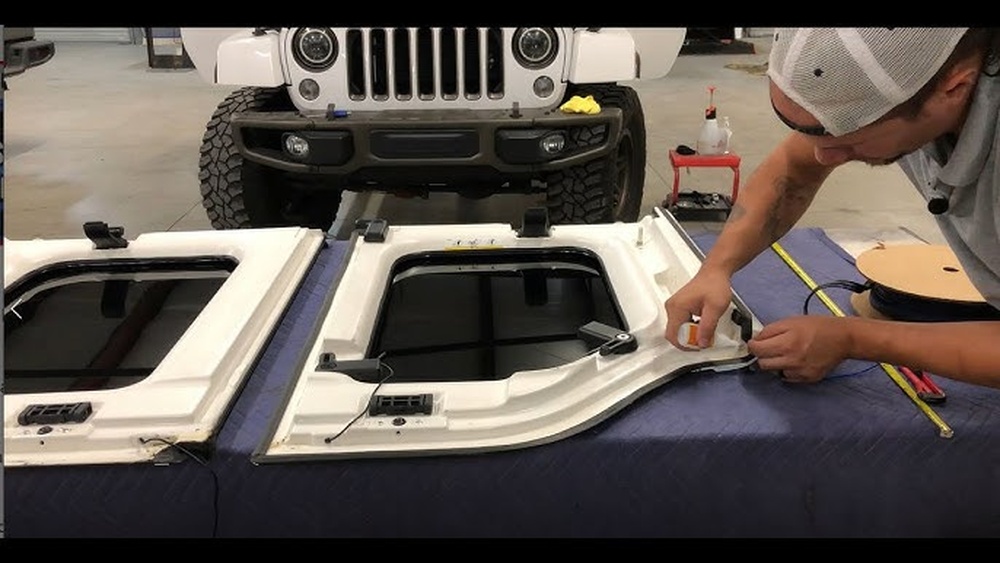
- Freedom panels (front removable roof sections)
- Door seals (weatherstripping around doors)
- Hardtop or soft top seals
- Windshield frame
- Cowl area (where the hood meets the windshield)
- Tailgate seals
In many cases, leaks come from more than one place. Identifying all problem spots is key to a lasting fix.
How To Find The Source Of The Leak
Before you can fix a leak, you need to know exactly where water is entering. Start with a thorough inspection:
- Check after rain: Look for wet spots on seats, carpets, or door sills.
- Use a hose: With a helper inside, slowly spray water over one area at a time. Wait and check for drips before moving to the next section.
- Inspect seals: Look for cracks, tears, or areas where the rubber is flattened or missing.
- Check door alignment: Sometimes doors sag over time, preventing a tight seal.
A tip many beginners miss: Water can travel along interior panels, dripping far from the actual entry point. Follow any wet trail upward and outward to find the true leak.

Step-by-step Guide To Fixing Common Wrangler Leaks
1. Resealing Freedom Panels
The Freedom panels are a known leak spot, especially if they are not seated properly.
- Remove the panels and clean both the panel edges and the seals.
- Dry everything completely.
- Apply a silicone-based weatherstrip conditioner to the seals. This restores flexibility and helps them form a tighter seal.
- Reinstall, making sure the panels are fully seated and latched.
If the seals are torn or missing, replace them. Genuine replacement seals are usually best for a proper fit.
2. Repairing Door And Window Seals
The rubber around the doors and windows can become brittle or compressed.
- Inspect the door weatherstripping for visible damage.
- For small gaps, gently pull out the seal to restore its shape.
- For large tears or sections that won’t hold shape, replace the seal.
A common mistake is using household glue to fix weatherstripping. This usually fails quickly. Instead, use automotive weatherstrip adhesive.
3. Hardtop And Soft Top Seals
Hardtop Wranglers often leak where the top meets the body.
- Remove the top and clean the contact surfaces.
- Check for cracks or missing foam in the factory seals.
- Replace or add new foam seals if needed.
- Reinstall, making sure the top is aligned and fully clamped down.
Soft tops can leak through worn seams or loose frames. Sealing sprays or patch kits can help, but replacing old fabric is often the best solution.
4. Fixing Windshield And Cowl Leaks
Leaks in the cowl area or at the windshield frame can send water onto the floor.
- Open the hood and clear any leaves or debris blocking the cowl drains.
- Check the seal where the windshield meets the body.
- Apply a bead of automotive-grade silicone sealant along any suspect seams.
Misaligned windshields are less common but can be adjusted by a professional if needed.
5. Tailgate And Trunk Seals
Water sometimes enters through the rear tailgate.
- Clean and inspect the tailgate seal.
- Adjust the latch if the tailgate is not closing tightly.
- For persistent leaks, adding an extra layer of foam tape can help.
Useful Data: Wrangler Leak Locations And Fix Success
Here’s a quick overview comparing leak frequency and fix rates by area:
| Leak Location | Frequency (%) | DIY Fix Success (%) |
|---|---|---|
| Freedom Panels | 40 | 85 |
| Door Seals | 30 | 80 |
| Hard/Soft Top | 15 | 70 |
| Windshield/Cowl | 10 | 60 |
| Tailgate | 5 | 75 |

Choosing The Right Sealant Or Replacement Parts
There are many products for sealing leaks, but not all work well for Wranglers. Here’s a comparison of popular options:
| Product Type | Best For | Longevity | Notes |
|---|---|---|---|
| Silicone Sealant | Seams, small cracks | 2-5 years | Flexible, waterproof |
| Weatherstrip Conditioner | Rubber seals | 6-12 months | Restores flexibility |
| Foam Tape | Hardtop edges | 1-2 years | Easy to apply |
| OEM Replacement Seals | All areas | 5+ years | Best fit, most durable |
Two Overlooked Tips
Many Wrangler owners overlook these:
- Clean seals regularly. Dirt acts like sandpaper, wearing down the seals much faster.
- Lubricate seals every 6 months with a silicone-based conditioner. This simple step can prevent most leaks before they start.
When To Seek Professional Help
If you’ve tried the above steps and water still finds its way in, it may be time to consult a specialist. Leaks near the windshield frame or inside the dashboard can be complex and may require removing interior panels. Also, mold and rust can develop if leaks are left unchecked, causing even greater damage and repair costs.
For more technical Wrangler repair guidance, the official Jeep website offers service manuals and owner resources.
A dry Wrangler is not just about comfort it also protects your vehicle’s value and keeps the interior fresh for years to come. Don’t ignore even a small drip, as leaks often get worse over time.
Frequently Asked Questions
Why Does My Jeep Wrangler Leak Only When Parked On A Hill?
Parking on an incline can shift water to weak spots in seals or seams not normally exposed. It’s a good idea to test for leaks both on level ground and slopes to find the source.
What’s The Best Way To Dry Out A Wet Wrangler Interior?
Remove floor mats and use towels to soak up water. Leave the doors or top open on a dry day, or use a small fan.
A portable dehumidifier can speed up drying and prevent mold.
Can I Use Household Silicone For Sealing Leaks?
While household silicone may work in a pinch, automotive-grade sealant is better. It stays flexible in hot and cold weather and bonds better to car surfaces.
Are Soft Tops More Likely To Leak Than Hardtops?
Yes, soft tops are generally more prone to leaks, especially as they age. The fabric can shrink or tear, and seams may loosen. Regular maintenance is key for keeping soft tops watertight.
How Often Should I Replace Jeep Wrangler Seals?
Inspect and condition seals every 6 months. Most last 3 5 years, but replace them sooner if you see cracks, flat spots, or persistent leaks.