Is your Jeep’s check engine light glowing and you’re not sure what it means? Don’t worry—you can find out exactly what’s going on without spending a fortune at the mechanic.
Knowing how to find your Jeep’s check engine light codes puts the power back in your hands. These codes reveal what your vehicle’s computer has detected, helping you understand if it’s a simple fix or something that needs immediate attention.
In this guide, you’ll learn easy steps to retrieve those codes quickly, even without special tools. Keep reading, and you’ll save time, money, and avoid unnecessary stress by getting the right information about your Jeep’s engine health.

Locate Diagnostic Port
Locating the diagnostic port is the first step to find check engine light codes on your Jeep. This port is the gateway to your vehicle’s computer system. It allows you to connect a scanner or code reader. Finding this port is simple and takes only a few minutes.
Find Obd-ii Connector
The OBD-II connector is a 16-pin port used in most vehicles after 1996. Your Jeep has this connector to communicate with diagnostic tools.
It sends trouble codes that help identify engine issues. The port is usually near the driver’s seat for easy access.
Access Under Dashboard
Look beneath the dashboard on the driver’s side. The connector is often under the steering column or near the fuse box.
Use a flashlight if the area is dark. The port is shaped like a trapezoid and should be easy to spot.
Once found, you can plug in your code reader to check the engine codes.
Use Obd-ii Scanner
Using an OBD-II scanner is the easiest way to find check engine light codes on your Jeep. This small device connects to your vehicle’s computer system.
It reads error codes stored when the engine light turns on. These codes help identify the problem quickly.
You can also clear the codes after fixing the issue. This saves time and money on diagnostics.
Plug In Scanner
Locate the OBD-II port in your Jeep. It is usually under the dashboard near the steering wheel.
Plug your scanner into this port firmly. Make sure the ignition is off before connecting.
Turn the Jeep’s key to the “On” position without starting the engine. This powers the scanner and your Jeep’s computer.
Read Codes
Turn on the scanner and follow the screen instructions. It will communicate with your Jeep’s onboard computer.
The scanner will display one or more trouble codes. These codes explain why the check engine light is on.
Write down or save the codes to look up their meaning later.
Clear Codes
After repairs, you can clear the stored codes using the scanner. Select the “Clear Codes” option on your device.
This will turn off the check engine light if the problem is fixed. If the light comes back on, the issue may still exist.
Clearing codes helps reset the system for a fresh start.
Retrieve Codes Without Scanner
Retrieving check engine light codes without a scanner is possible on many Jeep models. This method helps you quickly identify issues without extra tools.
It uses the vehicle’s built-in systems to display error codes. These codes point to specific problems in your Jeep’s engine or systems.
Follow simple steps to access these codes using your ignition key and odometer.
Ignition Key Method
Insert your Jeep’s key into the ignition. Turn it to the “ON” position without starting the engine.
Then, turn the key back to the “OFF” position. Repeat this cycle three times, always ending in the “ON” position.
Your check engine light will start blinking. Count the number of blinks carefully.
The blinking will form a code, showing the problem.
For example, two blinks followed by three blinks means code 23. Pause between codes, then count again. This method works on many Jeep models, including Wrangler and Cherokee. It is a quick way to find error codes without a scanner.
Odometer Display Codes
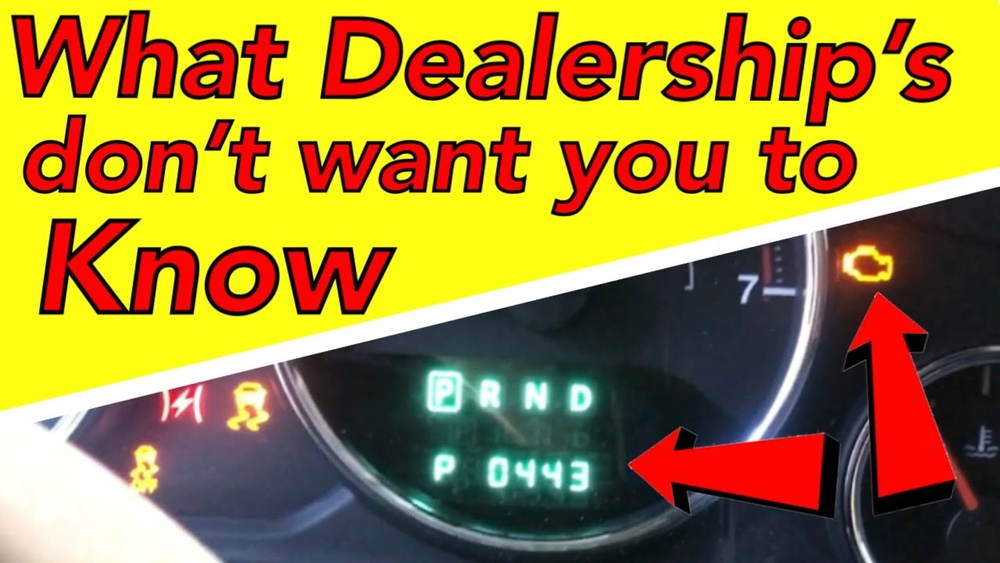
Some Jeep models display check engine codes on the odometer screen. Start by turning the ignition key to the “ON” position.
Watch the odometer for numbers flashing or scrolling. These numbers represent the diagnostic trouble codes.
Codes appear as one or two-digit numbers. Write them down as they appear.
If needed, use your Jeep’s manual to understand what each code means. This method is easy and requires no tools.
It is handy for Jeep owners who want fast code retrieval.

Interpret Check Engine Codes
Understanding check engine codes is essential to maintain your Jeep. These codes pinpoint issues affecting your vehicle’s performance.
Interpreting them helps you decide the next repair steps. It saves time and money by addressing specific problems quickly.
Here’s a guide to common Jeep codes and their meanings.
Common Jeep Codes
Jeep vehicles use standardized OBD-II codes starting with “P.” Some common codes include:
- P0300: Random/multiple cylinder misfire detected
- P0420: Catalyst system efficiency below threshold
- P0171: System too lean (bank 1)
- P0442: Evaporative emission system leak detected (small leak)
- P0455: Evaporative emission system leak detected (large leak)
These codes help identify where the issue lies in your Jeep’s engine or emission system.
What Codes Mean
Each code has a specific meaning. The first letter “P” means powertrain, covering engine and transmission.
The next digit shows if the code is generic or manufacturer-specific. The last three digits describe the exact problem.
For example, code P0300 means the engine misfires randomly. This could cause rough running or poor fuel economy.
Code P0420 points to a problem with the catalytic converter’s efficiency. It may lead to increased emissions or failed inspections.
Knowing these meanings helps you explain the problem to a mechanic. It also guides you in deciding if a simple fix is possible.
Some codes may require professional diagnosis or part replacements.
Free Code Scanning Options
Finding out why your Jeep’s check engine light is on can be simple and cost-free. Several places offer free code scanning to help you understand the problem.
These options save money and provide quick results. Knowing where to go can make the process easier and faster.
Auto Parts Stores
Many auto parts stores offer free check engine light code scanning. Stores like AutoZone and O’Reilly Auto Parts provide this service at no cost.
You just need to bring your Jeep to the store and ask for a scan. Their staff use a scanner that reads the code from your Jeep’s computer.
They will then share the code and explain what it means. This helps you decide your next step without paying for a mechanic’s visit.
Mechanic Shops
Some mechanic shops also offer free code scanning to attract customers. They use professional tools to read the codes accurately.
Visiting a mechanic shop can give you a detailed report on your Jeep’s issue. Sometimes, they may suggest repairs or quick fixes.
This option is helpful if you want expert advice along with the code reading. Always call ahead to check if the shop provides free scanning before visiting.
Next Steps After Reading Codes
After retrieving the check engine light codes from your Jeep, knowing what to do next is crucial. These codes give clues about your vehicle’s health.
Acting quickly can save you time and money. The next steps help you understand the problem and decide on repairs.
Diagnose Issues
Use the codes to identify the possible problems. Look up each code in a Jeep-specific database or manual.
Some codes point to simple fixes like a loose gas cap. Others may indicate more serious engine or sensor issues.
Check for visible signs like leaks or damaged parts. Perform basic checks such as fluid levels or battery condition.
Make notes of any unusual noises or performance changes. This helps narrow down the cause.
Testing parts with a multimeter can confirm sensor faults. Avoid guessing, as wrong repairs can cause more damage.
When To Visit A Mechanic
Some problems require professional help. Visit a mechanic if the code shows engine misfire, transmission issues, or emission failures.
Also, seek help if the check engine light stays on after resets. Complex issues need diagnostic tools and experience.
Mechanics can perform thorough inspections and repairs. Schedule a visit soon to prevent damage or unsafe driving.
If your Jeep runs roughly or stalls, do not delay. Safety risks increase with ignored warning lights.
Trust experts for brake, fuel, or electrical system problems. Early professional intervention often lowers repair costs.
Frequently Asked Questions
How Do I Check My Jeep Code Without A Scanner?
Turn the ignition key to the ON position without starting the engine. Cycle it OFF and ON three times, ending ON.
Read the error codes flashing on the odometer display.
How To Figure Out Check Engine Light Code?
Turn the ignition key to the ON position without starting the engine. Cycle OFF and ON three times. Read the code on the odometer display.
Does Autozone Still Scan Codes For Free?
Yes, AutoZone still offers free code scanning for most vehicles. Visit your local store for a quick, no-cost diagnostic scan.
What Does A Car With Squiggly Lines Mean On A Jeep?
A car icon with squiggly lines on a Jeep indicates the Electronic Stability Control (ESC) system is active. It helps maintain traction and control during slippery conditions.
Conclusion
Finding check engine light codes on your Jeep is simple and useful. Use the ignition key method to read codes without extra tools.
This helps you understand your Jeep’s issues quickly. Knowing the codes saves time and money on repairs.
Regular checks keep your Jeep running smoothly and safely. Stay proactive and handle problems early.
Your Jeep will thank you with better performance.