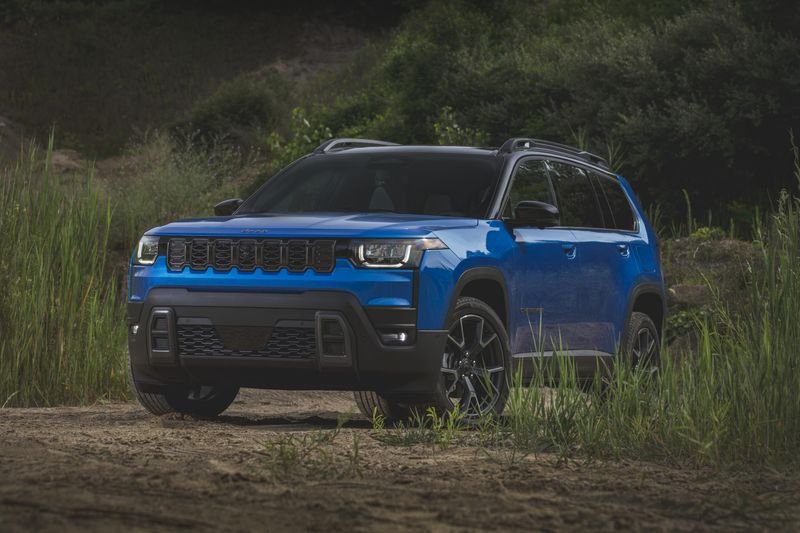
Driving a Jeep is more than just getting from one place to another. It’s about adventure, confidence, and knowing how to handle a unique kind of vehicle.
Many people choose Jeeps for their rugged style and ability to go off-road.
Whether you are new to Jeeps or switching from a regular car, learning the right way to drive a Jeep is important for safety and enjoyment. This guide covers what you need to know, with clear steps and practical tips.
Understanding Your Jeep
Before you start driving, it helps to know what makes a Jeep different. Most Jeeps, like the Wrangler or Cherokee, have features for both city and off-road driving. They often come with higher ground clearance, four-wheel drive (4WD), and a boxy shape.
Here’s a quick comparison between a standard sedan and a typical Jeep:
| Feature | Sedan | Jeep |
|---|---|---|
| Ground Clearance | 5-6 inches | 8-10 inches |
| Drive Type | Front/Rear Wheel | 4WD/AWD |
| Turning Radius | Smaller | Larger |
| Body Shape | Sleek | Boxy |
Knowing these differences helps you adjust your driving style. For example, the higher clearance allows you to drive over rocks, but the boxy shape can catch more wind on highways.
Getting Ready To Drive
Start by adjusting the seat and mirrors. Because Jeeps are taller, make sure your seat is high enough for a clear view but close enough to reach the pedals comfortably.
- Fasten your seatbelt.
- Check all mirrors for blind spots.
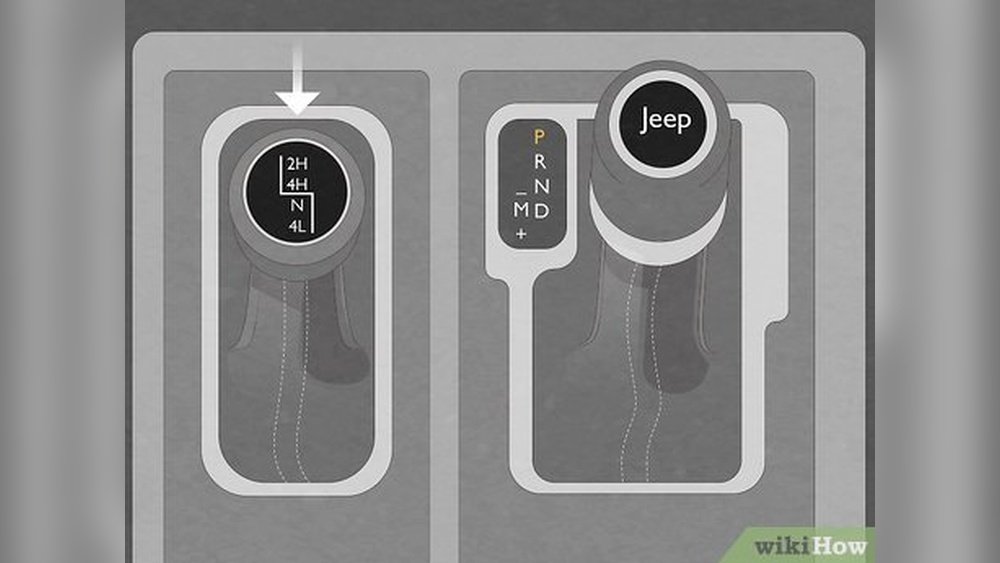
- Familiarize yourself with the gear shift, especially if it has options like 2WD, 4WD High, and 4WD Low.
- Locate important controls: Lights, wipers, and the parking brake.
Many beginners forget to check tire pressure. Jeep tires often need higher pressure than normal cars, especially if you plan to go off-road.
Basic Driving Techniques
Driving a Jeep in the city is similar to a regular car, but there are differences you should remember:
- Steering: Jeeps have a larger turning radius. Take wider turns and be aware of parking spaces.
- Braking: Due to extra weight, Jeeps may take longer to stop.
- Acceleration: The engine may feel slower, especially in older or off-road models.
When you need to park, Jeeps are taller and longer. Practice parking in open spaces before trying tight city spots.
Here’s a quick look at how Jeep performance compares to a regular car:
| Action | Regular Car | Jeep |
|---|---|---|
| Stopping Distance (60-0 mph) | 120 ft | 140 ft |
| 0-60 mph Acceleration | 8 sec | 10-12 sec |
| Turning Radius | 35 ft | 41 ft |
Using Four-wheel Drive (4wd)
One of the main reasons people buy a Jeep is for four-wheel drive. This system sends power to all wheels, giving better grip on mud, snow, or rocks.
There are usually three main settings:
- 2H (Two-wheel drive, High): Use for normal roads.
- 4H (Four-wheel drive, High): Use for snowy or muddy roads at normal speeds.
- 4L (Four-wheel drive, Low): Use for steep hills, rocks, or deep mud. Only drive at slow speeds.
Switching between these modes usually requires stopping or slowing down. Always read your Jeep’s manual for exact instructions.
Many beginners forget to switch back to 2H after off-roading, which can waste fuel and wear out parts.

Off-road Driving Tips
Jeeps are famous for off-road adventures. If you plan to leave the pavement, keep these things in mind:
- Plan your route. Know the area and your Jeep’s limits.
- Lower tire pressure slightly for better grip on sand or rocks.
- Go slow over obstacles. Let the Jeep’s clearance and 4WD do the work.
- Use spotters (someone outside guiding you) for difficult paths.
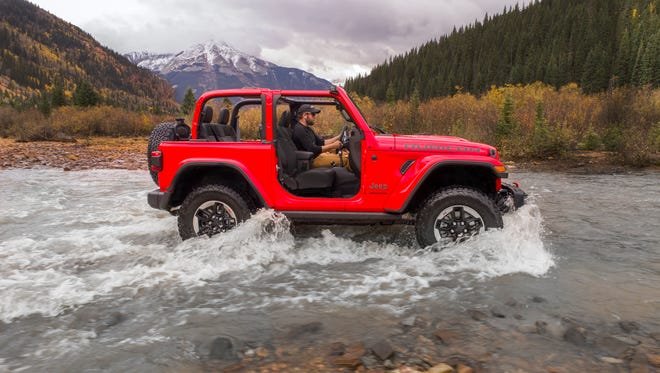
- Avoid deep water. Even Jeeps can get stuck or damage the engine if water is too high.
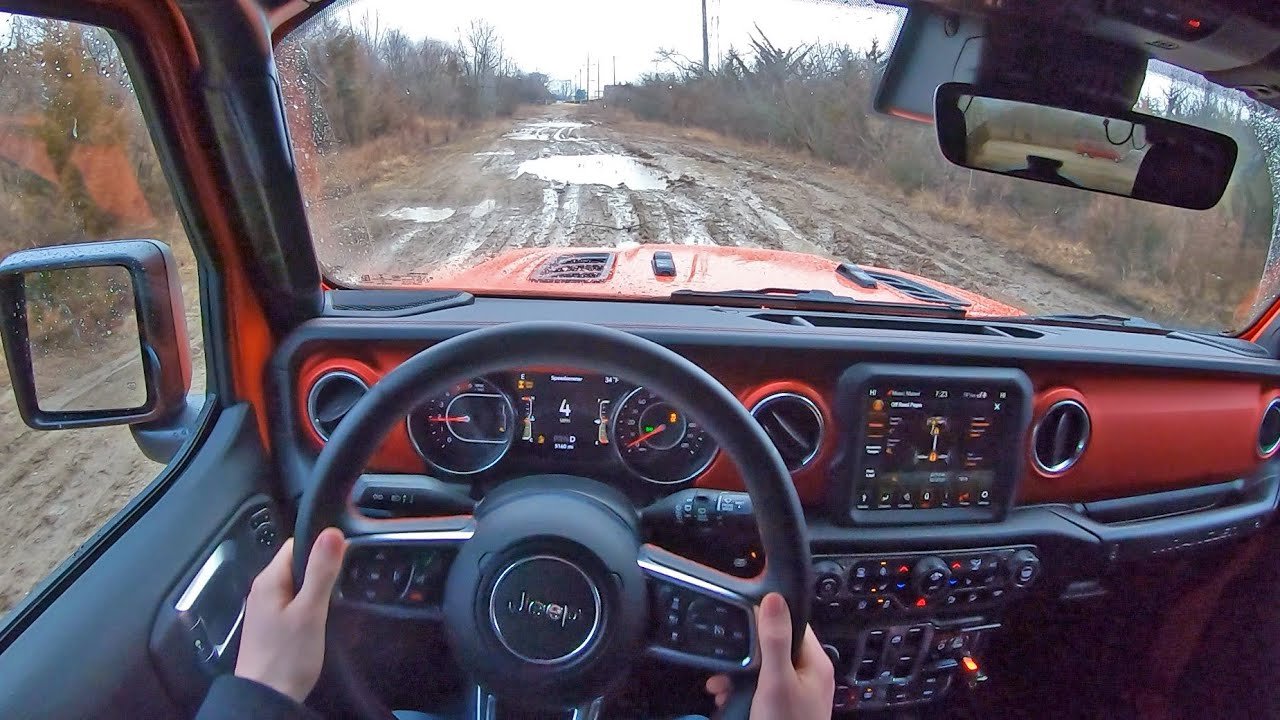
A common mistake is underestimating mud or water depth. Even with a Jeep, you can get stuck if you go too fast or don’t check first.
Here’s a useful chart to help you decide when to use different 4WD modes:
| Surface | Recommended Mode | Max Speed (mph) |
|---|---|---|
| Dry Pavement | 2H | Any |
| Snow/Mud | 4H | 55 |
| Rocks/Steep Hills | 4L | 25 |
Safety And Maintenance
Driving a Jeep safely means more than just handling the wheel. Regular maintenance is key.
- Check tires often, especially after off-roading.
- Wash undercarriage after driving through mud or salt to prevent rust.
- Inspect brakes and suspension more often, since off-roading causes extra wear.
Always carry basic gear: a first aid kit, tow strap, and air compressor. Even experienced Jeep drivers get stuck sometimes.
Two Insights Most Beginners Miss
- Weight Distribution Matters: Because Jeeps sit higher and have more weight up top, they can tip over more easily than lower cars. Take turns slowly, especially on hills or when carrying cargo on the roof.
- Fuel Use Changes Off-Road: Off-roading burns much more fuel than city driving. Always keep extra gas or know where the next station is before you explore remote areas.
Frequently Asked Questions
How Do I Switch Between 2wd And 4wd In A Jeep?
Most modern Jeeps let you switch modes using a lever or electronic button. For 4H, you can often switch while moving slowly (below 55 mph).
For 4L, stop the Jeep, shift to neutral, then switch to 4L. Always follow your owner’s manual for your exact model.
Can I Drive A Jeep Like A Regular Car On Highways?
Yes, but remember that Jeeps are taller and heavier. Keep extra space for braking and avoid sharp turns at high speeds.
Wind noise may be higher, and fuel economy is usually lower than sedans.
How Deep Can A Jeep Go In Water?
Most Jeeps can handle water up to 19-30 inches deep, depending on the model. Always check your Jeep’s manual. Drive slowly and never enter water unless you know the depth and bottom surface.
Is Off-roading Safe For Beginners?
With the right preparation, off-roading can be safe. Start with easy trails, never go alone, and bring basic recovery gear.
Learn from experienced drivers or join a Jeep club for guidance.
What Maintenance Is Unique To Jeeps?
Jeeps need more frequent checks on the undercarriage, suspension, and tires, especially after off-roading. Wash off mud, check for leaks, and keep an eye on the 4WD system. For more details, see the official Jeep maintenance guide.
Driving a Jeep opens up a world of adventure and freedom. With the right knowledge and a bit of practice, you can enjoy both city streets and wild trails safely.
Take your time, respect the Jeep’s unique features, and you’ll be ready for any journey.