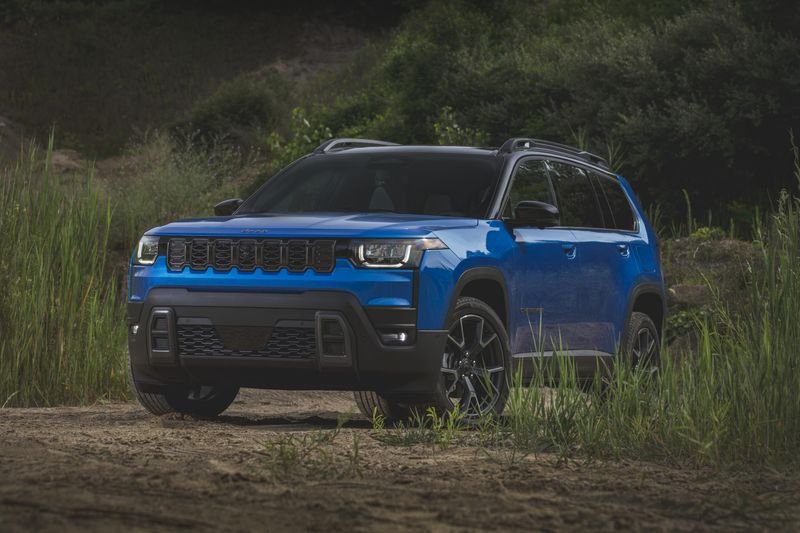
Driving a Jeep Grand Cherokee is an exciting experience that combines comfort, power, and safety. Whether you are new to SUVs or just bought your first Grand Cherokee, getting familiar with its unique features is important. This guide covers everything you need to know to drive a Jeep Grand Cherokee confidently, from starting the engine to handling different road conditions.
Getting To Know The Jeep Grand Cherokee
Before you drive, take a few minutes to understand the vehicle’s layout. The Grand Cherokee is a midsize SUV, popular for its off-road ability, smooth ride, and advanced technology. Most models have keyless entry, push-button start, and a digital dashboard.
Basic Controls
- Steering wheel: Contains buttons for audio, cruise control, and voice commands.
- Dashboard: Shows speed, fuel level, and alerts.
- Gear selector: Often a rotary dial or traditional lever.
- Pedals: Standard gas and brake, with some models offering an electronic parking brake.
Seating And Mirrors
Adjust your seat and mirrors before starting. The Grand Cherokee offers power seat adjustments and lumbar support for comfort.

Make sure you can reach all pedals easily, and check the visibility from all mirrors. Many models include memory settings for multiple drivers.
Starting The Engine And Checking Systems
Most recent Grand Cherokees use a push-button start. Press the brake, then push the Start/Stop button. The dashboard will light up, showing system checks. Wait for all warning lights to turn off before moving.
Safety Checks
- Fasten your seatbelt and ask passengers to do the same.
- Check for open doors or the “Check Engine” light.
- Confirm the gear is in “Park” before starting.
Shifting Gears And Basic Driving
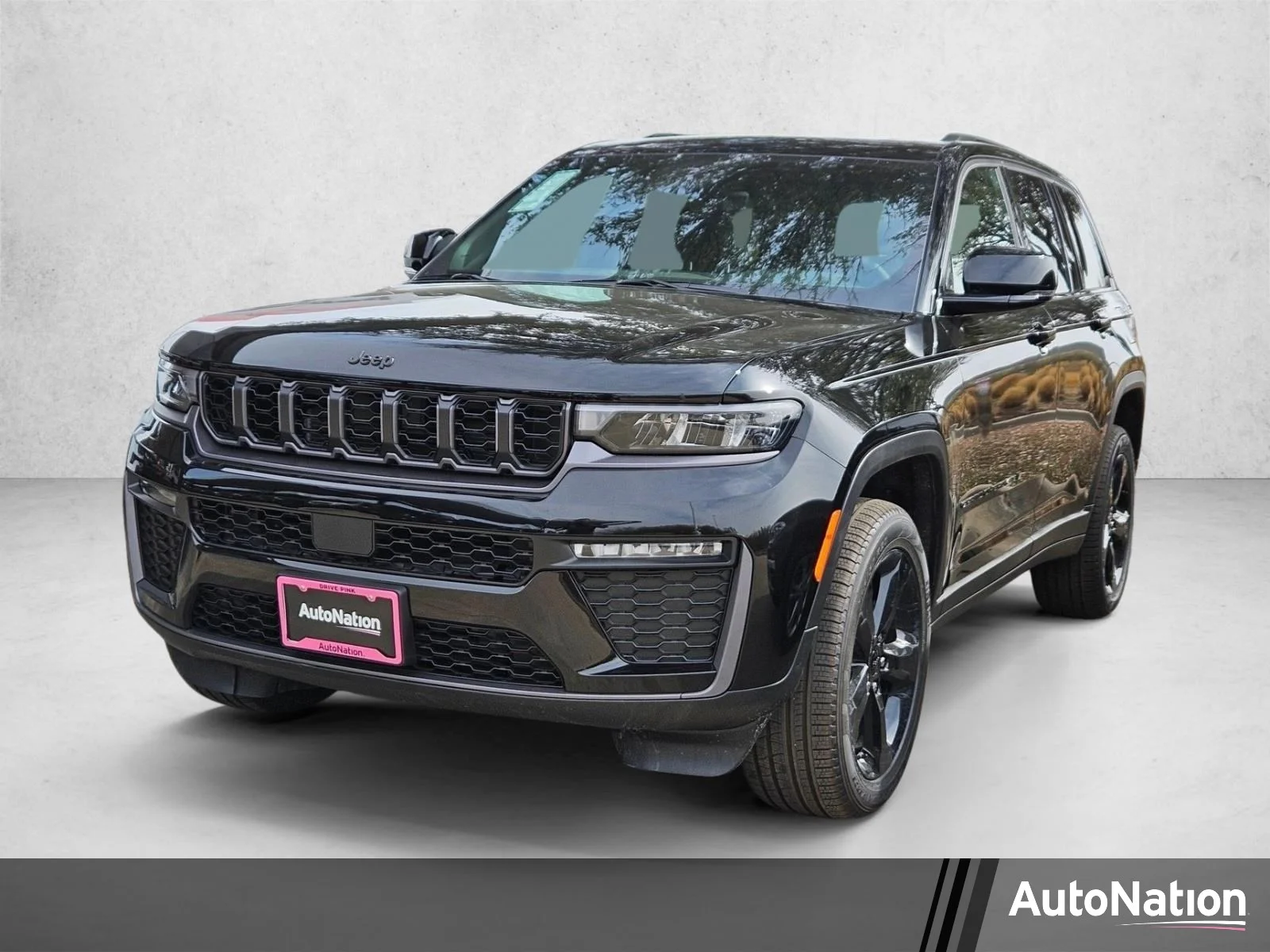
The Grand Cherokee uses either a rotary gear dial or a traditional shifter. With your foot on the brake, shift to “Drive” (D) to move forward or “Reverse” (R) to back up.
Driving Modes
Jeep Grand Cherokees come with selectable drive modes. Common modes are:
- Auto: For everyday driving.
- Sport: Sharper throttle and steering.
- Snow/Sand/Mud: Adjusts traction and stability for off-road or bad weather.
Switching modes is usually as simple as turning a dial on the center console.
Steering, Braking, And Acceleration
The Grand Cherokee is heavier than a sedan, so steering feels more solid. Take turns slowly at first to get used to the handling.
- Braking: The brakes are strong and responsive. Press the pedal gently.
- Acceleration: The V6 or V8 engines deliver smooth power. Press the gas lightly for city driving, or more firmly to merge onto highways.
Parking The Grand Cherokee
Finding a parking spot is easier thanks to parking sensors and backup cameras. Use the camera display for a clear view behind the vehicle. For tight spots, use the 360-degree camera (if equipped) to avoid obstacles.
Parallel Parking Steps
- Signal and align your car with the space.
- Shift to reverse and turn the steering wheel toward the curb.
- Check the cameras and mirrors.
- Straighten the wheel and center the car.
Some models offer automatic parking assist. Follow the on-screen instructions if your Grand Cherokee has this feature.
Using Technology And Infotainment
The Grand Cherokee’s Uconnect system offers navigation, music, climate controls, and smartphone integration. The touchscreen is easy to use, but learn the basics before driving.
- Navigation: Enter destinations before starting your trip.
- Bluetooth: Pair your phone for hands-free calls and music.
- Climate Controls: Adjust temperature and fan speed on the screen or with physical buttons.
Off-road And All-weather Driving
Jeep designed the Grand Cherokee for more than city roads. It can handle dirt, snow, and rocky trails. Before going off-road, switch to the correct drive mode.
Off-road Tips
- Lower your speed on rough surfaces.
- Use 4WD Low for steep hills or mud.
- Watch for tire pressure alerts.
All-weather Handling
In snow or rain, increase your following distance and drive slower. The Grand Cherokee’s traction control helps, but sudden stops can still be dangerous.
Fuel, Maintenance, And Dashboard Alerts
Check your fuel level before trips. The Grand Cherokee’s fuel economy varies based on engine and driving style.
| Engine Type | City MPG | Highway MPG | Fuel Type |
|---|---|---|---|
| 3.6L V6 | 19 | 26 | Regular |
| 5.7L V8 | 14 | 22 | Regular |
| 4xe Hybrid | 56 MPGe | 57 MPGe | Gas/Electric |
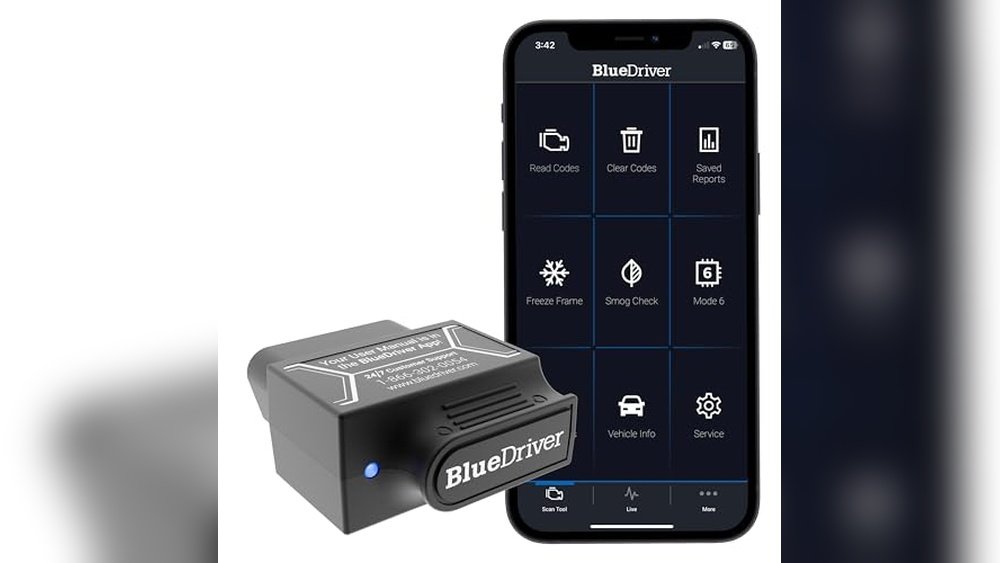
Pay attention to dashboard alerts. Common alerts include low tire pressure, oil change needed, or service reminders. Address these quickly to avoid bigger problems.
Comparing Grand Cherokee To Other Suvs
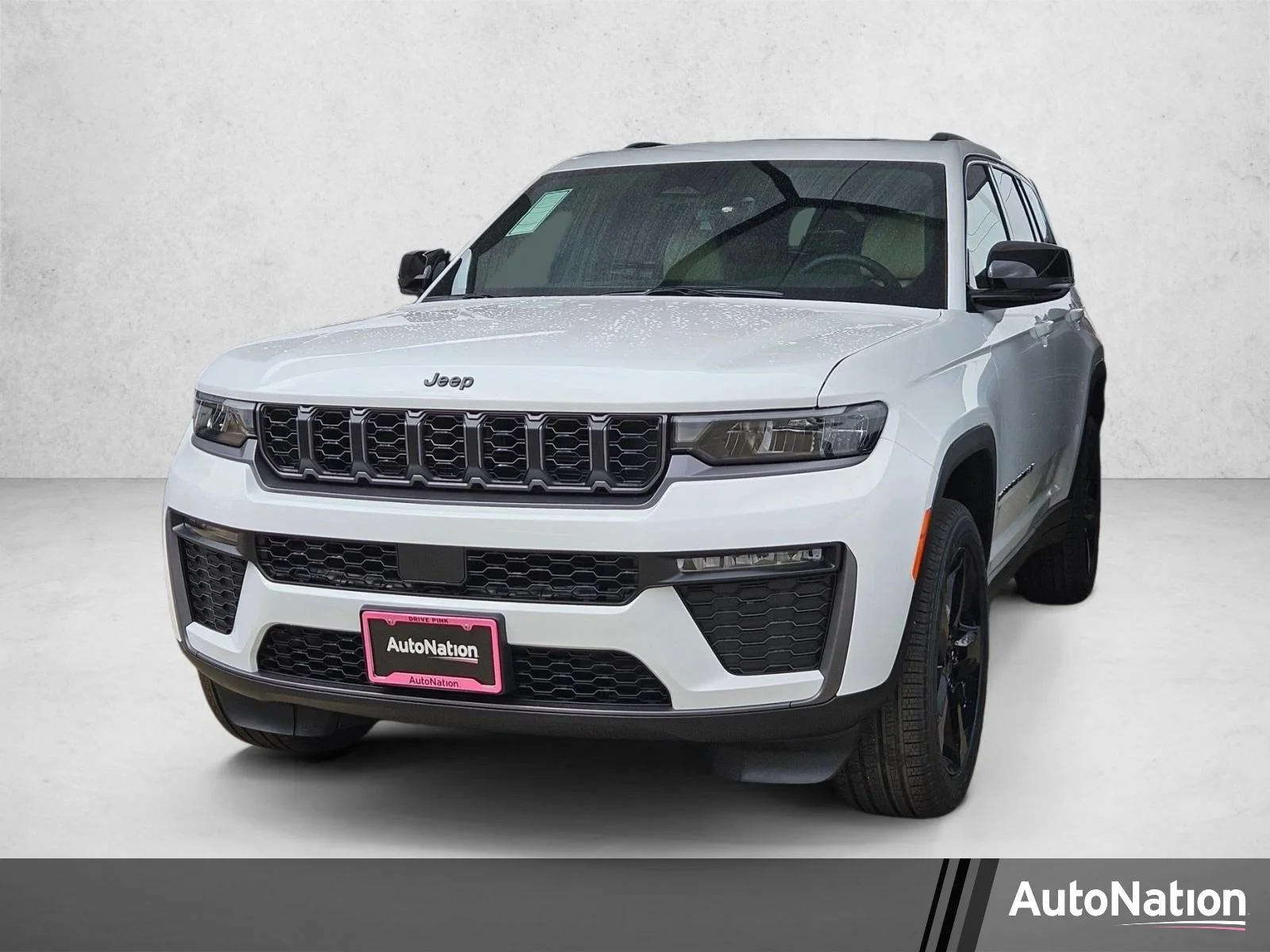
To help you understand how the Grand Cherokee stands out, here’s a quick comparison with similar SUVs:
| Feature | Jeep Grand Cherokee | Toyota 4Runner | Ford Explorer |
|---|---|---|---|
| Off-Road Ability | Excellent | Very Good | Good |
| Interior Comfort | High | Moderate | High |
| Tech Features | Advanced | Basic | Advanced |
| Fuel Economy | Average | Low | Good |
Common Mistakes To Avoid
Many new drivers make simple errors with a Grand Cherokee:
- Ignoring drive modes: Using “Auto” in tough conditions can reduce traction. Choose the right mode for the road.
- Overloading: The Grand Cherokee has a high towing capacity, but exceeding limits stresses the engine and brakes.
- Neglecting maintenance: Skipping oil changes or tire checks can cause expensive damage.
- Misusing 4WD: Only use 4WD Low when needed. Using it on dry pavement can harm the drivetrain.

Practical Tips For New Drivers
- Practice parking in an empty lot to understand the SUV’s size.
- Use the hill descent control for steep slopes instead of riding the brakes.
- Keep an emergency kit in the trunk—Jeep is built for adventure, but it’s best to be prepared.
Frequently Asked Questions
How Do I Use The Grand Cherokee’s 4wd System?
Select the desired mode using the dial near the gear selector. For everyday driving, use “Auto.
” Switch to “4WD Low” for mud, sand, or steep terrain. Don’t use 4WD Low on dry pavement.
What Is The Towing Capacity?
Depending on the engine, the Grand Cherokee can tow between 3,500 and 7,200 pounds. Check your owner’s manual for the exact rating of your model.
How Often Should I Service My Grand Cherokee?
Follow the schedule in your manual, usually every 5,000 to 7,500 miles. Regular oil changes, tire rotations, and brake checks keep your Jeep running smoothly.
Is The Grand Cherokee Safe For New Drivers?
Yes, it offers advanced safety features like blind spot monitoring, lane assist, and adaptive cruise control. Always drive carefully, especially when learning the SUV’s size.
Where Can I Learn More About Driving Jeep Vehicles?
Visit the official Jeep Grand Cherokee page for more details, owner resources, and driving tips.
Driving a Jeep Grand Cherokee is both enjoyable and practical. With its advanced features and strong design, it’s ready for city roads and rugged trails.
Take time to learn its systems, practice driving in safe areas, and keep up with maintenance.
With the right approach, your Grand Cherokee will deliver many safe and memorable journeys.