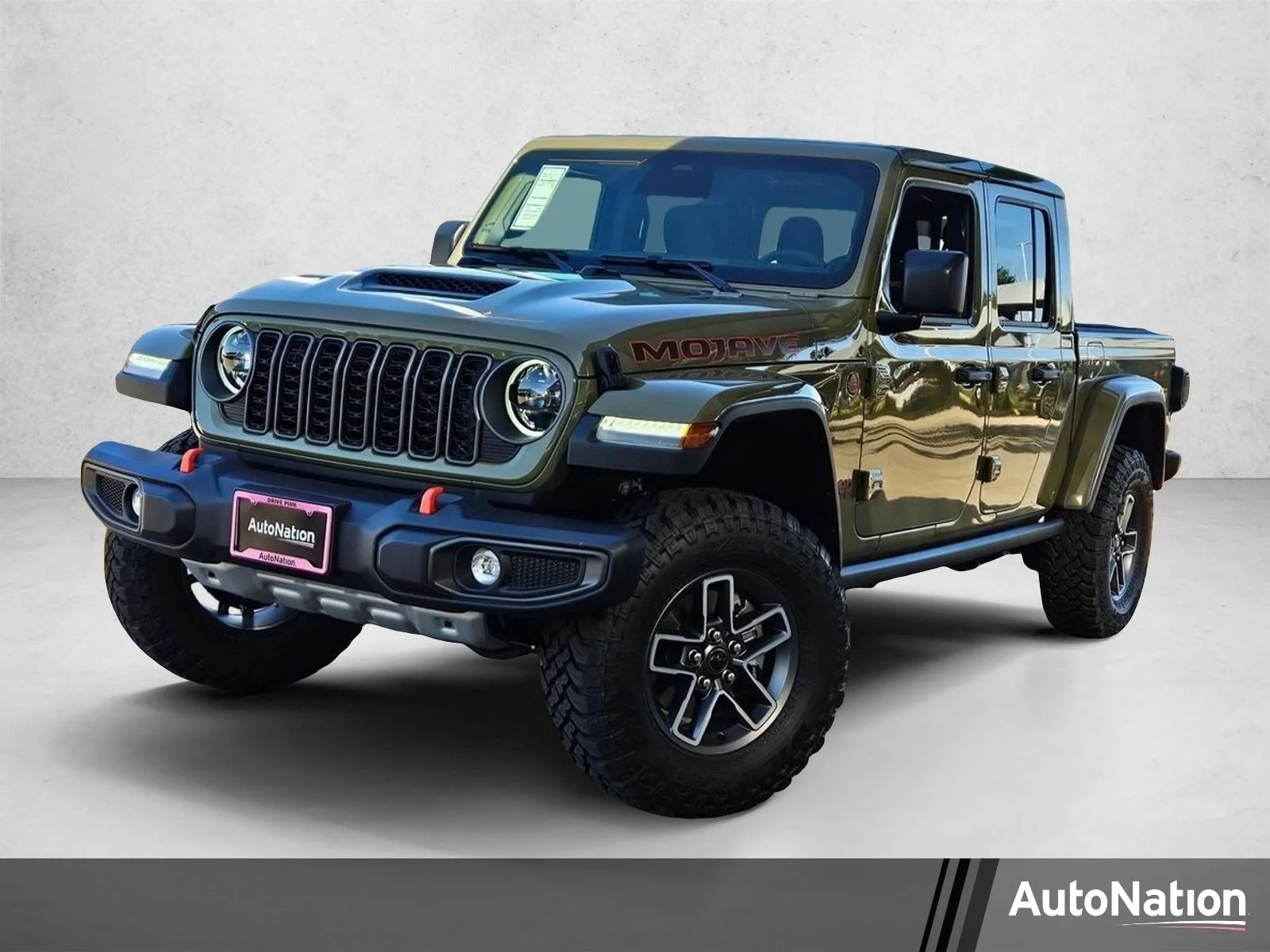
Driving the Jeep Gladiator is an adventure that mixes rugged capability with everyday comfort. Whether you’re new to trucks or just switching from another vehicle, the Gladiator’s unique features and handling style demand a bit of learning. This guide will help you drive confidently, avoid common mistakes, and unlock the best experience from your Gladiator.
Getting Ready: Know Your Jeep Gladiator
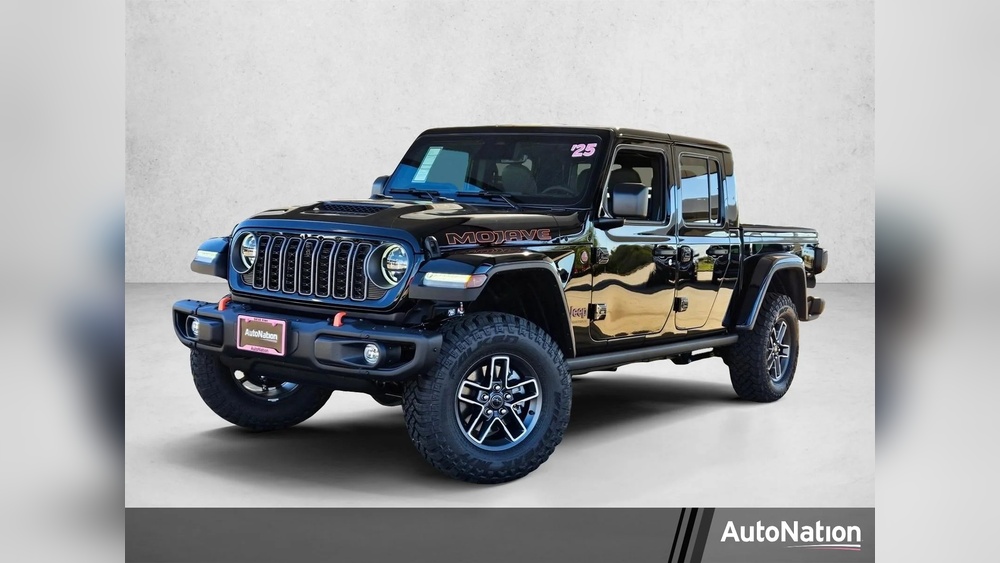
Before you drive, take time to understand your vehicle. The Gladiator is a mid-size pickup that combines the classic Jeep Wrangler look with a powerful bed and towing ability. Its ground clearance, 4×4 system, and off-road features make it very different from regular cars.
Here’s a quick comparison between the Gladiator and a standard sedan:
| Feature | Jeep Gladiator | Standard Sedan |
|---|---|---|
| Ground Clearance | Up to 11.1 inches | 5-6 inches |
| Towing Capacity | Up to 7,700 lbs | 1,000-1,500 lbs |
| Drive Type | 4WD | 2WD |
| Turning Radius | Large (20.8 ft) | Small (16-18 ft) |
The Gladiator’s size and height mean you must adjust your driving style, especially when parking or turning.
Starting And Adjusting Your Gladiator
- Enter and adjust: Use the grab handles to climb in safely. Adjust your seat for good visibility. The higher driving position helps you see the road better.
- Mirrors and controls: Set mirrors to cover blind spots. Check the touchscreen for essential controls like climate and navigation.
- Starting the engine: Press the brake and push the start button. The Gladiator’s engine is usually either a 3.6L V6 or a 3.0L diesel, both with strong torque.
Pay attention to warning lights. If you see a tire pressure warning, check it before driving.
Gladiators need higher tire pressure than regular cars, especially for off-road trips.
Driving: City, Highway, And Off-road
City Driving
The Gladiator is wider and taller than most cars. Keep these tips in mind:
- Keep distance: The Gladiator’s stopping distance is longer. Leave extra space.
- Watch turning radius: You’ll need more room to make turns.
- Parking: Use backup camera and sensors. Practice parallel parking in a safe area before city driving.
Highway Driving
The Gladiator is stable at speed but feels different from low sedans:
- Wind noise: Expect more wind and road noise due to the upright design.
- Acceleration: The Gladiator accelerates slower than smaller cars. Plan lane changes early.
- Fuel economy: Average is about 17 mpg city, 22 mpg highway. Compare to sedans (25-30 mpg).
Here’s a fuel economy comparison:
| Vehicle | City MPG | Highway MPG |
|---|---|---|
| Jeep Gladiator V6 | 17 | 22 |
| Ford F-150 | 20 | 26 |
| Toyota Camry | 29 | 41 |
Off-road Driving
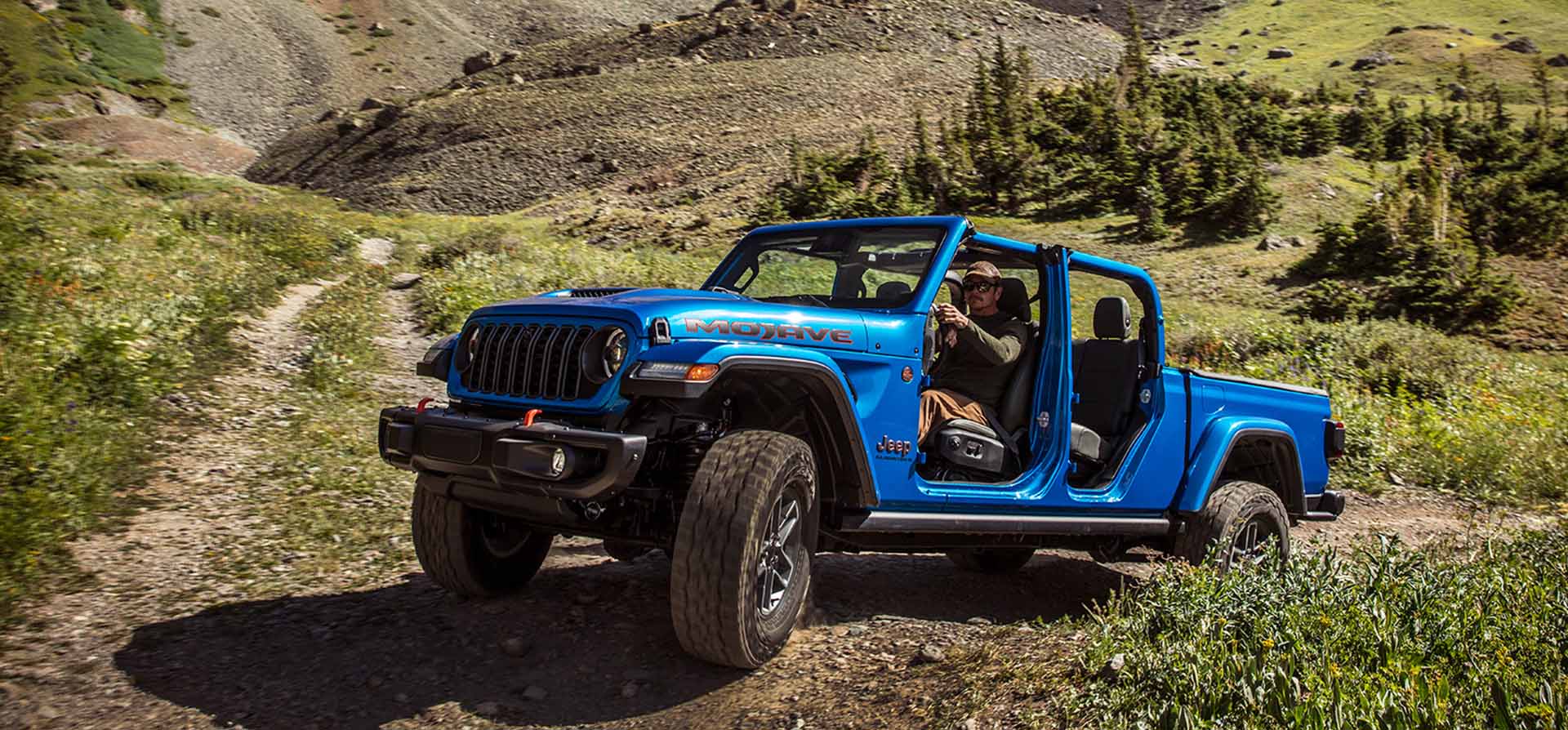
The Gladiator shines off-road, but only if you use its features correctly:
- Engage 4WD: Switch to 4WD for mud, sand, or snow. Don’t use 4WD on dry pavement—it can damage the drivetrain.
- Use low gear: For steep hills or tough trails, shift to 4WD Low.
- Approach and departure angles: The Gladiator’s angles let you climb over obstacles. Know the limits: approach (43.4°), departure (26°).
- Go slow: Speed kills off-road. Move slowly and watch for rocks or deep holes.
A common mistake is forgetting to switch back to 2WD after off-roading. This causes extra wear and lower fuel economy.
Handling And Safety Features
The Gladiator has modern safety features like blind spot monitoring, adaptive cruise control, and traction control. Learn how to use them:
- Blind spot monitoring alerts you if cars are in your blind spot.
- Adaptive cruise helps keep safe distance on highways.
- Traction control prevents wheel spin in slippery conditions.
Always check the manual for details. Some features may work differently than other brands.
Towing And Hauling
One reason people buy the Gladiator is its towing power. To tow safely:
- Check capacity: Max towing is 7,700 lbs. Never exceed this.
- Distribute weight: Place heavier items toward the front of the bed.
- Use trailer brakes: For heavy trailers, use electric brakes.
- Check connections: Double-check hitch and wiring before driving.
Here’s a quick look at towing capacities:
| Model | Max Towing (lbs) |
|---|---|
| Jeep Gladiator | 7,700 |
| Chevy Colorado | 7,000 |
| Honda Ridgeline | 5,000 |
A non-obvious tip: When carrying long items, use the bed’s tie-downs and the tailgate’s three-position system. This keeps cargo stable and prevents damage.
Maintenance And Care
Regular checks help your Gladiator last longer:
- Tire checks: Inspect tread and pressure monthly.
- Fluid levels: Check oil, coolant, brake fluid.
- Wash after off-road: Mud and sand can damage parts if not cleaned.
Change oil every 5,000-7,500 miles depending on engine type. For diesel, follow the stricter intervals.

Practical Tips For Beginners
- Practice in open spaces: Before city driving, practice turns and parking in a large lot.
- Learn the controls: Gladiator controls are different from sedans. Spend time with the manual.
- Don’t rush upgrades: Wait before adding accessories like lift kits or oversized tires. They can change handling and need experience.
A surprising insight: Gladiators handle better with moderate tire pressure. Over-inflating for highway use can make the ride harsh and reduce grip.
For more advanced information, visit the official Jeep Gladiator site.
Frequently Asked Questions
How Do I Shift Between 2wd And 4wd In The Gladiator?
Stop the vehicle and shift into neutral. Move the lever smoothly into 4WD.
For 4WD Low, drive under 3 mph and shift while stopped. Never force the lever.
What’s The Best Tire Pressure For City Driving?
For most Gladiators, 35 psi is ideal. Check your door sticker for exact numbers.
Lower pressure is better off-road but not for highways.
Can I Use The Gladiator For Daily Commuting?
Yes, but expect higher fuel costs and more parking challenges. Its comfort and tech features make it suitable, but it’s bigger than most cars.
How Do I Use The Gladiator’s Towing Features Safely?
Read the manual, check trailer brakes, and never tow above the rated limit. Practice towing in open areas before driving on highways.
What’s The Difference Between Gladiator And Wrangler For Driving?
The Gladiator has a longer wheelbase, so it feels more stable but less nimble. The bed and towing features make it better for hauling, but parking is harder.
Driving a Jeep Gladiator is a rewarding experience if you understand its strengths and limits. By learning the controls, practicing safe habits, and using the right features, you’ll enjoy both adventure and comfort. Whether you’re exploring trails or just commuting, the Gladiator offers a unique mix of capability and fun.