Driving a 4X4 Jeep Wrangler is more than just steering and pressing pedals. It’s about mastering control, understanding the vehicle’s strengths, and using its off-road capabilities safely. Whether you’re planning to hit rocky trails or snowy roads, knowing how to drive your Jeep Wrangler in 4X4 mode is essential. This guide will help you learn the basics, avoid common mistakes, and give you the confidence to tackle challenging terrains.
Understanding 4×4 Jeep Wrangler Modes
The Jeep Wrangler offers different 4X4 modes to handle various driving conditions. Knowing when and how to use each mode will help you stay safe and maximize performance.
1. 2h (two-wheel Drive High)
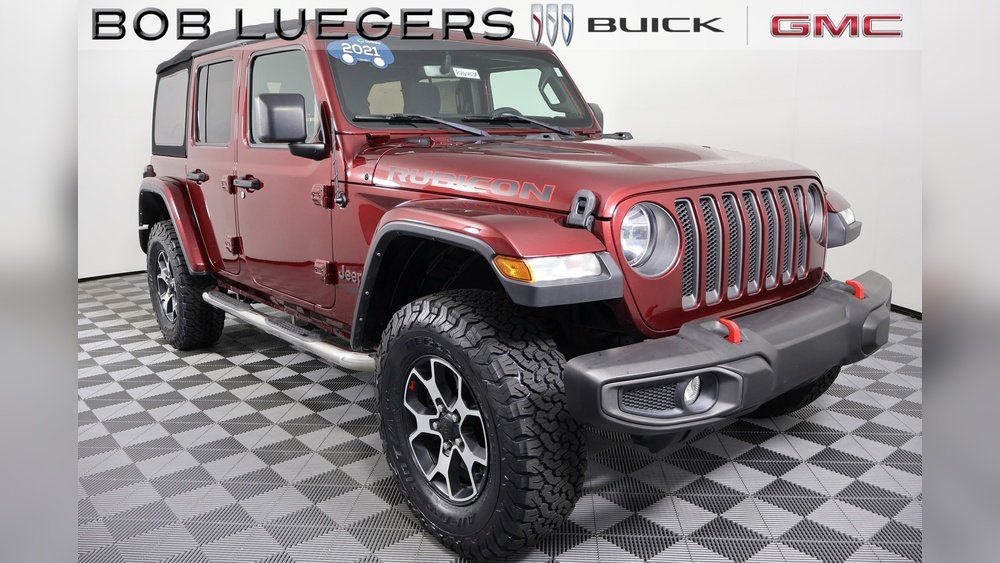
2H is the standard mode for everyday driving. In this mode, only the rear wheels receive power.
- Best for: Dry pavement and normal roads
- Fuel efficiency: Highest among modes
2. 4h (four-wheel Drive High)
4H sends power to all four wheels. This mode is ideal for situations where you need extra traction, like mud, snow, or gravel.
- Best for: Light off-roading, slippery roads
- Speed: Can be used up to 55 mph
3. 4l (four-wheel Drive Low)
4L provides maximum torque and power at lower speeds. It’s made for tough conditions like steep hills, deep mud, or rocky terrain.
- Best for: Heavy off-roading, slow movement
- Speed: Use below 25 mph
4. Neutral (n)
Neutral disconnects the drivetrain from the wheels. Use this mode only when towing your Jeep Wrangler.
- Best for: Towing
- Warning: Never drive in Neutral
Here’s a comparison of the main modes:
| Mode | Traction | Speed Limit | Typical Use |
|---|---|---|---|
| 2H | Low | Up to 70 mph | Normal roads |
| 4H | Medium | Up to 55 mph | Snow, mud |
| 4L | High | Below 25 mph | Rocky terrain |
| Neutral | N/A | N/A | Towing only |
How To Shift Between 4×4 Modes
Switching between modes is simple, but timing and technique matter.
- From 2H to 4H: Slow down to under 55 mph. Shift the lever smoothly—no need to stop.
- From 4H to 4L: Stop the vehicle, shift to Neutral, then move the lever to 4L. Wait until you feel the change.
- Back to 2H: Shift back when the road is clear and dry.
Never force the lever. If it’s stuck, gently move the vehicle forward and try again.
For automatic transmissions, always follow the manufacturer’s instructions.
Here’s a comparison of shifting requirements:
| Mode Change | Vehicle Speed | Transmission Position |
|---|---|---|
| 2H to 4H | Under 55 mph | Drive |
| 4H to 4L | Stop | Neutral |
| 4L to 2H | Stop | Neutral |
Tips For Driving Your Jeep Wrangler In 4×4
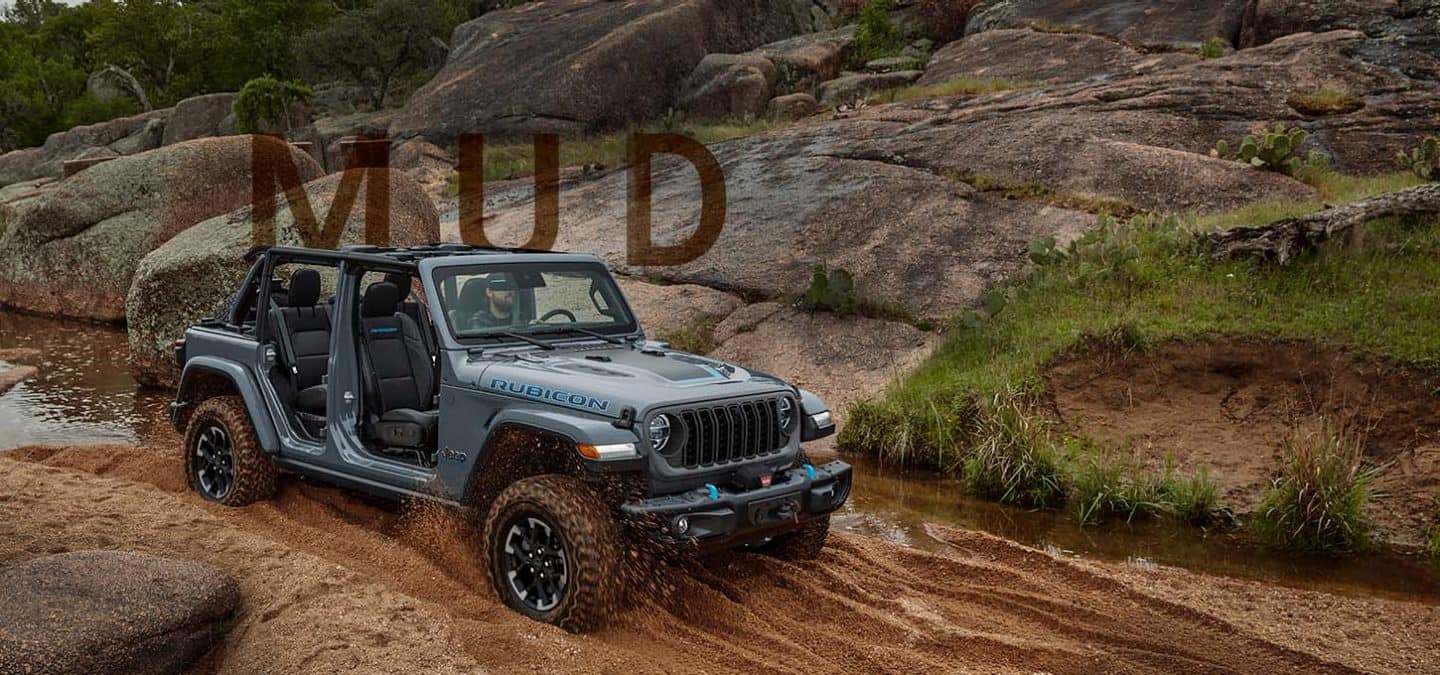
Driving a 4X4 Jeep Wrangler is different from regular cars. Here are practical tips for safe and efficient driving:
- Go slow: Off-road, speed is not your friend. Keep it under 25 mph in 4L.
- Avoid sudden moves: Sharp turns or quick stops can damage your drivetrain.
- Know your limits: Jeep Wranglers can handle tough terrain, but don’t push too hard.
- Use low tire pressure: For sand or rocks, reduce tire pressure to improve grip.
- Watch for obstacles: Rocks, roots, and mud can cause damage if you’re not careful.
A non-obvious tip: Always check the weather and trail conditions before you go. Wet or icy trails can make even simple routes dangerous.
Common Mistakes To Avoid
Many beginners make errors that can lead to expensive repairs or unsafe situations. Avoid these mistakes:
- Using 4H on dry pavement: This stresses the drivetrain and can cause binding.
- Switching modes at high speed: Only shift when you’re at the recommended speed.
- Ignoring tire pressure: Proper tire pressure improves traction and protects the tires.
- Driving in Neutral: Never drive in Neutral; it’s only for towing.
- Overloading the Jeep: Carrying too much weight affects handling and safety.
Another insight: Don’t forget to check under your Jeep for stuck debris after off-roading. Rocks and mud can damage important parts.

Real-world Example: Off-roading Adventure
Imagine you’re driving your Jeep Wrangler up a steep rocky hill. You shift from 2H to 4L, keeping your speed below 25 mph. You steer slowly and avoid sudden stops. Tire pressure is reduced to 18 psi for better grip. You reach the top safely, using every feature of your 4X4 system.
According to the US National Park Service, off-road driving should always follow local rules to protect the environment and your vehicle. You can find more details at National Park Service.
Frequently Asked Questions
What Is The Main Difference Between 4h And 4l?
4H gives extra traction at normal speeds, while 4L provides maximum power and torque for tough terrain at low speeds. Use 4H for slippery roads; use 4L for rocky hills or deep mud.
Can I Switch To 4×4 While Driving?
Yes, you can shift from 2H to 4H while moving (under 55 mph). For 4H to 4L, stop the Jeep and shift to Neutral first.
How Do I Know When To Use 4×4 Modes?
Use 2H for dry roads, 4H for snow or mud, and 4L for steep, rough, or slow off-road sections. If you’re unsure, start with 4H and switch to 4L if needed.
What Tire Pressure Is Best For Off-roading?
Lowering tire pressure to 15–20 psi increases grip on sand, rocks, or mud. Always reinflate tires before returning to normal roads.
Is Driving In 4×4 Mode Bad For My Jeep Wrangler?
No, as long as you use the right mode for the right conditions and follow recommended speeds. Driving in 4H on dry pavement can cause wear.
Learning to drive a 4X4 Jeep Wrangler opens up a world of adventure. With the right knowledge and careful practice, you’ll enjoy safe and exciting trips on any terrain. Always respect your Jeep’s limits and the environment, and you’ll be ready for whatever the trail brings.