Drawing a Jeep is more than sketching a boxy car it’s about capturing its rugged look and feeling the adventure it represents.
Whether you are an aspiring artist or a Jeep owner wanting to immortalize your ride, learning to draw a Jeep can be rewarding.
This article breaks down clear steps, shares practical tips, and brings real owner insights to help you create a detailed, authentic Jeep drawing.
By understanding key design elements, following step-by-step instructions, and adding personal touches, you can bring your Jeep drawing to life, even if you are just starting out.
Understanding Jeep Design Basics
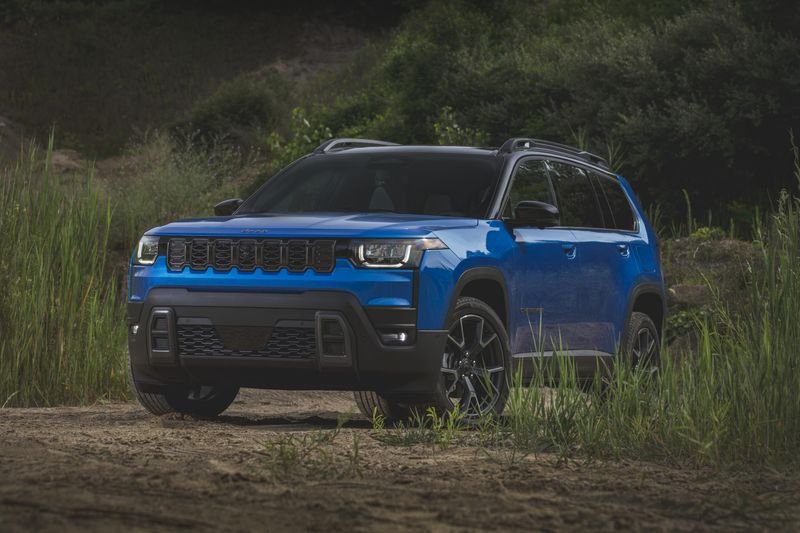
Jeeps have a distinct appearance. The seven-slot grille, round headlights, and flat fenders set them apart from other vehicles. Knowing these features is key before you start drawing. These iconic parts are not just for style—they hint at the Jeep’s history and purpose. For example, the grille design is a signature, instantly telling people, “This is a Jeep.” Flat fenders and a boxy body make it ready for tough terrain.
| Jeep Feature | Common Shape | Why It Matters |
|---|---|---|
| Grille | Rectangular with vertical slots | Signature look |
| Headlights | Perfect circles | Easy to spot, adds character |
| Fenders | Flat, boxy | Shows off off-road capability |
| Body | Boxy, robust | Conveys strength |
Jeep owners often mention that these small details are what make their vehicle stand out. So, pay extra attention to them.
For example, some owners highlight the way the grille “smiles” and the headlights give a friendly but tough face.
Even tiny features like hood latches or the shape of mirrors help your drawing feel true to life. Beginners often forget the simple lines that define the windshield or the roof, but these lines are important for capturing the Jeep’s overall style.
Step-by-step Guide: Drawing Your Jeep
To make the process simple, break it down into manageable steps. Each step builds on the previous one, so don’t rush take your time with each part.
1. Sketch Basic Shapes
Start with rectangles and circles for the body, wheels, grille, and headlights. Use light pencil strokes.
Think of this as building a skeleton for your Jeep. The main rectangle shows the body, smaller circles mark the wheels.
2. Outline Main Features
Focus on the grille, headlights, and fenders. Draw the grille slots and round headlights carefully.
These details are what make your Jeep recognizable. For the fenders, sketch them as extended rectangles or curves depending on the model.
3. Add Details
Sketch the door hinges, mirrors, tire treads, and bumpers. These details make your Jeep look realistic.
Try adding small bolts or screws on the bumper, and lines on the side mirrors. Don’t forget the spare tire on the back if you draw a Wrangler.
4. Refine Lines
Go over your sketch with a darker pencil or pen. Clean up rough edges and define the shapes.
Erase extra lines, sharpen the corners, and make sure the wheels look round and solid. This stage gives your drawing a clean, finished look.
5. Shade And Color
Add shading to show depth. Use dark tones under the fenders and tires. If you color, stick with classic Jeep colors like black, olive green, or red. Shade the windows lightly to hint at reflection, and darken under the Jeep for shadow.
Here’s a quick comparison of common Jeep models for drawing inspiration:
| Model | Grille Style | Fender Shape | Body Type |
|---|---|---|---|
| Wrangler | Vertical slots | Flat | Boxy |
| Cherokee | Sleek slots | Rounded | SUV |
| Gladiator | Classic slots | Flat | Truck |
When choosing which model to draw, think about what inspires you. The Wrangler is the most iconic, but the Gladiator’s truck bed and the Cherokee’s curves offer interesting challenges.
Try sketching from different angles to learn how the shape changes.
Owner Insights: Making Your Drawing Personal
Jeep owners often personalize their vehicles, and you can bring this into your drawing. If your Jeep has a unique bumper or special roof lights, include those.
- Custom Accessories: Roof racks, winches, and aftermarket wheels are common. Add these to your sketch for extra character. For example, a roof rack can be drawn as a rectangular frame with crossbars, and a winch as a small box with a cable on the front bumper.
- License Plates and Stickers: Owners love showing off unique plates or adventure stickers. Draw these for a touch of realism. You can use simple shapes and lines to represent stickers, and add numbers or letters to the license plate.
- Off-Road Details: Mud, dust, or scratches tell a story. Light shading or pencil marks can create this effect. Try smudging your pencil gently along the tires and lower body to show dirt.
A Jeep owner shared that the front bumper and winch are the most customized parts. Including these can make your drawing stand out. If you want to show your Jeep’s personality, add items like a spare gas can, roof lights, or even a pet in the window. These details make your drawing unique.
Another non-obvious insight: The way you draw the windows can change the mood. Clear windows look clean, but dark, shaded windows hint at adventure or mystery. Owners often say their favorite view is seeing their Jeep from the front, so focus on making the grille and headlights bold.
Common Mistakes And How To Avoid Them
Many beginners miss key details or struggle with proportions. Here are some non-obvious pitfalls:
1. Ignoring Perspective
Drawing a Jeep from the side is easier, but adding a three-quarter view (part front, part side) gives depth. Use guidelines to keep proportions correct.
Draw a center line for the body and rough shapes for the wheels to help with angles.
2. Overlooking Tire Details
Jeep tires are chunky and have deep treads. Lightly sketch the tread pattern to make the wheels look rugged.
Draw zig-zag or block shapes along the tire edge.
3. Missing Shadow And Reflection
Jeeps have flat surfaces that reflect light. Add subtle highlights and shadows to capture this.
Shade under the Jeep and on the side opposite the light source.
Here’s a quick comparison of how perspective changes the look:
| View Angle | Impact | Difficulty |
|---|---|---|
| Side | Flat, simple | Easy |
| Three-Quarter | Dynamic, realistic | Medium |
| Front | Focuses on grille | Challenging |
Another mistake: forgetting to draw the ground. Even a simple shadow under the tires anchors the Jeep and makes it look like it’s really there. Beginners sometimes skip the rearview mirror or windshield wipers, but these are quick touches that add realism.
Tips For Better Jeep Drawings
- Use reference photos. Take pictures of real Jeeps or search online for different angles. Try to find images that show interesting details, like roof racks or mud splashes.
- Draw lightly first. This makes corrections easy. If you make a mistake, erase and redraw without leaving heavy marks.
- Focus on proportions. The grille should be wider than the headlights, and tires should be large compared to the body. Measure with your pencil or finger if needed.
- Experiment with textures. Use short strokes for mud or rough surfaces. Try cross-hatching for shadows or rough terrain.
- Practice drawing accessories. Roof racks, winches, and lights add personality. Start simple, then add more detail as you get comfortable.
A useful resource for Jeep images and specs is the official Jeep website: Jeep Official. You can find clear photos and even interactive views to help with your sketch.
Here’s a bonus tip: Try sketching in different environments. Drawing your Jeep parked on a mountain trail or in front of a city building can change the feeling of your art. It’s also a way to practice drawing backgrounds.
Frequently Asked Questions
How Long Does It Take To Draw A Jeep?
It depends on your skill level. For beginners, a simple sketch may take 30 60 minutes.
Detailed drawings with shading and accessories can take 2 3 hours. If you want to color or add a background, plan for more time.
What Tools Are Best For Jeep Drawings?
Start with pencils, erasers, and fine-tip pens. Colored pencils or markers are useful for adding color. Digital tools like tablets can also work well. If you use digital drawing apps, you can easily fix mistakes and experiment with colors.
Should I Use A Photo Reference?
Yes, using a photo reference helps capture accurate details and proportions. Try to use high-quality images from multiple angles. If you have your own Jeep, take pictures in daylight for the best detail.
How Can I Make My Drawing Look More Realistic?
Focus on shading, reflections, and accurate details. Draw tire treads, add highlights on the grille, and show shadows under the vehicle. The more you study real Jeeps, the more realistic your drawing will become.
Can I Draw My Own Jeep From Memory?
It’s possible, but you may miss important details. Owners often find new parts or features to draw when they use a reference or take photos.
Practice sketching from memory to improve, but use references for accuracy.
Drawing a Jeep is both an artistic challenge and a way to celebrate a beloved vehicle. With these steps, tips, and owner insights, your drawing will capture not just the look but the spirit of a Jeep.
Practice regularly, pay attention to details, and soon you’ll create sketches that stand out.
Try different angles, experiment with accessories, and always look for new ways to make your Jeep drawing unique and full of adventure.