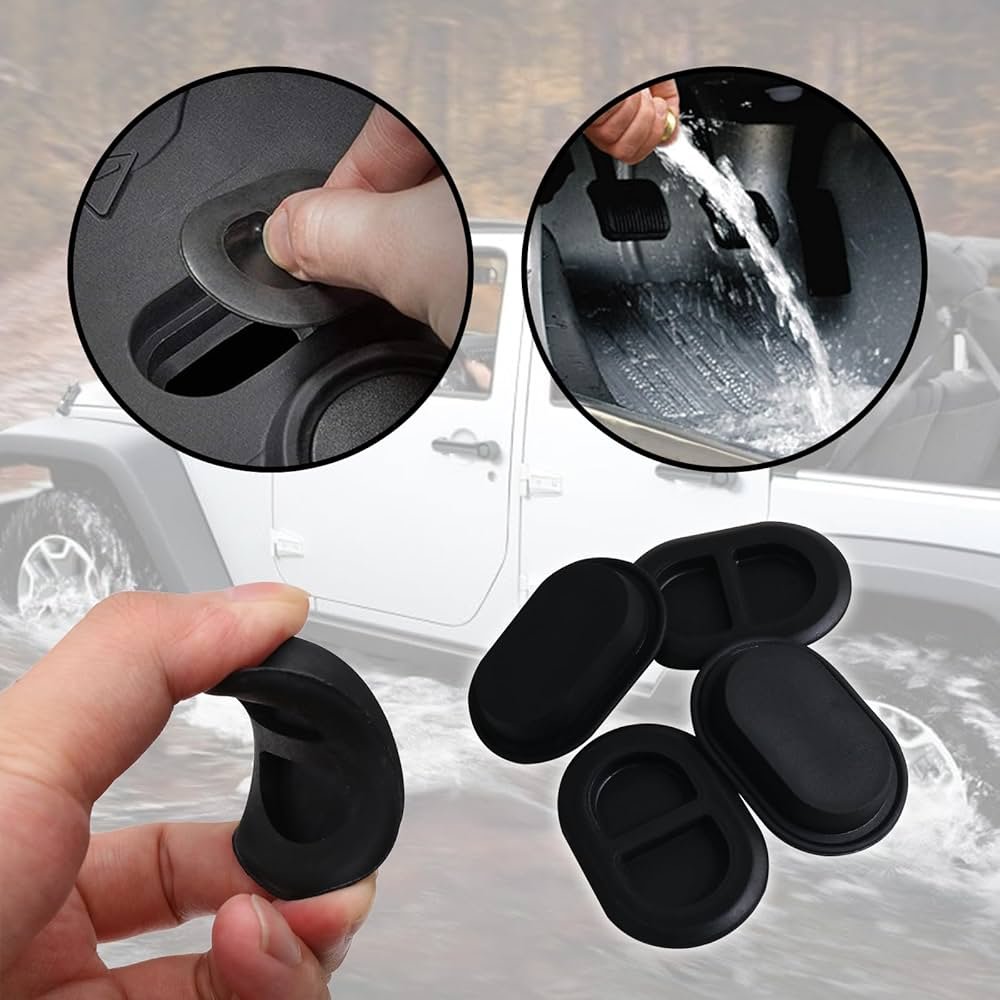
If you own a Jeep Wrangler, you know it’s built for adventure. But adventures can bring unexpected challenges, like water inside your vehicle after crossing streams, heavy rain, or even a car wash. Water finds its way in easily, especially if you love taking the top off or exploring muddy trails. If you don’t remove water quickly, it can cause smells, rust, or damage to the interior. Even a small puddle can lead to mold or ruin your electronics if ignored. Many new owners miss simple steps for draining water, leading to bigger problems over time. A little preparation and knowledge can save you hundreds of dollars later. Here’s a practical guide to help you safely and effectively drain water from your Jeep Wrangler, whether you’re dealing with a little splash or a full flood.
Why Water Gets Inside Jeep Wranglers
Jeep Wranglers are popular for their removable tops and doors. While this makes them fun and flexible, it also means water can get inside more easily. Some common ways water enters:
- Driving through deep water or mud
- Rain with the roof off or windows open
- Washing with high-pressure hoses
- Leaks from old seals or gaskets
Many owners forget that weather changes fast, and even a few minutes of rain can soak the inside if the top isn’t on. Sometimes, water sneaks in through small cracks you may not notice. Understanding these causes helps prevent future issues.
If you park your Jeep outside often, it’s smart to check the seals and close all windows before leaving it unattended.
Locating Drain Plugs
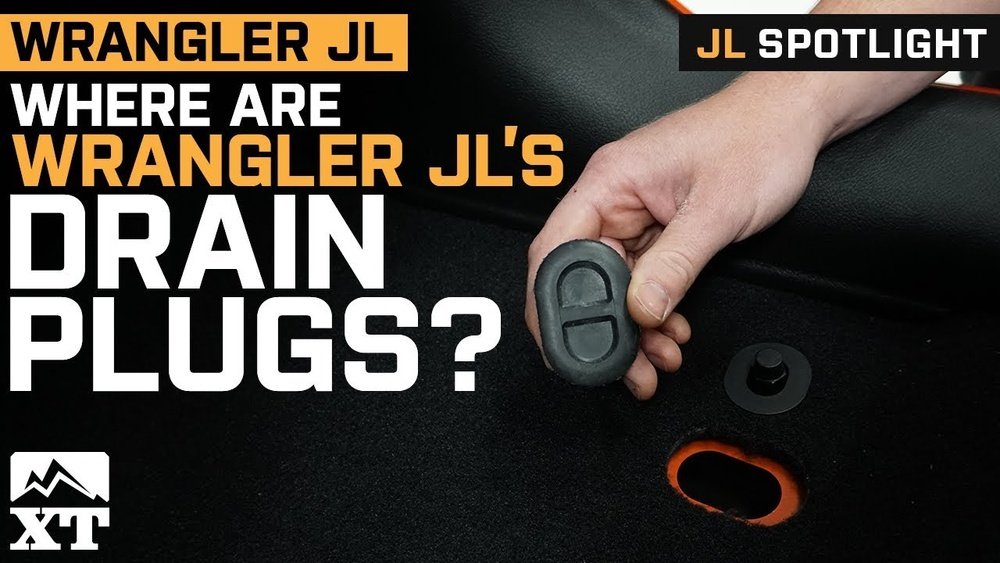
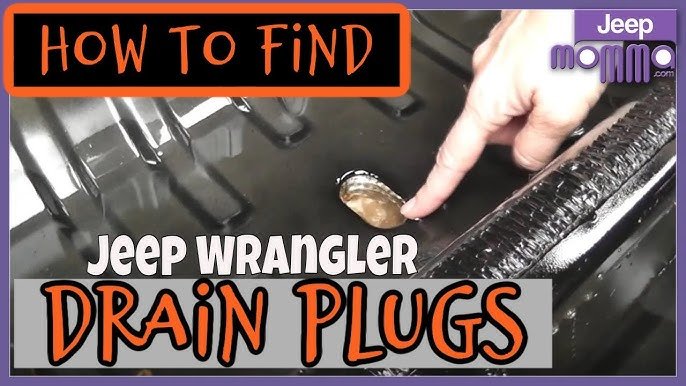
Most Jeep Wranglers have factory drain plugs in the floor. These are designed for easy water removal. However, some owners don’t know where these plugs are, which is a common beginner mistake. Here’s how to find them:
| Model Year | Drain Plug Location | Plug Type |
|---|---|---|
| 2007–2018 (JK) | Front & rear footwells | Rubber pull-out |
| 2018–present (JL) | Under driver & passenger seat | Twist-off |
| Older models | Middle of cabin floor | Metal screw-in |
Check your owner’s manual if you’re unsure. Some drain plugs are hidden under the carpet or floor mats.
On some Wranglers, you may need to lift a plastic cover or move a seat forward to see the plug. If you’re struggling to find them, a flashlight can help spot plugs, especially if the inside is dark.
Steps To Drain Water From Your Jeep Wrangler
Follow these steps to remove water efficiently:
- Move your Jeep to a flat surface. This ensures water drains evenly. If you’re on a slope, water might pool in one area and not drain out fully.
- Turn off the ignition and disconnect the battery if you have deep standing water. This prevents electrical hazards. It’s rare, but water can reach wiring under the seats, so it’s better to be safe.
- Remove floor mats and carpets. These trap moisture and slow drying. Take them outside to dry separately. Shake them out first to remove dirt before drying.
- Locate and open the drain plugs. Use your fingers or a flat tool. If plugs are stuck, gently twist or pull. Avoid using sharp objects, as you might damage the plug or floor. Sometimes, a little silicone spray can help loosen a stubborn plug.
- Let the water drain completely. You can tilt the vehicle slightly if needed, but always do it safely. For example, if you have ramps or a jack, you can raise one side a little to help water flow out, but always use caution.
- Dry the interior. Use towels to soak up remaining water. For faster drying, use a portable fan or leave doors open in a sunny area. If it’s humid outside, a dehumidifier can help speed things up.
- Clean and inspect plugs. Before reinstalling, make sure plugs are clean and free of debris. Damaged plugs should be replaced. A dirty plug can cause leaks later.
- Replace carpets and mats only when fully dry. Putting them back wet can cause mold. If you’re in a hurry, use a hair dryer on low heat to finish drying.
Many people skip drying steps, thinking draining is enough. But leftover moisture can cause lingering problems.
For example, your Jeep may smell musty, or the floor may begin to rust from underneath. Spending a few extra minutes to dry everything pays off in the long run.
Additional Tips For Preventing Water Damage
- Check seals and gaskets regularly for cracks. Replace if they are brittle or loose.
- Use waterproof seat covers for extra protection. This is especially helpful if you have cloth seats, which soak up water fast.
- Store valuables in waterproof bags if you expect heavy rain or water crossings. Even electronics like phones or GPS units should be kept safe.
- Install aftermarket drain plugs for easier access if your originals are hard to use. Some aftermarket plugs have handles or even quick-release features.
A common mistake is forgetting to clean the drain holes, which can clog over time. Use compressed air or a brush to keep them clear.
Even small leaves or mud can block the holes, trapping water inside. It’s smart to make cleaning plugs part of your regular Jeep maintenance routine.
Comparing Drain Plug Types
Jeep Wranglers use different drain plug styles. Here’s a quick comparison:
| Plug Type | Ease of Removal | Durability | Cost to Replace |
|---|---|---|---|
| Rubber pull-out | Easy | Moderate | $5–$10 |
| Twist-off | Very easy | High | $8–$12 |
| Metal screw-in | Requires tool | High | $10–$15 |
Twist-off plugs are newer and often easier for beginners. Rubber plugs can wear out faster, especially with frequent use.
Metal plugs are durable but can rust if not cleaned or dried after use. If you off-road often, consider carrying spare plugs just in case one is lost or damaged during a trip.
When To Seek Professional Help
If water returns quickly or you notice musty smells, electrical issues, or rust, you might have a hidden leak. Sometimes, seals around doors or windows need replacement. Water under the dashboard or seats can also signal bigger problems, such as clogged drainage channels. If you’re unsure, a professional inspection can save money in the long run. Experts can check for problems you might not see, like hidden rust or wiring damage.
Common Questions For Jeep Wrangler Owners
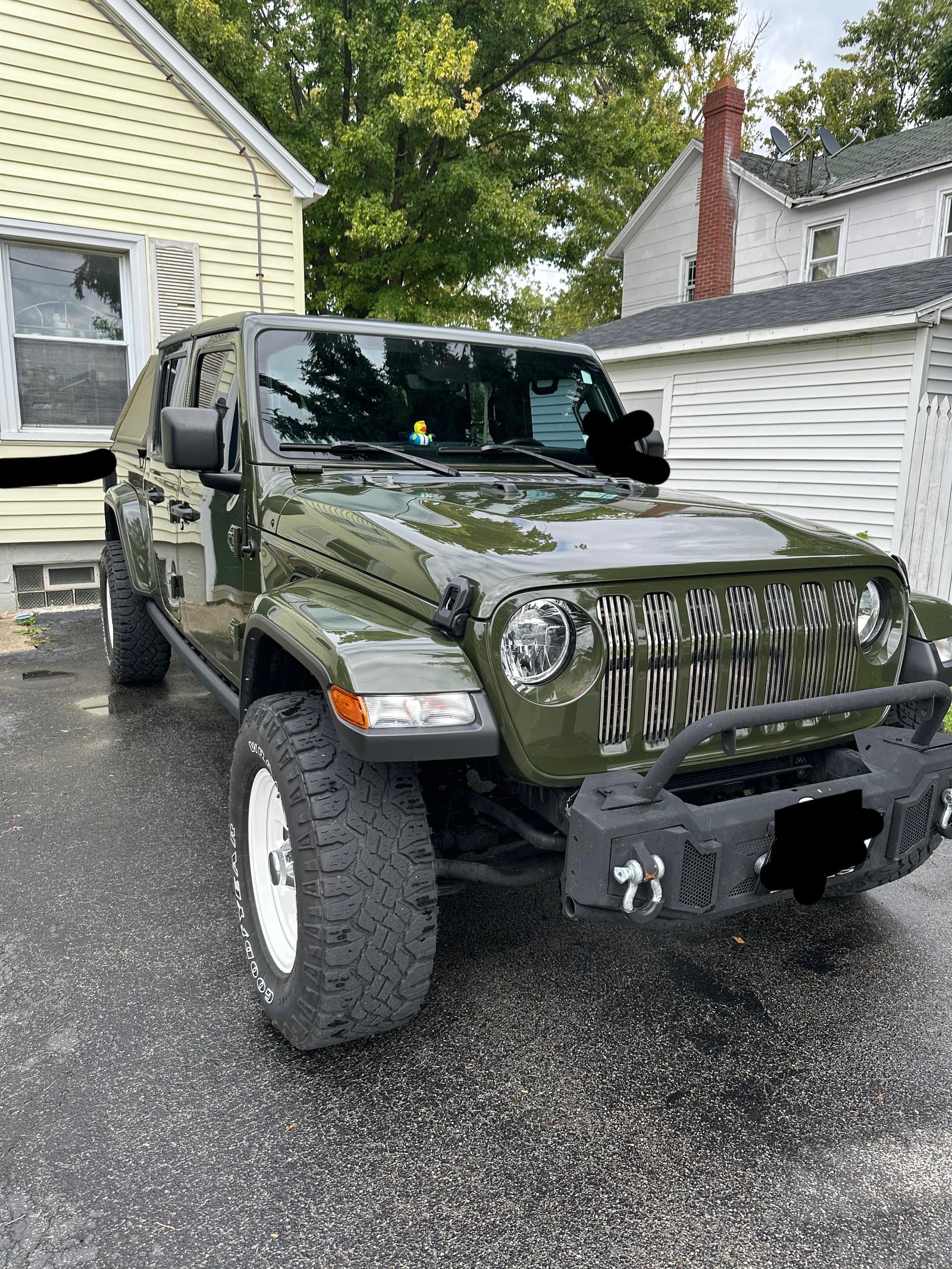
Many Jeep drivers worry about water damage, but simple steps can prevent most issues. Taking five minutes to inspect after every off-road trip can stop problems before they start. For deeper knowledge on water resistance and Jeep design, visit Wikipedia.
Frequently Asked Questions
Can I Drive With Water In My Jeep Wrangler?
Driving with water inside is risky. It can affect electrical systems, cause rust, and make the interior slippery. Always drain water before driving. Even a small amount can make the pedals or floor dangerous.
How Often Should I Check The Drain Plugs?
Check drain plugs monthly, especially after off-road trips or heavy rain. Keeping them clear prevents clogging and flooding. During autumn, leaves can block drains, so check more often.
What If The Drain Plugs Are Missing?
Missing plugs can let dirt and debris into the cabin. Order replacements from a Jeep dealer or auto store.
Without plugs, water can also enter from below during rain or puddles. If you can’t replace them right away, cover the holes temporarily with waterproof tape.
Will Draining Water Remove All Moisture?
Draining removes standing water, but some moisture stays in carpets and seats. Always dry these areas fully to avoid mold and odors.
Press down on the carpets to check for hidden dampness you might miss at first glance.
Can I Use A Shop Vacuum To Remove Water?
Yes, a shop vacuum is safe for minor flooding. For deeper water, draining through plugs is more effective. Always unplug electrical devices before vacuuming. A vacuum can also help pull moisture from seat cushions.
Taking care of your Jeep Wrangler means acting fast when water gets inside. With these steps, you’ll keep your vehicle clean, dry, and ready for the next adventure.
Remember, regular checks and simple maintenance prevent bigger problems and keep your Jeep in top shape.
A little effort now keeps your Jeep ready for anything the trail or the weather throws your way.