Jeep Wranglers are famous for off-roading and adventure. But all that fun sometimes leads to water, mud, or rain getting inside the cabin.
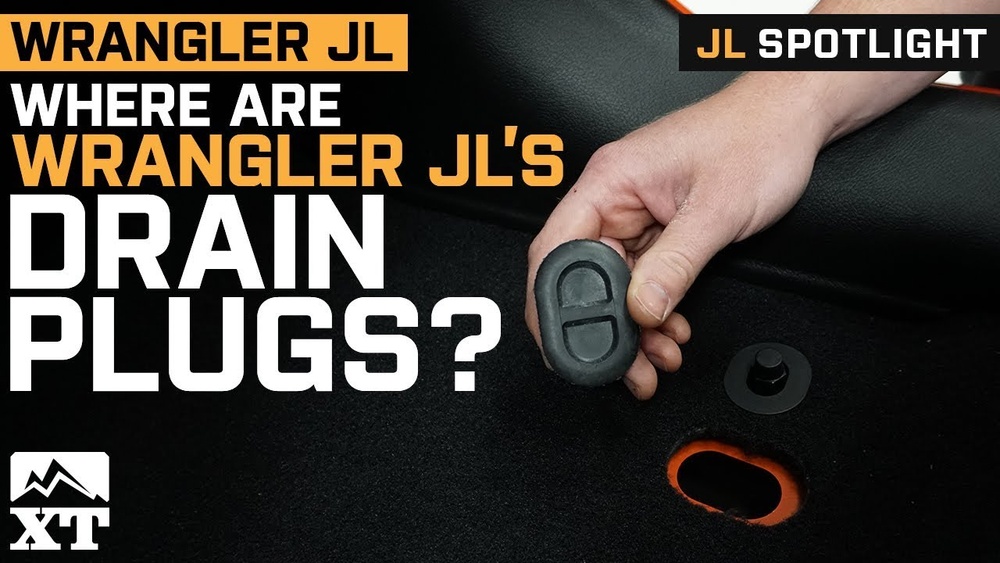
Luckily, Jeep designed the Wrangler with built-in drain plugs on the floor. Draining water from your Jeep isn’t hard, but doing it the right way keeps your vehicle clean, dry, and rust-free.
If you’re new to the process, don’t worry here’s a clear, step-by-step guide that makes draining your Jeep Wrangler floor easy and safe.
Why Drain The Jeep Wrangler Floor?
When water collects inside your Jeep, it can cause rust, mildew, and bad smells. Even small puddles can harm your Wrangler’s interior over time. Removing water quickly protects the metal floor panels and keeps things fresh. After a river crossing, heavy rain, or a messy off-road trip, draining the floor is an important part of regular care.
Tools And Materials You’ll Need
Draining your Wrangler’s floor doesn’t require any special skills. You only need a few simple items:
- A flathead screwdriver or your fingers (to remove drain plugs)
- Towels or rags for cleanup
- A soft brush (optional, for mud)
- Cleaning spray (optional, for deep cleaning)
Most Jeep models after 2007 have easy-to-use floor drain plugs. Always check your owner’s manual for details specific to your model.
Step-by-step Guide To Draining The Floor
1. Find The Drain Plugs
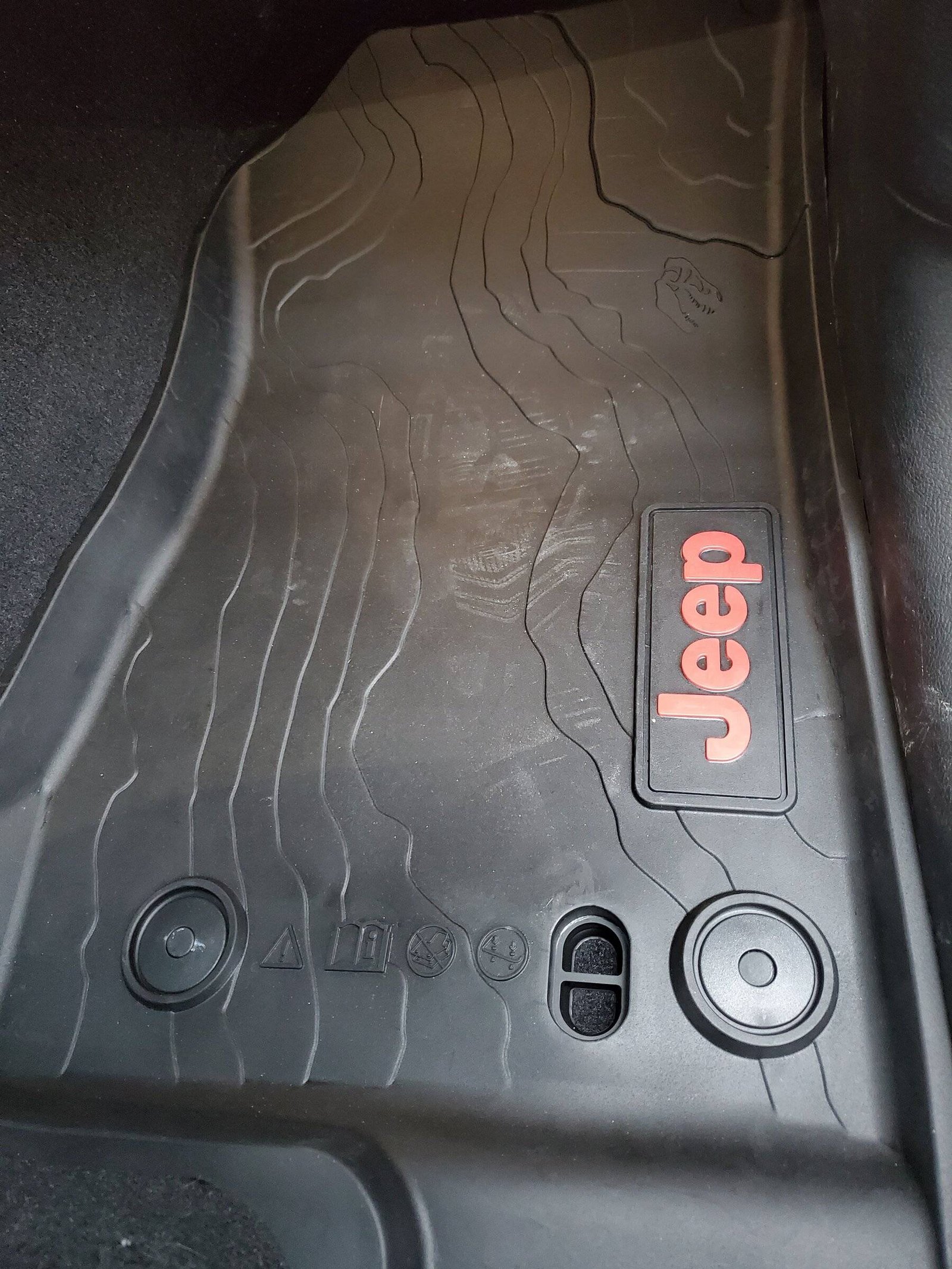
Jeep Wranglers have factory drain plugs under the carpet, usually in the front and rear footwells. In most models, you’ll see round rubber or plastic plugs.
2. Remove Carpets Or Floor Mats
Pull up any floor mats or removable carpets. This gives you direct access to the drain plugs and lets you dry the mats separately.
3. Take Out The Drain Plugs
Use your fingers or a flathead screwdriver to gently lift out the plugs. Be careful not to damage the rubber.
Some plugs twist out, while others just pull up.
4. Let The Water Drain
Tilt the Jeep slightly (if possible) by parking on a gentle slope. This helps water flow out faster.
Wait until all water has drained fully. If there’s mud, use a brush to push debris toward the holes.
5. Dry The Interior
Use towels to soak up any leftover moisture. Leave the doors open for a while, or use a fan to speed up drying.
This step prevents mildew and helps protect the floor.
6. Clean And Reinstall
Clean the plugs and holes before putting them back. Replace the drain plugs securely to keep out dust and water during future drives.
Put the carpets and mats back only when everything is dry.
Comparison: Drain Plug Placement By Jeep Wrangler Model
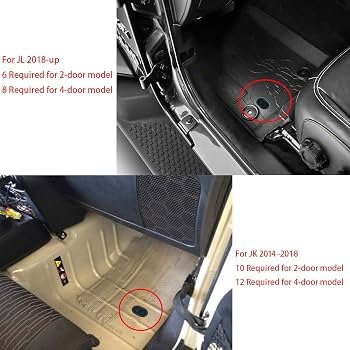
Different Wrangler generations have unique drain plug locations and numbers. Here’s a quick comparison:
| Model Year | Drain Plug Locations | Number of Plugs |
|---|---|---|
| 2007-2017 JK | Front & Rear Footwells | 4 |
| 2018-Current JL | Front & Rear Footwells | 4 |
| 1997-2006 TJ | Front Footwells Only | 2 |
Common Mistakes To Avoid
Draining your Jeep’s floor is simple, but small mistakes can lead to bigger problems:
- Forgetting to dry mats and carpets: Wet mats can grow mold even after the floor is drained.
- Not cleaning drain holes: Dirt can block the holes, making draining less effective.
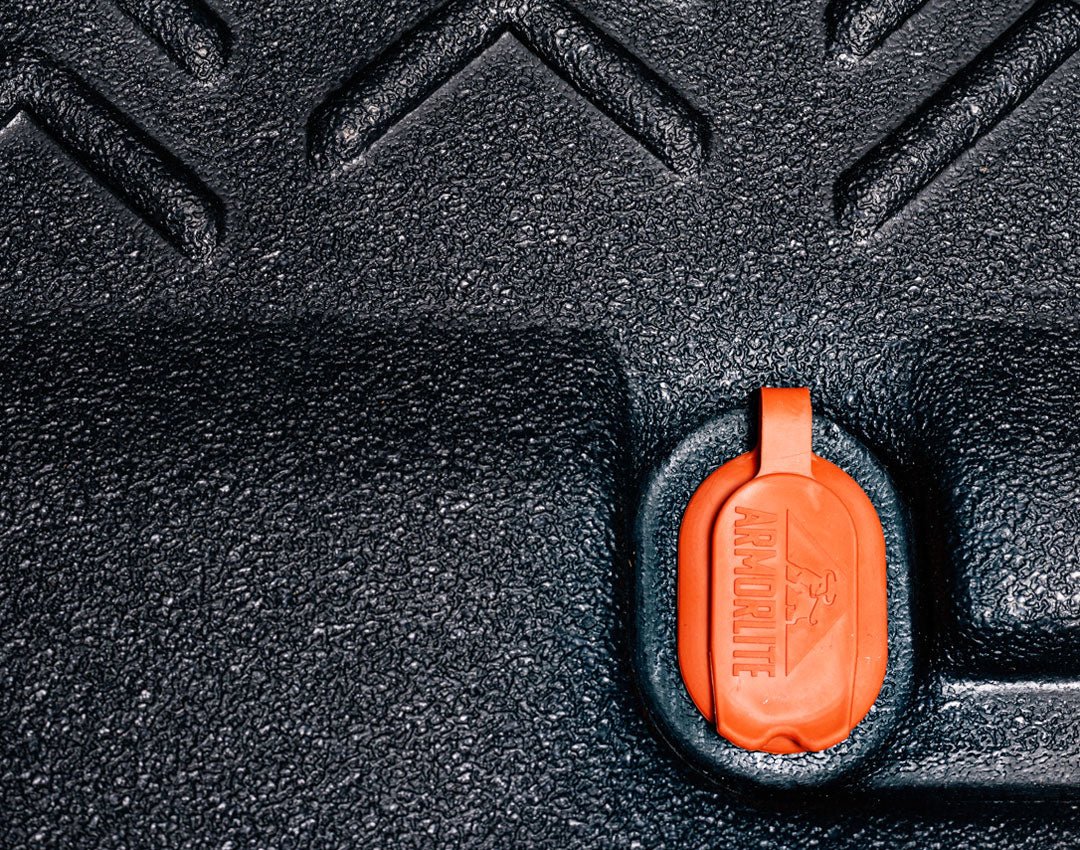
- Driving with plugs removed: Always replace the plugs before regular driving to avoid road water and debris entering the cabin.
Some owners don’t realize the importance of cleaning the plugs themselves. Dirt buildup can prevent a tight seal, which lets water leak in later.
Extra Tips For A Cleaner Jeep
- After draining, use a non-abrasive cleaner to wipe the floor for extra freshness.
- During rainy seasons, check the drain plugs every few weeks.
- If you off-road often, consider using all-weather floor mats. These are easier to remove and clean.
When Water Won’t Drain: Troubleshooting
Sometimes water stays on the floor even after removing plugs. Here are some possible reasons:
| Problem | Possible Cause | Solution |
|---|---|---|
| Standing water | Plug holes blocked | Use a stick or brush to clear blockage |
| Slow draining | Vehicle parked on level ground | Move to a slight incline |
| Water returns | Leaks from doors or windows | Inspect weather seals and repair if needed |
Rust Prevention After Draining
One overlooked step is protecting your Jeep from future rust. Water can hide in seams and under carpets, leading to rust months later. Spray a rust inhibitor on the floor panels once they’re dry, especially if you see any bare metal.
Quick Data: How Fast Does Water Damage Happen?
Research shows that mold can start growing in a wet car interior within 24-48 hours. Rust can appear on unprotected steel after just a few days of moisture. That’s why draining and drying your Jeep quickly is so important.
Frequently Asked Questions
How Often Should I Check My Jeep’s Drain Plugs?
It’s smart to check them after each off-road trip or heavy rain. If you live in a wet area, inspect the plugs once a month.
Can I Drive Without The Drain Plugs Installed?
No, you shouldn’t. Without the plugs, road water, dirt, and exhaust gases can enter the cabin. Always reinstall them before regular driving.
What If My Wrangler Doesn’t Have Drain Plugs?
Some older models may lack plugs. You can add aftermarket drain kits or carefully drill small holes, but always check for safe spots to avoid damaging wires or structure.
How Do I Prevent Musty Smells After Draining?
Dry the interior fully, clean the mats, and use a mild disinfectant spray. Leaving the doors open on a sunny day helps air everything out.
Are Drain Plugs Covered Under Warranty If Damaged?
Most drain plugs are considered wear items and may not be covered by warranty. Check your Jeep’s policy or visit the official Jeep website for details.
Draining your Jeep Wrangler’s floor is a simple task that keeps your adventure vehicle ready for anything. With the right steps and regular care, you can avoid water damage, prevent rust, and keep your Jeep’s interior in top shape.