Draining the fuel tank on a Jeep Cherokee may sound simple, but it’s a task that requires careful steps and the right knowledge. Whether you need to remove old fuel, fix a fuel pump, or prepare your Jeep for storage, knowing how to do this safely can save you time and money. Let’s walk through the process, understand why you might need to drain the tank, and review some important safety tips.
Why Drain A Jeep Cherokee Fuel Tank?
There are several reasons someone might need to drain the fuel tank:
- Contaminated fuel: Water or debris in the tank can cause engine problems.
- Fuel pump replacement: Accessing the pump often requires an empty tank.
- Vehicle storage or shipping: Some situations require a dry tank for safety.
- Switching fuel types: For example, changing from regular to premium fuel after a misfuel.
Neglecting to remove old or bad fuel can lead to clogged injectors, poor engine performance, or even permanent damage. Draining the tank is a preventive step that avoids costly repairs.
Tools And Materials Needed
Before starting, gather the necessary tools. Having the right equipment makes the job smoother and safer.
| Tool/Material | Purpose |
|---|---|
| Fuel siphon pump | Transfers fuel from tank to container |
| Jack and jack stands | Raises vehicle for undercarriage access |
| Ratchet and socket set | Removes tank straps and lines |
| Safety goggles and gloves | Protects eyes and hands from fuel |
| Approved fuel container | Stores drained gasoline safely |
Don’t forget a fire extinguisher rated for flammable liquids. Fuel is highly flammable, so never skip this step.
Draining The Fuel Tank: Step-by-step
The draining process varies depending on the Cherokee model year and whether you want to use the fuel pump or siphon manually. Below are the most common safe methods.
1. Siphoning Through The Filler Neck
Older models (pre-2007) sometimes allow for siphoning through the filler neck. Newer models often have anti-siphon valves that block this method.
Steps:
- Insert the siphon hose into the filler neck as deeply as possible.
- Place the other end in an approved fuel container.
- Squeeze the pump or start the siphoning action.
- Continue until the flow stops or the tank is empty.
Tip: If you feel resistance or the hose won’t go in deep, your vehicle likely has an anti-siphon screen. Don’t force the hose, as you may damage the neck.
2. Draining From The Fuel Line
This method is more reliable for newer models.
- Disconnect the negative battery cable to avoid sparks.
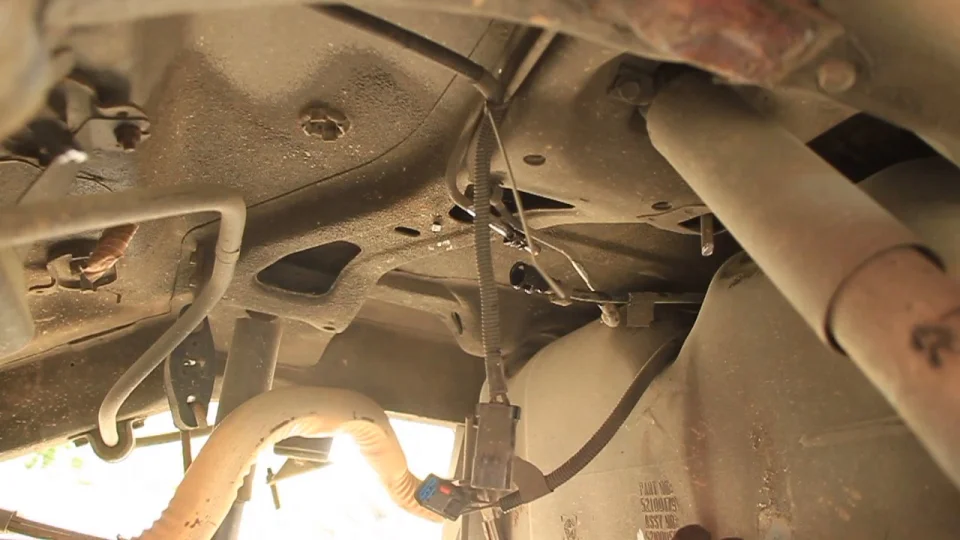
- Raise the rear of the Jeep and secure with jack stands.
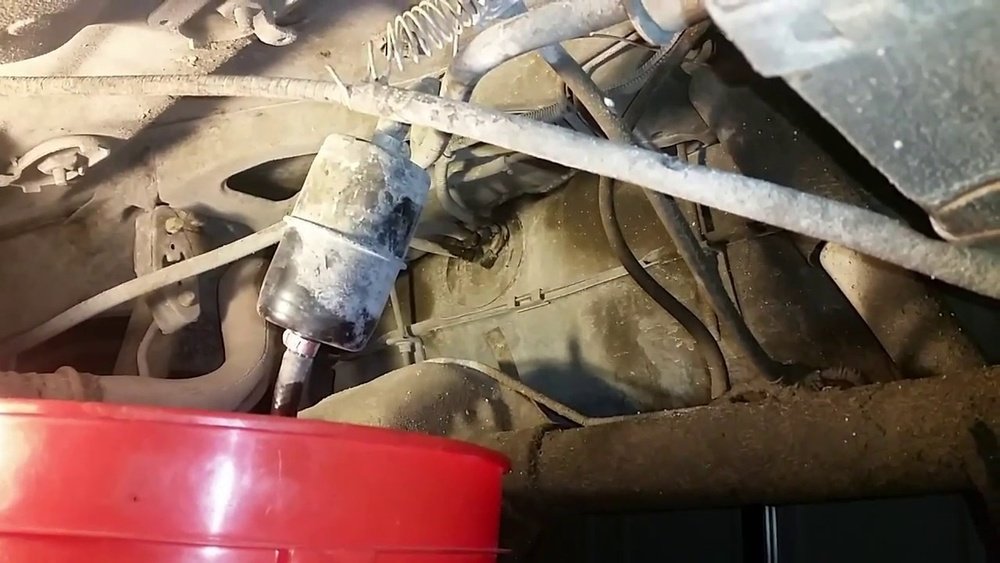
- Locate the fuel filter or fuel line under the vehicle, near the tank.
- Place a container under the line.
- Carefully disconnect the fuel line (expect some initial spillage).
- Let gravity drain the tank, or turn the key to “ON” (without starting) to run the pump for a few seconds (if system allows).
| Method | Best For | Difficulty |
|---|---|---|
| Siphoning | Older Cherokees | Easy |
| Fuel line removal | Newer Cherokees | Moderate |
| Drop the tank | Full draining or repairs | Advanced |
Important: Always relieve fuel system pressure before disconnecting any lines. Refer to your Jeep’s manual for the exact procedure.
3. Dropping The Fuel Tank
If you need the tank completely empty (for repairs or cleaning), removing it is best.
- Support the tank with a floor jack.
- Remove the fuel filler neck and vent hoses.
- Unbolt the tank straps using a socket set.
- Lower the tank slowly.
- Disconnect the fuel lines and electrical connections.
- Drain the remaining fuel by tipping the tank into a container.
This step is more complex and requires two people for safety. Tanks with more than a few gallons of fuel are very heavy.
Safety Precautions
Never overlook safety when working with fuel. Gasoline vapors can ignite easily and are harmful if inhaled.
- Work in a well-ventilated area.
- Keep all sources of ignition away: No smoking, open flames, or hot tools.
- Use only approved fuel containers and store drained fuel away from children and pets.
- Dispose of old fuel at a certified recycling center.
Pro tip: Always check for local laws about fuel disposal. Some areas have strict rules, and illegal dumping can result in fines.

Common Mistakes And How To Avoid Them
Beginners often underestimate the risks or complexity involved. Here are some frequent errors:
- Trying to siphon from a tank with an anti-siphon valve. This can damage the filler neck.
- Skipping battery disconnection. Even a small spark can ignite gasoline vapors.
- Using plastic containers not rated for fuel. These can leak or break down, causing spills.
- Not relieving system pressure. Pressurized fuel lines can spray gasoline when opened.
- Forgetting to label drained fuel. Accidentally using old or contaminated fuel can damage your engine.
Many experienced mechanics recommend taking photos of connections and lines before starting. This makes reassembly much easier and reduces the chance of mistakes.
What To Do With Drained Fuel
If the fuel is clean and fresh, you may be able to reuse it in another vehicle or equipment. However, if the fuel is old or contaminated, dispose of it safely.
Never pour gasoline down a drain, on the ground, or into the trash. Local automotive shops, recycling centers, and even fire departments can guide you on proper disposal.
For more details on safe fuel handling, see the EPA’s guide on hazardous waste.
Frequently Asked Questions
How Long Does It Take To Drain A Jeep Cherokee Fuel Tank?
It usually takes 30–60 minutes depending on the method and fuel amount. Dropping the tank can take longer, especially for beginners.
Is It Safe To Drain The Tank By Myself?
If you follow safety rules and have basic mechanical skills, it’s safe. Always work in a ventilated area, keep a fire extinguisher nearby, and don’t rush.
What Size Fuel Container Should I Use?
A 5-gallon approved fuel can is standard. You may need more than one if your tank is full (Cherokees typically hold 15-24 gallons).
Can I Drain The Tank Without Removing It?
Yes. Siphoning or draining from the fuel line lets you empty the tank without removal, but you may not get every last drop.
Will Draining The Tank Trigger A Check Engine Light?
Draining alone usually won’t trigger a light. However, if you disconnect sensors or fuel lines and don’t reconnect them properly, a warning may appear.
Draining your Jeep Cherokee fuel tank can sound intimidating, but with the right preparation and safety mindset, it’s a manageable job. Take your time, use proper tools, and always prioritize safety. If you’re unsure or the job seems too complex, consider getting help from a professional mechanic. Taking shortcuts with fuel systems isn’t worth the risk.