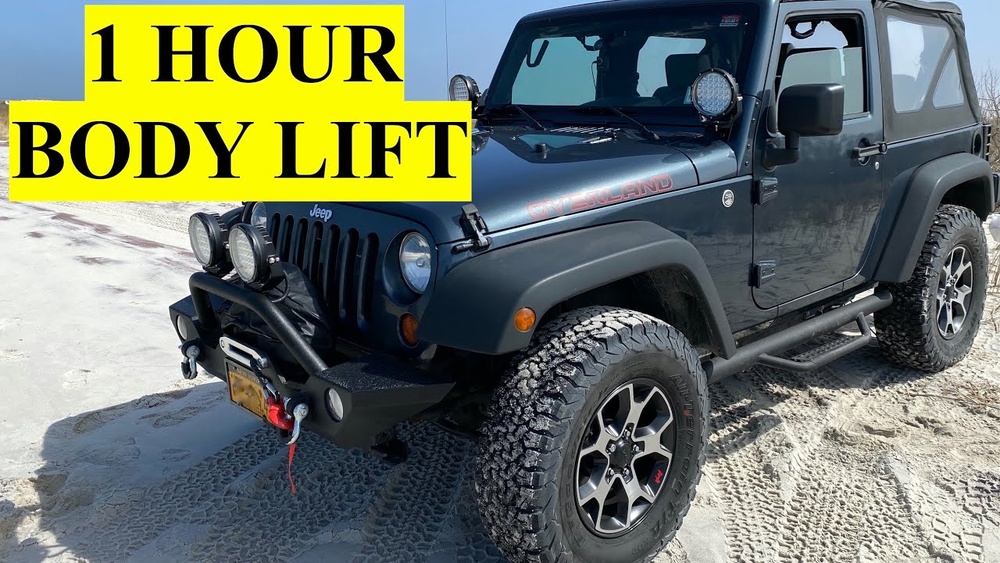
If you want your Jeep Wrangler to handle bigger tires or look more aggressive, a body lift is a popular first step. This modification raises the body from the frame using spacers, usually between 1 to 3 inches. Unlike a suspension lift, a body lift is affordable and easier for most DIYers. But you need to know the right process, tools, and risks before starting. Here’s a practical guide to help you do a body lift confidently, without missing important details.
Why Body Lift Your Jeep Wrangler?
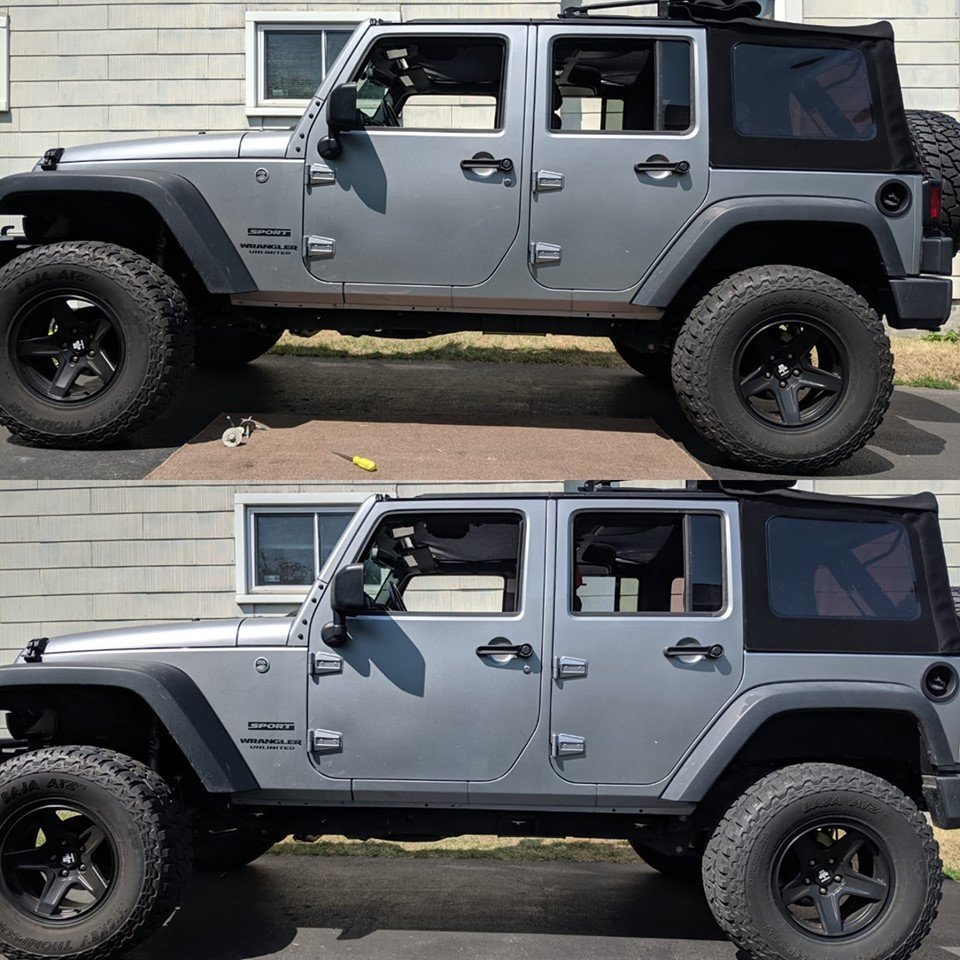
A body lift lets you fit larger tires and gives your Jeep more ground clearance. It’s cheaper than a suspension lift and doesn’t change your vehicle’s ride quality or steering geometry. Most kits cost between $100 and $300. But remember, a body lift only raises the body—not the frame or suspension—so you won’t get extra clearance under the axles.
Comparison: Body Lift Vs Suspension Lift
Here’s a quick look at the differences:
| Feature | Body Lift | Suspension Lift |
|---|---|---|
| Cost | $100–$300 | $800–$2000 |
| Difficulty | Basic tools | Advanced tools |
| Ride Quality | Unchanged | May change |
| Ground Clearance | Body only | Frame & axles |
Most Jeep owners choose a body lift as a first upgrade, before investing in more expensive suspension changes.
What You Need Before Starting
You’ll need a few basic tools and safety items to do the job right:
- Socket set (with extensions)
- Torque wrench
- Jack and jack stands
- WD-40 or penetrating oil
- Body lift kit (matched to your Wrangler’s year/model)
- Safety glasses and gloves
It’s smart to work on a flat, stable surface. For most Jeep Wrangler models, a body lift can take 3–5 hours if you’re careful.
Example: Popular Wrangler Body Lift Kits
Here’s a comparison of two common kits:
| Kit Name | Lift Height | Price | Material |
|---|---|---|---|
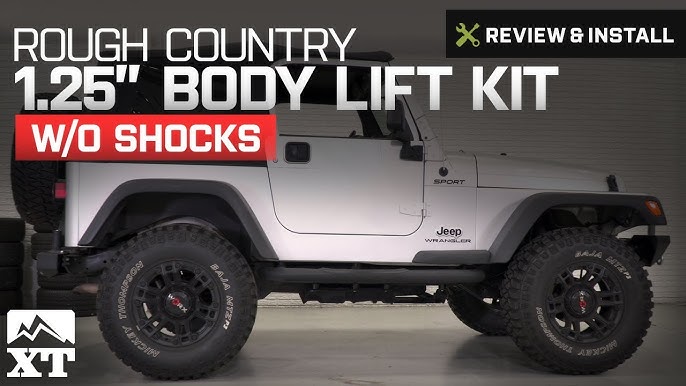
| Zone Offroad 1.25” | 1.25 inches | $120 | High-density nylon |
| Rough Country 2” | 2 inches | $190 | Polyurethane |
Make sure your kit fits your Jeep model year. Some kits include extra hardware like radiator brackets or bumper relocation pieces.
Step-by-step Body Lift Installation
Follow these steps to install your body lift safely:
- Spray all body mount bolts with penetrating oil. Let it soak for 20–30 minutes. This helps loosen rusty bolts.
- Disconnect the battery for safety.
- Jack up the Jeep and place jack stands under the frame. Make sure the Jeep is secure.
- Remove the body mount bolts on one side only (usually 6–8 bolts). Leave the other side tight.
- Carefully lift the body using the jack. Go slowly. Watch for wiring, brake lines, or hoses that may get tight.
- Insert the new spacers from the body lift kit between the frame and body.
- Lower the body and start the new, longer bolts by hand. Do not fully tighten yet.
- Repeat steps 4–7 on the opposite side.
- Tighten all bolts with a torque wrench. Follow your kit’s recommended torque specs.
- Check all connections—wiring, hoses, radiator, and shifter. Some models need extra parts like radiator drop brackets or shifter extensions.
- Reconnect the battery and test the Jeep’s lights, brakes, and shifter.
Common Mistakes To Avoid
- Don’t rush. Forgetting to check hoses can cause damage.
- Never over-tighten bolts; follow torque settings.
- Double-check for any pinched wires or brake lines before finishing.
After The Lift: What To Check
When your body lift is finished, check these points:
- Tire clearance: Make sure tires don’t rub on the body.
- Bumper alignment: Some lifts need bumper relocation brackets.
- Shifter function: Test all gears, especially on manual transmission models.
- Radiator position: If lifted too high, radiator hoses may stretch.
Drive carefully at first. Listen for any strange noises or vibrations.
If you notice problems, recheck the installation or consult a mechanic.
Example: Tire Size Change After Body Lift
A 2-inch body lift allows most Wranglers to fit 33-inch tires without rubbing. Here’s a quick comparison:
| Lift Height | Max Tire Size | Rubbing Risk |
|---|---|---|
| Stock | 31 inches | High |
| 2-inch Lift | 33 inches | Low |
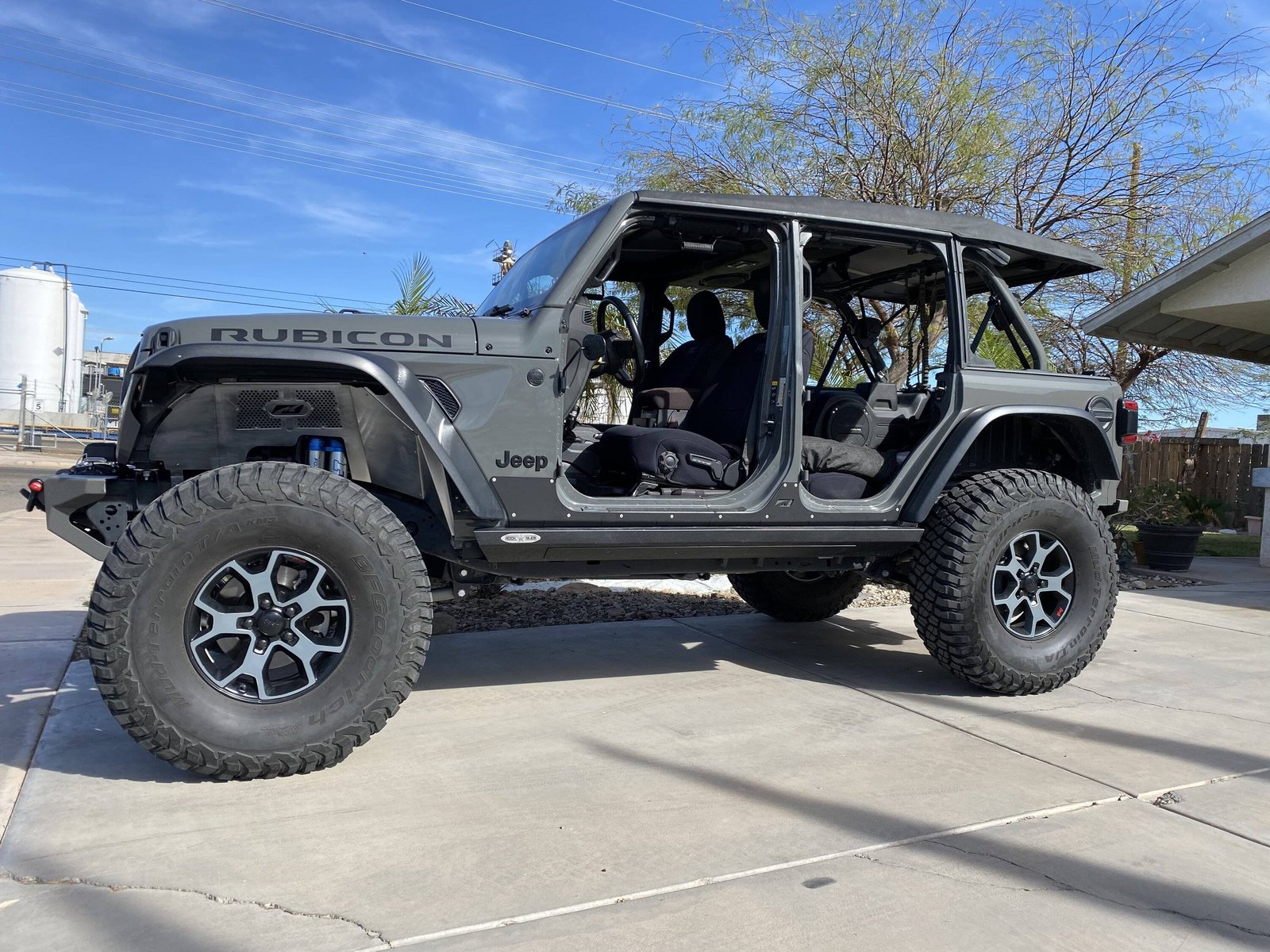
Remember, a body lift doesn’t improve axle clearance. For off-road use, you may need a suspension lift later.
Non-obvious Tips For Beginners
Many beginners overlook two important points:
- Body mounts can be tricky. If your Jeep is older, bolts may be stuck or break. Consider buying extra mount bushings.
- Don’t ignore steering linkage. On some models, a higher body can stress the steering shaft. Check for binding and add an extension if needed.
Also, plan for extra time. It’s better to work slowly and avoid mistakes than to rush and damage your Jeep.
Safety And Legal Considerations
Check your local laws. Some states limit vehicle height for street use. Also, keep your insurance company informed about any modifications.
For more technical details, see Wikipedia’s body lift page.
Frequently Asked Questions
How Long Does A Body Lift Take On A Jeep Wrangler?
Most people finish in 3 5 hours. If you’re new or have rusty bolts, it may take longer. Plan a full afternoon.
Does A Body Lift Affect Ride Quality Or Handling?
No, a body lift only raises the body. It doesn’t change suspension or steering geometry. Ride quality stays the same.
Can I Install A Body Lift With Basic Tools?
Yes. You need a socket set, jack, stands, and a torque wrench.
Advanced tools are not required, but safety gear is important.
What Size Tires Can I Fit After A Body Lift?
With a 2-inch lift, most Wranglers fit 33-inch tires. Larger tires may need fender trimming or a suspension lift.
Is A Body Lift Safe For Off-roading?
A body lift is safe for light off-roading. For extreme trails, combine it with a suspension lift for more axle clearance.
A body lift gives your Jeep Wrangler a fresh look and more tire room without breaking the bank. If you follow each step carefully and check all parts after the lift, you’ll enjoy better performance and style. Don’t forget to consider future upgrades like suspension lifts or larger tires as your needs change. With patience and the right tools, this project is well within reach for most Jeep owners.


















