Driving a Jeep with 4-wheel drive (4WD) can give you more control and safety on rough roads, in mud, or during winter. But after using 4WD, knowing how to disengage 4 wheel drive Jeep systems is just as important. If you don’t switch back to 2WD correctly, you might damage your vehicle or make driving on dry roads harder. Many Jeep owners—especially beginners—feel unsure about when and how to disengage 4WD. This guide will walk you through the process, explain why it matters, show the differences between various Jeep 4WD systems, and help you avoid the most common mistakes.
Why Disengaging 4 Wheel Drive Matters
Leaving your Jeep in 4WD when it’s not needed can cause problems. On dry pavement, 4WD increases tire wear and puts stress on the drivetrain. You might also notice the steering feels stiff or makes noises. Disengaging 4WD when you return to normal roads can:
- Reduce fuel consumption
- Lower wear and tear
- Improve handling
- Prevent costly repairs
Some Jeep owners think it’s okay to leave 4WD on all the time, but that’s not true for most models.
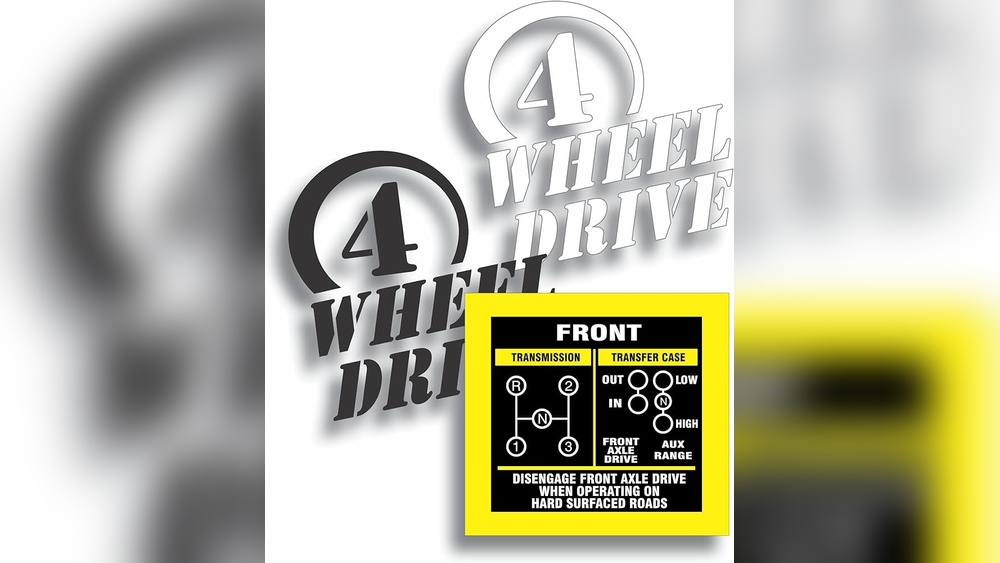
Only a few Jeep systems are designed for full-time 4WD; most should be switched back to 2WD after off-road use or bad weather.
Understanding Jeep 4wd Systems
Jeep offers several different 4WD systems. The way you disengage 4WD depends on the type you have. The four most common Jeep 4WD systems are:
- Part-Time 4WD (Command-Trac)
- Full-Time 4WD (Quadra-Trac)
- Active 4WD (Selec-Trac)
- Automatic 4WD (Quadra-Drive)
Let’s look at each one and the steps to disengage.
Quick Comparison Of Jeep 4wd Systems
| System | Drive Modes | When to Use 4WD | Disengagement Method |
|---|---|---|---|
| Command-Trac | 2H, 4H, 4L | Off-road, slippery roads | Manual lever/knob |
| Quadra-Trac | AWD, 4H, 4L | Any condition | Manual or automatic |
| Selec-Trac | 2WD, 4WD Auto, 4WD Low | Mixed/variable conditions | Manual switch |
| Quadra-Drive | AWD, 4L | All conditions | Automatic/lever |
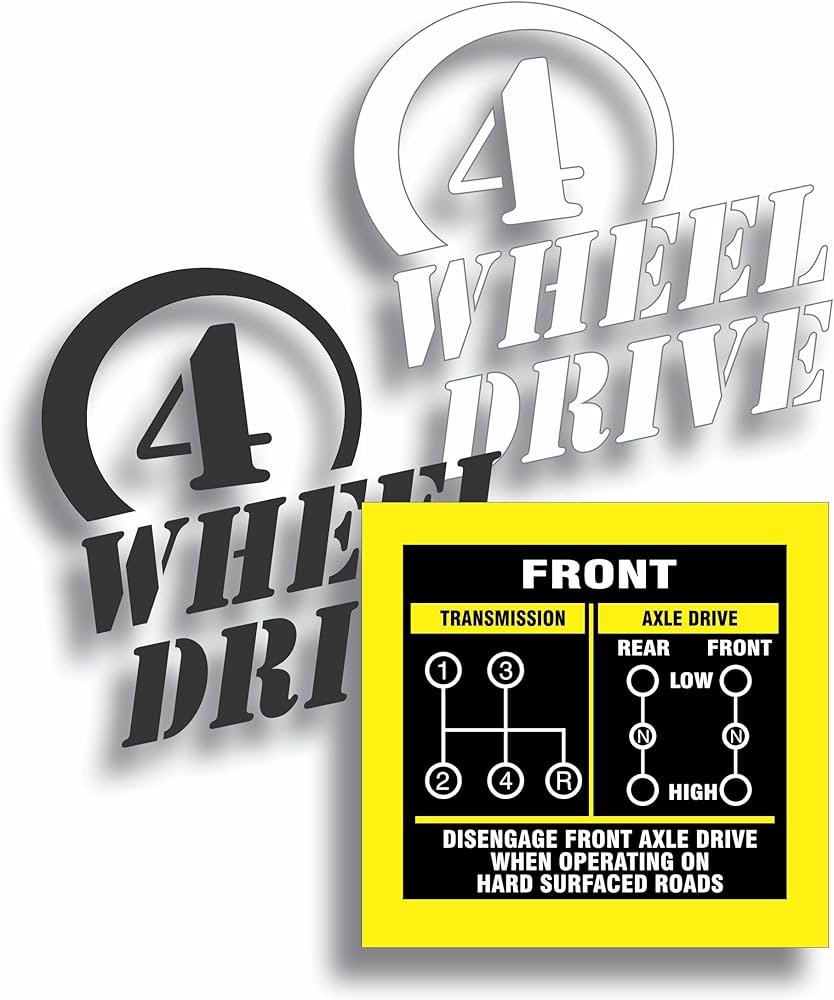
How To Disengage 4 Wheel Drive Jeep: Step-by-step
1. Disengaging Part-time 4wd (command-trac)
Command-Trac is one of Jeep’s most popular systems, found in Wrangler and some older Cherokee models. It uses a lever near the gear shifter.
Steps:
- Stop or slow down: Bring your Jeep to a stop or drive below 3 mph.
- Shift to neutral: Move the transmission to neutral (N).
- Move the 4WD lever: Shift from 4H (4 High) to 2H (2 High).
- Wait for disengagement: You might feel a small clunk or see the 4WD light turn off.
- Return to drive: Put the transmission back to drive (D) or your desired gear.
Pro tip: If the 4WD indicator stays on, back up slowly for a few feet. Sometimes the gears need this to fully unlock.
2. Disengaging Full-time 4wd (quadra-trac)
Quadra-Trac is a more advanced system, offering all-wheel drive and 4WD options. It’s found in many Grand Cherokee and Wagoneer models.
Steps:
- Check your mode: If you used 4WD Low, you must disengage.
- Bring the vehicle to a stop: Full disengagement works best at low speeds.
- Shift to neutral: Place the transmission in neutral.
- Move the selector: Shift from 4L (4 Low) to 4H (4 High) or AWD.
- Resume driving: Return the transmission to drive. The system will handle the rest.
Insight: Some Quadra-Trac systems are always engaged, so you don’t need to disengage normal AWD. Only 4L should be turned off for regular driving.
3. Disengaging Active 4wd (selec-trac)
Selec-Trac is found in many newer Cherokees and Wranglers. It allows switching between 2WD, 4WD Auto, and 4WD Low.
Steps:
- Slow down: Best to be under 5 mph or at a stop.
- Shift to neutral: Move the transmission to neutral.
- Turn the switch/lever: Move from 4WD Auto or 4WD Low to 2WD.
- Wait for indicator: The dashboard should show that 2WD is engaged.
- Drive forward: Sometimes, moving forward a few feet helps the system fully switch.
Pro tip: Avoid switching between 4WD modes while the wheels are spinning, as this can damage the transfer case.
4. Disengaging Automatic 4wd (quadra-drive)
Quadra-Drive is the most advanced system, found in premium Grand Cherokee models. It automatically sends power to the wheels that need it.
Steps:
- Identify current mode: If you used 4WD Low, switch back to AWD.
- Bring Jeep to a stop: Always stop before changing from 4L to AWD.
- Shift to neutral: Put the transmission in neutral.
- Change the selector: Move from 4L to AWD.
- Resume driving: The system will return to automatic operation.
Non-obvious insight: With Quadra-Drive, you don’t need to switch off AWD for dry roads; the system adjusts itself. Only the 4L mode should be disengaged after off-road or deep snow use.
Signs That 4wd Is Still Engaged
Sometimes, drivers think they’ve disengaged 4WD, but the system is still active. Watch for these signs:
- 4WD indicator light stays on
- Tight turning or “binding” feeling during turns
- Clunking noises from under the vehicle
- Reduced fuel efficiency
If you notice any of these after trying to disengage, repeat the steps above and check your owner’s manual.
Common Mistakes When Disengaging 4wd
Many Jeep owners make simple mistakes that can cause problems:
- Not coming to a stop: Trying to shift from 4L to 2H or AWD at high speed.
- Forgetting neutral: Not putting the transmission in neutral before shifting the transfer case.
- Ignoring noises: Continuing to drive if you hear grinding or clunking.
- Not checking the indicator: Assuming 4WD is off without looking at the dashboard.
- Switching on dry pavement: Changing modes on dry, hard surfaces can damage the system.
Avoid these mistakes to keep your Jeep running smoothly.
When Should You Disengage 4wd?
4WD is for tough conditions—mud, snow, ice, sand, or steep hills. As soon as you return to clear, dry pavement, disengage 4WD. Driving in 4WD on normal roads can damage the drivetrain and waste fuel.
Quick tip: If you’re not sure, check your Jeep’s manual or the sticker on the sun visor. Many models have a quick guide right in the car.
Real-world Example
Imagine you’re driving a Jeep Wrangler on a snowy mountain road. You use 4H to stay safe. At the bottom of the hill, the road is dry. Here’s what you do:
- Slow down, shift to neutral.
- Move the 4WD lever from 4H to 2H.
- Drive forward. If you feel a “pop” and the 4WD light goes off, you’re in 2WD.
One thing many drivers miss: If the lever feels stuck, don’t force it. Instead, roll the vehicle slowly forward or backward a few feet, then try again. This helps the gears align and prevents damage.
How Long Does It Take To Disengage 4wd?
Switching from 4WD to 2WD or AWD usually takes less than a minute. The exact time depends on your Jeep model and whether you need to roll the vehicle.
Most electronic systems are faster, while manual levers may need a few extra seconds.
Time To Disengage: Manual Vs. Automatic Jeep 4wd
| Jeep System | Manual Lever | Electronic/Auto |
|---|---|---|
| Command-Trac | 30–60 seconds | — |
| Quadra-Trac | 30–60 seconds | 10–30 seconds |
| Selec-Trac | 20–40 seconds | 10–20 seconds |
| Quadra-Drive | 20–40 seconds | 10–20 seconds |
Tips For Smooth 4wd Disengagement
- Always read your owner’s manual for model-specific instructions.
- Use smooth, gentle movements on levers and switches.
- Don’t force the selector if it feels stuck—rolling the car helps.
- Check for indicator lights to confirm the mode change.
- If you hear grinding, stop and try again.
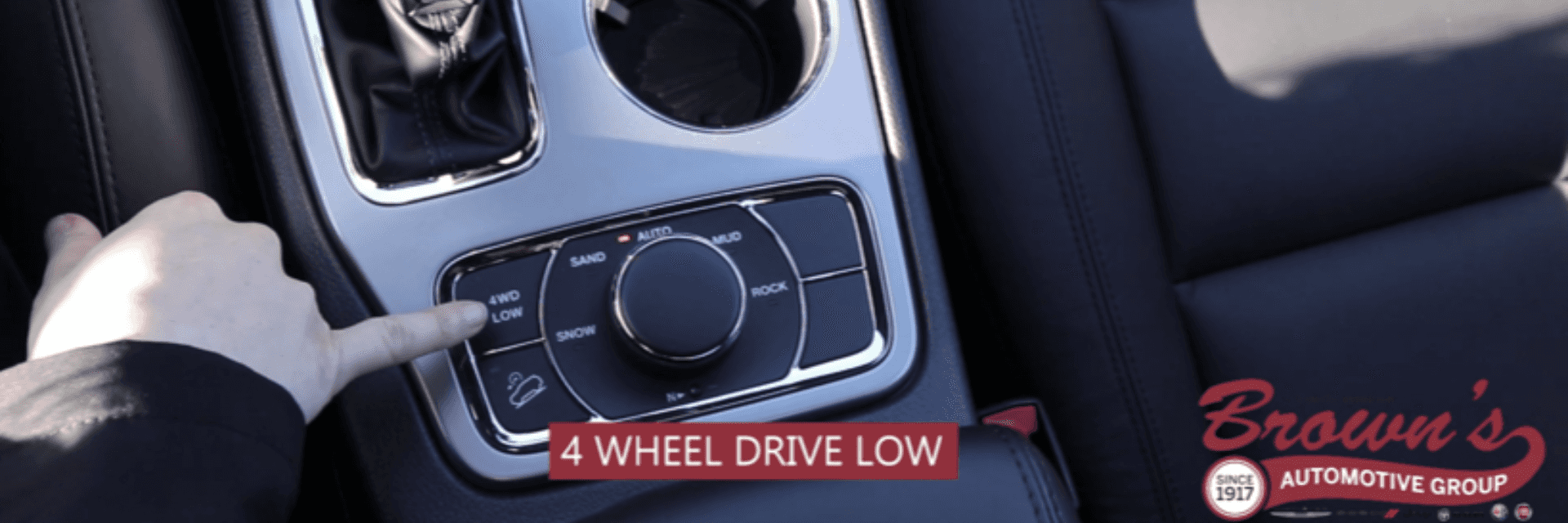
Pro tip: Some newer Jeeps have electronic 4WD controls. If you’re unsure, look for a rotary dial or push button near the gear shifter.
What If 4wd Won’t Disengage?
If your Jeep stays stuck in 4WD after following all steps, try these actions:
- Reverse briefly: Drive backward 10–15 feet, then try shifting again.
- Check for warning lights: A flashing 4WD light may mean a sensor issue.
- Turn off and restart: Sometimes a quick restart resets the system.
- Consult a mechanic: If the system won’t disengage, you may have a transfer case or electronic problem.
Insight: Cold weather can make shifting harder, as fluids thicken. Let your Jeep warm up for a few minutes before trying again.
Maintenance After Using 4wd
After tough off-road use, inspect your Jeep for:
- Leaking fluids under the vehicle
- Unusual noises when driving in 2WD
- Loose or damaged linkage near the transfer case
- Dashboard warning lights
Regularly check and change your Jeep’s transfer case fluid as recommended. This keeps the 4WD system healthy and helps avoid expensive repairs.
For official Jeep maintenance schedules and details about your 4WD system, visit the Jeep Official Website.
Frequently Asked Questions
How Do I Know If My Jeep Is In 2wd Or 4wd?
Look at your dashboard indicator lights. Most Jeeps show a 4WD symbol when engaged. If no light is on, you’re usually in 2WD. Check your manual for the exact icons.
Can I Switch From 4wd To 2wd While Moving?
For most Jeep models, you can switch from 4H to 2H at low speeds (under 3 5 mph). To shift from 4L to 2H, always stop and shift the transmission to neutral first.
Will Leaving My Jeep In 4wd Damage It?
Yes, driving in 4WD on dry pavement can cause drivetrain stress, faster tire wear, and reduced fuel economy. Always switch back to 2WD or AWD when road conditions improve.
Why Does My Jeep Make Noise When I Try To Disengage 4wd?
A clunk or slight noise is normal. Grinding or loud noises mean something’s wrong—stop and try again. If it continues, get your Jeep checked by a mechanic.
What Should I Do If The 4wd Light Stays On?
If the 4WD indicator stays on after you’ve disengaged, drive slowly in reverse for a few feet or restart your Jeep. If the light remains, there could be a sensor or mechanical problem.
Switching your Jeep from 4WD to 2WD or AWD doesn’t have to be confusing. By understanding your Jeep’s system and following the right steps, you’ll protect your vehicle and enjoy a safer, smoother ride.