If you’re a Jeep JL owner who loves off-roading, you’ve probably heard about disconnecting your sway bar. This simple step can give your Jeep more wheel travel, making it easier to handle rough terrain. But if you’re new to this, the process can feel confusing. Let’s break down everything you need to know to safely disconnect the sway bar on your Jeep JL—and why it matters.
Why Disconnect The Sway Bar?
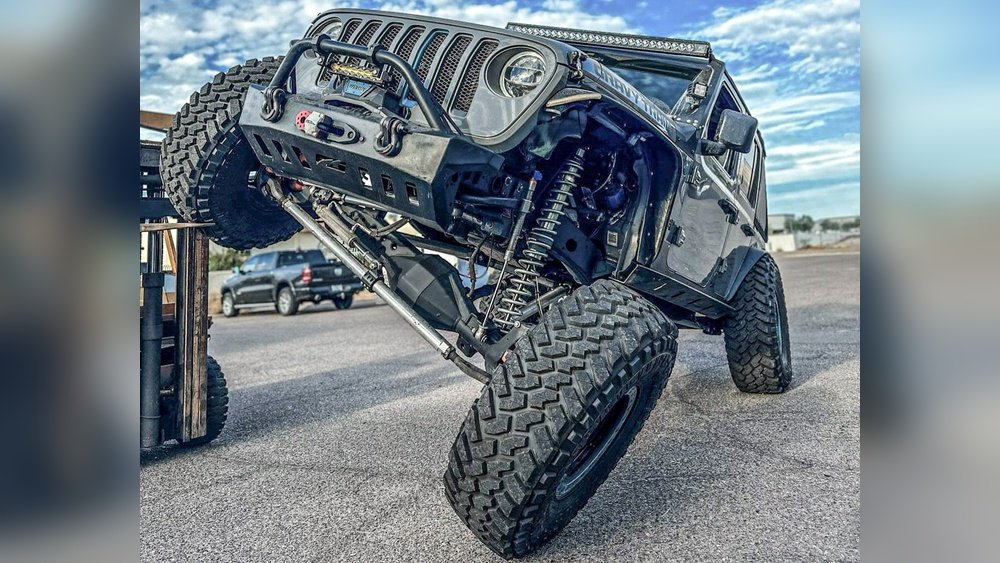
The sway bar (or stabilizer bar) is a key part of your Jeep’s suspension. On paved roads, it keeps your ride level during turns. But off-road, the sway bar can limit your suspension’s ability to flex. By disconnecting it, you allow the wheels to move more independently, which gives better traction and a smoother ride over rocks, ruts, and uneven ground.
Here’s a simple comparison of handling with and without the sway bar:
| Feature | Sway Bar Connected | Sway Bar Disconnected |
|---|---|---|
| On-road stability | High | Low |
| Off-road flexibility | Limited | Maximum |
| Body roll in corners | Minimal | Increased |
What You Need Before Disconnecting
Before you start, gather these basic tools:
- 18mm wrench or socket (for factory links)
- Flathead screwdriver (sometimes helpful)
- Gloves (optional, for better grip)
- A safe, flat spot to work
If you have the Rubicon model, your Jeep may have an electronic sway bar disconnect, making the process even easier. If not, you’ll need to do it manually.
How To Disconnect Sway Bar Jeep Jl (manual Method)
1. Park On Level Ground
Make sure your Jeep is parked on a flat surface. Put the transmission in park and set the parking brake.
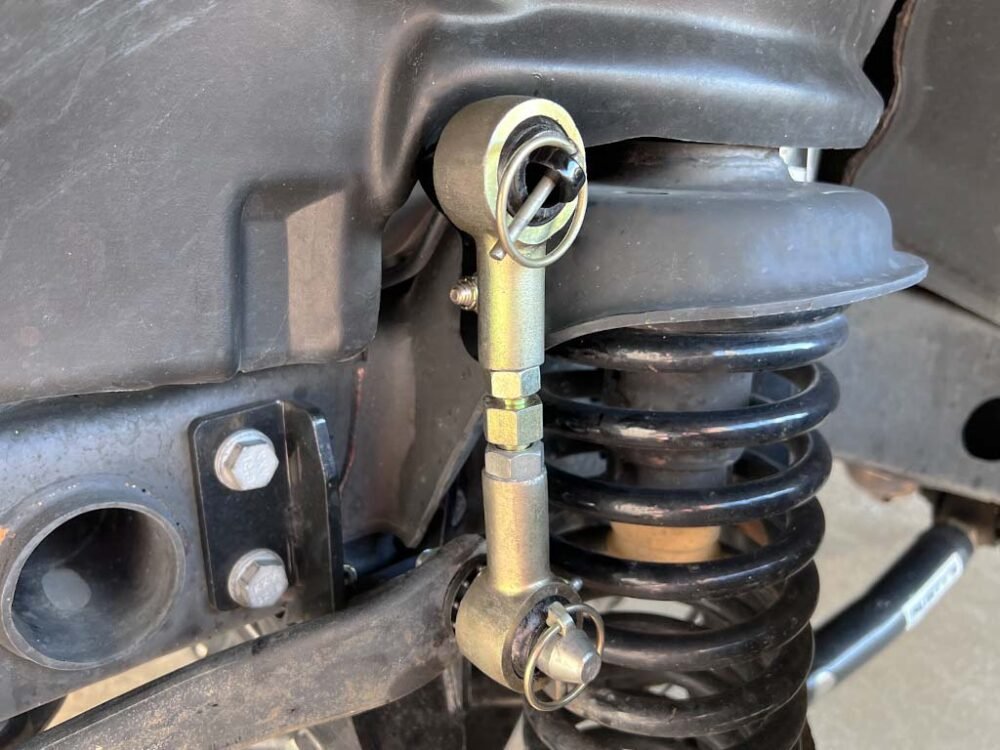
2. Locate The Sway Bar Links
Crawl under the front of your Jeep. You’ll see the sway bar running across the axle, with two links connecting it to the axle ends.
3. Remove The Lower Bolt
Use your 18mm wrench or socket to remove the lower bolt from each sway bar link. It may be tight don’t force it if it feels stuck.
Spray a bit of penetrating oil if needed.
4. Secure The Links
Once disconnected, don’t let the links hang down. Use zip ties or bungee cords to secure them up and out of the way.
This prevents them from getting caught on rocks or debris.
5. Double Check Everything
Make sure both sides are secure and nothing is dragging. Give the sway bar a gentle tug to confirm it’s free.
Here’s a quick look at tools and tasks for manual vs. electronic disconnect:
| Disconnect Type | Tools Needed | Time Required |
|---|---|---|
| Manual (Sport/Sahara) | 18mm wrench | 10-15 minutes |
| Electronic (Rubicon) | None | 1-2 minutes |
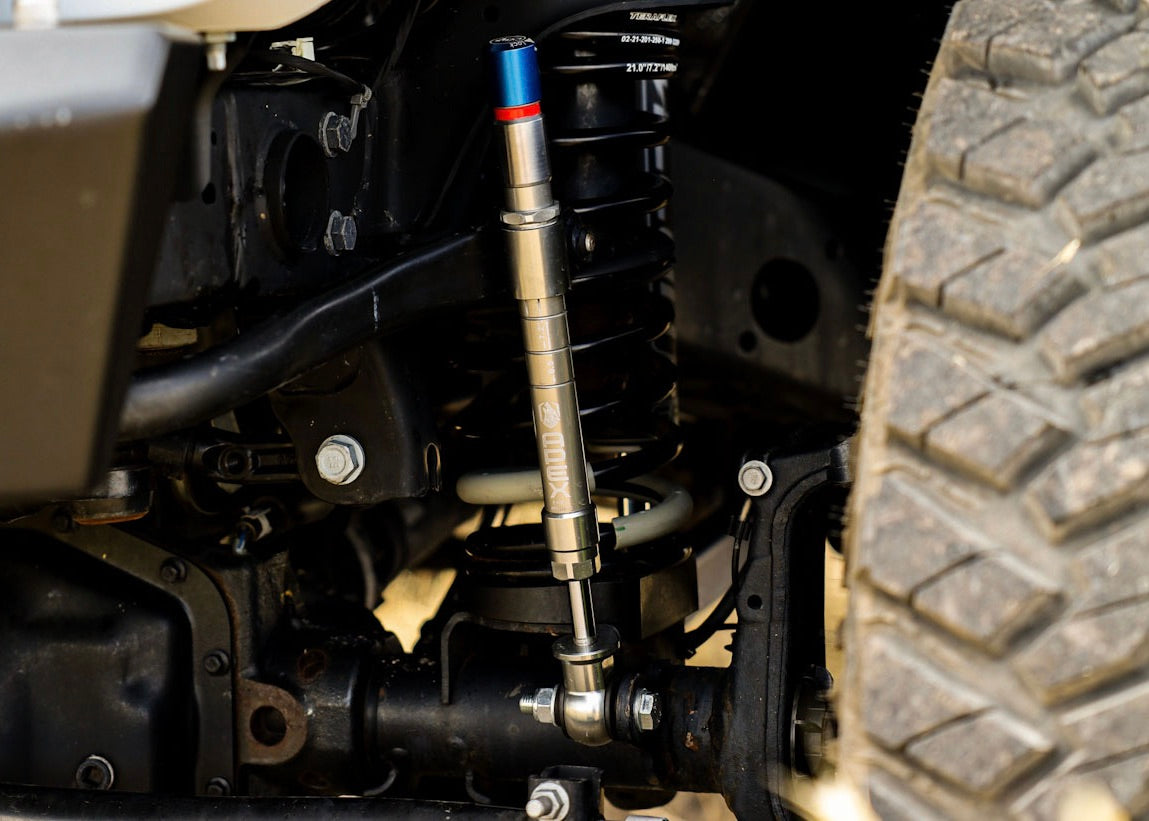
Electronic Sway Bar Disconnect (rubicon)
If you drive a Jeep JL Rubicon, you have an electronic sway bar disconnect. Here’s how it works:
1. Shift To 4lo
The system only works in 4-wheel-drive low range. Shift your transfer case to 4LO.
Find the “SWAY BAR” button on your center console. Press it an indicator light should show the bar is disconnected.
3. Wait For The Light
It may take a few seconds. Once the light is steady, your sway bar is disconnected, and you’re ready for the trail.
A quick warning: only disconnect the sway bar off-road. Driving on pavement with the sway bar disconnected increases body roll and makes your Jeep less stable.
Reconnecting The Sway Bar
When you’re back on smooth roads, always reconnect your sway bar for safety.
- Manual: Line up the links, insert the bolts, and tighten them to the factory torque spec.
- Electronic: Press the “SWAY BAR” button again in 4LO or 2HI. The indicator light will turn off.
If the links don’t line up, try rolling the Jeep forward or back a few inches. This helps the suspension settle so the bolts fit easily.
Extra Tips For Safe Sway Bar Disconnect
- Don’t rush—take your time, especially when first learning.
- Check for damage before and after your off-road trip. Look for bent or worn parts.
- Lubricate bolts occasionally for easier removal.
- Never drive fast or corner hard with the sway bar disconnected.
Many beginners forget to secure the disconnected links, which can cause damage. Also, always double-check that the sway bar is reconnected before highway driving.
Common Mistakes To Avoid
- Forgetting to secure loose links: They can catch on obstacles and break.
- Not reconnecting before pavement: This reduces control and could cause an accident.
- Losing hardware: Keep removed bolts and nuts in a safe spot while off-road.
Why Sway Bar Disconnect Is Popular For Jeep Jl
The ability to disconnect the sway bar gives the Jeep JL its famous off-road flexibility. Many owners say it’s the single biggest upgrade for trail performance. For example, disconnecting the sway bar can increase front wheel travel by up to 30%, helping you climb bigger obstacles without lifting a tire.
Another reason: the Jeep JL’s factory setup allows for easy disconnect and reconnect, making it safer and more convenient compared to older models.
If you want to learn more about Jeep suspension systems, check the official Jeep website for diagrams and service manuals.
Frequently Asked Questions
How Do I Know If My Jeep Jl Has An Electronic Sway Bar Disconnect?
Most Rubicon models include this feature. Look for a “SWAY BAR” button on the center console. If your Jeep is a Sport or Sahara, you likely have manual links.
Is It Safe To Drive On The Road With The Sway Bar Disconnected?
No. On-road stability drops when the sway bar is disconnected. Reconnect it before driving on pavement to avoid excessive body roll.
Can I Disconnect The Rear Sway Bar On A Jeep Jl?
It’s rare and not recommended for most drivers. The front sway bar gives the biggest benefit off-road.
The rear sway bar helps maintain stability, even off-road.
How Often Should I Check My Sway Bar Links?
Inspect them every time you disconnect and reconnect, or after every off-road trip. Look for bent, cracked, or loose parts.
Will Disconnecting The Sway Bar Void My Jeep’s Warranty?
No, if you use the factory system as designed. However, damage caused by improper use or aftermarket parts might not be covered.
Disconnecting the sway bar on your Jeep JL opens up a new level of off-road capability. Take your time, follow the steps, and enjoy a safer, more flexible ride on the trail.
Always remember to reconnect for the drive home.