Closing a Jeep Wrangler soft top seems simple, but many owners struggle—especially when new to the vehicle. Soft tops are flexible, lightweight, and let you enjoy open-air driving. But closing them properly takes practice, attention, and the right technique. If you close it wrong, water can leak in, wind noise increases, and the fabric may wear out faster. This guide explains each step, common mistakes, and tips to make the process easier and safer for your Jeep.
Understanding Your Jeep Wrangler Soft Top
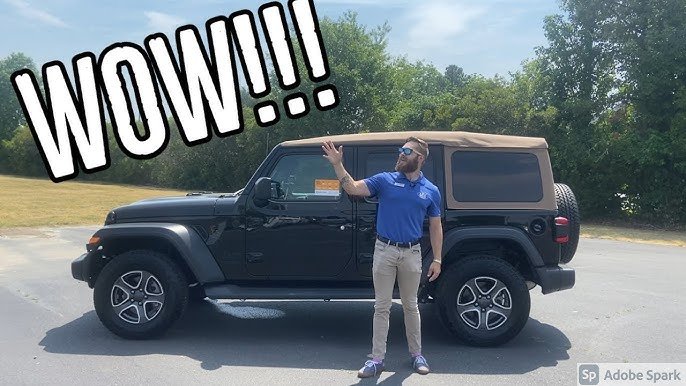
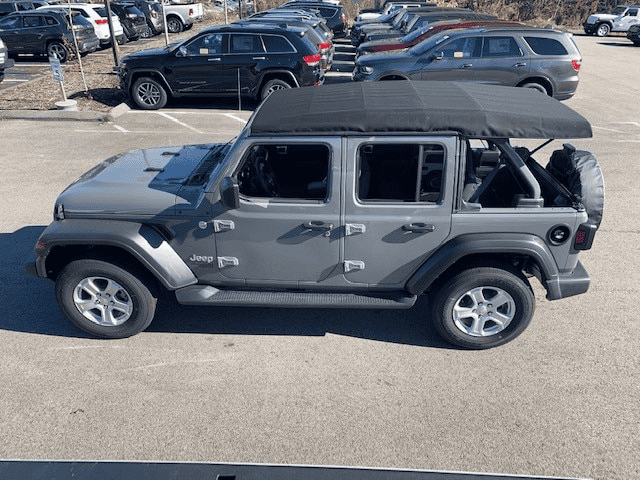
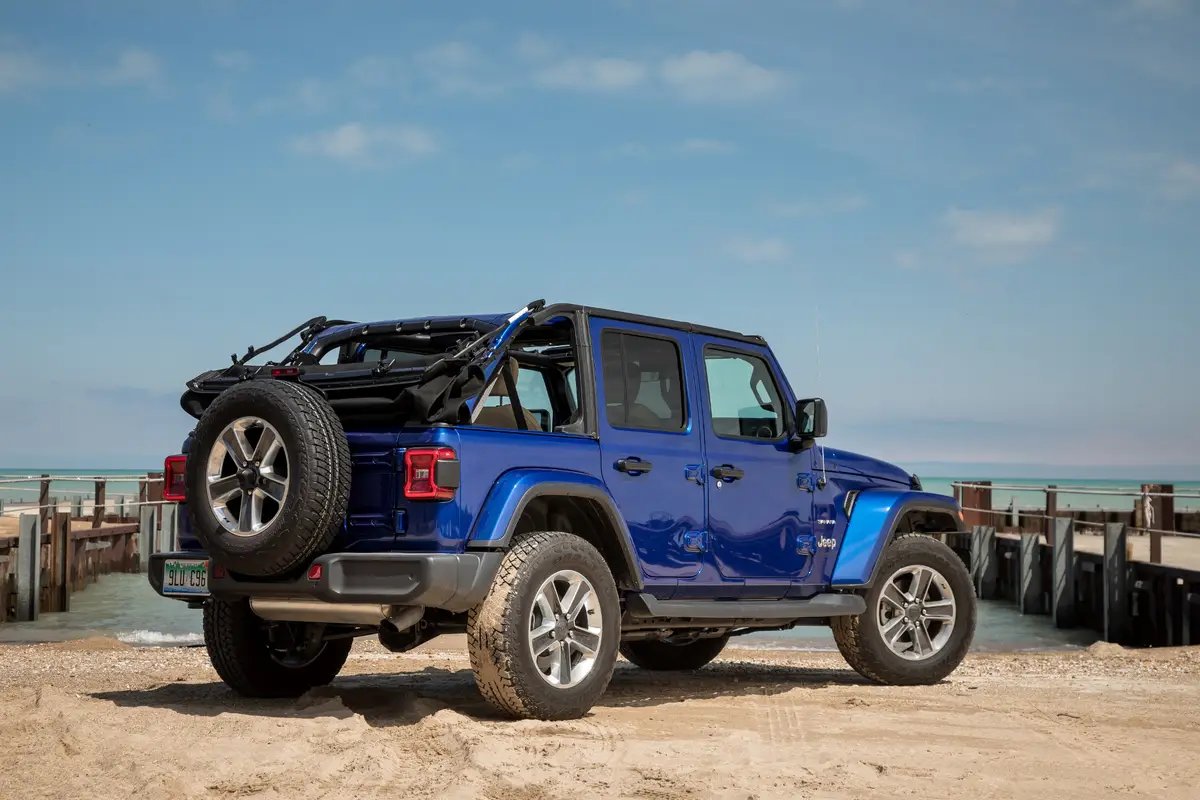
Jeep Wranglers come with different soft top designs. The two main types are folding soft tops and modular soft tops. Most models since 2007 (JK, JL) use folding types. Older models may have snaps or zippers. Knowing your top’s style matters for proper closure.
Here’s a quick comparison of Wrangler soft top types:
| Type | Main Feature | Ease of Use |
|---|---|---|
| Folding Soft Top | One-piece, folds back easily | High |
| Modular Soft Top | Panels can be removed separately | Medium |
| Snap/Zipper Soft Top | Uses snaps or zippers on sides | Low |
Before closing, inspect the fabric, windows, and frame for damage. A torn soft top can let in water or wind, so fix issues before closing.
Step-by-step Guide: How To Close Jeep Wrangler Soft Top
Closing the soft top can be done alone, but it’s easier with two people. Here’s a practical method for most models:
1. Park Safely
Always park on a flat surface. Make sure your Jeep is off and secure.
2. Remove Objects
Clear anything blocking the top or frame. Loose items can damage the fabric.
3. Release Latches
Locate the front header latches above the windshield. Open them fully.
4. Pull Top Forward
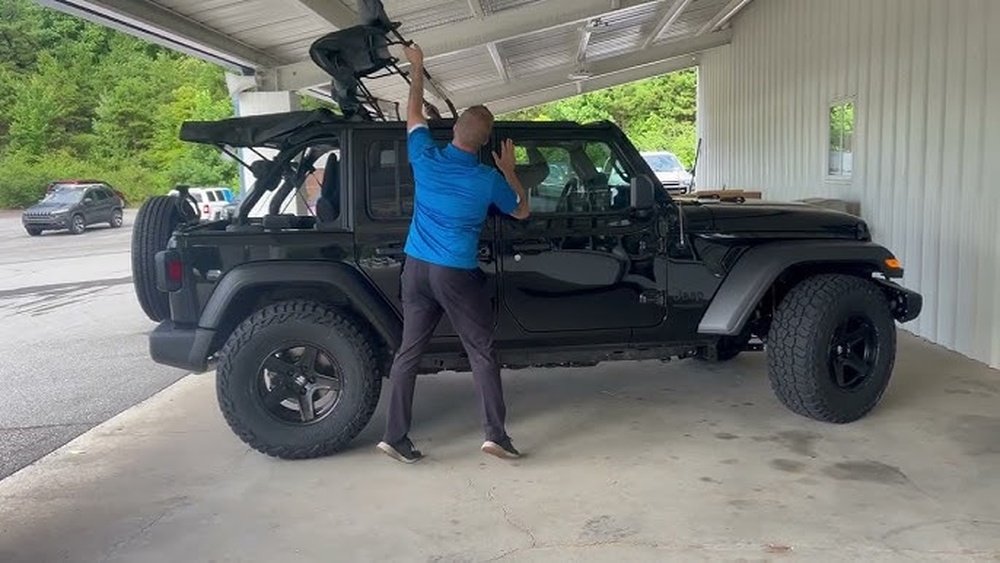
Stand outside, grab the soft top, and pull it toward the windshield. For JK/JL models, use the side rails for leverage.
5. Align And Secure
Line up the soft top’s edge with the windshield frame. Hold it steady.
6. Engage Latches
Close the header latches tightly. You should hear a click.
7. Close Side Windows
Reinstall or zip in the side windows, depending on your model. Make sure they fit smoothly.
8. Check Rear Window
Zip or snap the rear window in place. Double-check for gaps.
9. Inspect Seals
Run your hand along the edges. Look for loose fabric or gaps.
10. Final Check
Test the doors. Make sure the top does not block them from closing.
Here’s a quick comparison of soft top closure difficulty by model:
| Model Year | Closure Complexity | Recommended Assistance |
|---|---|---|
| 1997-2006 (TJ) | High | 2 people |
| 2007-2018 (JK) | Medium | 1 person |
| 2018+ (JL) | Low | 1 person |
Practical Tips For Closing Your Soft Top
- Warm Up the Fabric: Soft tops become stiff in cold weather. If possible, park in the sun or use a hair dryer (low heat) to soften the material.
- Lubricate Zippers: Use a silicone spray for zippers. This prevents jams and makes closing easier.
- Check for Obstructions: Twigs, leaves, or debris can cause leaks. Clean the top before closing.
- Use Two Hands: Always use both hands to avoid stretching or tearing the material.
- Inspect Seals and Latches: Most leaks happen from poorly sealed tops. Double-check after closing.
A common mistake is rushing the closure. This often leads to misaligned windows or a loose fit. Take your time—quality matters more than speed.
Common Problems And Solutions
Soft Top Won’t Fit Properly
If your soft top feels tight, especially after winter, try these fixes:
- Let the Jeep sit in the sun for 15–30 minutes.
- Gently pull and stretch the fabric as you close.
- Avoid forcing zippers; they can break.
Water Leaks After Closing
Leaks usually happen from:
- Misaligned seals
- Loose side windows
- Damaged fabric
Double-check all edges. If leaks continue, inspect for tears and replace seals if needed.
Wind Noise
Excess noise is often caused by:
- Gaps in the front latches
- Loose windows
- Worn-out seals
Make sure everything is tight. If noise persists, consider upgrading seals or adding sound-deadening strips.
Benefits Of Proper Soft Top Closure
Closing your soft top correctly protects your Jeep’s interior from weather. It also:
- Reduces wind noise
- Prevents water leaks
- Extends the life of the soft top fabric
- Keeps windows clear and scratch-free
Owners who pay attention to detail report fewer problems. A well-closed top can last 3 5 years longer than one closed carelessly.
Here’s a quick comparison of soft top lifespan based on maintenance:
| Maintenance Level | Average Lifespan | Common Issues |
|---|---|---|
| High | 7 years | Minimal wear |
| Medium | 4 years | Small leaks |
| Low | 2 years | Major tears, noise |
Extra Insights: What Most Beginners Miss
Many Jeep owners forget two important points:
- The soft top fabric shrinks over time, especially if not closed for months. This makes closing harder.
- Incorrect storage can damage the top. Always fold it cleanly and avoid storing it in damp places.
Also, be aware that aftermarket soft tops may not fit perfectly. Always check compatibility before buying new fabric or windows.
Frequently Asked Questions
How Often Should I Close My Jeep Wrangler Soft Top?
It’s best to close your soft top whenever rain or dust is expected. Leaving it open too long can cause fabric shrinkage and damage.
Can I Close The Soft Top Alone?
Yes, especially on newer models (JK, JL). Older models may need help, but with practice, solo closure is possible.
What If The Soft Top Won’t Latch?
Check for obstructions or cold-stiffened fabric. Warm the fabric and try again.
If it still won’t latch, inspect for broken parts.
How Do I Prevent Leaks After Closing?
Always check seals and latches. Clean the edges and use silicone lubricant on zippers. Replace worn seals for best results.
Is It Safe To Drive With A Partially Closed Soft Top?
No. A partially closed top can flap, cause noise, or let in water.
Always secure all latches and windows before driving.
Closing your Jeep Wrangler soft top is simple with patience and the right method. Practice makes the process easier, and regular care extends your top’s lifespan. For more detailed model-specific tips, visit the official Jeep site: Jeep Wrangler.


















