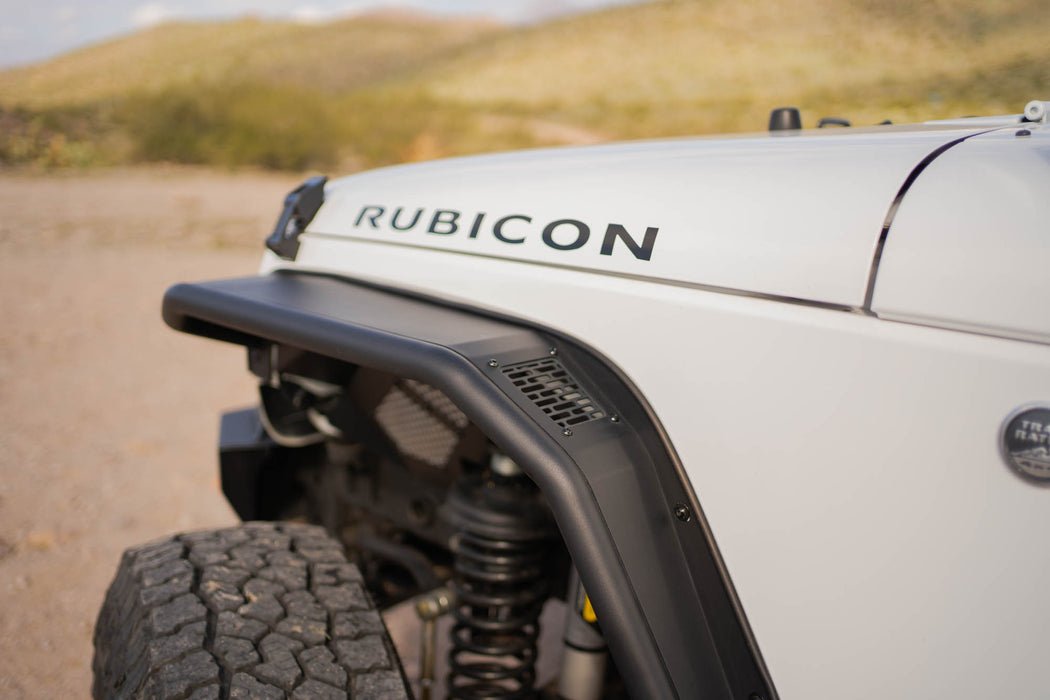
Keeping your Jeep Wrangler fender flares clean isn’t just about appearance. Clean flares protect your paint, prevent rust, and help maintain your Jeep’s value.
Whether you drive off-road or stick to city streets, fender flares catch mud, dust, and debris daily. Many owners overlook this detail, but regular cleaning prevents buildup, fading, and damage.
Even factory flares can lose their shine over time. If you want your Jeep to look great and last longer, follow these practical steps for deep cleaning and maintenance.

Why Fender Flares Matter
Fender flares serve more than a cosmetic purpose. They shield your Jeep’s body from rocks, mud, and road salt. This prevents scratches and corrosion. Over time, dirty flares can lead to paint chipping or even rust on the frame below. Clean flares also help with visibility, as mud splatter can obscure lights and signals.
A 2023 survey by the Jeep Owners Club found that vehicles with well-maintained fender flares held resale values up to 12% higher than those with neglected flares. Investing a little time pays off in the long run.
Essential Cleaning Supplies
Before starting, gather these items:
- Bucket of warm water
- Mild automotive soap (not dish detergent)
- Soft-bristled brush or microfiber cloth
- Plastic or trim cleaner (for faded flares)
- Hose or pressure washer (low setting)
- Old toothbrush (for tight spots)
- Soft towel for drying
Avoid using harsh chemicals or abrasive pads. These can scratch the plastic fender flares and cause premature fading.
Step-by-step Cleaning Guide
Cleaning fender flares takes about 30–40 minutes. Here’s a proven process:
1. Rinse Loose Dirt
Start with a hose or pressure washer on a gentle setting. Remove loose mud and dust.
Pay attention to the area where the flare meets the body.
2. Apply Soap Solution
Fill a bucket with warm water and automotive soap. Dip your microfiber cloth or brush and gently scrub the flare’s surface. Use circular motions to lift grime.
3. Detail Tight Areas
For crevices and bolts, use an old toothbrush. Dirt often gets trapped here and can cause hidden damage.
4. Rinse Thoroughly
Wash away soap and loosened debris. Check for spots you might have missed.
5. Dry Completely
Use a soft towel to dry the flares. Moisture left behind can attract more dirt or cause water spots.
6. Restore Faded Plastic
If your flares look dull or gray, apply a trim restorer or plastic conditioner. Follow product instructions.
This step helps bring back the original black shine.
Common Mistakes To Avoid
- Using dish soap: It strips away protective coatings.
- Scrubbing with abrasive pads: Causes scratches and fading.
- Skipping drying: Water spots can stain plastic.
Comparing Cleaning Products
Choosing the right cleaner can make a big difference. Here’s a comparison of popular types:
| Product Type | Best For | Average Price | Effectiveness |
|---|---|---|---|
| Mild automotive soap | General dirt & dust | $10 | High |
| Trim restorer | Faded flares | $15 | Very high |
| Plastic cleaner | Stains & discoloration | $12 | Medium |
For most owners, a combination of automotive soap and trim restorer works best.
How Often Should You Clean?
Frequency depends on your driving habits:
- Off-road: Clean after every trip.
- City driving: Every 2–3 weeks.
- Winter/salty roads: Weekly, to prevent corrosion.
A study by the National Institute of Automotive Service Excellence found that regular cleaning reduces rust risk by up to 65%.
Practical Tips For Better Results
- Clean flares in the shade to avoid soap drying too quickly.
- Use dedicated plastic conditioners to prevent UV damage.
- Inspect for cracks or loose bolts during cleaning.
- Avoid high-pressure washers on old flares—they can crack.
Many Jeep owners ignore the inner edge of the flare. Dirt here can cause hidden rust and even damage the mounting points. Checking these areas helps prevent costly repairs.
Dealing With Stubborn Stains
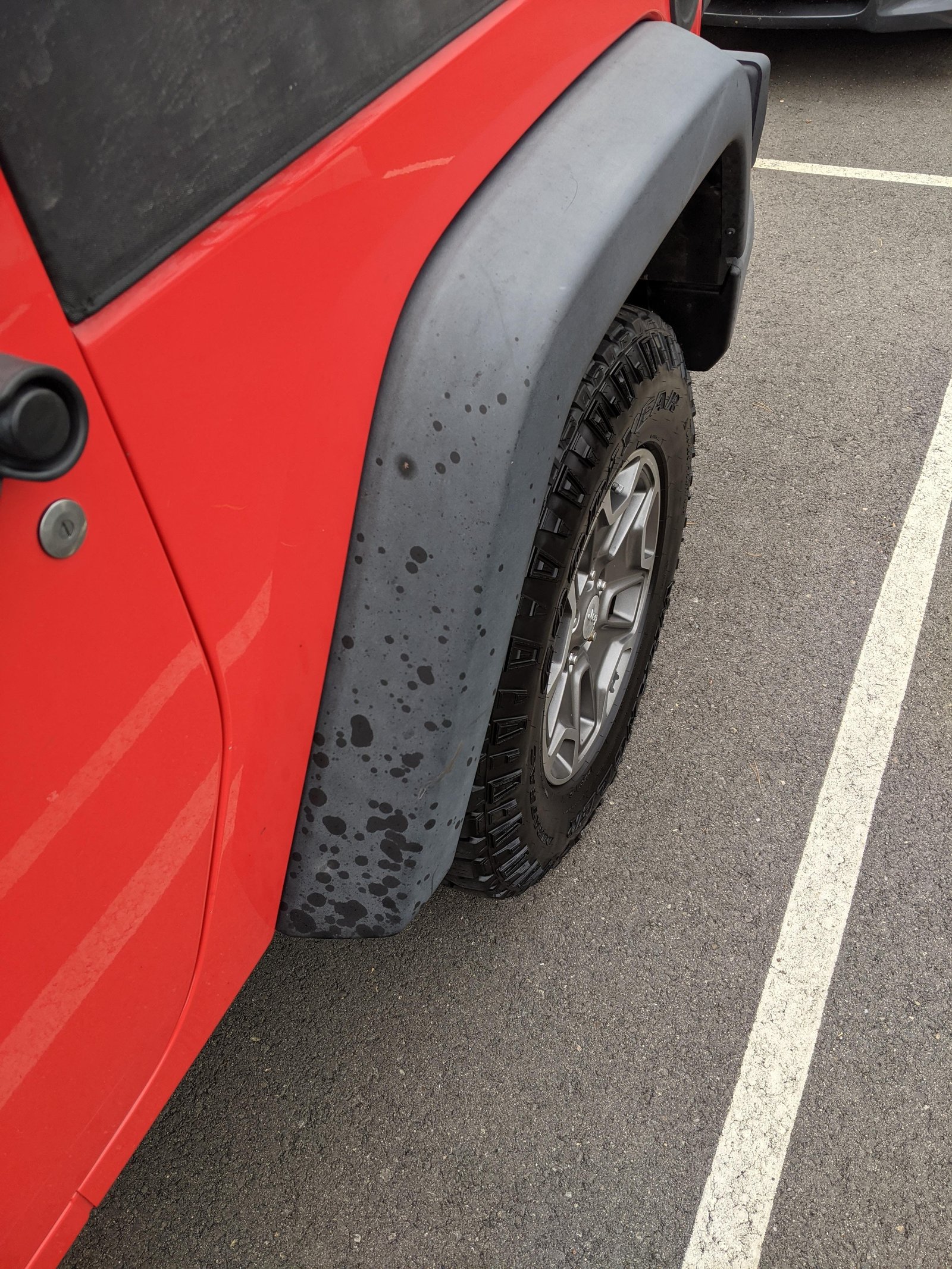
Sometimes, fender flares pick up stains from tar, sap, or road oil. Here’s how to handle tough spots:
- Use a small amount of plastic-safe cleaner.
- Let it sit for 2–3 minutes.
- Gently scrub with a soft brush.
- Rinse and repeat if needed.
For oil or tar, try an automotive tar remover. Test in a hidden area first to avoid discoloration.
Maintenance For Long-lasting Flares
Keeping your flares clean is just one part. To protect them over time:
- Apply a UV protectant after cleaning.
- Check for loose or damaged hardware monthly.
- Consider using mudguards if you drive off-road often.
UV protectants help prevent fading, which is the most common issue with Jeep Wrangler flares. Replacing faded flares can cost $100–$300 per set, so regular maintenance saves money.
Wrangler Fender Flare Types Comparison
Jeep Wranglers come with different types of fender flares. Here’s how they compare:
| Type | Material | Maintenance Level | Durability |
|---|---|---|---|
| Factory plastic | ABS plastic | Low | 5–7 years |
| Aftermarket metal | Steel/aluminum | Medium | 10+ years |
| Custom painted | Painted plastic | High | Varies |
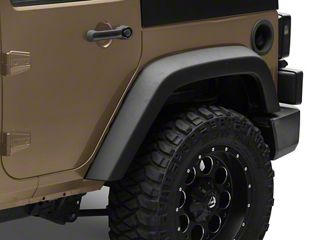
Factory plastic flares are easiest to clean, while custom painted flares need more careful handling to avoid scratches.
Frequently Asked Questions
How Do I Fix Faded Fender Flares?
Apply a plastic trim restorer. Clean the surface first, then use a microfiber cloth to spread the restorer evenly. Let it dry for a deep, black finish.
Can I Use A Pressure Washer?
Yes, but keep the pressure low. High-pressure water can crack plastic flares or force dirt under the mounting edges.
What If My Flares Are Painted?
Use only paint-safe cleaners. Avoid harsh brushes or chemicals that can scratch or dull the paint.
Are Aftermarket Flares Harder To Clean?
Aftermarket flares made of metal may need anti-rust treatments. Painted or textured flares require gentler cleaning, but the basic steps are similar.
Where Can I Find More Jeep Cleaning Tips?
For more in-depth Jeep maintenance advice, visit the Jeep Official Site.
Keeping your Jeep Wrangler fender flares clean is simple but essential. With the right tools, products, and a bit of attention, your flares will stay sharp and protect your vehicle for years to come.
Make cleaning part of your routine, and enjoy the benefits every time you hit the road or trail.