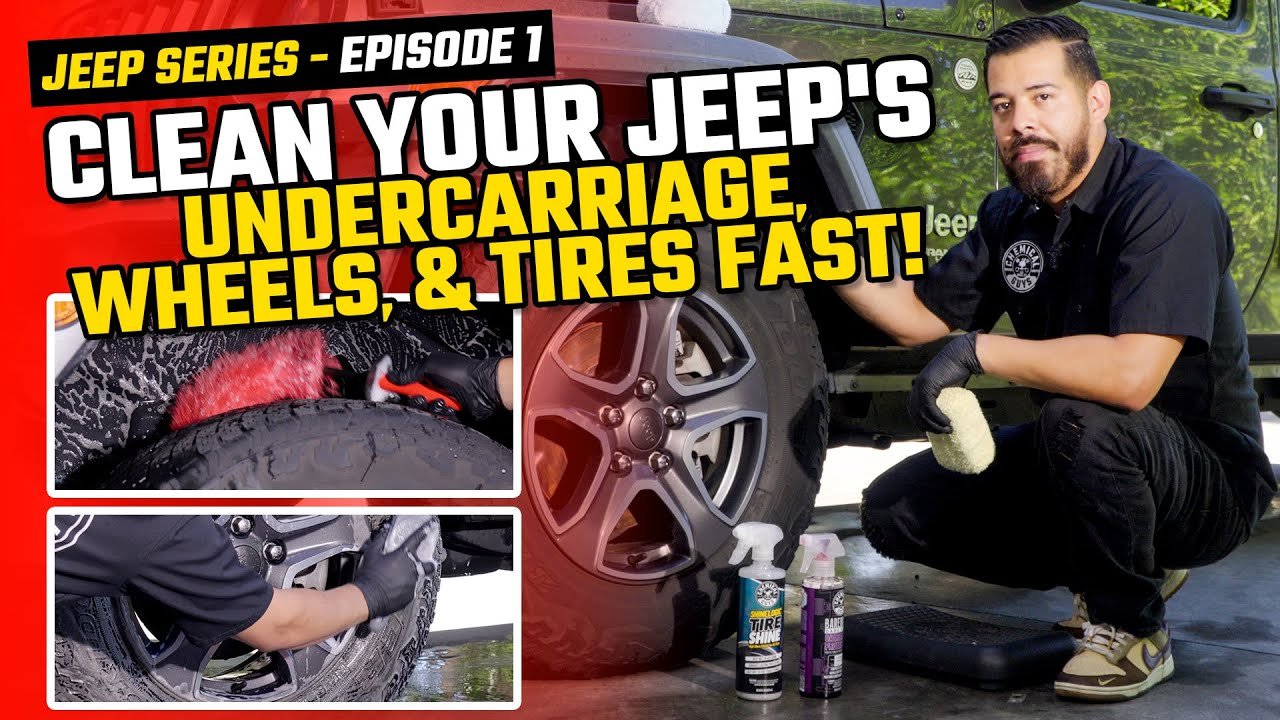
Keeping your Jeep’s undercarriage clean is more than just cosmetic it’s essential for maintaining performance and preventing rust. Many Jeep owners underestimate how much mud, salt, and debris collect underneath their vehicles, especially after off-roading or winter driving.
Over time, these materials can eat away at metal, affect your suspension, and even reduce your Jeep’s value.
Cleaning the undercarriage isn’t complicated, but doing it right makes a big difference. Let’s look at how to clean your Jeep’s undercarriage safely and effectively.
Why Undercarriage Cleaning Matters
The undercarriage is the area most exposed to road debris, salt, mud, and water. According to the National Highway Traffic Safety Administration, vehicles in snowy regions can lose up to 50% of their frame strength within 10 years due to corrosion. Rust and grime can also interfere with brakes, exhaust, and drive shafts.
Many Jeep drivers believe a quick rinse is enough, but hidden pockets trap moisture and dirt. Regular undercarriage cleaning protects your investment and keeps your Jeep ready for adventure.
Supplies You’ll Need
Before starting, gather these supplies for the best results:
- Pressure washer (or garden hose with strong nozzle)
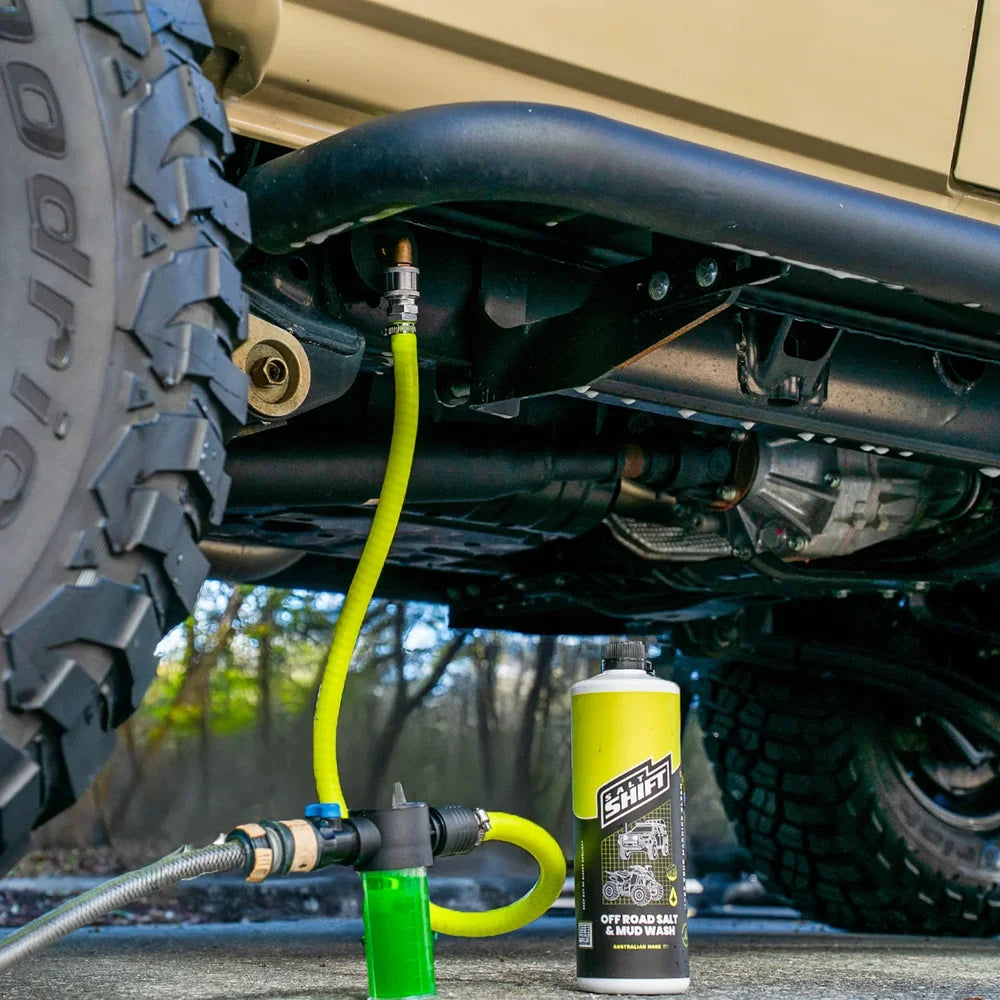
- Undercarriage cleaning attachment (optional but effective)
- Degreaser or automotive soap
- Stiff-bristled brush
- Safety goggles and gloves
- Jack and stands (for raised cleaning)
- Microfiber towels
Using the right tools saves time and improves cleaning quality. Many beginners skip the degreaser, but it’s vital for removing oily buildup.
Step-by-step Cleaning Process
1. Prepare Your Jeep
Park your Jeep on a flat surface. If possible, raise it using a jack and stands to access hard-to-reach spots. Always wear safety goggles to protect your eyes from splashes.
2. Rinse Off Loose Debris
Start with a pressure washer to remove mud, sand, and stones. Begin at the front and work toward the back. Pay special attention to wheel wells, skid plates, and frame rails.
3. Apply Degreaser
Spray a degreaser or automotive soap onto the undercarriage. Let it sit for 5-10 minutes. This breaks down oil and tough grime. Avoid harsh chemicals that could damage rubber or plastic parts.
4. Scrub Critical Areas
Use a stiff-bristled brush to scrub areas where dirt collects—behind wheels, around the exhaust, and near suspension components. For deep cleaning, an undercarriage attachment helps reach inside cross members and corners.
5. Final Rinse
Rinse thoroughly with clean water. Check for remaining residue.
If you see rust spots, treat them with a rust remover as soon as possible.
6. Dry And Inspect
Use microfiber towels to dry the undercarriage. Inspect for damage, rust, or leaks. If you notice any issues, address them before your next drive.
Comparing Cleaning Methods
Some Jeep owners use DIY methods, while others prefer professional services. Here’s a quick look at the differences:
| Method | Cost | Time Required | Effectiveness |
|---|---|---|---|
| Home Pressure Washer | $0-$150 (equipment) | 30-60 min | Good for regular maintenance |
| Professional Service | $40-$100 per session | 20-30 min | Deep cleaning, rust treatment |
| Automatic Car Wash | $10-$25 | 10-15 min | Limited undercarriage access |
Most Jeep enthusiasts prefer home cleaning for routine care and professional services for major cleanup after off-roading.
Common Mistakes To Avoid
Many first-timers make errors that can damage their Jeep or reduce cleaning effectiveness:
- Using harsh chemicals that harm rubber bushings or electrical wires.
- Ignoring wheel wells and suspension, where mud packs tightly.
- Not drying thoroughly, leading to hidden rust.
- Skipping regular cleaning, allowing buildup that’s harder to remove later.
A smart tip: Clean your undercarriage after every muddy or salty trip, not just when it looks dirty.
Undercarriage Protection
Once your Jeep is clean, consider using a protective spray or coating. These products create a barrier against moisture and salt, reducing the risk of rust. Here’s a comparison of popular options:
| Protection Type | Application Frequency | Typical Cost | Rust Prevention |
|---|---|---|---|
| Rubberized Undercoating | Every 1-2 years | $50-$80 | Excellent |
| Oil-based Spray | Annually | $40-$70 | Good |
| Wax-based Treatment | Annually | $60-$90 | Moderate |
Rubberized undercoating is popular among Jeep owners who live in areas with heavy snow or salt.
Extra Tips For Jeep Owners
- Clean after every off-road trip or winter storm.
- Check underbody bolts and fasteners for tightness.
- Look for early rust spots—catching them early saves money.
- Use a mirror or camera for hard-to-see areas.
- Avoid cleaning right after driving; let the engine cool to prevent burns.
Many people miss the importance of regular inspection. By checking your Jeep every month, you prevent expensive repairs and keep your ride safe.
For more details about vehicle maintenance, visit the Jeep Official Care page.
Frequently Asked Questions
How Often Should I Clean My Jeep’s Undercarriage?
You should clean the undercarriage at least once a month. After off-roading or driving on salted roads, clean it within a few days to prevent rust.
Is A Pressure Washer Safe For The Undercarriage?
Yes, a pressure washer is safe if used correctly. Avoid spraying directly at electrical connectors or soft rubber parts. Use a moderate setting.
Can I Use Household Cleaners For Undercarriage Cleaning?
It’s best to use automotive degreasers. Household cleaners may be too strong or not effective against oil and road grime.
What’s The Best Way To Remove Rust?
Use a rust remover designed for cars. Apply it to affected areas and follow up with protective coating. For severe rust, professional help may be needed.
Does Undercarriage Cleaning Improve Resale Value?
Absolutely. A clean, rust-free undercarriage shows buyers you’ve maintained your Jeep well and can increase resale value by up to 10%.
Taking care of your Jeep’s undercarriage keeps your vehicle strong, reliable, and ready for adventure. With regular cleaning and inspection, you’ll enjoy smoother rides and avoid costly repairs down the road.