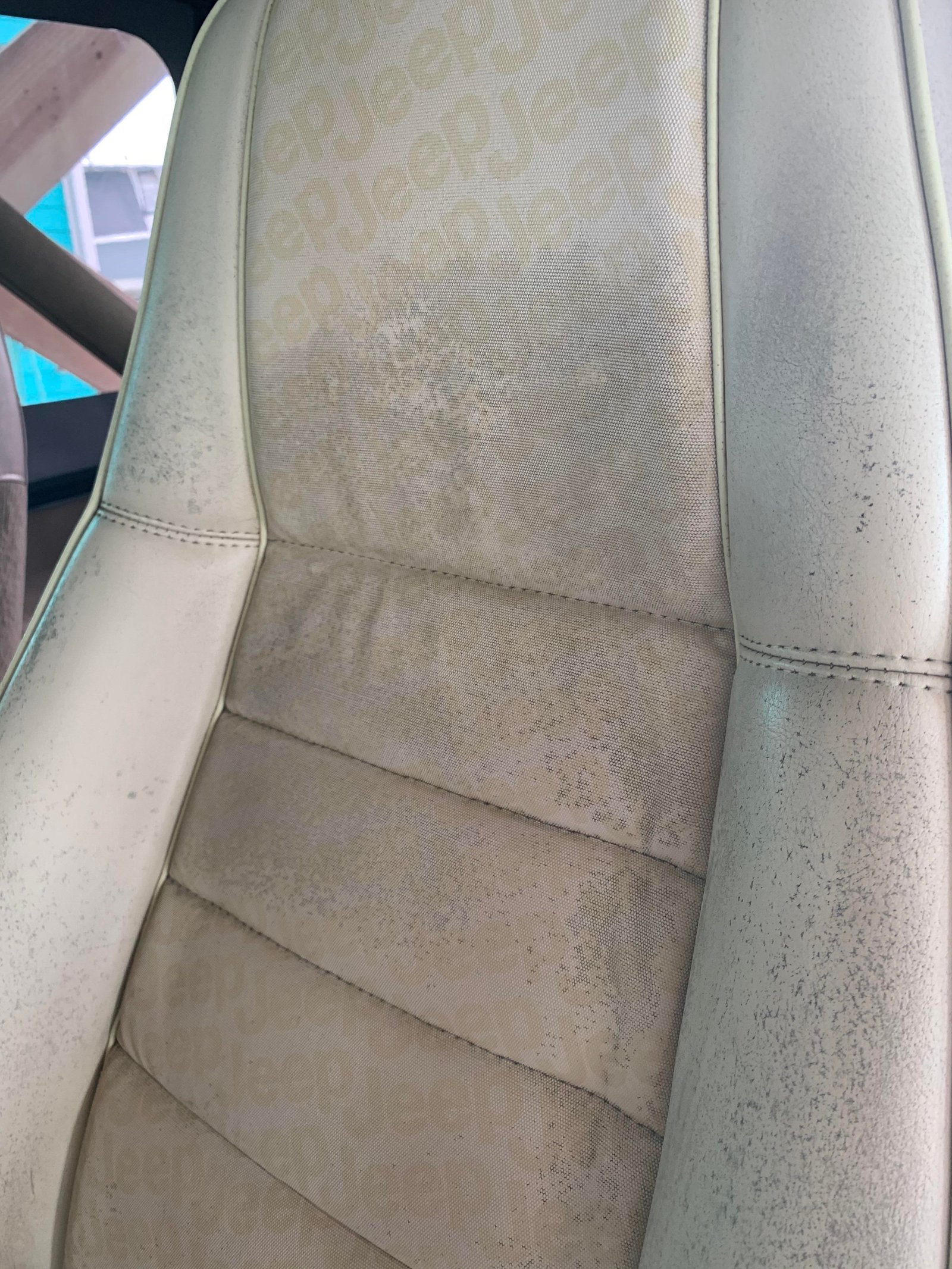
Keeping your Jeep seats clean isn't just about looks. Clean seats help your Jeep stay comfortable and fresh, whether you’re driving on city streets or off-road trails.
Dust, mud, sweat, and spills can quickly make seats dirty. Over time, stains and odors can build up, making your Jeep less enjoyable and even hurting its resale value.
You don’t need expensive tools or professional help just the right approach and a bit of effort. In this guide, you'll learn simple steps for cleaning all types of Jeep seats, from cloth to leather, plus tips to keep them spotless longer.
Understanding Jeep Seat Materials
Jeep seats come in several materials. Each needs a different cleaning method.
Choosing the right approach protects your seats and keeps them in top shape.
| Seat Material | Main Features | Common Issues |
|---|---|---|
| Cloth | Comfortable, absorbs moisture | Stains, odors, dust |
| Leather | Luxurious, easy to wipe | Cracking, fading, stains |
| Vinyl | Durable, water-resistant | Sticky residue, fading |
Cloth seats are most sensitive to spills and can hold odors. Leather seats need gentle care to avoid cracks. Vinyl seats are tough but can get sticky or faded if cleaned with harsh chemicals.
Preparing For Cleaning
Before you start, gather your supplies. Using the right tools makes cleaning easier and safer.
- Vacuum cleaner with brush attachment
- Soft cloths or microfiber towels
- Mild soap or seat-specific cleaner
- Soft-bristle brush
- Leather conditioner (for leather seats)
- Spray bottle (for diluted cleaners)
Always check your Jeep’s manual for cleaning recommendations. Using improper products can damage your seats.
Step-by-step Cleaning Process
Cleaning Cloth Seats
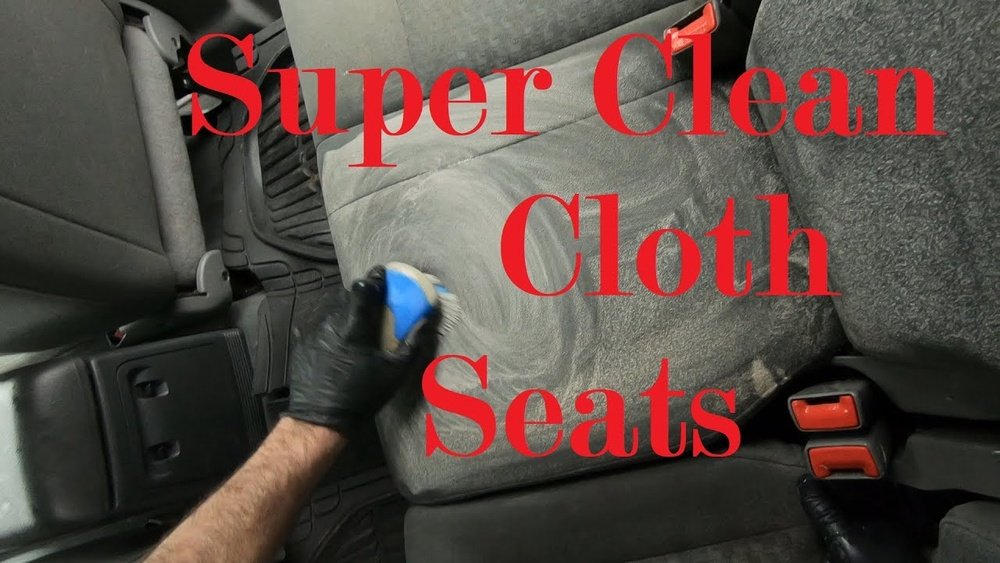
- Vacuum thoroughly: Remove loose dirt, crumbs, and dust. Use the brush attachment to reach seams and corners.
- Treat stains: Mix mild soap with water. Dampen a cloth and blot stains gently. Avoid rubbing—this can spread the stain.
- Deep clean: Lightly spray diluted soap solution over the seat. Scrub with a soft-bristle brush in circular motions.
- Wipe off residue: Use a clean, damp cloth to remove soap. Dry the seat with a towel.
- Let air dry: Open doors or windows for faster drying. Avoid sitting until seats are fully dry.
Cleaning Leather Seats
- Vacuum first: Remove dust and grit. Grit can scratch leather if rubbed.
- Wipe with cleaner: Use a leather-specific cleaner. Apply with a soft cloth, working in small sections.
- Dry and condition: Wipe seats dry. Apply leather conditioner to keep seats supple and prevent cracks.
- Buff gently: Use a clean cloth to buff seats after conditioning.
Cleaning Vinyl Seats
- Vacuum or wipe: Remove loose debris.
- Clean with soap: Use mild soap and water. Avoid strong chemicals—they can cause fading.
- Rinse and dry: Wipe with a damp cloth and dry with a towel.
| Step | Cloth Seats | Leather Seats | Vinyl Seats |
|---|---|---|---|
| Vacuum | ✓ | ✓ | ✓ |
| Spot Clean | ✓ | — | — |
| Deep Clean | ✓ | ✓ (gentle) | ✓ |
| Condition | — | ✓ | — |
| Dry | ✓ | ✓ | ✓ |
Tips For Tough Stains And Odors
Even with regular cleaning, some stains and odors are hard to remove. Here are practical solutions:
- For mud stains, let mud dry first, then vacuum and spot clean.
- For coffee or food spills, blot quickly with a dry cloth. Use mild soap for sticky residues.
- For pet odors, sprinkle baking soda on seats and let sit for 30 minutes before vacuuming.
- For mildew, use a mix of vinegar and water. Test in a small area first.
Non-obvious insight: Some Jeep seats have removable covers. Washing these in a machine (gentle cycle) can save time, but always check tags for care instructions.

Protecting Jeep Seats After Cleaning
Keeping seats clean is easier than removing tough stains later. Consider these tips:
- Use seat covers: Protect original seats from dirt and spills.
- Apply fabric protectant: Helps resist stains on cloth seats.
- Regularly condition leather: Prevents cracks and keeps seats soft.
- Avoid eating or drinking in your Jeep: Reduces chances of spills.
- Park in shade: Prevents fading and drying, especially for leather and vinyl.
Extra tip: For off-road Jeeps, invest in waterproof seat covers. They handle mud, water, and sand, making clean-up much faster.
| Protection Method | Best For | Benefit |
|---|---|---|
| Seat Covers | All seat types | Easy to clean, protects original material |
| Fabric Protectant | Cloth seats | Repels stains, easier cleaning |
| Leather Conditioner | Leather seats | Prevents cracking, keeps soft |
| Shade Parking | Leather, vinyl | Reduces fading, extends life |
Frequently Asked Questions
How Often Should I Clean My Jeep Seats?
For regular use, clean your seats every one to two months. If you drive off-road or have kids and pets, clean more often.
Can I Use Household Cleaners On Jeep Seats?
Avoid strong household cleaners. Use mild soap or products made for car interiors. Harsh chemicals can damage seat material.
What Is The Best Way To Remove Bad Smells From Seats?
Sprinkle baking soda and let it sit. Vacuum afterward. For stubborn odors, use seat-specific odor eliminators.
Are Seat Covers Worth It For Jeeps?
Yes. Seat covers protect against stains, fading, and wear. They’re especially useful for off-road or daily drivers.
Where Can I Find Official Cleaning Advice For Jeep Interiors?
Check your Jeep owner’s manual or visit the official Jeep website. You can also find advice at Consumer Reports.
With the right techniques, you can keep your Jeep seats looking great for years. Cleaning isn't difficult it’s about consistency and using the right products.
Take care of your seats and your Jeep will stay comfortable, stylish, and ready for adventure.