Cleaning your Jeep’s engine might sound intimidating, but it’s easier than most people think. A clean engine bay looks great, helps you spot leaks early, and can even prevent long-term problems.
Many Jeep owners avoid engine cleaning because they worry about damaging electronics or getting water in the wrong places.
The truth is, with a few simple steps and precautions, you can safely clean your Jeep engine and keep it running smoothly. This guide will walk you through the entire process, including tips that most beginners miss.
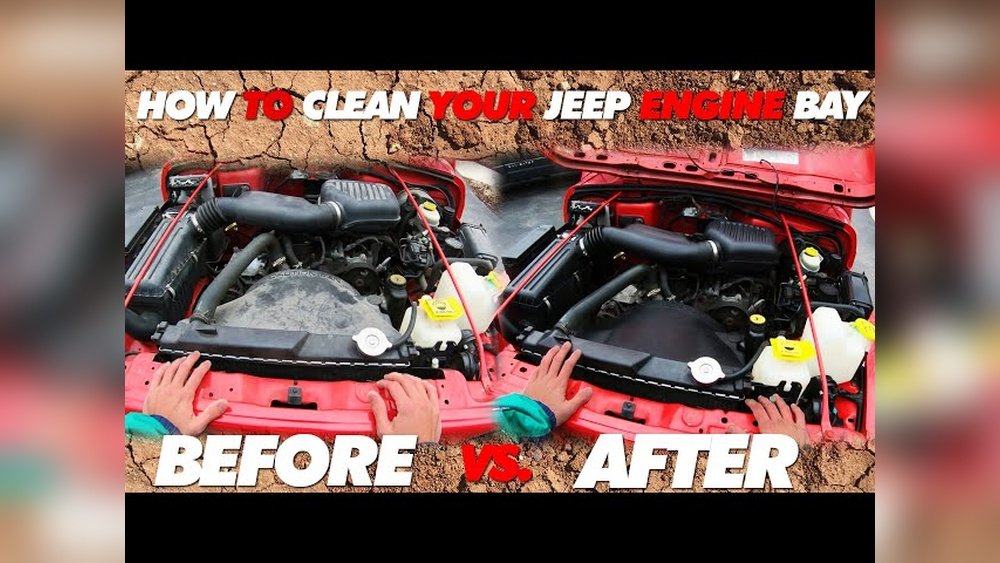
Why Clean Your Jeep Engine?
A dirty engine bay can trap heat, hide leaks, and make repairs difficult. Over time, dirt, oil, and debris build up under the hood. This affects performance and can even damage parts. According to the Car Care Council, regular cleaning helps extend engine life and maintain value. Plus, it’s easier to sell a well-maintained Jeep.
What You Need Before You Start
Having the right supplies makes the job faster and safer. Here’s a quick overview:
- Protective gloves and eyewear: For safety from chemicals and debris.
- Plastic bags and tape: To cover sensitive parts.
- Degreaser: For breaking down oil and grime.
- Soft brush: Helps scrub dirt without scratching.
- Garden hose or pressure washer (low setting): For rinsing.
- Microfiber towels: For drying and detailing.
- Compressed air (optional): For quick drying in tight spots.
Key Areas To Cover
Before you begin, identify these sensitive parts:
- Battery
- Alternator
- Air intake
- Fuse box
- Any exposed wiring or sensors
Cover these with plastic bags and secure them with tape. This step protects your Jeep’s electrical components from water.
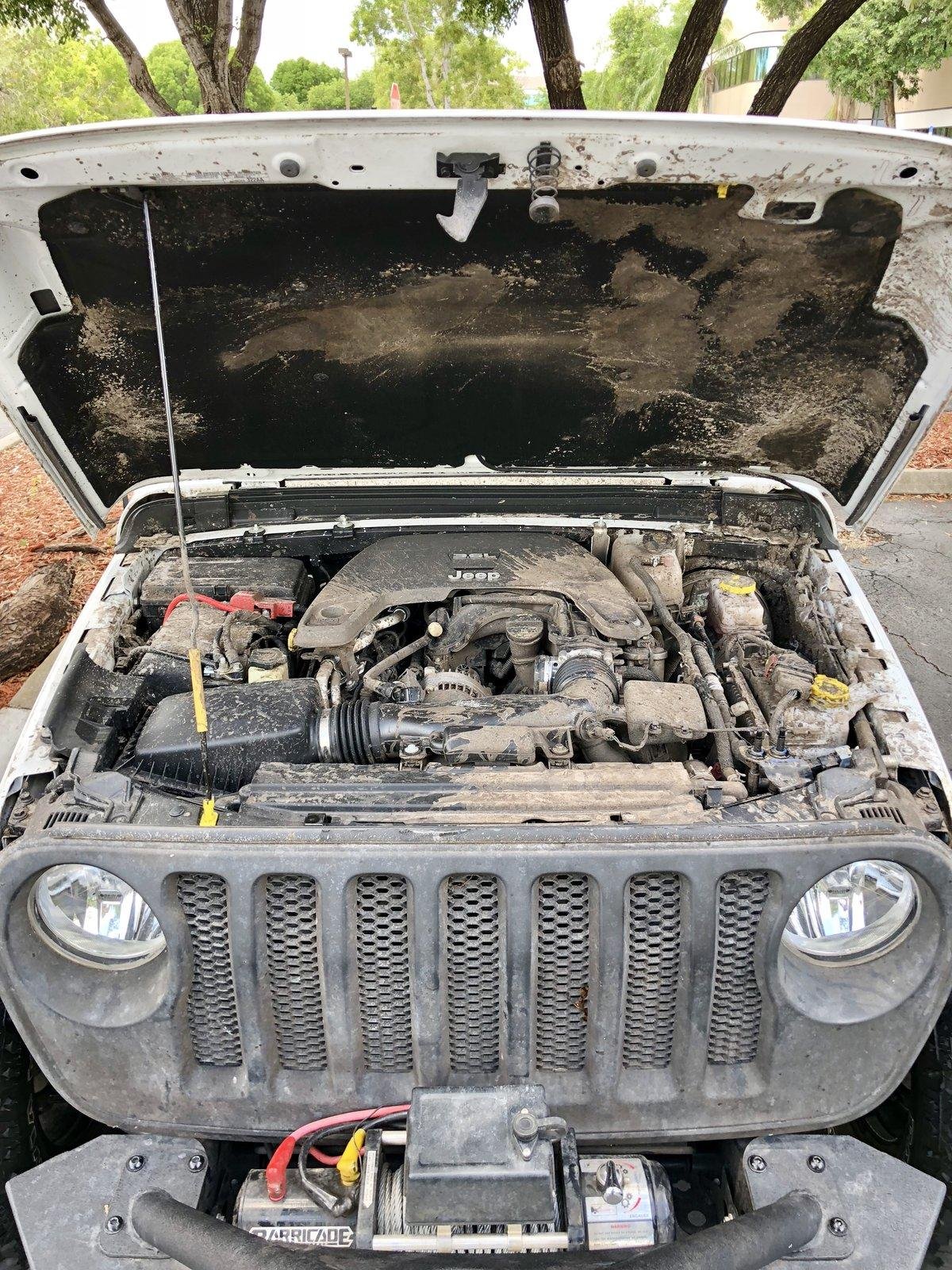
Step-by-step: How To Clean Jeep Engine
Follow these steps for a safe and thorough clean:
1. Let The Engine Cool
Never clean a hot engine. Wait at least 30 minutes after driving.
A cool engine prevents burns and stops chemicals from evaporating too quickly.
2. Remove Loose Debris
Open the hood and clear out leaves, twigs, and dirt by hand or with compressed air. Pay attention to corners where debris collects.
3. Protect Sensitive Parts
Cover the battery, alternator, air intake, and fuse box with plastic bags and tape. Make sure they’re sealed well.
4. Apply Degreaser
Spray a non-corrosive engine degreaser on dirty surfaces. Avoid soaking electrical parts. Let it sit for 3–5 minutes to break down grime.
5. Scrub Stubborn Areas
Use a soft brush to gently loosen dirt. Focus on oily spots near the valve cover and around hoses. Don’t use wire brushes they scratch surfaces.
6. Rinse Carefully
Use a garden hose with low pressure, or a pressure washer set to minimum. Keep the nozzle 2 3 feet away from the engine. Avoid aiming directly at electrical parts.
7. Dry The Engine Bay
Wipe off excess water with microfiber towels. Remove plastic coverings.
If possible, use compressed air to blow out water from tight spots. Leave the hood open for 30 minutes to let everything air dry.
8. Finish And Inspect
Start your Jeep and let it run for a few minutes. Check for warning lights or strange noises. Inspect for leaks or missed dirt.
Jeep Engine Cleaning: Common Mistakes
Many beginners rush or skip important steps. Here’s what to avoid:
- Skipping protective covers: Water can short electrical parts.
- Using high-pressure washers: Too much force can break seals or force water inside connectors.
- Cleaning a hot engine: This risks burns and damages plastic parts.
- Using harsh chemicals: Stick with products labeled “engine safe.”
How Often Should You Clean?
For most Jeep owners, cleaning the engine bay every 6–12 months is enough. If you drive off-road or in dusty areas, clean more often. After muddy trails or water crossings, rinse debris away as soon as possible.
Comparing Cleaning Methods
Here’s how common engine cleaning methods compare:
| Method | Effort | Safety | Best For |
|---|---|---|---|
| Hand cleaning | High | Very Safe | Delicate engines |
| Hose rinse | Medium | Safe (if careful) | Light dirt |
| Pressure washer | Low | Risky if misused | Heavy mud |
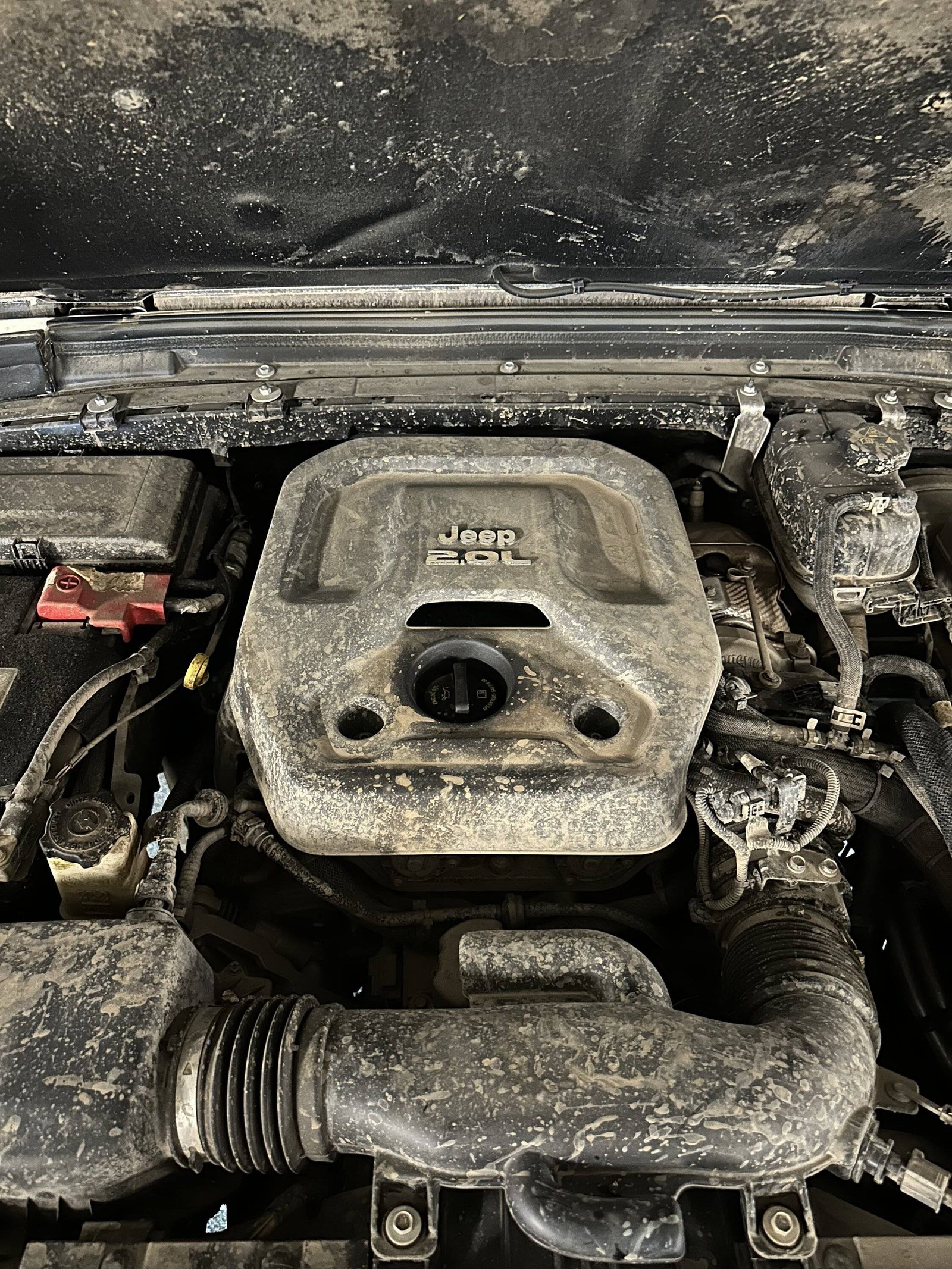
Engine Bay Materials: What To Watch For
Jeep engine bays use different materials that react to cleaning products in unique ways.
| Material | Cleaners to Use | Cleaners to Avoid |
|---|---|---|
| Plastic covers | Mild degreaser, soap | Solvents, harsh chemicals |
| Rubber hoses | Soap, water | Petroleum-based products |
| Metal parts | Engine degreaser | Strong acids |
Quick Checklist Before You Start
Use this final checklist to avoid mistakes:
- Engine is cool
- All sensitive parts are covered
- Correct cleaner is ready
- Tools and towels are nearby
- You have enough time (plan for 1 hour)
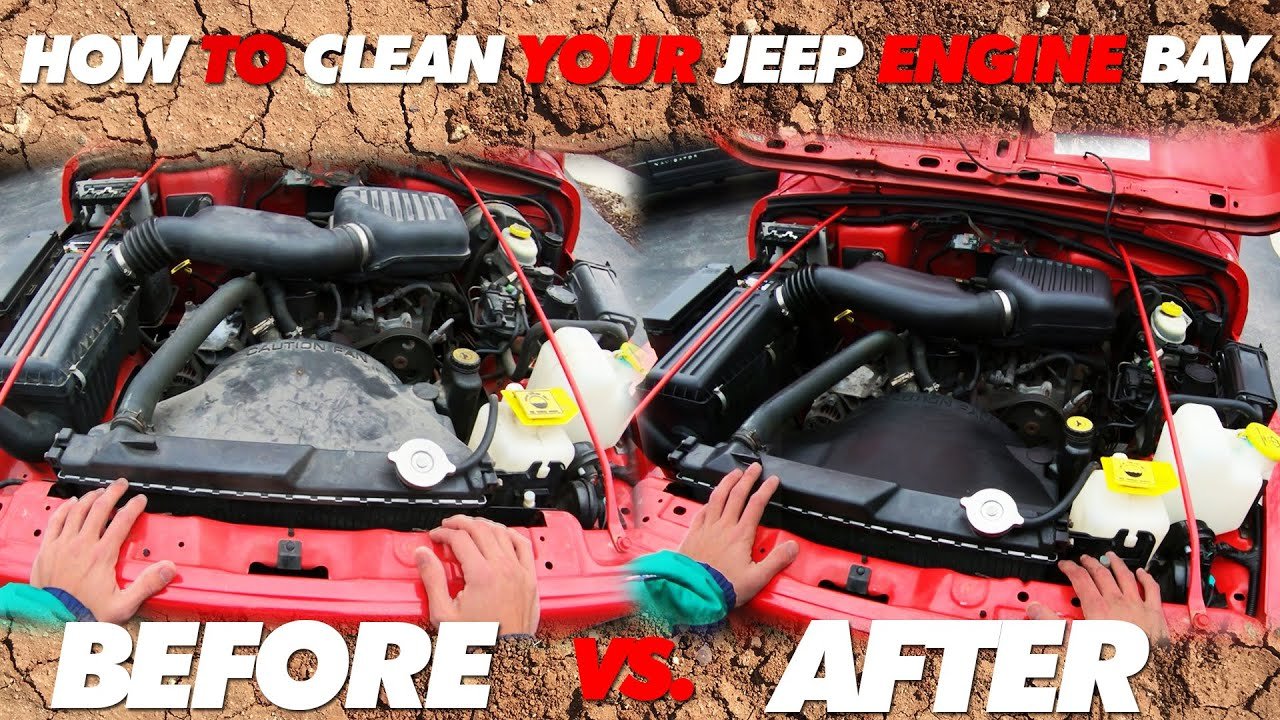
Extra Tips Most People Miss
- Test your degreaser on a small area first. Some products discolor plastic or paint.
- Keep the hood up after cleaning. This helps moisture escape and prevents corrosion.
- Check for leaks after cleaning. New leaks are easier to spot on a clean engine.
Safety And Environmental Notes
Never let degreaser or dirty water run into storm drains. Clean over gravel or grass, or use a drip pan.
Dispose of oily rags and used towels properly never in household trash.
For more about engine detailing and environmental safety, see the Wikipedia article on engine cleaning.
Frequently Asked Questions
How Long Does It Take To Clean A Jeep Engine?
Most jobs take about one hour from start to finish, including drying time. Heavy mud or oil buildup might take longer.
Can I Use A Pressure Washer On My Jeep’s Engine?
Yes, but only on a low setting and with caution. Keep the spray away from sensitive parts and never use high pressure directly on wires or connectors.
Is It Safe To Clean A Modern Jeep Engine With Electronics?
Yes, as long as you cover the battery, alternator, and sensors with plastic bags. Modern engines are built to handle some moisture, but direct water on electronics should always be avoided.
What’s The Best Time To Clean The Engine?
On a cool, dry day. Avoid cleaning after driving, and never wash when it’s freezing outside, as water can freeze in connectors.
How Do I Keep My Jeep Engine Clean Longer?
Check for leaks regularly, avoid driving through deep mud or water, and wipe off dust with a dry cloth every few weeks.
Cleaning your Jeep engine is a smart way to protect your investment and spot problems early. With the right supplies and careful steps, you’ll keep your engine bay looking great and running well for years.