Clamping exhaust pipes together is a task many car owners face. Maybe you’re replacing a rusty section, installing an aftermarket muffler, or fixing a loose connection.
If you don’t want to weld, using exhaust clamps is a strong and affordable solution.
But to get a leak-free, safe fit, you need to know the right tools, types of clamps, and the proper technique. This guide walks you through everything you need to clamp exhaust pipes together with confidence.
Understanding Exhaust Clamps
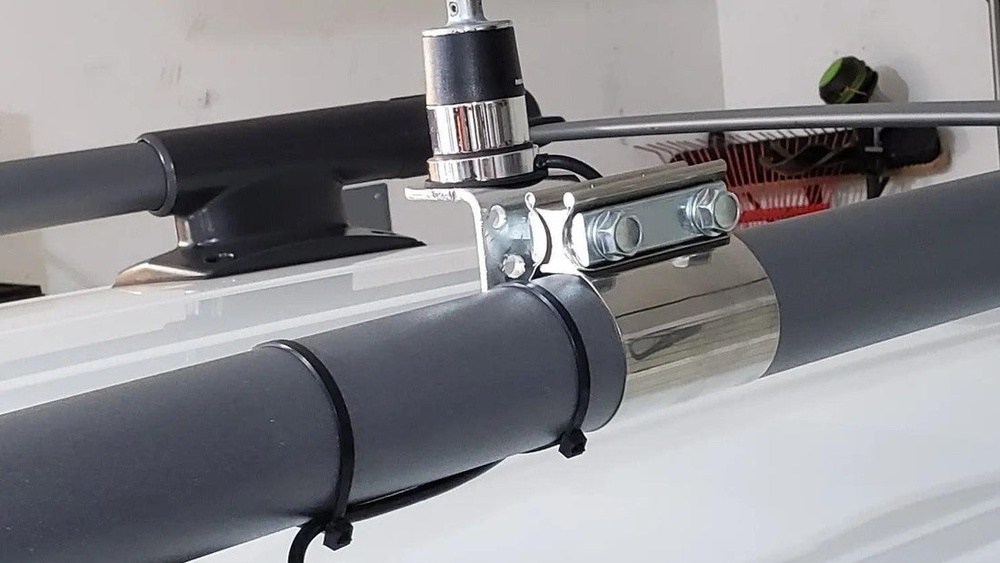
Exhaust clamps are designed to hold exhaust pipes tightly and seal the connection. They come in different shapes and sizes, but all aim to keep your exhaust system secure and leak-free.
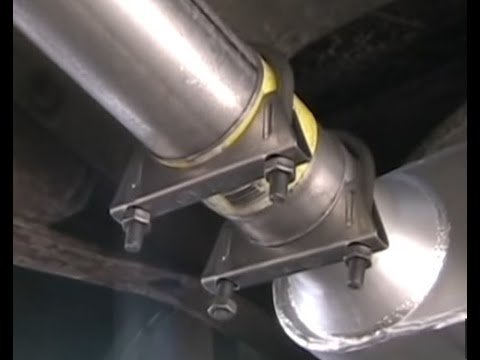
Common Types Of Exhaust Clamps
| Clamp Type | Main Use | Strength |
|---|---|---|
| U-Bolt Clamp | Joining straight pipe sections | Basic |
| Band Clamp | Sealing slip joints and muffler connections | Good |
| V-Band Clamp | Performance exhausts and turbo systems | Excellent |
U-bolt clamps are cheap and easy to find but can crush pipes. Band clamps give a better seal and don’t damage the metal. V-band clamps are strong and reusable but more expensive. For most DIY jobs, band clamps work best.
Tools And Materials You Need
Before starting, gather these items:
- The right size exhaust clamps (match to your pipe diameter)
- Socket wrench or spanner
- Penetrating oil (for rusty bolts)
- Exhaust sealant (optional, for extra sealing)
- Safety gloves and goggles
- Wire brush or sandpaper
If the pipes are old or rusty, having penetrating oil and a wire brush makes the job easier.
Preparing The Exhaust Pipes
A clean surface gives the best seal. Start by letting the exhaust cool completely to avoid burns.
If the pipes have rust or dirt, use a wire brush or sandpaper to clean the area where the clamp will sit. This helps the clamp grip and seals better.
Check pipe ends for dents or bends. Pipes should fit tightly together loose joints often leak, even with a clamp.
If the fit is sloppy, you may need a sleeve or adapter.
Step-by-step: How To Clamp Exhaust Together
Follow these steps for a secure, leak-free connection:
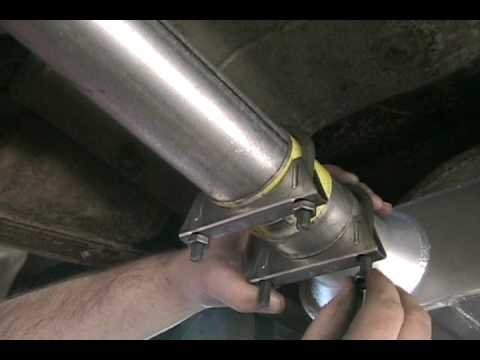
- Align the pipes. Slide the new section or muffler into place. The pipes should overlap by at least 2 inches for a strong hold.
- Test the fit. Make sure the joint is snug. If it’s loose, try a slightly larger clamp or use an exhaust adapter sleeve.
- Apply sealant (optional). For extra leak protection, spread a thin layer of high-temperature exhaust sealant around the pipe end before joining.
- Position the clamp. Place the clamp over the joint so it covers both pieces equally. For band clamps, center the band over the overlap.
- Tighten evenly. Use a socket wrench to tighten the clamp bolts. Alternate sides (if the clamp has two bolts) to keep pressure even. Don’t overtighten—a good rule is to tighten until the clamp feels snug, then add a quarter turn.
- Check for gaps. Look for any space between the clamp and the pipe. If you see any, tighten a bit more.
- Test for leaks. Start the engine and listen for hissing sounds around the joint. Lightly run your hand (be careful, it may be hot) near the clamp to feel for escaping air.
Example: Muffler Installation
When installing a new muffler, band clamps are often used. After sliding the muffler onto the tailpipe, use a band clamp for a solid seal.
Many mechanics add a small bead of exhaust sealant for extra insurance.
Clamp Types: What’s Best For Your Job?
Choosing the right clamp makes a big difference. Here’s a quick comparison:
| Clamp Type | Pros | Cons |
|---|---|---|
| U-Bolt | Cheap, easy to find | Can crush pipes, hard to remove |
| Band | Strong seal, reusable, doesn’t damage pipes | Costs more than U-bolt |
| V-Band | Best seal, quick to remove | High cost, may need welding |
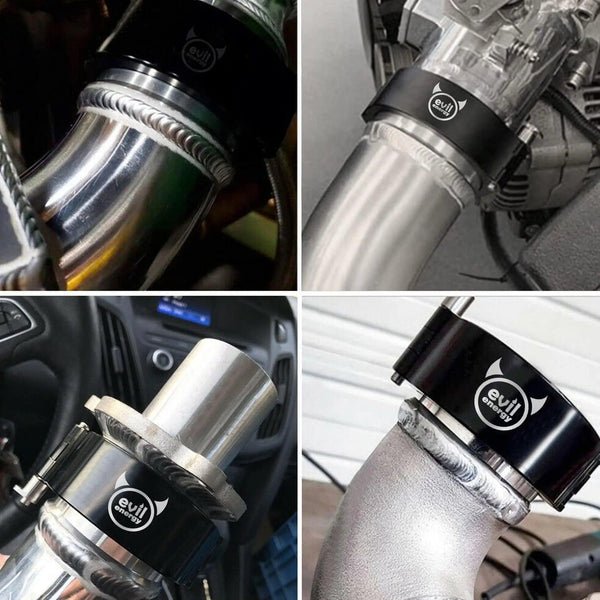
For most street cars, band clamps are the top choice. Performance cars with turbo setups often use V-band clamps because they handle high pressure and temperature.
Mistakes To Avoid
Many beginners make the same errors:
- Using the wrong size clamp. Always measure your pipe diameter before buying.
- Not cleaning pipe surfaces. Dirt or rust makes leaks more likely.
- Overtightening. This can crush the pipe, making future repairs difficult.
- Under-tightening. Loose clamps cause rattles and leaks.
- Ignoring leaks. Even small leaks can let fumes into the cabin—fix immediately.
A non-obvious tip: Always retighten clamps after a few heat cycles. Exhaust pipes expand and contract, so bolts may loosen slightly after the first few drives.
When To Replace, Not Clamp
Clamps are a great solution for small repairs or upgrades. But if your pipe is badly rusted, thin, or cracked, a clamp won’t hold for long.
In these cases, replacing the section or welding is safer.
Extra Tips For A Lasting Seal
- Use stainless steel clamps for better rust resistance, especially in snowy or coastal areas.
- If a clamp keeps loosening, try using a locking nut or thread-locking compound on the bolts.
- For custom exhausts, always test-fit everything before final tightening.
Some mechanics also recommend marking the clamp and pipe with a paint pen. This helps you see if the clamp shifts over time.
For more technical details on exhaust systems, you can visit Wikipedia’s exhaust system page.
Frequently Asked Questions
How Tight Should I Make An Exhaust Clamp?
Tighten the clamp until it feels snug, then add a quarter turn. Avoid overtightening, as this can crush the pipe and make removal difficult.
Can I Reuse Exhaust Clamps?
Band clamps and V-band clamps are usually reusable if not damaged. U-bolt clamps often deform when removed and are best replaced with new ones.
Do I Need Sealant With Exhaust Clamps?
Sealant is not always required, but it helps stop small leaks, especially if the pipes are slightly worn or pitted.
What Size Clamp Do I Need For My Exhaust?
Measure the outside diameter of the pipes at the joint. Buy a clamp that matches this size closely too loose or tight can cause problems.
Will Exhaust Clamps Last As Long As A Welded Joint?
Clamps are strong for most uses, but a good weld is more permanent. Clamps may need re-tightening over time, while welds usually do not.
Clamping exhaust pipes together is a simple but precise job. With the right clamp, a clean fit, and careful tightening, you can fix your exhaust without welding and keep your car safe and quiet on the road.