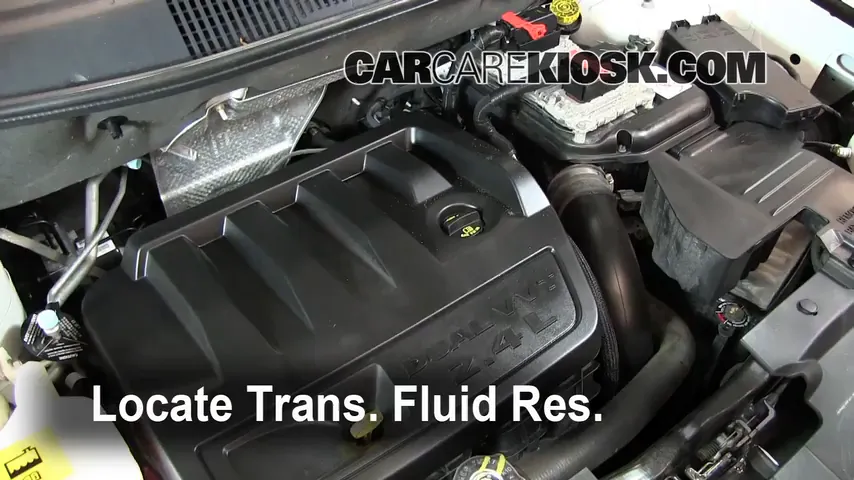
Keeping your 2012 Jeep Compass running smoothly means taking care of its transmission. One key task is checking the transmission fluid. This fluid helps your vehicle shift gears and keeps the transmission cool. If the fluid level gets low or dirty, your Jeep may run poorly or even get damaged. Many drivers overlook this job because it seems complicated, especially on newer cars. But with a little guidance, you can check the fluid yourself and spot problems early—saving money and stress.
Why Checking Transmission Fluid Matters
Your transmission needs the right amount of clean fluid to work properly. Low or dirty fluid can cause:
- Rough shifting
- Slipping gears
- Transmission overheating
- Expensive repairs
Transmission problems are one of the most costly car issues. Regular checks can prevent damage. For the 2012 Jeep Compass, this step is even more important because it uses a CVT (Continuously Variable Transmission), which is sensitive to fluid issues.
What You’ll Need
Before you start, gather these items:
- Clean rag or paper towel
- Long funnel
- Correct transmission fluid (Mopar CVT+4 for most 2012 Jeep Compass models)
- Latex gloves (optional, but helps keep hands clean)
- Flat surface to park your vehicle
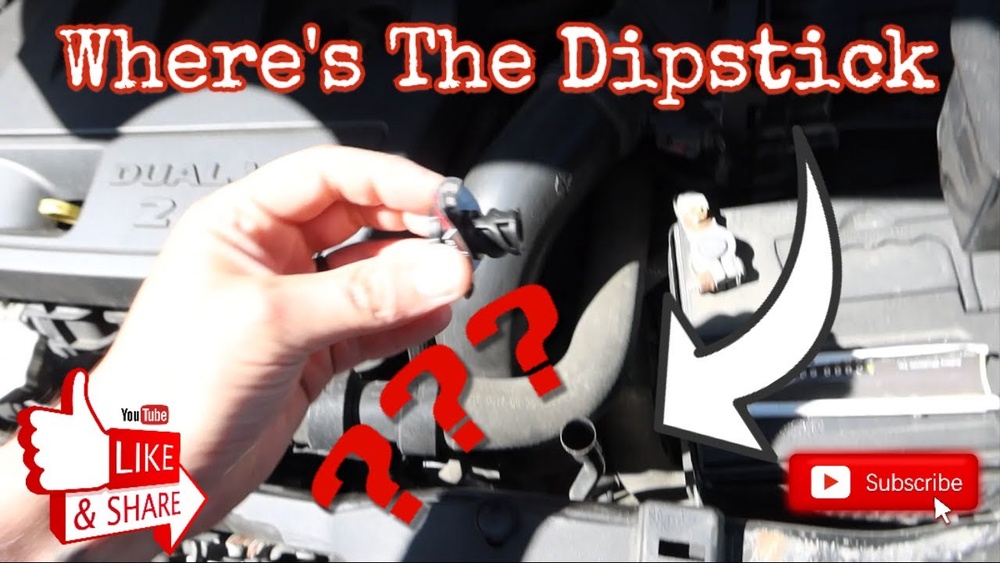
Most 2012 Jeep Compass models do not have a traditional dipstick for the transmission. Instead, they use a sealed system. You will need a special transmission fluid dipstick tool. These are available at auto parts stores or online.
Steps To Check Transmission Fluid On A 2012 Jeep Compass
1. Warm Up The Engine
Start your Jeep and let it run for about 10 minutes. This warms the fluid, giving an accurate reading.
2. Park On A Level Surface
Make sure your Jeep is parked on a flat area. Shift through each gear (P, R, N, D) for a few seconds, then leave the gear selector in ‘Park’.
3. Locate The Transmission Dipstick Tube
The 2012 Jeep Compass doesn’t come with a dipstick in the tube, but the tube is still there. Look for a capped tube near the back of the engine bay labeled “CVT Fluid Only. “
4. Insert Special Dipstick Tool
Remove the cap. Insert the special dipstick into the tube until it bottoms out. Do not force it.
5. Check The Fluid Level
Pull out the dipstick and look at the markings. The fluid should be between the “COLD” and “HOT” marks, depending on your engine temperature.
6. Inspect Fluid Condition
The fluid should be reddish and clear. If it’s dark, cloudy, or smells burnt, it’s time to change it.
7. Add Fluid If Needed
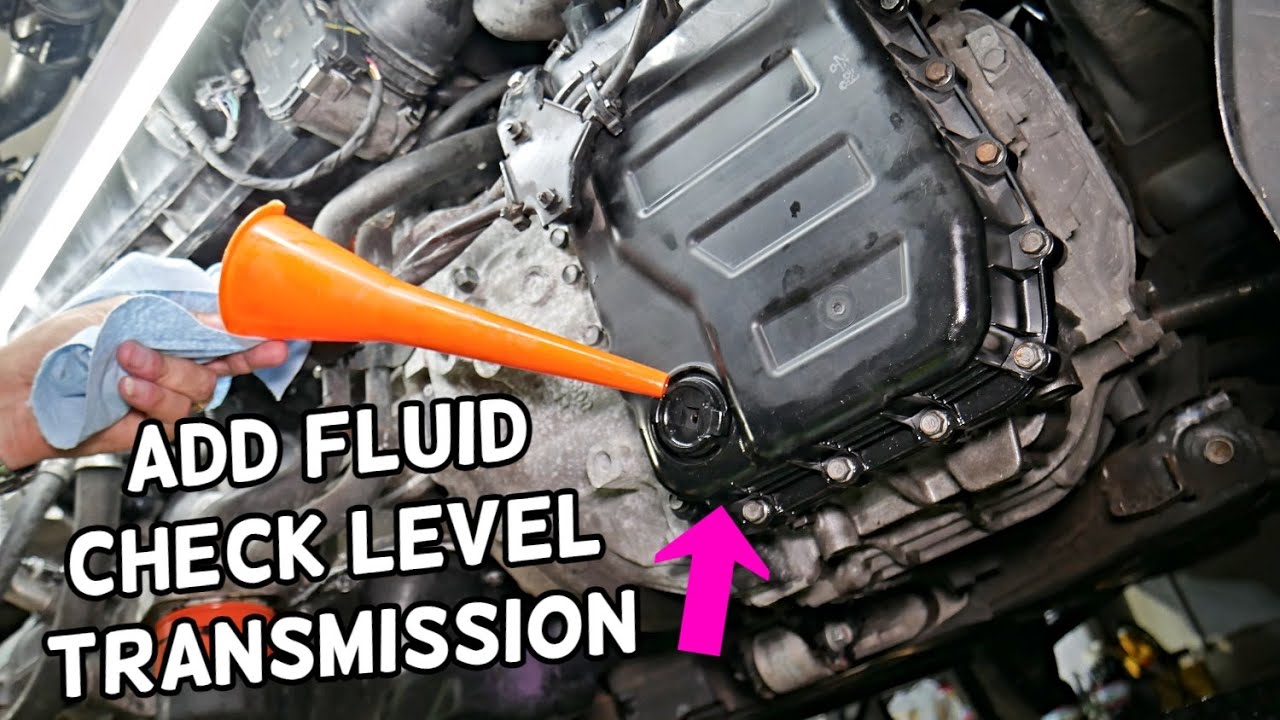
If the level is low, use a funnel to slowly add the correct fluid. Avoid overfilling. Check again after adding.
8. Replace Cap And Clean Up
Put the cap back on tightly. Clean any spilled fluid.
How Often Should You Check Transmission Fluid?
Jeep recommends checking every 30,000 miles or once a year, whichever comes first. If you often drive in hot weather, tow, or drive off-road, check more often.
Common Mistakes To Avoid
- Using the Wrong Fluid: Always use Mopar CVT+4 or the exact type listed in your owner’s manual.
- Checking When Cold: Readings are inaccurate if the fluid isn’t warmed up.
- Overfilling: Too much fluid is as bad as too little.
- Ignoring Fluid Color: Dark or burnt fluid signals trouble.
- Not Using the Special Tool: Using a regular dipstick gives incorrect results.
Signs Your Transmission Fluid Needs Attention
Watch for these warning signs:
- Delayed or rough shifting
- Unusual noises when shifting
- Fluid leaks under your Jeep
- Burning smell
If you notice any of these, check your fluid right away.
Cost And Benefits Of Checking Yourself
A dealership may charge $50–$100 just to check transmission fluid. Doing it yourself saves money and helps you understand your Jeep better. Plus, you can spot leaks or changes in fluid quality early—potentially avoiding repairs that can cost over $2,000.
Comparison: Diy Vs. Professional Service
Here’s a quick look at the pros and cons.
| Option | Cost | Time Needed | Skill Level |
|---|---|---|---|
| DIY | $10–$30 (tool + fluid) | 20–30 minutes | Beginner |
| Professional | $50–$100 | 1 hour (including wait) | None |

Transmission Fluid Types For 2012 Jeep Compass
Using the right fluid is critical. Here are the options:
| Fluid Type | Recommended Use |
|---|---|
| Mopar CVT+4 | All 2012 Jeep Compass CVT models |
| ATF+4 | Some non-CVT models (rare for 2012) |
Always double-check your owner’s manual or the label under your hood.
Two Key Insights Most Beginners Miss
- Transmission Fluid Expands When Warm: Always check after warming up the engine for a true reading. Cold readings can make the level look too low.
- Fluid Can Look Clean but Still Be Old: Even if fluid looks okay, it can lose its protective qualities over time. Stick to the service schedule, not just the fluid color.
Where To Learn More
For more details on transmission care and fluids, see the official Jeep Maintenance Guide.
Frequently Asked Questions
How Often Should I Change The Transmission Fluid In My 2012 Jeep Compass?
Jeep recommends every 60,000 miles for most drivers, but check sooner if you notice problems or drive in tough conditions.
What Happens If I Use The Wrong Transmission Fluid?
Using the wrong type can cause shifting issues and even permanent transmission damage. Always use Mopar CVT+4 for the 2012 Compass CVT.
Can I Check Transmission Fluid Without The Special Dipstick Tool?
No. The sealed system requires the special tool for accurate readings. Using a regular dipstick is unreliable.
My Fluid Looks Clean, But My Jeep Shifts Badly. Why?
Fluid can lose its effectiveness even if it looks clean. Old fluid can cause shifting problems. Change it if you’re unsure.
Is It Normal For Transmission Fluid To Go Down Over Time?
No. Fluid should not decrease unless there’s a leak. If you notice a drop, inspect for leaks under your Jeep.
Regularly checking your 2012 Jeep Compass transmission fluid is a small task with big rewards. It helps your Jeep run smoothly, saves money, and gives you peace of mind on the road.