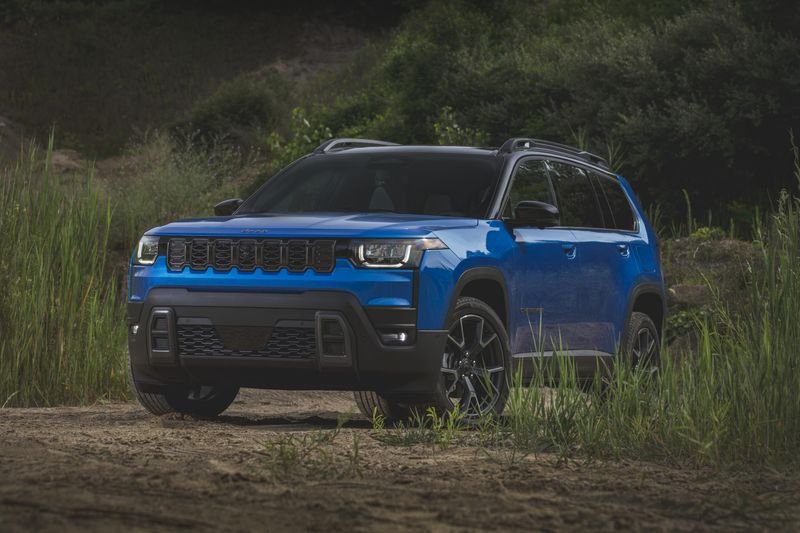
Checking the transmission fluid in your Jeep Cherokee is a simple but important part of maintenance. Good transmission fluid keeps your gears shifting smoothly and prevents damage.
If you skip this step, small problems can quickly become expensive repairs. Many drivers are unsure how to check their transmission fluid or what signs to look for.
Let’s walk through the process so you can keep your Jeep running well and spot issues before they grow.
Why Transmission Fluid Matters
Your Jeep Cherokee’s transmission fluid does more than just lubricate moving parts. It cools, cleans, and protects your transmission. Low or dirty fluid can cause hard shifting, strange noises, or even transmission failure. Most Cherokee owners don’t realize that checking fluid regularly can prevent up to 70% of common transmission issues.
Here are two things many beginners miss:
- Not all Cherokees have a dipstick. Newer models use a sealed system, which requires a different method to check fluid.
- Fluid color and smell are clues. Healthy fluid is bright red and smells sweet. Burnt or brown fluid means it’s time to change it.
Identifying Your Jeep Cherokee Model
Before you start, you need to know your Jeep Cherokee’s model year and engine type. This affects how you check the transmission fluid.
| Model Year | Transmission Type | Dipstick Present? |
|---|---|---|
| 2013 and older | Automatic | Yes |
| 2014 and newer | Automatic (9-speed) | No |
| All years | Manual | No |
If your Jeep Cherokee is 2013 or older with an automatic, you can check the fluid with a dipstick. For 2014 and newer models, the transmission is sealed, and the process is different.
How To Check Transmission Fluid (with Dipstick)
If your model has a dipstick, follow these steps:
1. Warm Up The Engine
Start your Jeep and let it idle for 5-10 minutes. Make sure the car is on a level surface.
Transmission fluid expands when warm, so accuracy depends on temperature.
2. Shift Through Gears
With your foot on the brake, move the gear selector through each position (P, R, N, D, etc. ), then return to Park.
3. Locate The Dipstick
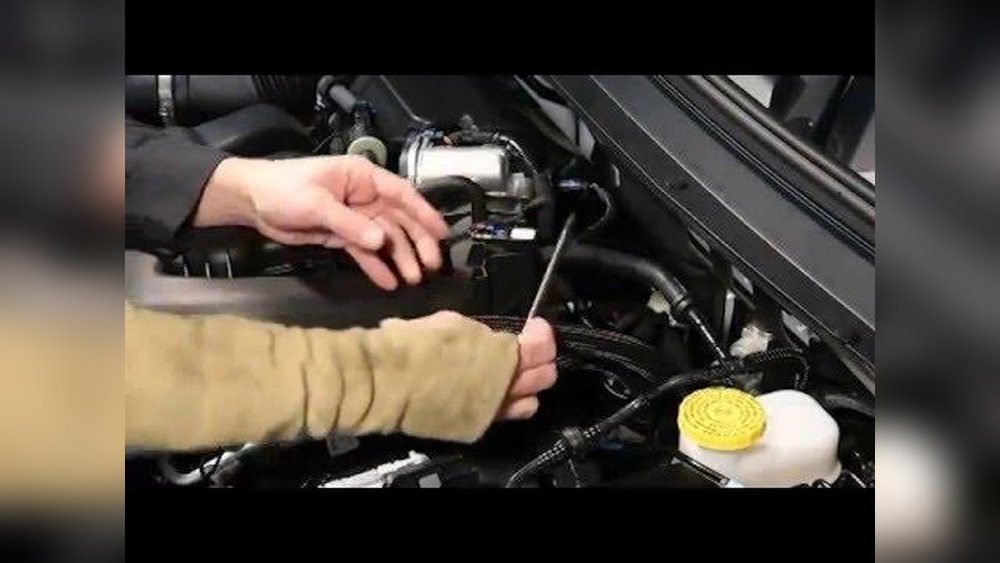
Open the hood and find the transmission dipstick. It’s usually labeled or colored differently from the engine oil dipstick.
4. Check Fluid Level
Pull out the dipstick, wipe it clean with a lint-free cloth, reinsert it fully, then pull it out again. Look at the fluid level there are marks for “Full” and “Add. ”
5. Inspect Fluid Quality
Check the fluid’s color and smell. Healthy fluid is red and clear. If it’s brown, black, or smells burnt, consider changing it.
6. Add Fluid If Needed
If the level is low, add only the recommended type of ATF (Automatic Transmission Fluid). Pour slowly and recheck to avoid overfilling.
Visual Guide: Fluid Condition
| Fluid Appearance | Condition | Action Needed |
|---|---|---|
| Bright red, clear | Good | None |
| Light brown, slightly cloudy | Fair | Plan service soon |
| Dark brown or black, burnt smell | Poor | Change fluid now |
How To Check Transmission Fluid (sealed Transmission)
If your Jeep Cherokee has a sealed transmission (most 2014+ models), you cannot check the fluid with a dipstick. This system is meant to reduce user error, but it also makes checking fluid more complex. Here’s what to do:
1. Raise The Vehicle
Use ramps or a lift to safely raise your Jeep. The car must be level for an accurate reading.
2. Locate The Check Plug
Find the fluid check plug on the transmission pan. Refer to your owner’s manual for the exact location.
3. Check Fluid Level
With the engine running and transmission at operating temperature, carefully remove the check plug. Fluid should drip out in a thin stream.
If no fluid comes out, the level is low.
4. Add Fluid If Needed
Add only the recommended ATF through the fill plug until fluid starts to drip from the check plug. Replace both plugs securely.
Pro tip: If you’re not comfortable working under your car, let a mechanic handle this. Sealed transmissions are easy to overfill or damage.
Common Mistakes To Avoid
Many Jeep Cherokee owners make these mistakes:
- Checking fluid when cold: This gives a false reading. Always check when the transmission is warm.
- Using the wrong ATF: Not all fluids are the same. Always use what’s specified in your owner’s manual.
- Ignoring warning signs: Slipping, hard shifts, or delayed engagement often mean fluid problems.
- Overfilling: Too much fluid can cause foaming and damage.
When To Change Transmission Fluid
How often should you change your transmission fluid? Jeep recommends every 60,000 miles for most Cherokees, but if you tow heavy loads or drive in hot climates, do it sooner.
Some sealed transmissions claim “lifetime” fluid, but many experts suggest a change every 80,000 miles for safety.

Signs You Need Transmission Service
Watch for these warning signs:
- Red or brown puddles under your Jeep
- Grinding noises or gear slipping
- Delayed shifting or rough gear changes
- Dashboard warning lights
If you notice these, check your fluid or visit a mechanic. Ignoring the problem can lead to full transmission failure.
Cost Comparison: Dealer Vs. Diy
Curious about the cost difference? Here’s a quick comparison:
| Service Type | Average Cost | Pros | Cons |
|---|---|---|---|
| Dealer Service | $180–$250 | Expertise, warranty-safe | More expensive |
| DIY (with dipstick) | $40–$70 | Cheaper, flexible timing | Risk of mistakes |
Taking Care Of Your Jeep Cherokee
Checking your transmission fluid might sound minor, but it can save you thousands of dollars in repairs. It’s a simple process for older models and possible, though harder, for newer ones. Keeping the fluid at the right level and in good condition means your Jeep Cherokee will last longer and perform better.
If you’re unsure or uncomfortable with the process, don’t hesitate to get help from a professional. For more technical details, visit the Automatic Transmission Fluid Wikipedia page.
Frequently Asked Questions
How Often Should I Check Transmission Fluid In My Jeep Cherokee?
Check your transmission fluid every 6 months or 5,000 miles, especially if you drive in tough conditions or tow loads.
Can I Use Any Atf Brand For My Jeep Cherokee?
No. Always use the type specified in your owner’s manual.
Using the wrong fluid can cause damage and void your warranty.
What If My Jeep Cherokee Does Not Have A Transmission Dipstick?
Models without a dipstick require checking fluid from underneath the car, usually through a check plug. This is best handled by a mechanic if you’re not experienced.
Is It Normal For Transmission Fluid To Get Darker Over Time?
Some darkening is normal, but very dark or burnt-smelling fluid means it’s time for a change.
What Happens If I Overfill My Transmission?
Overfilling can cause foaming, erratic shifting, and possible damage. Always add fluid slowly and recheck levels.
Taking care of your transmission fluid is one of the easiest ways to keep your Jeep Cherokee running smoothly for years. A few minutes of attention now can prevent headaches and big bills later.