Checking the transmission fluid in your Jeep Wrangler is a simple task that can save you expensive repairs later. If you notice shifting problems, noises, or leaks, fluid levels might be the cause. Many Jeep owners forget this step, but knowing how to check transmission fluid correctly can keep your vehicle running smoothly and extend its lifespan. This guide will show you every step, highlight common mistakes, and explain what to look for—even if you’re new to car maintenance.
Why Transmission Fluid Matters For Jeep Wrangler
The transmission fluid helps transfer power, keeps gears moving smoothly, and prevents overheating. Low or dirty fluid can cause sluggish shifting, strange noises, or even total transmission failure. For a Jeep Wrangler, which often faces tough driving conditions, keeping the fluid at the right level is even more important.
Many drivers overlook this, thinking only engine oil needs attention. But transmission fluid is just as vital. For example, the average cost of a Jeep transmission replacement is $3,000–$5,000, while a fluid check is free and takes less than 15 minutes.
Preparing To Check Transmission Fluid
Before you start, make sure you have:
- Clean rag or paper towel
- Gloves (optional)
- Flat, level surface to park
- Jeep Wrangler owner’s manual
Most Jeep Wranglers (especially models after 2012) have automatic transmissions. Older models may have manual transmissions, which need a different checking method. Always check your manual for fluid type and procedure. Doing the check incorrectly can give false readings.
Automatic Vs. Manual Transmission: What’s Different?
Here’s a quick comparison of checking fluid in different Jeep Wrangler types:
| Transmission Type | Fluid Check Method | Dipstick Present? |
|---|---|---|
| Automatic (most 2012+ Wranglers) | Dipstick under hood | Yes |
| Manual | Remove fill plug under vehicle | No |
If your Jeep has no dipstick, checking fluid requires tools and getting under the vehicle. For most drivers, automatic transmission checks are easier.
Step-by-step: How To Check Jeep Wrangler Transmission Fluid
Follow these steps carefully to avoid mistakes:
1. Warm Up Your Jeep
Start the engine and let it idle for 5 10 minutes. Transmission fluid expands when warm, so readings are more accurate.
2. Park On Level Ground
A flat surface prevents false readings. Slopes can make fluid look higher or lower than it is.
3. Open The Hood
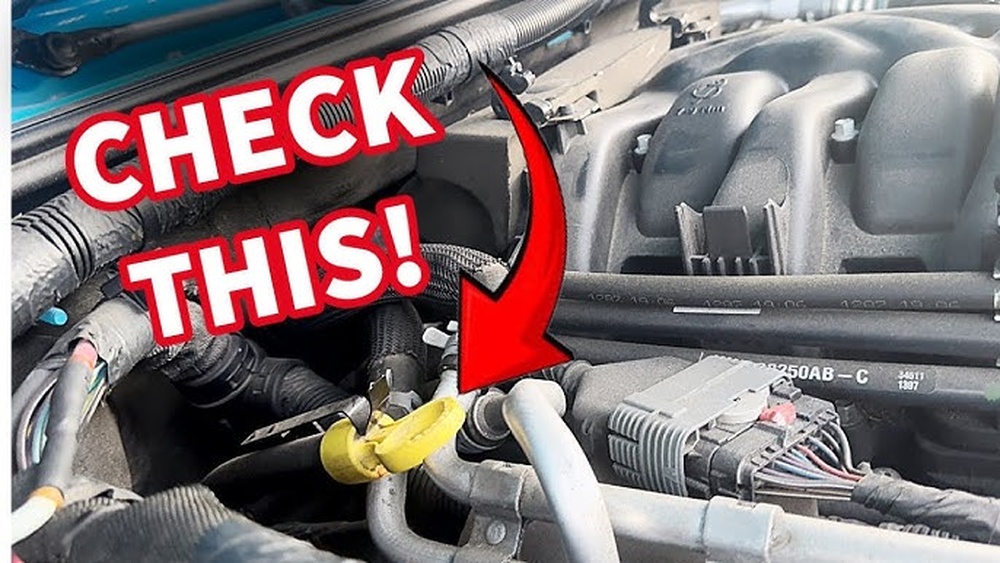
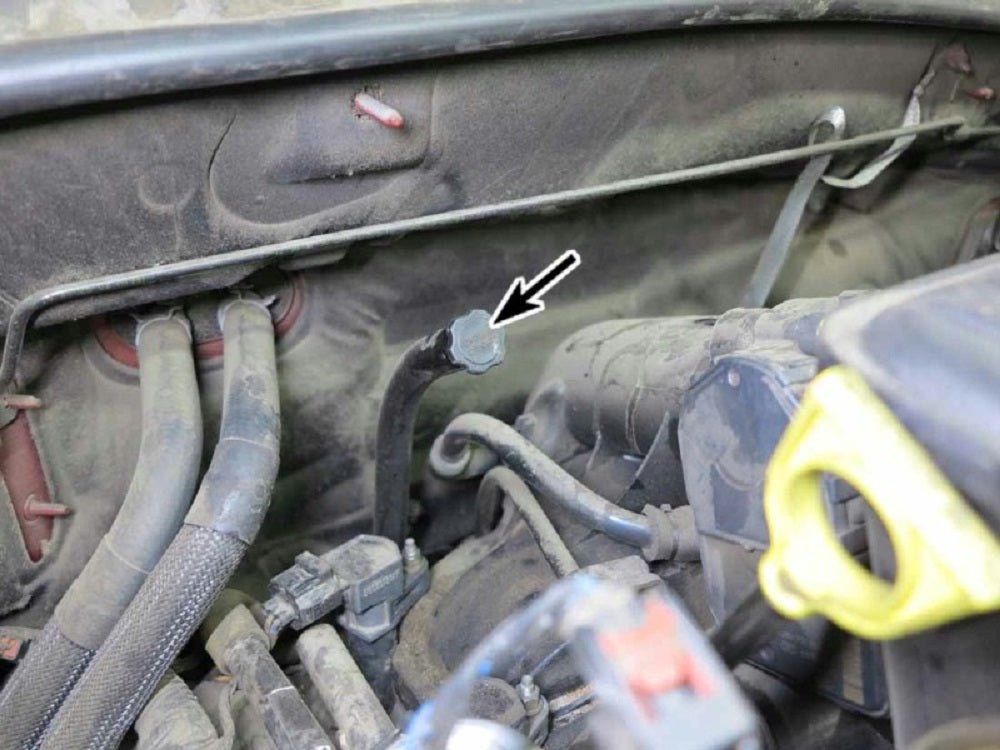
Locate the transmission dipstick—usually marked and near the rear of the engine bay.
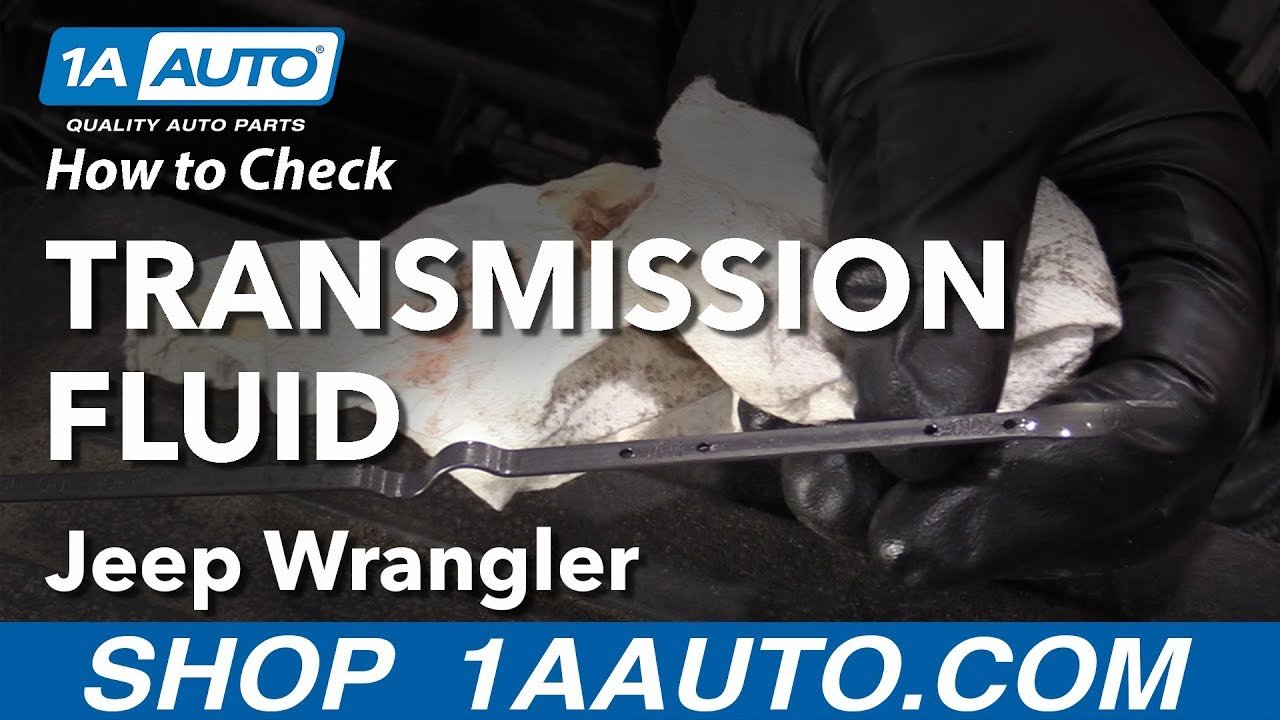
4. Remove And Clean Dipstick
Pull out the dipstick, wipe it clean with a rag, and insert it again fully.
5. Check Fluid Level And Condition
Pull out the dipstick again. Look for fluid between the “MIN” and “MAX” marks. The fluid should be red or pink, not brown or black.
6. Inspect Fluid Quality
Smell the fluid. If it smells burnt, it may need changing.
If the color is dark or there are particles, the transmission may be at risk.
7. Add Fluid If Needed
If the level is low, use the correct fluid type (consult your manual). Pour slowly and recheck, as overfilling can cause damage.
Common Mistakes When Checking Transmission Fluid
Many beginners make these errors:
- Checking when engine is cold (results will be inaccurate)
- Parking on a slope (fluid shifts inside the pan)
- Using the wrong fluid type (can damage transmission)
- Not cleaning dipstick before checking (dirt can hide real fluid level)
Avoid these to protect your Jeep.
Signs Your Transmission Fluid Needs Attention
Sometimes, issues show up before you even check. Watch for these signs:
- Delayed shifting between gears
- Grinding or whining noises
- Fluid leaks under your Jeep
- Burnt smell from fluid
If you notice any of these, check the fluid right away. For example, a small fluid leak can quickly lead to serious transmission problems.
Jeep Wrangler Transmission Fluid Data
Knowing fluid types and intervals helps you plan maintenance. Here’s a helpful reference:
| Wrangler Model Year | Transmission Type | Fluid Type | Recommended Change Interval |
|---|---|---|---|
| 2012–2023 | Automatic | ATF+4 | 60,000 miles |
| 2007–2011 | Automatic | ATF+4 | 60,000 miles |
| 1997–2006 | Manual | Gear Oil (75W-90) | 30,000 miles |
ATF+4 is the standard for most modern Wranglers. Always verify your Jeep’s requirements.
Tips For Maintaining Jeep Wrangler Transmission Fluid
- Check fluid every 6 months or after off-road trips.
- Use only manufacturer-approved fluids.
- Replace fluid and filter at recommended intervals.
- If you tow heavy loads, check fluid more often.
- Keep records of fluid checks and changes.
Neglecting these steps can lead to costly repairs. Many Jeep owners think fluid lasts forever, but dirt and heat break it down over time.

When To See A Mechanic
If you see metal shavings in the fluid, or if the level drops again after topping up, get professional help. Some problems, like internal leaks or sensor issues, need expert attention.
Don’t ignore warning lights or odd noises they can signal major transmission trouble.
For more detailed maintenance schedules, you can visit the official Jeep site: Jeep Owners Vehicle Care.
Frequently Asked Questions
How Often Should I Check Jeep Wrangler Transmission Fluid?
Check every 6 months, or after any rough driving or towing. More frequent checks help catch leaks early.
What Color Should Jeep Wrangler Transmission Fluid Be?
The fluid should be red or pink. If it is brown, black, or smells burnt, change it soon.
Can I Use Any Transmission Fluid For My Jeep Wrangler?
No. Always use ATF+4 for most automatic Wranglers. Using the wrong fluid can cause shifting issues and damage.
Is It Safe To Drive With Low Transmission Fluid?
It’s risky. Low fluid causes poor shifting, overheating, and can ruin the transmission. Top up as soon as possible.
Do All Jeep Wranglers Have A Transmission Dipstick?
Most automatic models do, but many manual Wranglers require checking fluid underneath the vehicle and do not have a dipstick.
Keeping your Jeep Wrangler’s transmission fluid in top shape is easy once you know the steps. Regular checks prevent trouble and keep your Jeep ready for any adventure.
Take the time to inspect fluid properly, and your transmission will thank you with years of reliable performance.