Is your Jeep Wrangler’s check engine light on, and you want to know what the codes mean? You don’t always need an expensive scanner or a trip to the mechanic to find out.
In fact, you can check your Jeep Wrangler codes right from the driver’s seat using simple steps anyone can follow.
Whether you drive a JK, TJ, or YJ model, understanding how to read these codes can save you time, money, and a lot of frustration.
Ready to take control of your Jeep’s health and get back on the road with confidence? Keep reading, and you’ll learn exactly how to check your Jeep Wrangler codes quickly and easily.
Key-turn Method
The Key-Turn Method lets you check Jeep Wrangler codes right from the driver’s seat. It does not need any scanner or special tool.
This method works well for JK and TJ models. Just use your ignition key and follow simple steps.
It shows error codes on your odometer or dashboard. These codes help identify problems without visiting a mechanic.
Steps For Jk And Tj Models
- Sit in the driver’s seat and close all doors.
- Insert your key into the ignition.
- Turn the key quickly from OFF to RUN three times: Off-Run-Off-Run-Off-Run.
- Do not start the engine during this process.
- End with the key in the RUN (ON) position.
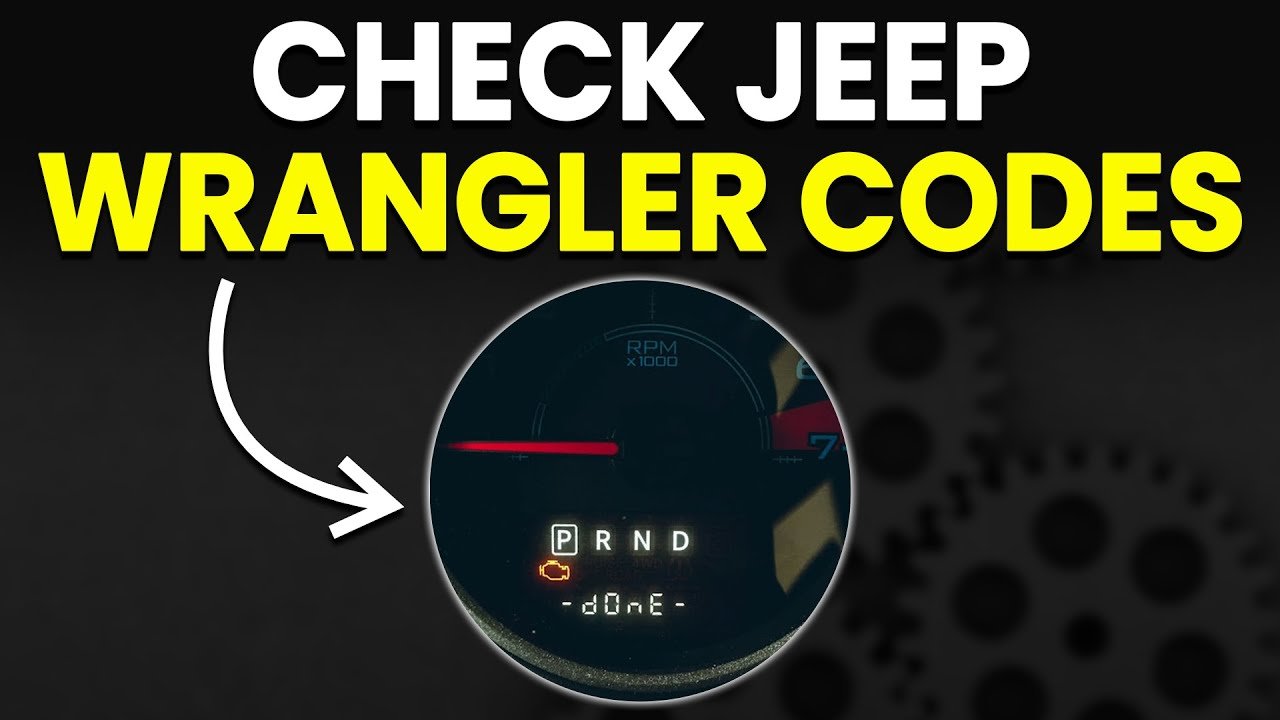
- Watch the odometer or dashboard for blinking codes.
Reading Codes On The Odometer
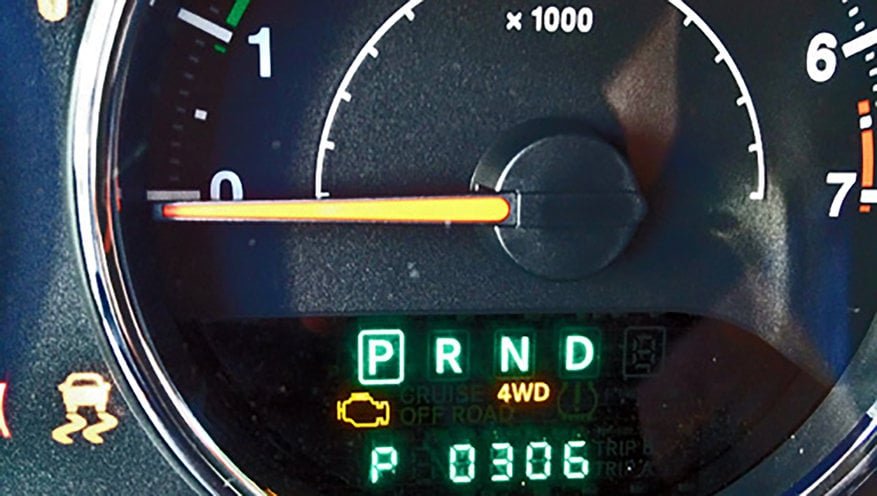
After the key-turn sequence, the odometer displays a series of numbers. These numbers flash in pairs.
Each pair represents a trouble code. Count the flashes to note each number.
A pause separates one code from the next. Some codes may appear as “88” or “00.” These usually mean no issue.
Write down all codes to check their meaning later. This method saves time and avoids expensive tools.
Using An Obd-ii Scanner
Using an OBD-II scanner is a simple way to check your Jeep Wrangler’s trouble codes. This tool reads the codes stored in your vehicle’s computer. It helps identify problems quickly and accurately. Anyone can do it with just a few steps.
Locating The Diagnostic Port
The diagnostic port in a Jeep Wrangler is easy to find. It is usually under the dashboard on the driver’s side.
Look near the steering column or above the pedals. The port looks like a small trapezoid-shaped connector.
You need this port to connect the scanner.
Connecting The Scanner
Plug the OBD-II scanner into the diagnostic port firmly. Turn the Jeep’s ignition to the ON position, but do not start the engine.
The scanner will power on and begin communicating with the vehicle’s computer. Follow the scanner’s menu to start the code reading process.
Interpreting Scanner Results
The scanner will show one or more codes on its screen. Each code is a combination of letters and numbers.
These codes indicate specific issues or parts that need attention. Use the scanner’s manual or an online database to find the meaning of each code.
This helps you decide the next steps for repair or maintenance.
Reading Codes Without A Scanner
Reading Jeep Wrangler codes without a scanner saves time and money. It lets you identify issues quickly.
Your Wrangler stores trouble codes that explain problems. These codes appear as flashes or numbers on the dashboard or odometer.
This method works for many Jeep models, especially older ones. Understanding how to retrieve these codes manually helps you troubleshoot basic issues.
Manual Code Retrieval
Begin by sitting in the driver’s seat with all doors closed. Insert the ignition key but do not start the engine.
Turn the key from the OFF position to the ON position three times quickly. End with the key in the ON position without starting the engine.
The odometer or dashboard will start flashing codes.
Each code consists of a series of flashes or numbers. Pay close attention to the pattern shown on the odometer.
The flashes indicate the specific trouble code stored in the vehicle’s computer. Write down the numbers carefully for later reference.
Common Code Patterns
Jeep Wrangler codes often follow a simple pattern. The code flashes twice, pauses, then flashes a few more times.
For example, two flashes, a pause, then five flashes means code 25. The first set of flashes is the tens digit. The second set is the ones digit.
Common codes include 12, which means the system is ready, or 34, which signals an issue with the oxygen sensor. Knowing these patterns helps you understand what the Jeep is telling you without a scanner.
Use a Jeep trouble code chart to decode the numbers quickly.
Clearing Jeep Wrangler Codes
Clearing Jeep Wrangler codes is a key step after diagnosing issues. It helps reset the system and turn off warning lights.
Clearing codes can confirm if repairs worked. This process is simple and can be done in different ways.
It depends on the tools you have and your Jeep model.
Using A Scanner To Clear Codes
A scanner is the easiest way to clear Jeep Wrangler codes. Plug the scanner into the Jeep’s OBD-II port.
Turn the ignition on but do not start the engine. Follow the scanner’s instructions to read and clear trouble codes.
The scanner erases the codes stored in the vehicle’s computer. This will turn off the check engine light.
It also resets the system for fresh monitoring.
Scanners come in many types, from simple to advanced. Some scanners can also show live data and help diagnose problems further.
Using a scanner saves time and ensures codes clear correctly.
Manual Reset Methods
Manual reset is an option if you do not have a scanner. One common method is to disconnect the Jeep’s battery.
Remove the negative battery cable and wait for about 15 minutes. This cuts power to the vehicle’s computer and clears stored codes.
Reconnect the battery cable and start the Jeep. The check engine light should be off if the codes are cleared.
Another way is using the ignition key to cycle the power. Turn the key from OFF to ON several times quickly without starting the engine.
This trick works on some Jeep Wrangler models to clear codes. Check your owner’s manual for specific steps for your Jeep.
Manual methods are simple but may not work on all issues. They also reset other system settings, so use them carefully.
Troubleshooting Common Codes
Troubleshooting common Jeep Wrangler codes helps you identify problems quickly. Knowing what each code means saves time and money.
Many Jeep Wrangler issues relate to the engine, emissions, or electrical systems. Understanding these codes allows you to find the right fix.
Below are key areas to check for common trouble codes.
Engine And Emission Codes
Engine and emission codes show issues affecting performance and pollution control. Common codes include misfires, sensor failures, and fuel system errors.
A P0300 code means random misfires in multiple cylinders. P0420 indicates a catalytic converter efficiency problem.
These codes signal where the engine or emission system needs attention.
Check engine light usually triggers with these codes. You can read them using an OBD-II scanner or the key-turn method.
Fixing issues like faulty spark plugs or oxygen sensors often clears the codes. Keep your engine tuned to prevent these problems.
Electrical System Codes
Electrical system codes point to issues with wiring, sensors, or modules. Codes like B1000 or U0100 refer to communication errors between systems.
A faulty sensor or loose connection often causes these problems. Electrical codes may affect lighting, airbags, or dashboard displays.
Inspect wiring harnesses and connectors for damage or corrosion. Reset codes after repairs to check if problems persist.
Electrical issues can cause multiple symptoms, so thorough checks help avoid repeated errors.
Resources For Code Interpretation
Decoding Jeep Wrangler codes can feel tricky at first. The right resources make the process easier and clearer.
Many tools and communities exist to help interpret these codes. Use them to understand what your Jeep needs.
Online Code Indexes
Online code indexes list Jeep Wrangler trouble codes and their meanings. These indexes are easy to access and free to use.
They offer quick explanations for each code. You can find codes by number or description.
Some sites also provide tips for fixing common issues. Using these indexes saves time and guesswork.
Jeep Wrangler Forums And Communities
Jeep Wrangler forums bring together owners and experts worldwide. Members share experiences and advice about trouble codes.
You can ask questions and get detailed answers. Many posts include step-by-step guides and photos.
Forums often discuss specific Jeep models and years. Joining these communities helps you learn from real users.
It also keeps you updated on common problems and fixes.
Free Code Scanning Options
Free code scanning options offer easy ways to check your Jeep Wrangler’s trouble codes without spending money. These methods help you identify problems quickly. They save time and avoid unnecessary repairs.
Several places and tools provide these free services. You can use local services or mobile apps.
Both options are simple and user-friendly. Choose what fits your needs best.
Auto Parts Store Services
Many auto parts stores offer free code scanning for Jeep Wranglers. You just drive in and ask them to check your engine codes.
They connect a scanner to your vehicle’s diagnostic port and read the codes.
This service usually takes only a few minutes. The staff can explain what the codes mean.
They often help you understand if you need repairs or not. It is a great option if you want a quick check without buying tools.
Mobile Apps And Tools
Mobile apps now allow free code scanning using your smartphone. You need an OBD-II Bluetooth adapter that plugs into your Jeep’s diagnostic port.
The adapter connects to your phone through an app.
These apps show the trouble codes on your phone screen. Some apps explain the codes in simple words.
They let you clear codes and reset the check engine light too. This option works well if you want to check codes anytime or anywhere.
Conclusion
Checking Jeep Wrangler codes is simple and useful. Use the key-turn method to read codes without extra tools.
Codes appear on the odometer or scanner screen. Understanding these codes helps identify engine issues early.
Acting on the codes can save time and money.
Keep your Jeep running smoothly by checking codes regularly. This easy step boosts your vehicle’s health and your confidence.
Try it yourself next time the check engine light comes on.