If your Jeep’s check engine light just came on, you might feel a bit lost about what to do next. But don’t worry, you don’t have to rush to the mechanic right away or spend money on expensive tools.
You can actually check your Jeep’s trouble codes yourself, right from the driver’s seat. Whether your Jeep is an older model or a newer one, there are simple and effective ways for you to find out what’s going on under the hood.
You’ll learn step-by-step how to check Jeep codes quickly and easily, so you can understand the problem and decide your next move with confidence.
Keep reading to discover the tricks and tools that make decoding your Jeep’s engine issues straightforward and stress-free.
Check Engine Codes Without A Scanner
Checking engine codes without a scanner is possible on many Jeep models. This method helps you find trouble codes without extra tools.
It uses your Jeep’s built-in system to show codes on the dashboard or odometer. This technique works well for older Jeeps.
It is simple and saves time. Here are two common ways to read check engine codes without a scanner.
Using The Key On-off Trick
Sit in the driver’s seat and close the door. Insert the key into the ignition.
Turn the key to the ON position, but do not start the engine. Now turn the key OFF.
Repeat turning the key ON and OFF three times. End with the key in the ON position.
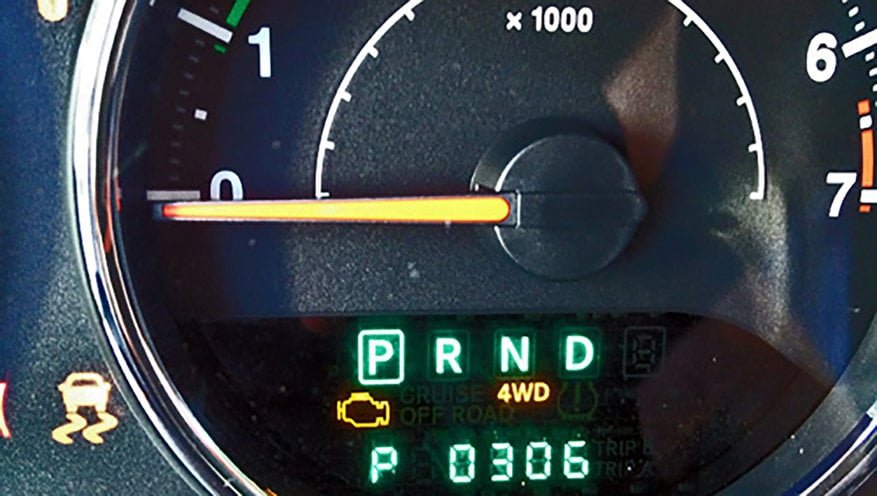
The check engine codes will flash on the dashboard. Each code appears as a series of blinks.
Count the blinks to note each code number. Pause between codes as the system cycles. Write down the codes for later lookup.
Reading Codes On The Odometer
Some Jeeps show engine codes on the odometer screen. Start by turning the ignition key to the ON position without starting the engine.
Watch the odometer display carefully. It will flash a sequence of numbers.
These numbers are your diagnostic trouble codes. Each code is a set of digits that point to a specific problem.
Note the numbers exactly as they appear. Use a Jeep code reference to understand the meaning.
This method offers a clear and easy way to read codes.
Using An Obd-ii Scanner
Using an OBD-II scanner is a simple way to check Jeep codes. This tool reads the vehicle’s computer system to find trouble codes. These codes explain what is wrong with your Jeep. The scanner plugs into a special port in your Jeep. It shows the codes on its screen. These steps help you find issues quickly and save time and money on repairs.
Finding The Diagnostic Port
The diagnostic port is usually under the dashboard on the driver’s side. Look below the steering wheel area.
It is a small, trapezoid-shaped connector. Sometimes it has a cover you need to open.
If you cannot find it, check your Jeep’s owner manual. The port is easy to reach for plugging in the scanner.
Connecting And Reading Codes
Plug the OBD-II scanner into the diagnostic port firmly. Turn the ignition key to the ON position.
Do not start the engine. The scanner will power on and connect to the Jeep’s computer.
Follow the scanner’s instructions to read the codes. The codes will appear as a combination of letters and numbers.
Write them down or save them on your device.
Interpreting Scanner Results
Each trouble code tells a specific issue about your Jeep. Use a code reference guide or online database to understand them.
Codes starting with “P” relate to the engine and transmission. Some scanners give a short description of the problem.
Knowing the meaning helps you decide if you can fix it yourself or need a mechanic.
Decoding Jeep Trouble Codes
Jeep trouble codes reveal issues your vehicle needs to fix. These codes help you understand what part of your Jeep is malfunctioning.
Reading these codes saves time and money on repairs. You can decode them by using online resources or trusted code references.
Knowing how to decode Jeep trouble codes lets you act quickly. It helps you avoid costly visits to the mechanic.
The codes are simple once you know where to find their meanings. Here are two reliable ways to decode your Jeep trouble codes.
Accessing Online Diagnostic Databases
Online diagnostic databases list error codes and their meanings. Websites like TroubleCodes.net offer free access to these lists.
Just enter your Jeep’s trouble code, and the site shows what it means. These sites often include tips on how to fix the issue. They cover many Jeep models and years.
Using online databases is fast and easy. You do not need special tools or apps.
Just type the code found on your scanner or dash display. The database will explain the code in simple language.
It helps you understand if the problem is serious or minor.
Using Quadratec Code References
Quadratec provides detailed Jeep code references for owners and mechanics. Their guides explain what each trouble code means for Jeep vehicles.
Quadratec’s references are trusted by many Jeep enthusiasts. They include both common and rare codes.
These references also suggest possible causes and fixes. They guide you on what to check first.
Quadratec’s code books are easy to use and understand. They help you make informed decisions about repairs.
Using Quadratec’s code references is ideal for Jeep owners who want precise information. It gives you a deeper look into your Jeep’s health.
This method complements online databases by adding expert insights.
Free Code Reading Services
Free code reading services offer a simple way to identify issues in your Jeep. These services help you avoid costly diagnostics by providing quick access to your vehicle’s trouble codes.
Most places use an OBD-II scanner to read the codes for free.
These services are ideal for Jeep owners who want to understand their check engine light without buying a scanner. The process is fast and requires little effort from you.
Just visit one of the locations offering this service and get your codes in minutes.
Autozone Fix Finder Service
AutoZone provides a free code reading service called Fix Finder. It uses a handheld scanner to connect to your Jeep’s OBD-II port.
The scanner reads the trouble codes and offers possible causes and repair suggestions.
No appointment is needed. Just drive in with your Jeep and ask for the Fix Finder service.
A team member will scan your vehicle and print the code report. This report helps you understand the problem before visiting a mechanic.
Other Local Auto Parts Stores
Many local auto parts stores also offer free code reading services. Stores like O’Reilly Auto Parts, Advance Auto Parts, and NAPA Auto Parts often provide this service.
They use similar OBD-II scanners to read your Jeep’s codes.
These stores can help you find out why your check engine light is on. Some even offer advice on how to fix minor issues or recommend parts you might need.
It is a useful service for quick diagnostics without any charge.
Clearing Jeep Engine Codes
Clearing Jeep engine codes helps reset the check engine light after fixing issues. It ensures the vehicle’s computer no longer detects the old problem.
This process can improve performance and prevent false alerts.
Different Jeep models require different clearing methods. Newer models use scanners, while older ones rely on manual steps.
Both methods are straightforward and save time and money.
Using The Scanner To Clear Codes
For modern Jeeps, an OBD-II scanner is the easiest tool to clear engine codes. Plug the scanner into the diagnostic port under the dashboard.
Turn the ignition to the ON position without starting the engine.
Follow the scanner’s instructions to read the stored codes. After reviewing, select the option to clear or erase the codes.
This action resets the check engine light and clears the memory.
Make sure the issue is fixed before clearing the codes. Otherwise, the light will come back on after a short drive. Scanners work quickly and give accurate results.
Manual Methods For Older Models
Older Jeeps may not support scanners and need manual code clearing. One common method uses the ignition key to reset the system.
Sit in the driver’s seat and close the door.
Insert the key and turn it from OFF to ON position three times quickly. End with the key in the ON position without starting the engine.
Watch the dashboard for the check engine light.
The light will flash and then turn off, indicating the codes are cleared. This method is simple and requires no extra tools.
It works well for many Jeep models made before 1996.
Troubleshooting Common Jeep Issues
Troubleshooting common Jeep issues starts with understanding the warning signs your vehicle shows. The check engine light is one of the most common signals.
It can turn on for many reasons, from simple to serious problems. Knowing why it lights up helps you decide your next steps.
Why The Check Engine Light Comes On
The check engine light can signal many different issues. It may be a loose gas cap or a problem with the engine’s sensors.
Sometimes, it points to a failing oxygen sensor or spark plugs. These problems affect fuel efficiency and emissions.
Other times, the light means more serious trouble, such as a misfire or transmission issues. The vehicle’s computer detects these faults and triggers the warning.
Ignoring the light can lead to bigger, costlier repairs later.
When To Seek Professional Help
If the check engine light blinks or stays on after you check the gas cap, seek help quickly. A blinking light often means engine misfire, which can damage the catalytic converter.
If the vehicle runs rough or loses power, a mechanic should inspect it.
Use an OBD-II scanner to read the codes yourself. If the codes are unclear or the problem persists, a professional mechanic has the tools and knowledge to diagnose and fix the issue safely.
Trust their expertise to keep your Jeep running smoothly.
Tips For Accurate Code Reading
Reading Jeep codes accurately helps diagnose issues quickly. This process needs care to avoid errors.
Simple mistakes can give wrong codes. Follow key tips to ensure correct code reading every time. Your Jeep’s health depends on it.
Ensuring Proper Key Turns
Use the correct key turning sequence. Insert the key fully into the ignition.
Turn it to the “ON” position without starting the engine. Then turn it back to “OFF.” Repeat this step exactly three times.
End on the “ON” position. Each turn must be smooth and deliberate.
Do not rush or force the key. Stopping the sequence early may cause no code display. Follow these steps slowly and carefully.
Avoiding Interrupted Readings
Keep the vehicle still during code reading. Do not open the door or press the brake pedal.
Interruptions can reset the system or stop the code display. Stay inside and keep all electrical devices off.
Avoid touching the key or ignition until the code appears. Wait patiently for the odometer or dashboard to show the codes.
A steady environment ensures clear, uninterrupted code output.

Conclusion
Checking Jeep codes helps you understand your vehicle’s health. Use the key trick for older models to read codes quickly.
For newer Jeeps, an OBD-II scanner gives accurate results. Knowing these codes lets you decide if you can fix issues yourself.
Always keep a code reference guide handy for easy decoding. Taking simple steps saves time and money on repairs.
Stay informed and maintain your Jeep with confidence.