Checking your Jeep Wrangler’s coolant level is one of the easiest and most important ways to keep your engine healthy. Coolant sometimes called antifreeze prevents your engine from overheating or freezing.
Many Jeep Wrangler owners forget this simple check, which can lead to expensive repairs or even engine failure.
The good news? You don’t need to be a mechanic to do it yourself.
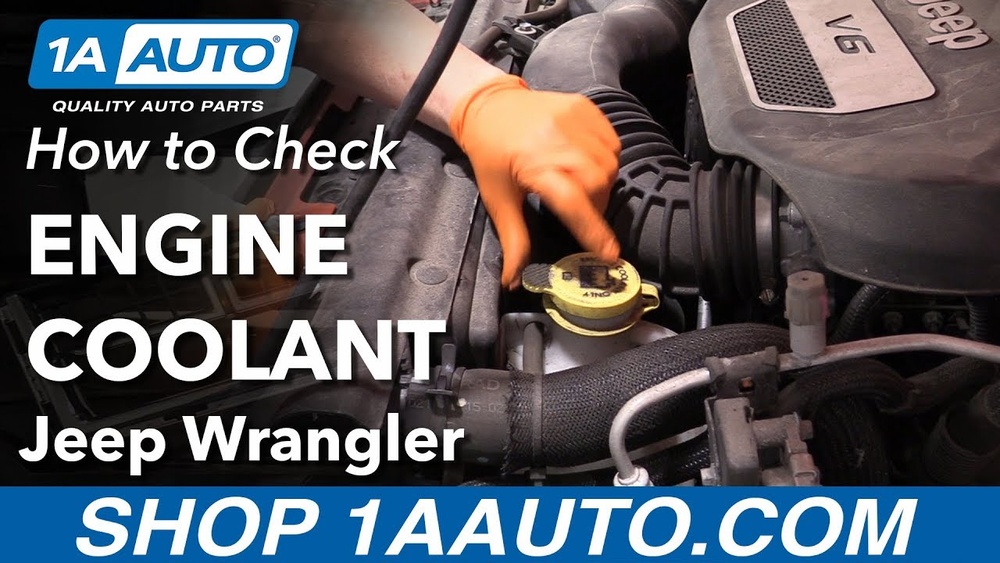
Here’s how to check the coolant level in your Jeep Wrangler safely and accurately.
Why Coolant Level Matters
Your Jeep Wrangler’s engine creates a lot of heat. Without the right amount of coolant, that heat can damage engine parts or cause a breakdown. Coolant also protects against rust and helps keep your heater working in cold weather.
Running your Jeep with low coolant can lead to:
- Engine overheating
- Head gasket failure
- Costly repairs
Most drivers don’t realize that even a small drop in coolant can make a big difference. In fact, according to the Automotive Maintenance and Repair Association, about 23% of vehicles on the road are low on coolant at any given time.
Tools And Safety Precautions
Before you start, gather a few basic items:
- Clean rag or paper towel
- Flashlight (for better visibility)
- Gloves (optional)
- Extra coolant (if topping up is needed)
Always check coolant when the engine is cold. Opening the radiator cap on a hot engine can cause serious burns from steam or hot liquid. If you’ve just driven your Jeep, wait at least 30 minutes before opening the hood.

Locating The Coolant Reservoir In A Jeep Wrangler
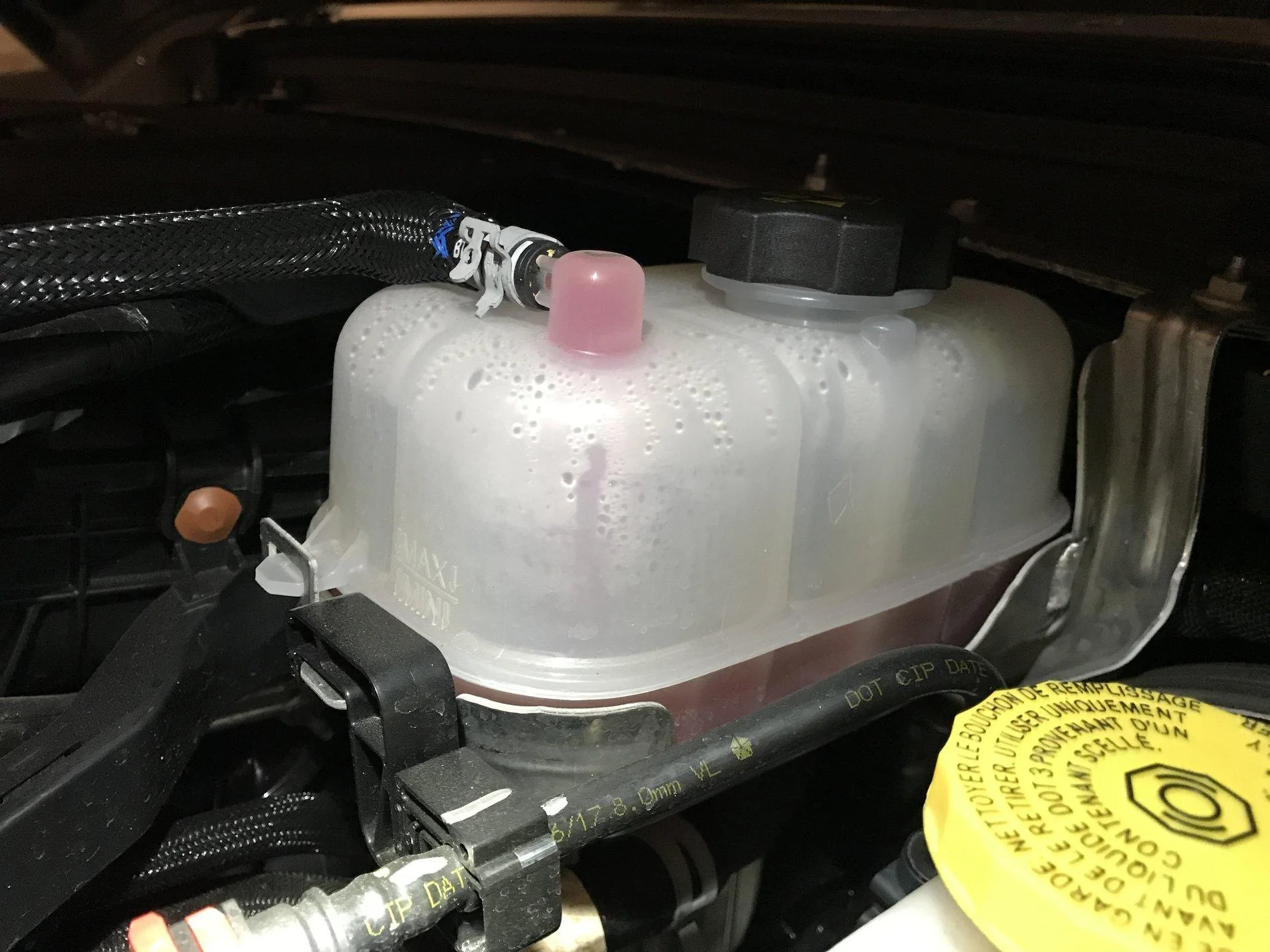
In most modern Jeep Wranglers (including the JK, JL, and newer models), you do not need to open the radiator cap to check the level. Instead, look for the translucent plastic coolant reservoir near the front of the engine bay. It’s usually marked with “engine coolant” or has a symbol showing a thermometer in liquid.
Here’s a quick comparison of common Jeep Wrangler generations and where to find the coolant reservoir:
| Model Year | Engine Bay Location | Reservoir Cap Color |
|---|---|---|
| 2007–2018 (JK) | Passenger side, near the firewall | Yellow or black |
| 2018–Present (JL) | Passenger side, front corner | Yellow |
| 1997–2006 (TJ) | Driver side, near battery | Black |
If you’re not sure, check your owner’s manual for the exact location.
Step-by-step: How To Check The Coolant Level
1. Park On A Level Surface
Make sure your Jeep is parked on a flat surface. This helps you get an accurate reading.
2. Let The Engine Cool
Wait until the engine is completely cool. Never open the cap when the engine is hot.
3. Open The Hood
Pull the hood release inside your Jeep, then open the hood and secure it.
4. Find The Coolant Reservoir
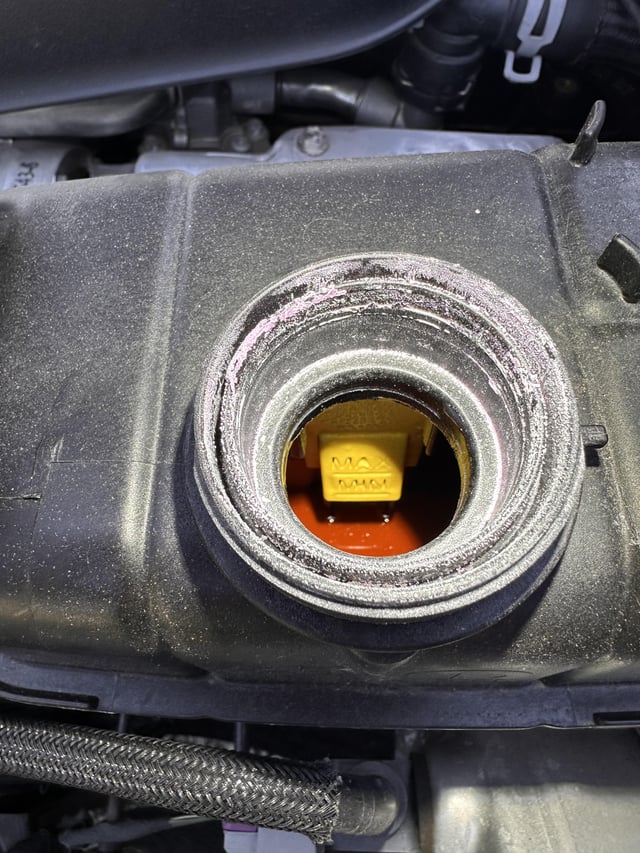
Look for the translucent plastic tank with markings on the side.
5. Check The Level
Look at the side of the tank. You’ll see “FULL” (or “MAX”) and “LOW” (or “MIN”) lines.
6. Compare The Level
The coolant should be between these two lines. If it’s below the “LOW” mark, you need to add more.
7. Inspect The Color
Healthy coolant is usually bright green, orange, or pink (depending on the type). If it looks rusty, dirty, or has particles, it may be time to replace it.
8. Add Coolant If Needed
If you need to add coolant, only use the type recommended in your owner’s manual. Open the reservoir cap slowly and pour until the level is just below the “FULL” line.
9. Secure Everything
Replace the cap tightly and close the hood.
Common Mistakes To Avoid
Many beginners make mistakes that can harm their vehicle or themselves. Here are some you should avoid:
- Opening the radiator cap when hot
This can cause burns from hot steam or coolant.
- Mixing coolant types
Some coolants don’t mix well and can form sludge. Always use the type specified for your Jeep.
- Overfilling the reservoir
Too much coolant can lead to pressure buildup and leaks.
- Ignoring leaks
If you notice coolant on the ground under your Jeep, get it checked right away. Small leaks can become big problems.
How Often Should You Check The Coolant?
Checking your coolant level at least once a month is a good habit, especially before long trips or extreme weather. Jeep recommends a full coolant change every 100,000 miles or 5 years for most modern models, but always follow your owner’s manual.
Here’s a quick guide:
| Jeep Model | Check Interval | Change Interval |
|---|---|---|
| Wrangler JK (2007–2018) | Monthly | 5 years / 100,000 miles |
| Wrangler JL (2018–Present) | Monthly | 10 years / 150,000 miles |
| Wrangler TJ (1997–2006) | Monthly | 3 years / 60,000 miles |
Signs Of Coolant Problems
Sometimes, problems are not obvious. Watch for these signs:
- Sweet smell from the engine bay
- Steam under the hood
- Temperature gauge rising above normal
- Visible coolant leaks under your Jeep
If you see any of these, check your coolant right away. Driving with a coolant problem can cause serious damage.
Non-obvious Tips Most People Miss
1. Check Coolant Level After A Repair
If you’ve recently had engine work or replaced hoses, always check the coolant afterward. Air pockets can form and lower the level after driving.
2. Check With The Heater On
Run your heater for a few minutes before checking the coolant. This circulates coolant through the whole system, giving a more accurate reading.
Frequently Asked Questions
How Do I Know Which Coolant To Use For My Jeep Wrangler?
Check your owner’s manual or the label on your reservoir. Most Jeep Wranglers use HOAT (Hybrid Organic Acid Technology) or OAT (Organic Acid Technology) coolant. Using the wrong type can harm your engine.
Can I Use Water Instead Of Coolant In An Emergency?
You can use water to top up in an emergency, but only as a short-term fix. Water does not protect against freezing, rust, or overheating like coolant does.
Replace with proper coolant as soon as possible.
What If The Coolant Level Keeps Dropping?
This often means there is a leak in the system—possibly a hose, the radiator, or the water pump. Have your Jeep inspected by a mechanic.
Is It Safe To Drive With Low Coolant?
Driving with low coolant is risky. Your engine can quickly overheat, leading to expensive repairs or a complete breakdown.
Where Can I Find More Information About Jeep Wrangler Maintenance?
The best source is your official Jeep owner’s manual. You can also visit the official Jeep Maintenance page for detailed guides and schedules.
Taking a few minutes to check your Jeep Wrangler’s coolant level can save you time, money, and trouble. With this simple habit, you’ll keep your engine running smoothly and confidently tackle any adventure.