Keeping your Jeep Wrangler running smoothly means paying attention to the small things like your coolant. This fluid might seem simple, but it is critical for keeping your engine at the right temperature and preventing serious damage.
Many Jeep owners forget to check their coolant until problems appear.
Learning how to check coolant in your Jeep Wrangler is a simple but powerful way to avoid expensive repairs and unexpected breakdowns.
Why Coolant Matters For Your Jeep Wrangler
Coolant, also called antifreeze, does more than stop your engine from overheating. It also protects against freezing in cold weather and helps prevent rust and corrosion inside your engine. Without the right amount and mix of coolant, your Jeep’s engine can get too hot or cold, causing damage that is expensive to fix. In fact, studies show that over 40% of engine failures are linked to cooling system problems.
What You Need Before Checking Coolant
Before you start, gather these items:
- Gloves: Protect your skin from chemicals.
- Rag or paper towel: To wipe spills.
- Flashlight: For better visibility.
- Distilled water: Needed if you must top off the coolant.
Never check coolant when the engine is hot. Hot coolant can spray and cause burns.
Always let your Jeep cool down for at least 30 minutes after turning off the engine.

Step-by-step: How To Check Coolant In Jeep Wrangler
1. Park On A Level Surface
Make sure your Jeep is parked flat. This gives you an accurate coolant reading.
2. Open The Hood
Pull the hood release lever inside your Jeep, then unlatch the hood and lift it.
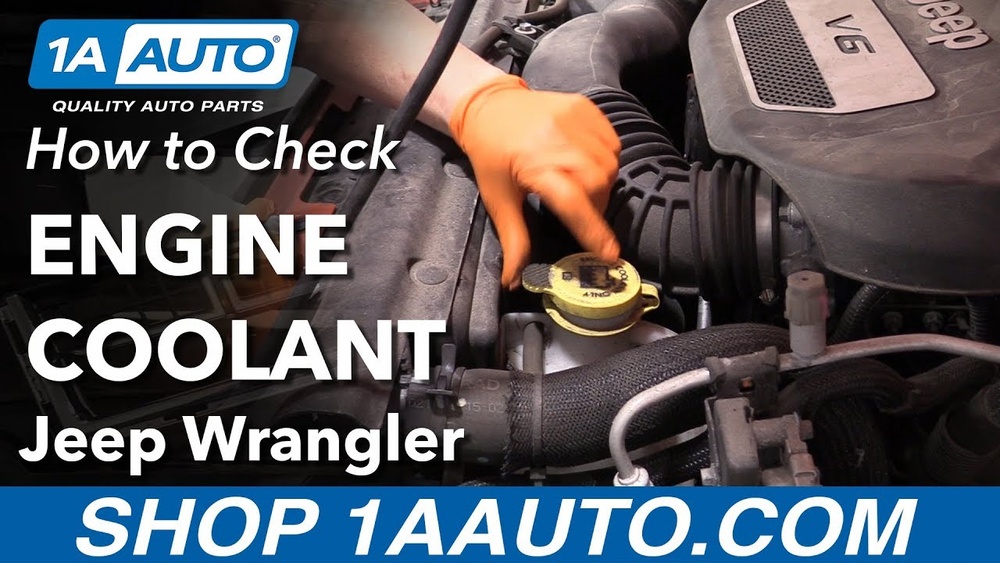
3. Locate The Coolant Reservoir
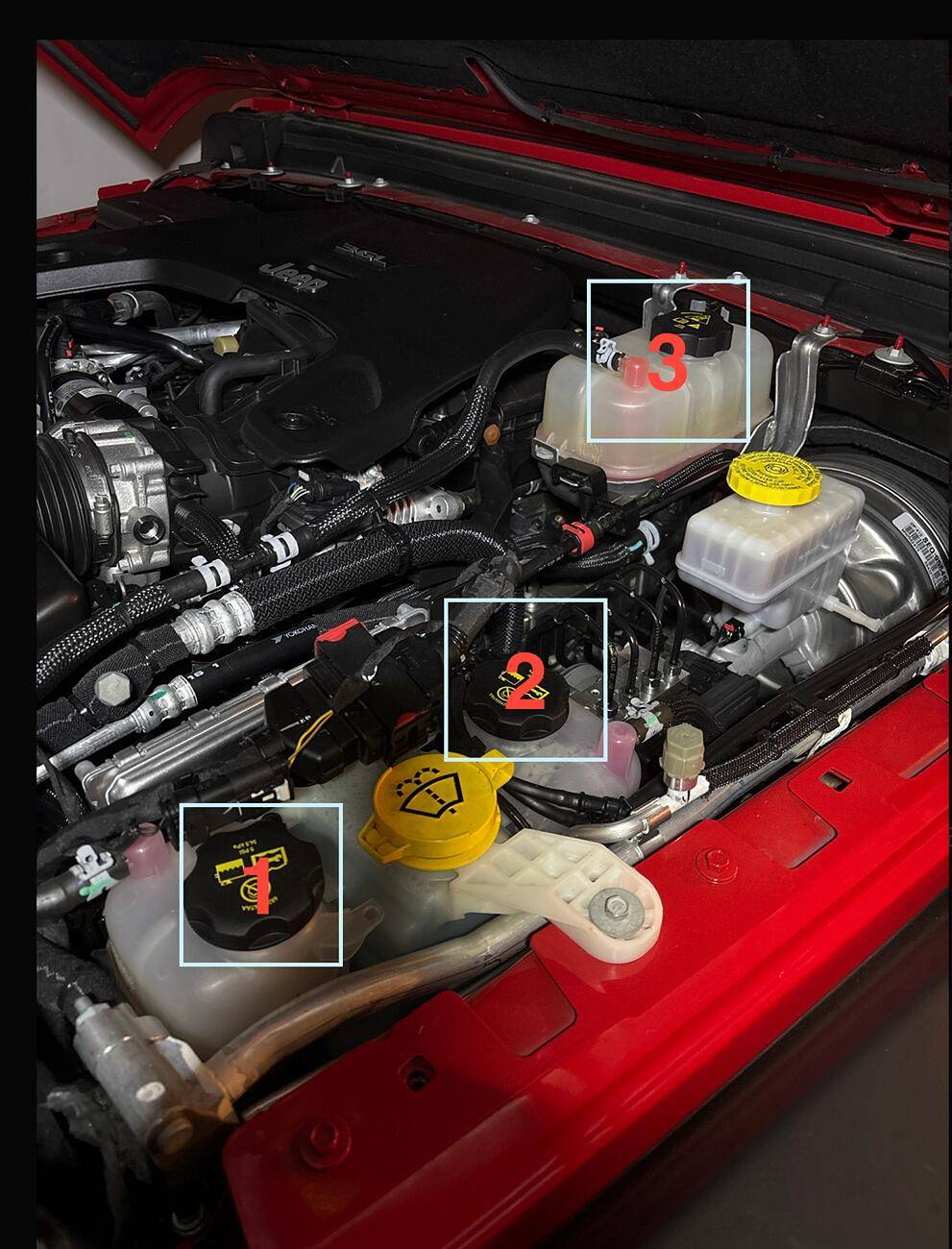
The coolant reservoir is a translucent plastic tank, usually labeled and found near the front or side of the engine bay.
| Wrangler Model Year | Reservoir Location |
|---|---|
| 2007–2018 (JK) | Passenger side, near windshield washer fluid |
| 2018–Present (JL) | Driver side, close to radiator |
4. Check The Coolant Level
Look at the markings on the side of the reservoir: “MIN” (minimum) and “MAX” (maximum). The coolant should be between these lines. If it’s below “MIN,” you need to add more.
5. Inspect Coolant Color
The coolant in your Jeep Wrangler is usually orange, pink, or green. If the color looks brown, cloudy, or has particles floating, it’s time for a change.
6. Open The Reservoir Cap (if Needed)
Only open the cap if you need to add coolant. Turn it slowly, letting any pressure escape. Never open when hot.
7. Add Coolant If Needed
Use the coolant type recommended in your owner’s manual. Most Wranglers need OAT (Organic Acid Technology) coolant. Mix with distilled water if using concentrate (usually 50/50 mix).
| Coolant Type | Compatible Wrangler Years |
|---|---|
| OAT (Orange/Purple) | 2013–Present |
| HOAT (Yellow/Orange) | 2007–2012 |
8. Secure The Cap And Close The Hood
Make sure the cap is tight and the hood is closed securely.
Signs Your Jeep Wrangler May Have A Coolant Problem
Even if you check the coolant, you should watch for warning signs. These often mean a problem in your cooling system:
- Dashboard warning light: Usually a thermometer icon or “Check Engine.”
- Engine temperature gauge rising above normal: This can mean overheating.
- Sweet smell: Coolant has a sweet odor, so smelling it around your Jeep may indicate a leak.
- Visible leaks or puddles under your Jeep.
Ignoring these signs can quickly turn a small issue into a big one.

How Often Should You Check And Change Coolant?
Jeep recommends checking your coolant at least every 3,000 miles or at every oil change. For most drivers, this means every few months. As for changing coolant, the schedule depends on your Jeep model:
| Wrangler Model | Coolant Change Interval |
|---|---|
| 2007–2012 (HOAT) | Every 5 years or 100,000 miles |
| 2013–Present (OAT) | Every 10 years or 150,000 miles |
A common mistake is topping off with the wrong coolant type. Mixing different coolants can cause chemical reactions, leading to sludge buildup and cooling problems.
Pro Tips For Jeep Owners
- Always use the coolant type specified in your owner’s manual.
- If you see coolant level dropping often, check for leaks or a faulty radiator cap.
- If you overfill the reservoir, the system may push out extra coolant during operation. Wipe up any spills as coolant is toxic to pets and wildlife.
- Don’t assume all “green” or “orange” coolants are the same—brands often use different formulas.
A small leak or a little bit of the wrong coolant might not show issues right away. But these small problems can slowly damage your engine’s cooling system.
Checking coolant regularly is an easy habit that saves you money and trouble.
Frequently Asked Questions
How Do I Know If My Jeep Wrangler Coolant Is Low?
You can see the coolant level through the reservoir’s side markings. If the fluid is below the “MIN” line, it’s too low.
You might also notice the engine running hotter or a warning light on your dashboard.
What Type Of Coolant Does A 2020 Jeep Wrangler Use?
A 2020 Jeep Wrangler uses OAT coolant, usually orange or purple in color. Always check your owner’s manual to confirm, as using the wrong type can damage the cooling system.
Can I Mix Water With Coolant In My Jeep Wrangler?
Yes, but only use distilled water and mix it 50/50 with concentrated coolant. Do not use tap water, as minerals can cause deposits in your cooling system.
How Often Should I Check My Jeep Wrangler’s Coolant Level?
Check your coolant every 3,000 miles or at each oil change. If you drive in very hot or cold climates, check more often.
What Happens If I Use The Wrong Coolant In My Jeep Wrangler?
Using the wrong coolant can cause sludge, corrosion, or leaks in your cooling system. This can lead to overheating and expensive engine repairs. For details, see the manufacturer’s advice or trusted sources like NHTSA.
Taking a few minutes to check your Jeep Wrangler’s coolant can protect your engine and your wallet. It’s a simple task, but one that keeps your adventures on the road, not in the repair shop.