If you own a Jeep Wrangler, you know how important it is to keep it running smoothly. When your check engine light comes on, it can be stressful and confusing.
But what if you could find out exactly what’s wrong without immediately heading to the mechanic? You can, and it’s easier than you think. In this guide, you’ll learn simple, step-by-step methods to check codes on your Jeep Wrangler using just your ignition key or an OBD-II scanner.
Knowing how to read these codes puts the power in your hands, helping you save time, avoid unnecessary repairs, and get back on the road faster. Ready to decode your Jeep?
Key-turn Method For Jk And Tj Models
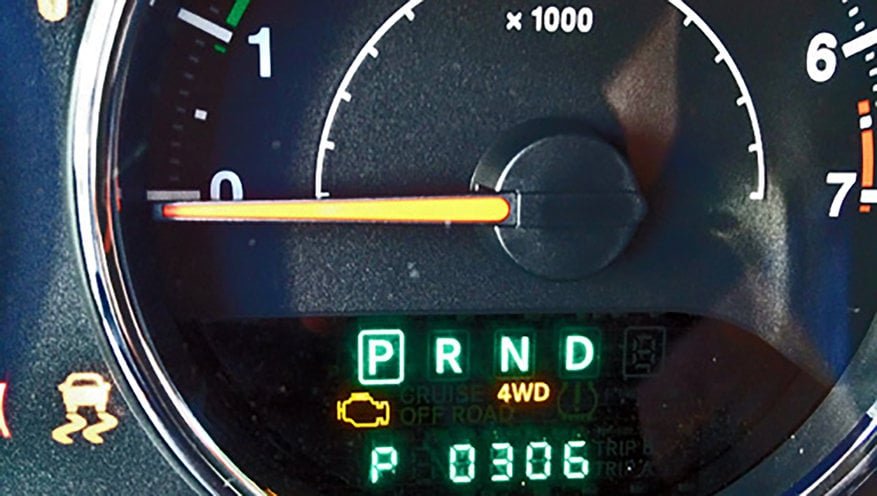
The Key-Turn Method offers a simple way to check engine codes on Jeep Wrangler JK and TJ models. This method requires no special tools or scanners. You can do it right from the driver’s seat with just the ignition key. It helps identify issues by displaying codes on the odometer.
Preparing The Vehicle
Sit in the driver’s seat and close all doors securely. Make sure the vehicle is in the OFF position.
Insert the key into the ignition but do not start the engine. This setup is important for the sequence to work properly.
Executing The Key Sequence
Turn the ignition key quickly between OFF and RUN positions three times. The pattern is: OFF to RUN, back to OFF, then RUN, OFF again, and finally RUN.
End with the key in the RUN position without starting the engine. This triggers the vehicle to display the codes.
Reading Codes On The Odometer
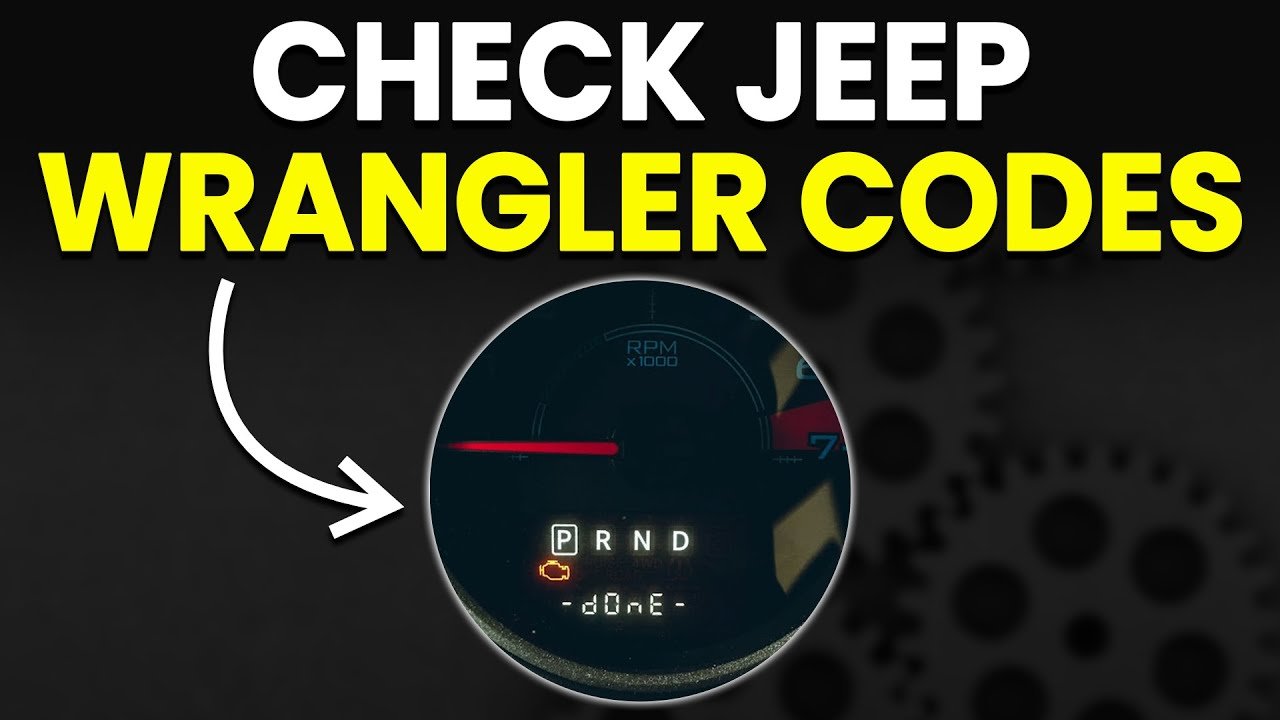
Look at the odometer display after completing the key turns. The check engine codes will appear as a series of numbers.
Each code flashes with a pause between numbers. Write down all the codes shown for further diagnosis or repair.
Using An Obd-ii Scanner
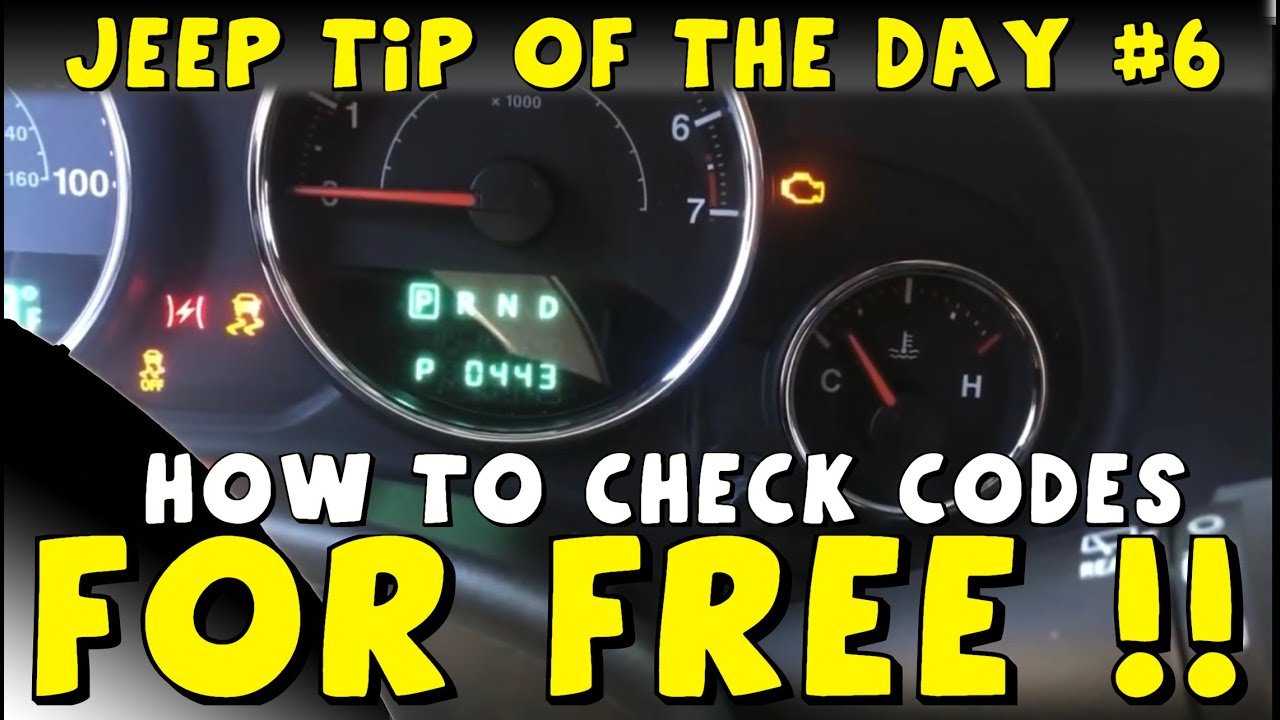
Using an OBD-II scanner is the easiest way to check codes on your Jeep Wrangler. This tool reads diagnostic trouble codes stored in your vehicle’s computer.
It helps you find out what part needs attention. No special skills needed.
The scanner gives clear code readings in seconds.
Locating The Diagnostic Port
The diagnostic port in a Jeep Wrangler is under the dashboard. Look near the steering column.
It is a 16-pin connector, usually black. You can easily spot it by feeling around the lower dash area.
This port connects the scanner to the vehicle’s computer.
Connecting The Scanner
Plug the OBD-II scanner into the diagnostic port. Make sure the connection is secure.
Turn the ignition key to the ON position. Do not start the engine.
The scanner will power up from the vehicle’s battery. Follow the scanner’s instructions to begin reading codes.
Interpreting Scanner Readings
The scanner shows codes as a combination of letters and numbers. Each code points to a specific issue.
Use the scanner’s manual or app to decode the meaning. Some scanners give brief explanations.
Write down the codes before clearing them. This helps you track any recurring problems.
Retrieving Codes Without A Scanner
Retrieving codes on a Jeep Wrangler without a scanner is possible and useful. It helps identify issues without extra tools.
This method uses the vehicle’s built-in system to display error codes. Drivers can read these codes directly from the dashboard or odometer screen.
It is a simple process that saves time and money. Understanding these codes helps in diagnosing problems early.
Manual Code Display Techniques
Sit in the driver’s seat with all doors closed. Insert the key into the ignition.
Turn the key from OFF to ON three times quickly. End with the key in the ON position.
Do not start the engine. Watch the odometer or dashboard screen.
The error codes will flash in sequence. Each code appears as a two-digit number. Write down all codes shown for reference.
Common Code Patterns
Jeep Wrangler codes usually start with a letter followed by four numbers. Without a scanner, only the numeric part shows.
Codes often begin with “12” which means system check passed. Other codes like “34” or “56” point to specific issues.
For example, code “34” can mean a sensor problem. Knowing common patterns helps understand what the codes mean.
Use an online code list to match the numbers.
Clearing Codes Manually
After noting the codes, you may want to clear them. Turn the ignition key to the ON position.
Press and hold the gas pedal fully down for about 10 seconds. Release the pedal and turn the key OFF.
This can reset the system and clear the codes. If the issue remains, the codes will reappear.
Manual clearing works only if the problem is fixed.
Decoding Jeep Wrangler Trouble Codes
Reading trouble codes on a Jeep Wrangler helps identify vehicle issues. These codes give clues about engine, transmission, and other system problems.
Understanding codes saves time and money by guiding repairs.
Decoding these codes requires a simple process. Jeep models may show codes on the dashboard or need a scanner.
Knowing what each code means is key to fixing your Jeep correctly.
Accessing The Quadratec Code Index
The Quadratec Code Index lists common Jeep Wrangler trouble codes. It is a helpful tool to decode the numeric messages from your vehicle.
Visit the Quadratec website to download or view this index online.
This index covers many codes related to engine and transmission problems. It explains what each code means in plain language.
Use the index to quickly understand your Jeep’s diagnostic codes.
Common Diagnostic Trouble Codes
Some trouble codes appear more often in Jeep Wranglers. For example, P0300 indicates random engine misfires.
Code P0420 means the catalytic converter is not working properly.
Other frequent codes include P0171 for a lean fuel mixture and P0500 for vehicle speed sensor issues. Recognizing these common codes helps diagnose typical Jeep problems faster.
Troubleshooting Based On Codes
Each trouble code points to a specific problem area. Use the code to inspect related parts or sensors.
For instance, a P0300 code suggests checking spark plugs and ignition coils.
Some codes require cleaning or replacing sensors. Others need fluid checks or repairs to wiring.
Follow the code’s guidance to target the right fix efficiently.
Next Steps After Code Retrieval
After retrieving the diagnostic trouble codes from your Jeep Wrangler, the next steps are important. These steps help you decide how to handle the issues and keep your vehicle running smoothly.
Understanding what to do next saves time and prevents further damage.
When To Seek Professional Help
Some codes indicate serious problems that need expert attention. If the code relates to the engine, transmission, or airbags, visit a mechanic.
Complex issues require special tools and knowledge. Safety systems should never be ignored or repaired without experience.
A professional can diagnose and fix these problems correctly.
Performing Basic Repairs
Many Jeep Wrangler codes point to simple fixes. Loose gas caps, dirty air filters, or worn spark plugs are common examples.
These repairs can be done at home with basic tools. Follow your vehicle’s manual or trusted guides to fix minor issues.
Basic repairs often clear the codes and turn off warning lights.
Resetting The Check Engine Light
After repairs, reset the check engine light to see if the problem is solved. You can use an OBD-II scanner or disconnect the battery for a few minutes.
Resetting clears old codes but does not fix the problem. If the light returns, the issue needs more attention.
Always check your Jeep’s manual for proper reset procedures.
Conclusion
Checking codes on your Jeep Wrangler helps spot issues early and save money. Use the key-turn method or a scanner for quick results.
Always write down the codes for reference. Knowing what the codes mean guides your next steps.
Regularly checking codes keeps your Jeep running smoothly.
Stay proactive and address problems as soon as they appear. This simple skill improves your Jeep’s reliability and your peace of mind.