If your 2019 Jeep Cherokee’s check engine light just came on, you’re probably wondering what’s wrong and how to find out fast. Knowing how to check your Jeep’s trouble codes can save you time, money, and stress by pinpointing the exact issue before it becomes a bigger problem.
Whether you have a scanner or want to try a simple DIY method, walk you through the easiest ways to read those codes. Keep reading, and you’ll gain the confidence to take control of your Jeep’s health like a pro.
Locate The Obd-ii Port
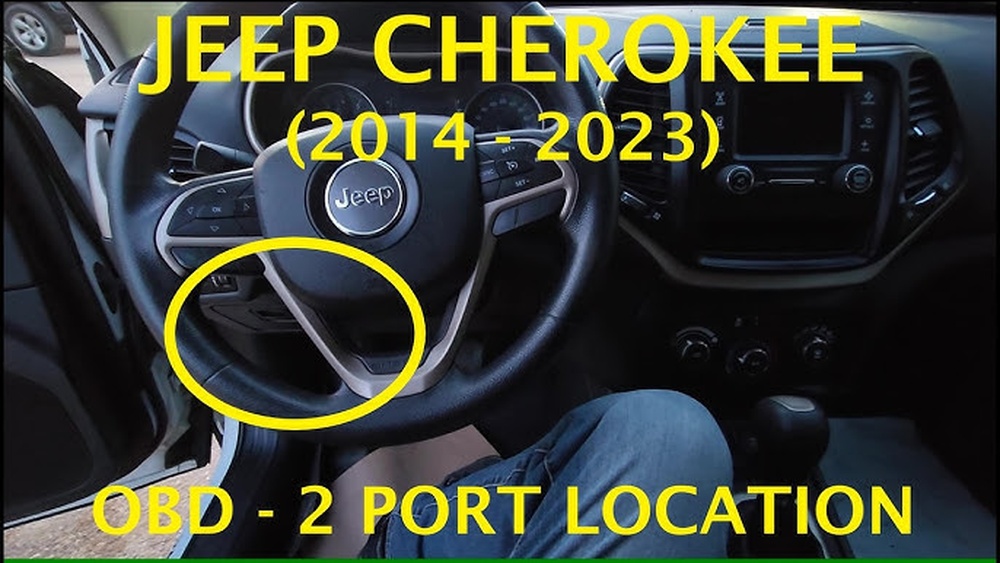
Locating the OBD-II port is the first step in checking codes on your 2019 Jeep Cherokee. This port allows a code reader or scanner to connect to the vehicle’s onboard computer. It gives access to diagnostic trouble codes (DTCs) which help identify problems in your Jeep. Knowing where the port is and how to access it makes the process easier and quicker.
Where To Find The Port In A 2019 Jeep Cherokee
The OBD-II port in a 2019 Jeep Cherokee is under the dashboard on the driver’s side. Look below the steering wheel near the pedals.
It is usually close to the lower dash panel, easy to reach without tools. The port is a small rectangular connector, often black or dark grey.
You can spot it by its shape and location near the driver’s knees.
Tools Needed To Access The Port
Accessing the OBD-II port does not require many tools. Most of the time, your hands are enough to reach and plug in a scanner.
A flashlight might help if the area is dark or hard to see. No screws or panels need removal in most cases.
Just make sure your scanner or code reader has a compatible connector for the OBD-II port.

Use An Obd-ii Scanner
Using an OBD-II scanner is a simple way to check codes on your 2019 Jeep Cherokee. This tool reads the car’s computer system and reveals any trouble codes.
These codes help you understand what might be wrong with your vehicle. It saves time and money by showing the exact issue before visiting a mechanic.
Most vehicles made after 1996, including the 2019 Jeep Cherokee, have an OBD-II port. It allows the scanner to connect easily.
The process requires no special skills and takes just a few minutes.
Choosing The Right Scanner
Pick a scanner that works well with Jeep models. Basic code readers are affordable and easy to use.
For more details, choose a scanner with advanced features. Some scanners connect to your phone via Bluetooth.
This option can show live data and detailed code definitions. Make sure the scanner supports OBD-II protocols used by Jeep vehicles.
Connecting The Scanner To Your Jeep
Locate the OBD-II port under the dashboard on the driver’s side. It is usually near the steering column.
Plug the scanner’s connector firmly into the port. Turn your Jeep’s ignition to the “ON” position without starting the engine.
The scanner will power up and start communicating with your car’s computer.
Reading And Interpreting Codes
Follow the scanner’s instructions to retrieve the trouble codes. The codes appear as a combination of letters and numbers.
Each code points to a specific problem area. Use the scanner’s manual or app to understand what each code means.
Some scanners provide a short description of the issue. Clear codes only after fixing the problem to avoid confusion later.
Check Codes Without A Scanner
Checking codes on a 2019 Jeep Cherokee without a scanner is possible. The vehicle has a built-in way to show error codes using the check engine light.
This method helps you find out what might be wrong without extra tools. It is helpful for quick checks and basic troubleshooting.
Using The Check Engine Light Flash Codes
The check engine light can blink to show trouble codes. These flashes are a series of short and long blinks.
They represent numbers that tell you what problem the Jeep detected. Each code has two digits.
The light flashes the first digit, pauses, then flashes the second digit. For example, two flashes, a pause, then three flashes means code 23.
This method uses the car’s onboard computer to communicate issues. You watch the light carefully to catch the pattern.
It is important to count the blinks accurately for the correct code. This is a simple way to get codes without a scanner device.
Steps To Retrieve Codes Manually
- Turn the ignition key to the ON position without starting the engine.
- Locate the gas pedal inside the car.
- Press the gas pedal fully three times within five seconds.
- Watch the check engine light on the dashboard.
- The light will start flashing a code pattern.
- Write down the series of flashes as numbers.
- Each code will repeat twice before moving to the next.
- Once all codes are shown, turn off the ignition.
- Look up the codes in your Jeep’s manual or online.
Following these steps helps you find out why the check engine light is on. This method works well for basic code reading.
It saves money and time by avoiding a scanner. Remember to be patient and watch the light carefully.
Using Mobile Apps For Code Reading
Using mobile apps for code reading is a simple and convenient way to check your 2019 Jeep Cherokee. These apps connect to your vehicle’s onboard diagnostic system.
They show you error codes and help you understand what needs fixing. This method saves time and money by letting you diagnose problems yourself.
Mobile apps work with a small device called an OBD-II scanner. You plug this device into your Jeep, and it sends data to your phone.
The apps then translate this data into easy-to-read codes. You can see what issues trigger your check engine light right on your screen.
Recommended Apps For Jeep Cherokee
Several apps work well with the 2019 Jeep Cherokee. Torque Pro is popular for its clear interface and detailed data.
OBDLink is known for fast connections and reliable code reading. Car Scanner ELM OBD2 offers simple code reading with helpful explanations.
These apps are available on both iOS and Android devices.
Pairing Your Phone With The Vehicle
Start by plugging the OBD-II scanner into the port under your Jeep’s dashboard. Turn on your vehicle’s ignition but do not start the engine.
Open your chosen app and go to the settings to connect the scanner. Usually, the connection is made via Bluetooth or Wi-Fi.
Once paired, the app will begin reading your Jeep’s codes.
Free Code Reading Services
Free code reading services offer a simple way to check your 2019 Jeep Cherokee’s diagnostic trouble codes. These codes help identify issues causing the check engine light to turn on.
You can get this service at many local auto parts stores without any cost. It saves time and helps you decide if your vehicle needs professional repair.
Auto Parts Stores Offering Free Scans
Many auto parts stores provide free code scanning for your Jeep Cherokee. Chains like AutoZone, O’Reilly Auto Parts, and Advance Auto Parts often offer this service.
You can drive in, and a staff member will connect a scanner to your vehicle’s OBD-II port. The scan takes just a few minutes, and they print out the code results for you.
This helps you understand what might be wrong with your car.
What To Expect During A Free Code Check
The free code check is quick and easy. A technician plugs a scanner into your Jeep Cherokee’s diagnostic port.
The scanner reads stored trouble codes from the engine control module. Then, the technician explains what the codes mean.
You receive a printout showing the codes and a basic description. This information helps you know if you need further repairs or can fix something simple yourself.
Interpreting Common Jeep Cherokee Codes
Understanding the codes your 2019 Jeep Cherokee displays is key to maintaining your vehicle. These codes tell you what needs attention.
They are not just numbers but messages from your car’s computer system. Learning to interpret them helps you fix issues early.
It also saves you time and money on repairs.
Each code has a specific meaning. Some codes point to minor issues.
Others signal serious problems. Knowing what these codes mean guides your next steps.
It helps you decide if you can handle the repair or need expert help.
Trouble Codes And Their Meanings
Your Jeep Cherokee uses standard OBD-II codes. These codes start with a letter followed by four digits.
For example, P0300 means random misfires in the engine. P0420 indicates a problem with the catalytic converter.
Common codes include:
- P0171: System too lean (too much air, not enough fuel)
- P0455: Evaporative emission system leak detected
- P0128: Coolant thermostat issue, engine not reaching proper temperature
Each code helps pinpoint where the problem lies. You can find the code definitions online or in your vehicle’s manual.
This info helps you understand whether a sensor, engine part, or emission system needs attention.
When To Seek Professional Help
Some issues are easy to fix, like replacing a loose gas cap. Others require special tools and knowledge.
Complex problems like transmission faults or engine misfires often need a mechanic.
If the check engine light blinks or stays on after a reset, get expert help. Driving with serious faults can cause more damage.
A professional has the right tools to diagnose and repair safely. They ensure your Jeep runs smoothly and reliably.
Resetting The Check Engine Light
Resetting the check engine light on a 2019 Jeep Cherokee helps clear fault codes after repairs. This process ensures the light turns off if the problem is fixed.
Resetting also allows the vehicle to monitor systems fresh for new issues. Two common ways to reset the light are using a scanner or manual methods.
Both approaches are simple and can be done at home or with basic tools.
Using A Scanner To Clear Codes
A scan tool reads and clears trouble codes stored in the vehicle’s computer. Plug the scanner into the Jeep’s OBD-II port, usually under the dashboard.
Turn the ignition on without starting the engine. Follow the scanner’s instructions to access stored codes.
Select the option to clear or erase the codes. This will reset the check engine light immediately.
Use a scanner often to check for new codes after repairs.
Manual Reset Methods
Manual resetting does not require a scanner but is less precise. First, disconnect the vehicle’s battery by removing the negative terminal cable.
Wait about 15 minutes to let the system reset. Reconnect the battery and start the engine.
The check engine light should turn off if the fault is cleared. Another way is to turn the ignition on and off three times quickly without starting the engine.
This may reset the light on some Jeep Cherokee models.

Preventive Tips For Check Engine Light
Preventing check engine light issues on your 2019 Jeep Cherokee saves time and money. Early care keeps your vehicle running smoothly and avoids costly repairs.
Simple habits help detect problems before the light turns on. Follow these preventive tips to maintain your Jeep’s health and performance.
Routine Maintenance To Avoid Codes
Regular maintenance reduces the chance of engine codes appearing. Change the oil and filter at recommended intervals.
Replace air filters to keep the engine breathing well. Check spark plugs and replace them as needed.
Inspect and clean the fuel system regularly. Keep tire pressure within the correct range.
Follow the manufacturer’s maintenance schedule in the owner’s manual. These steps help your Jeep run without triggering error codes.
Signs To Watch Before The Light Comes On
Unusual engine noises or rough idling can indicate early issues. Notice if your Jeep loses power or hesitates during acceleration.
Pay attention to poor fuel economy or strange smells. Watch for fluid leaks under the vehicle.
If the dashboard gauges behave oddly, it may signal a problem. Catching these signs early helps fix problems before the check engine light activates.
Stay alert to your Jeep’s behavior for a trouble-free drive.
Conclusion
Checking codes on your 2019 Jeep Cherokee helps spot issues early. Use an OBD-II scanner or visit a local auto parts store.
Reading codes guides you to the right fix quickly. Regular checks keep your vehicle running smoothly and safely.
Stay proactive to avoid costly repairs down the road. Simple steps make understanding your Jeep’s health easier every time.