Every parent who owns a ride on Jeep for their child knows the excitement these battery-powered cars bring. But that fun can quickly turn to frustration if the Jeep stops moving because the battery is dead—or worse, the battery gets damaged due to poor charging habits. Charging a ride on Jeep might sound simple, but there are key steps and details that many people miss. If you want your child’s Jeep to last longer and perform well, understanding how to charge it correctly is just as important as driving it.
This article will guide you through the entire charging process, from identifying the battery type to troubleshooting common problems. You’ll discover practical tips and learn what most manuals forget to mention.
Whether you’ve just bought a new ride on Jeep or you want to keep your current one running smoothly, this guide covers everything you need to know.
Types Of Ride On Jeep Batteries
Before you start charging, it’s important to know what kind of battery your ride on Jeep uses. Most models come with one of these common types:
- 6V Lead Acid: Found in small, basic Jeeps. Best for young children and short rides.
- 12V Lead Acid: The most popular option. Offers a good balance between speed and battery life.
- 24V Lead Acid: Used in larger, more powerful models. Handles rougher terrain.
- Lithium-ion: Found in newer or premium Jeeps. These charge faster, last longer, and are lighter.
The battery’s voltage and chemistry affect how long to charge, what charger to use, and how you maintain it. Always check the label on the battery or the Jeep’s manual before you begin.
Essential Charging Equipment
To charge your ride on Jeep safely and efficiently, you need the right tools:
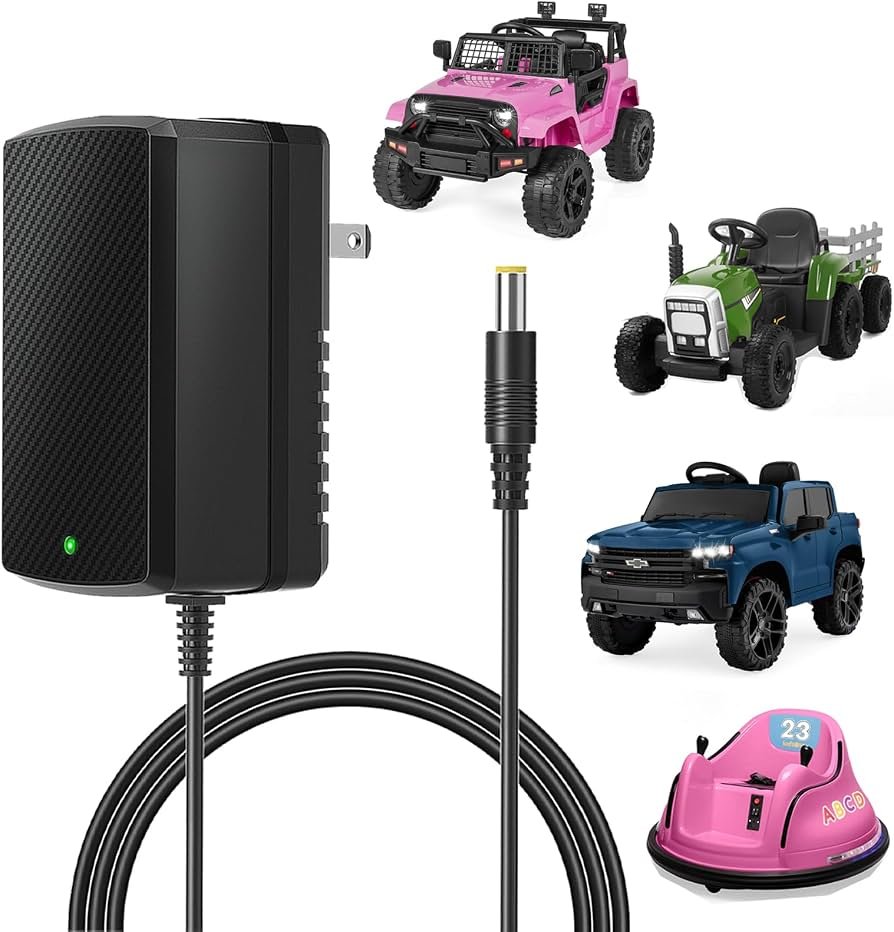
- Correct charger: Always use the charger that came with your Jeep, or buy a replacement with the same voltage and output. Using the wrong charger can damage the battery or cause overheating.
- Power outlet: Make sure your wall socket is working and stable. Avoid using old, loose, or damaged outlets.
- Dry charging area: Choose a flat, dry surface away from water, direct sunlight, or flammable materials.
Charger Comparison Table
Here’s a quick look at how different Jeep batteries match with charger types:
| Battery Type | Charger Voltage | Charging Time | Common Models |
|---|---|---|---|
| 6V Lead Acid | 6V | 6-8 hours | Small Jeeps (Ages 2-4) |
| 12V Lead Acid | 12V | 8-12 hours | Standard Jeeps (Ages 3-7) |
| 24V Lead Acid | 24V | 10-15 hours | Large Jeeps (Ages 6+) |
| Lithium-ion | Varies (6-24V) | 2-6 hours | Premium Models |
Non-obvious insight: Not all chargers work for all batteries—even if the plug fits. Voltage mismatch can permanently damage the battery.
Step-by-step Guide: Charging A Ride On Jeep
Charging your child’s Jeep is straightforward, but missing a single step can reduce the battery’s lifespan. Here’s how to do it right:
1. Turn Off The Jeep
Always switch off the Jeep before charging. This prevents current from flowing to the motors and protects both the battery and the Jeep’s electrical system.
2. Locate The Charging Port
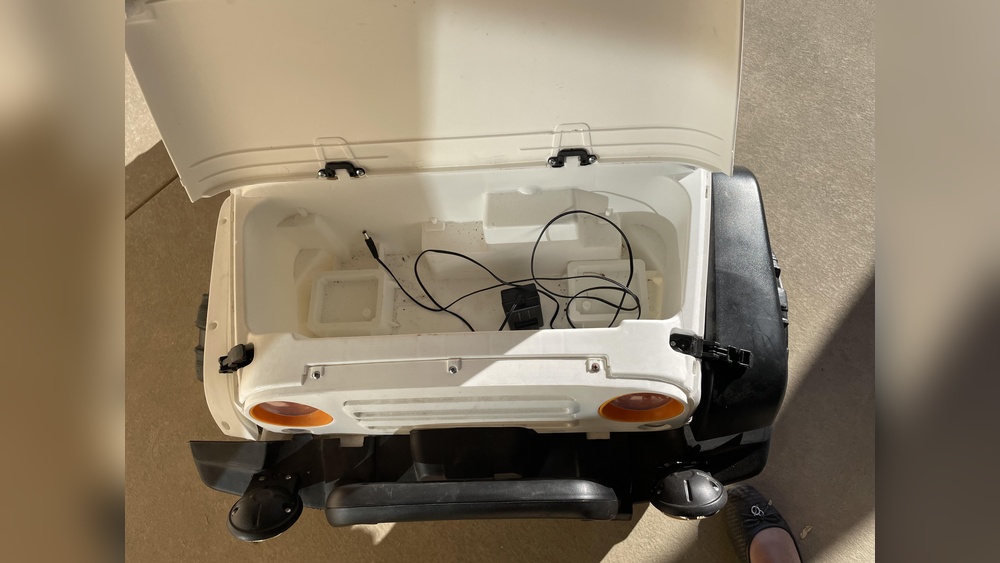
Most ride on Jeeps have a charging port under the seat, near the dashboard, or behind a small flap. If you can’t find it, check the manual or look for a round or rectangular socket labeled “Charge.”
3. Check The Battery And Charger
Inspect the battery for cracks, leaks, or swelling. If you notice any damage, don’t charge it.
The charger cable should be intact without frayed wires.
4. Plug In The Charger
Connect the charger’s plug to the Jeep’s charging port, then plug the other end into the power outlet. Most chargers have an indicator light red means charging, green means fully charged.
5. Monitor Charging Time
Do not overcharge. Most 12V ride on Jeeps take about 8 12 hours for a full charge.
For lithium-ion batteries, it can be as quick as 2 6 hours. Set a timer or alarm as a reminder.
6. Disconnect Properly
When the charger’s light turns green or the recommended time is up, unplug the charger from the wall first, then from the Jeep. This order reduces the chance of sparks or electrical issues.
7. Store Battery Safely
If you plan not to use the Jeep for a month or more, remove the battery and store it in a cool, dry place. Charge it every 1 2 months to keep it healthy.
Non-obvious insight: Some parents forget to unplug the charger overnight, thinking it’s safe. Many chargers do not have auto shut-off, so this habit can slowly destroy the battery.
How Long Should You Charge A Ride On Jeep?
Charging time depends on the battery type, Jeep size, and how much power is left. Here’s a quick guide:
- First charge (new battery): 8–12 hours. It’s crucial to fully charge the battery before the first use.
- Regular charging: 8–12 hours for 12V; 10–15 hours for 24V; 6–8 hours for 6V; 2–6 hours for lithium-ion.
- Top-up charge (after short rides): 4–6 hours.
Never guess the time. Always check the manual or the label on the charger.
Example Charging Time Table
| Jeep Model | Battery Type | Recommended First Charge | Regular Charge |
|---|---|---|---|
| Wrangler Mini | 6V Lead Acid | 8 hours | 6 hours |
| Power Wheels Jeep | 12V Lead Acid | 12 hours | 8-10 hours |
| Monster Jeep XXL | 24V Lead Acid | 15 hours | 10-12 hours |
| EcoRide Jeep | 24V Lithium-ion | 6 hours | 3-4 hours |
Signs Your Ride On Jeep Battery Needs Charging
Kids rarely tell you when the Jeep slows down. Watch for these signs:
- Slower speed: The Jeep moves slowly, even on smooth ground.
- Dim lights: Headlights or dashboard lights are weak.
- No sound: Horn, music, or engine sounds are faint or silent.
- Stops suddenly: The Jeep stops and won’t restart until charged.
- Charger indicator: Most chargers show a red light while charging and green when done.
If you notice these symptoms, it’s time to recharge. Waiting too long can damage the battery.
How To Extend Battery Life
Batteries are expensive to replace. Here’s how to keep them healthy:
- Follow charging instructions: Don’t undercharge or overcharge.
- Charge after every use: Even after short rides, top up the battery.
- Avoid full discharge: Never let the battery run completely flat. Lead-acid batteries dislike deep discharge.
- Store properly: Remove the battery if you store the Jeep for weeks. Recharge every 1–2 months.
- Keep it clean: Wipe battery terminals with a dry cloth to avoid corrosion.
- Use indoors in cold weather: Batteries lose power quickly in freezing temperatures.
Pro tip: Many parents think a bigger battery means longer life, but using a battery with higher voltage than recommended can burn out the Jeep’s motors.
Troubleshooting Charging Problems
Sometimes the ride on Jeep just won’t charge. Here’s how to solve common issues:
Jeep Won’t Charge
- Check the power outlet: Try plugging the charger into another socket.
- Inspect charger and cable: Look for broken wires or loose connections.
- Test with another charger: If possible, borrow a charger from a similar Jeep.
- Battery age: Lead-acid batteries usually last 1–2 years. If it’s older, consider replacement.
Charger Light Doesn’t Turn On
- Bad connection: Wiggle the plug gently to see if the light blinks.
- Dead charger: Chargers do fail. Replace with the same model.
- Blown fuse: Some Jeeps have a small fuse near the battery that may need replacement.
Jeep Runs Only A Few Minutes
- Undercharged battery: Make sure you charge for the full recommended time.
- Battery memory effect: Old batteries hold less charge. Replace if needed.
- Cold weather: Batteries lose capacity in the cold—charge and store indoors.
Example Troubleshooting Table
| Problem | Possible Cause | Solution |
|---|---|---|
| Charger not lighting up | Faulty outlet/charger | Try another socket or charger |
| Battery heats up | Overcharging | Unplug immediately, replace battery if swollen |
| Jeep stops suddenly | Loose wire or dead battery | Check connections, replace battery if old |
| Short run time | Old or partially charged battery | Charge fully, replace if needed |
Safety Tips When Charging A Ride On Jeep
Safety should always come first, especially with children around. Follow these rules:
- Keep the Jeep away from water while charging.
- Do not charge unattended overnight unless the charger has auto shut-off.
- Don’t let children touch the charger or battery during charging.
- Inspect wires regularly for damage.
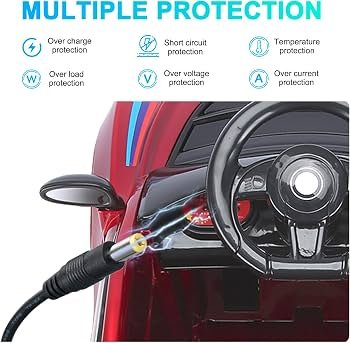
- Disconnect immediately if you see smoke, smell burning, or the battery feels hot.
Important: Cheap replacement chargers can be a fire hazard. Buy only from trusted brands or the Jeep’s manufacturer.
If you need more details on battery care and charging safety, the Wikipedia Rechargeable Battery Guide provides in-depth background.
Frequently Asked Questions
How Often Should I Charge The Ride On Jeep?
Charge after every use, even if your child only drove for a short time. Regular charging keeps the battery healthy and ready to go.
Can I Use A Different Charger If I Lose The Original?
Only use a charger with the same voltage and output as the original. Using the wrong charger can damage the battery or create a fire risk.
What Happens If I Overcharge The Battery?
Overcharging can cause the battery to overheat, swell, or leak. This shortens its life and can be dangerous. Always unplug when charging is done.
How Long Does A Ride On Jeep Battery Last?
Most lead-acid batteries last 1–2 years with proper care. Lithium-ion batteries may last up to 3 years. Replace the battery if it holds less charge or the Jeep slows down quickly.
Should I Remove The Battery For Winter Storage?
Yes, if you won’t use the Jeep for a month or more, remove the battery and store it in a cool, dry place. Recharge every 1–2 months to prevent damage.
Ride on Jeeps bring joy to children and convenience to parents, but only if you maintain and charge them properly.
By following the steps and tips in this guide, you’ll keep the battery strong, the Jeep running smoothly, and your child happy for years to come.