Charging your Jeep Grand Cherokee is easy when you know the steps and options. Many people choose this SUV for its power and smart features, including the plug-in hybrid version (Jeep Grand Cherokee 4xe).
If you own a Grand Cherokee 4xe or plan to buy one, understanding how to charge it can save you money and time. This guide explains everything in clear, simple words.
You’ll learn what charging methods exist, how to use them, and what to avoid for safe, fast charging. Let’s get started.
Understanding Jeep Grand Cherokee Charging
The Jeep Grand Cherokee 4xe uses a plug-in hybrid system. It has a battery that you charge with electricity, plus a gas engine. The battery allows you to drive short distances using only electric power. When the battery is empty, the gas engine takes over. Charging the battery is important for getting the best efficiency and saving on fuel.
There are three main ways to charge:
- Level 1 Charging (Standard home outlet)
- Level 2 Charging (Home or public station)
- DC Fast Charging (Not available for Grand Cherokee 4xe)
You can use a simple wall outlet or install a special charger for faster charging. Public stations are also available in many cities.
Level 1 Charging: The Simple Home Method
Most owners start with Level 1 charging. This uses a standard 120-volt outlet, like the ones found in your home or garage. You don’t need any special equipment, just the charger that comes with your Jeep.
- Charging time: About 12-14 hours for a full charge
- Power: Low (slow charging)
- Suitable for: Overnight charging
Plug the charger into your outlet, then connect it to your Jeep. The battery will charge slowly, but this method is safe and easy.
For many people, Level 1 is enough if you drive short distances daily.

Level 2 Charging: Faster And More Powerful
Level 2 charging uses a 240-volt outlet, like those used for dryers. You need a special charger, called an EVSE (Electric Vehicle Supply Equipment). Many owners install a Level 2 charger at home for faster charging.
- Charging time: About 2-3 hours for a full charge
- Power: Medium (faster charging)
- Suitable for: Daily use, longer trips
Here’s how Level 2 charging compares to Level 1:
| Charging Level | Voltage | Time (Full Charge) | Location |
|---|---|---|---|
| Level 1 | 120V | 12-14 hours | Home |
| Level 2 | 240V | 2-3 hours | Home/Public |
Level 2 chargers are often found in public places like shopping centers. You can also install one in your garage.
This is ideal if you need your Jeep ready quickly.
Using Public Charging Stations
Charging your Jeep at a public station is simple and convenient. Many stations support Level 2 charging. Some require payment, while others are free.
- Finding stations: Use apps like PlugShare or ChargePoint
- Cost: Usually $0.10-$0.30 per kWh, sometimes free
- Access: Swipe a card or use an app
Public stations help if you travel long distances or don’t have a charger at home. Always check if the station is compatible with plug-in hybrids.
Here’s a quick comparison of home and public charging:
| Location | Charging Speed | Cost | Convenience |
|---|---|---|---|
| Home | Level 1/2 | Low | Very High |
| Public | Level 2 | Medium | High |

Practical Steps For Charging Your Jeep Grand Cherokee
Follow these steps to charge your Grand Cherokee 4xe safely:
- Park and turn off your Jeep.
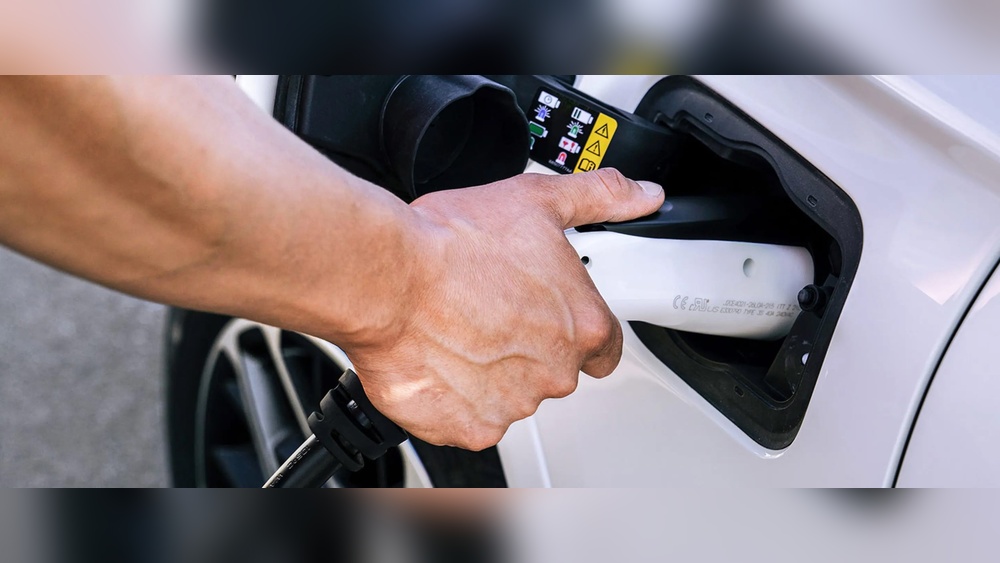
- Open the charging port (left rear side of vehicle).
- Plug in the charger (make sure it clicks into place).
- Check the indicator light on the dash. Green means charging, yellow means waiting, red means error.
- Leave the charger connected until full. The car stops charging automatically.
- Unplug the charger and close the port.
If you use a public station, follow their instructions. Sometimes you need to swipe a card or use an app before charging starts.
Important Tips And Common Mistakes
Charging your Jeep is easy, but beginners often miss a few key points:
- Check your outlet: Not all outlets are strong enough. Use a dedicated outlet for Level 2 charging.
- Avoid extension cords: These can cause overheating or fires.
- Monitor charging: Check the dashboard or app for charging status.
- Plan for weather: Cold temperatures can slow charging. Try to charge indoors when possible.
Many people forget to unplug when the battery is full. Leaving it plugged in for too long can cause battery wear.
Another common mistake is not checking compatibility at public stations. Make sure the station supports plug-in hybrids, not just full electric cars.
Charging Performance: What To Expect
The Grand Cherokee 4xe can travel about 25 miles on electricity before switching to gas. Charging times depend on the method:
- Level 1: Overnight (12-14 hours)
- Level 2: Afternoon (2-3 hours)
- Public station: Similar to Level 2
Here’s a quick data table for battery range and charging time:
| Charging Method | Time (Full Charge) | Electric Range |
|---|---|---|
| Level 1 | 12-14 hours | 25 miles |
| Level 2 | 2-3 hours | 25 miles |
If you drive more than 25 miles a day, the gas engine will run after the battery is empty. For most people, charging overnight or during the day keeps the battery ready.
Frequently Asked Questions
How Do I Know When My Jeep Grand Cherokee Is Fully Charged?
The dashboard indicator shows green when charging is complete. You can also check the Jeep app for battery status.
Can I Use A Normal Home Outlet For Charging?
Yes, you can use a 120-volt home outlet for Level 1 charging. It’s slower but safe for daily use.
Is It Safe To Leave The Charger Plugged In Overnight?
It’s safe to charge overnight. The car stops charging automatically when full. Make sure your outlet is in good condition.
Do I Need Special Equipment For Level 2 Charging?
Yes, you need a Level 2 charger (EVSE) and a 240-volt outlet. Many people install these in their garage for faster charging.
How Much Does Public Charging Cost?
Public stations usually charge $0.10-$0.30 per kWh. Some stations are free. Always check prices before charging.
Charging your Jeep Grand Cherokee is straightforward with the right knowledge. Choose the method that fits your needs—home, public, slow, or fast. Remember to use safe outlets, check compatibility, and monitor charging. With these tips, you’ll enjoy the full benefits of your plug-in hybrid. For more details on electric vehicles, visit US Department of Energy.