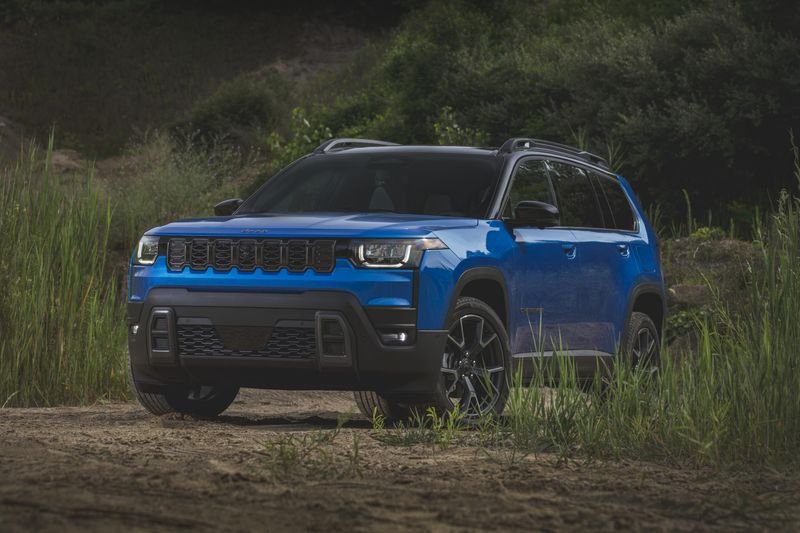
Charging your Jeep hybrid is easy once you know the basics. Hybrid vehicles like the Jeep Wrangler 4xe and Jeep Grand Cherokee 4xe combine gasoline and electric power. This means you need to understand both the charging process and how it affects your driving. Whether you’re new to plug-in hybrids or want to get the most from your Jeep, this guide will walk you through every step—so you drive smarter, save money, and avoid common mistakes.
Understanding Jeep Hybrid Charging
Jeep hybrids use a plug-in battery that you can charge at home or at public stations. The battery powers the electric motor, helping you drive without gasoline for short distances. Most Jeep hybrids have an electric-only range of around 20–25 miles before switching to gas. Charging regularly lets you drive cleaner and spend less at the pump.
There are two main ways to charge your Jeep hybrid:
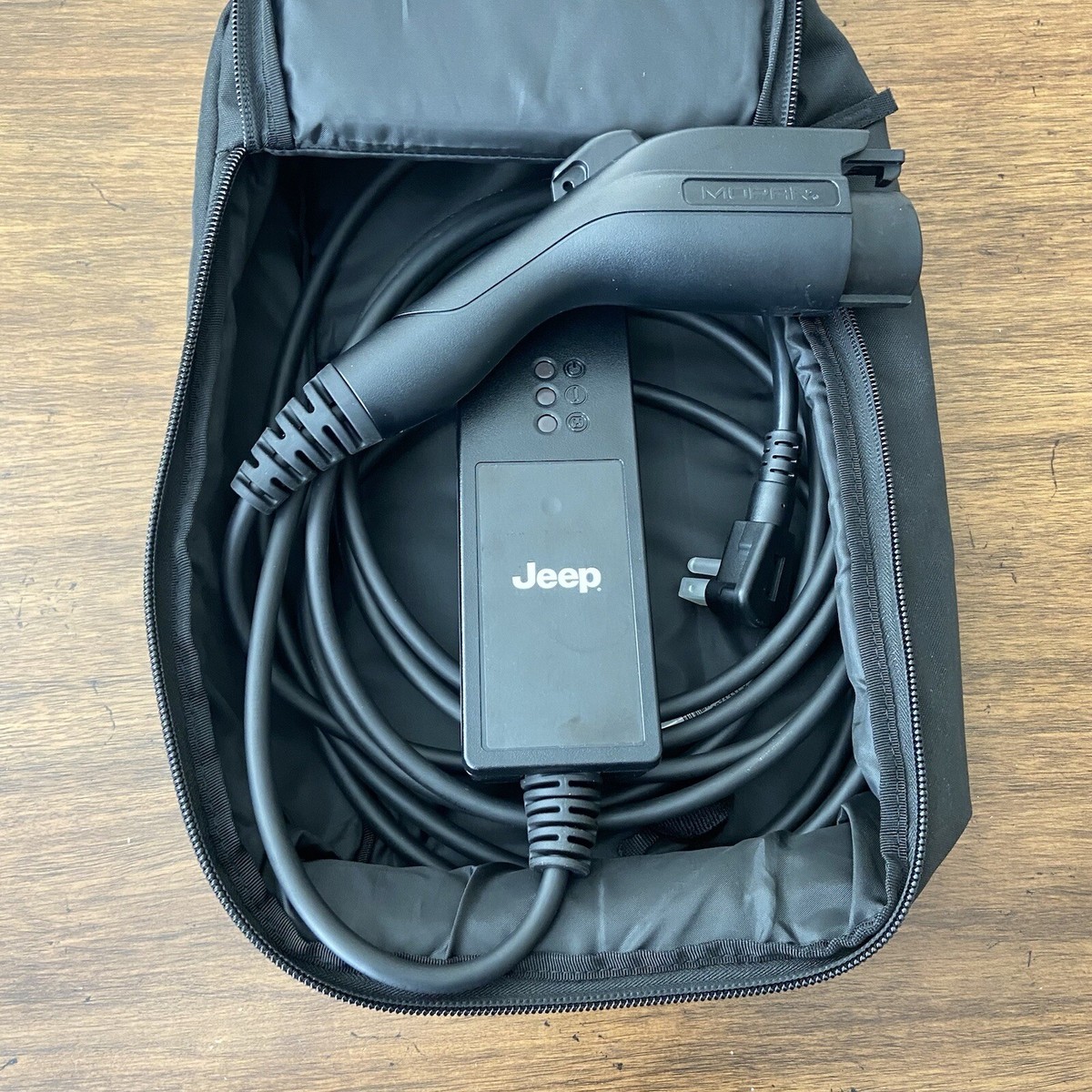
- Level 1 charging: Uses a standard 120V wall outlet
- Level 2 charging: Uses a 240V outlet or dedicated charging station
Let’s compare the charging times and costs:
| Charging Method | Voltage | Approx Time (0–100%) | Cost per Charge |
|---|---|---|---|
| Level 1 (Home Outlet) | 120V | 12–14 hours | $1.50–$2.00 |
| Level 2 (Home/Public) | 240V | 2–3 hours | $1.50–$2.00 |
| Public Fast Charger | Varies | Not compatible | N/A |
Note: Jeep hybrids do not support DC fast charging, which is common for full electric cars.
Step-by-step: How To Charge Your Jeep Hybrid
1. Locate The Charging Port
The charging port is usually on the driver’s side, near the front fender. Open the cover to access it.
2. Choose Your Charging Cable
Your Jeep comes with a Level 1 charger for home outlets. For faster charging, you can install a Level 2 charger at home or use public stations.
3. Plug In Safely
Make sure the outlet is working and the cable is undamaged. Plug the cable into the charging port until it clicks.
4. Check The Indicator Lights
Your Jeep will show charging status with LED lights near the port. Green means charging, blue means scheduled charging, and red means an error.
5. Monitor Charging Progress
Use the Jeep’s dashboard or mobile app to see battery status. Charging stops automatically when full.
6. Unplug And Close The Port
When charging is finished, press the release button on the cable and unplug. Close the port cover securely.
Example: Charging A Jeep Wrangler 4xe At Home
If you use a standard outlet, expect a full charge in about 12 hours. With a Level 2 charger, it drops to about 2 hours.
Many owners install Level 2 chargers for convenience, especially if they drive daily.

Home Charging Vs Public Charging
Charging at home is most convenient for Jeep hybrid owners. You can plug in overnight and wake up with a full battery.
Public stations are useful for longer trips or if you don’t have access to home charging.
Here’s a comparison between home and public charging:
| Feature | Home Charging | Public Charging |
|---|---|---|
| Cost | Lower, included in electricity bill | Sometimes free, sometimes pay per kWh |
| Availability | Always accessible | Depends on location, may need app or card |
| Speed | Level 1 or Level 2 (2–14 hours) | Level 2 only (2–3 hours) |
| Convenience | Highest | Good for travel |
Choosing The Right Charger For Your Jeep Hybrid
Installing a Level 2 charger at home is the best choice for most drivers. Look for these features:
- 240V compatibility
- Weatherproof design
- UL certification for safety
- Smart charging (optional, for scheduling)
Most Level 2 chargers cost between $400–$800 plus installation. Check your local utility for rebates—they can cut costs by up to 50%.
Common Mistakes When Charging
1. Using Damaged Cables
Always check your cable for wear or cracks. Damaged cables can cause fire hazards.
2. Charging In Wet Conditions
Avoid charging outdoors during rain unless your charger is weatherproof.
3. Not Unplugging After Full Charge
While your Jeep stops charging automatically, unplugging protects the cable and port.
4. Ignoring Scheduled Charging
Some electricity plans offer lower rates at night. Use scheduled charging to save money.

How Charging Affects Your Driving
A fully charged Jeep hybrid lets you drive 20–25 miles on electric power alone. This covers most daily commutes. Once the battery is empty, the gas engine takes over. You still get the benefits of a hybrid—like better fuel economy and lower emissions.
According to EPA data, the Jeep Wrangler 4xe gets about 49 MPGe (miles per gallon equivalent) with electric and gas combined. This is much higher than the regular gas-only version, which averages 20 MPG.
Here’s a quick comparison:
| Model | Electric Range | Combined MPGe | Gas MPG |
|---|---|---|---|
| Wrangler 4xe | 21 miles | 49 MPGe | 20 MPG |
| Grand Cherokee 4xe | 25 miles | 56 MPGe | 23 MPG |
Practical Tips For Jeep Hybrid Owners
- Charge overnight for best convenience
- Install a Level 2 charger if possible
- Use the Jeep app to monitor charging and battery health
- Plan longer trips with public charging stations in mind
- Schedule charging during off-peak hours for lower cost
Remember: charging habits affect battery life. Avoid running the battery to zero often—try to keep it between 20%–80% for long-term health.

Frequently Asked Questions
How Long Does It Take To Charge A Jeep Hybrid?
Charging with a standard outlet takes 12–14 hours. Level 2 charging cuts this to 2–3 hours. Public stations offer similar speeds.
Can I Use Dc Fast Chargers For My Jeep Hybrid?
No. Jeep hybrids do not support DC fast charging. Only Level 1 and Level 2 chargers are compatible.
Is It Safe To Charge In The Rain?
If your charger is weatherproof and installed correctly, it’s safe. Otherwise, avoid charging outdoors during wet conditions.
How Much Does It Cost To Charge A Jeep Hybrid?
A full charge usually costs $1.50–$2.00, depending on your local electricity rates.
Where Can I Find Public Charging Stations?
You can use apps like PlugShare or your Jeep’s navigation system. For more details, visit the US Department of Energy.
Charging your Jeep hybrid is simple and convenient with the right setup. By following these steps and tips, you’ll save money, drive greener, and keep your Jeep running smoothly for years to come.