Charging the battery of a Jeep Grand Cherokee is a simple task, but doing it the right way keeps your vehicle safe and extends battery life. Many owners are unsure about the correct steps, safety precautions, and tools required. A dead battery can leave you stranded, so understanding the process is important for every Jeep driver. This guide explains how to charge your Grand Cherokee’s battery confidently, avoid common mistakes, and know when a battery might need replacement.
Understanding Your Jeep Grand Cherokee Battery
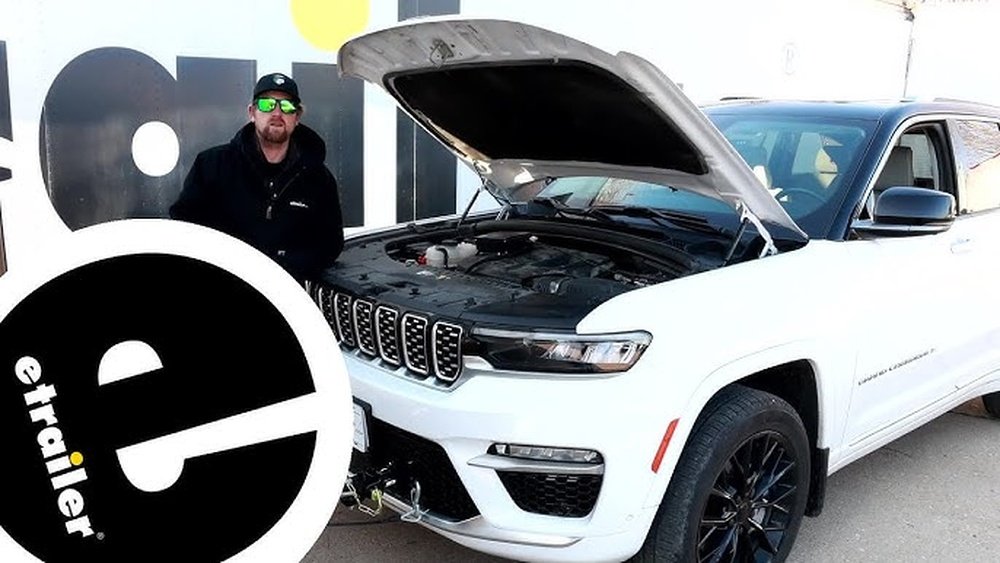
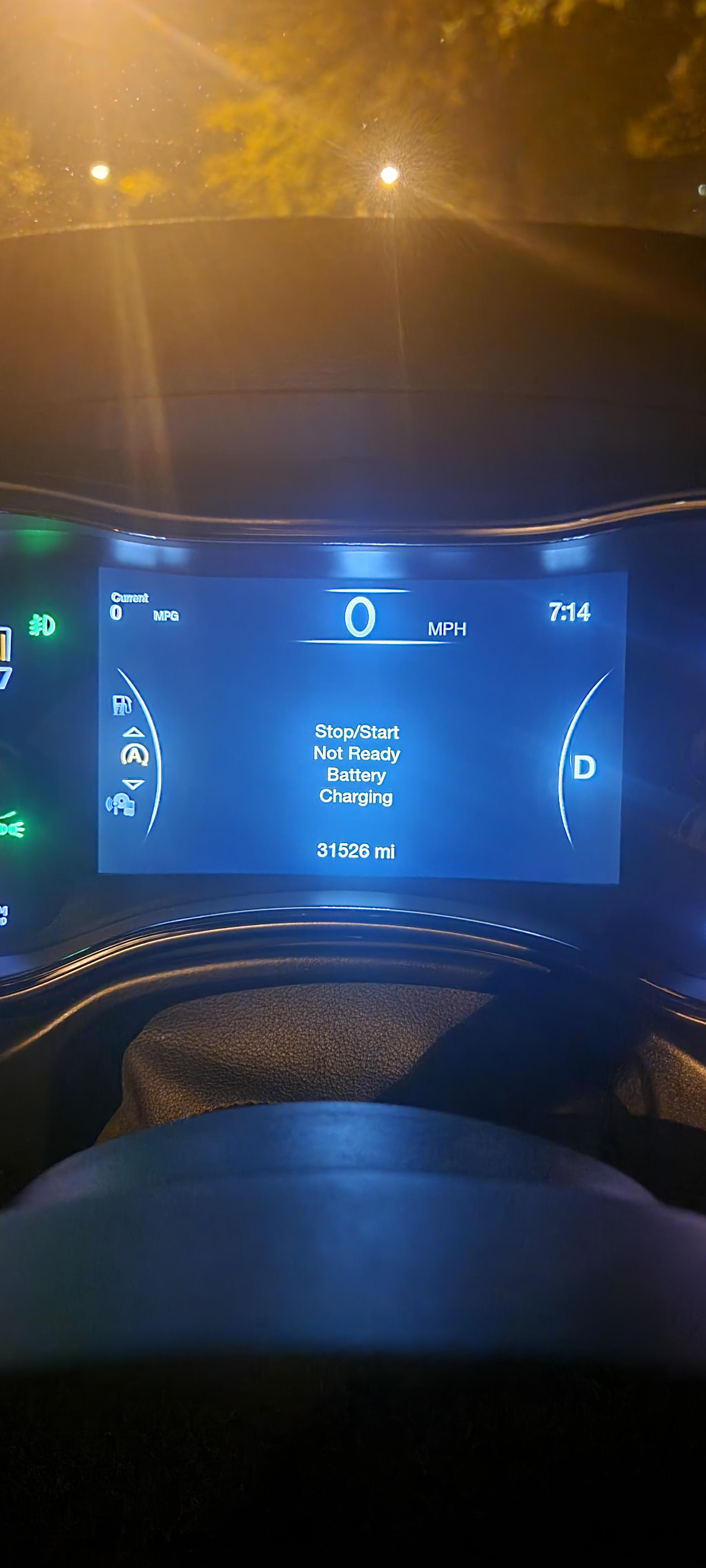
The Jeep Grand Cherokee typically uses a 12-volt lead-acid battery. Newer models may have an extra auxiliary battery, especially those with start-stop technology. The main battery powers the engine and electronics, while the auxiliary supports accessories and start-stop systems.
Batteries lose charge from age, short drives, or leaving lights on. Cold weather and heat can also lower battery performance.
Knowing your battery’s condition helps you decide if you need a simple recharge or a full replacement.
Tools And Equipment Needed
Before charging, prepare these tools:
- Battery charger (automatic smart charger is best)
- Safety gloves and goggles
- Wrenches (if you must remove battery terminals)
- Baking soda, water, and a brush (for cleaning corrosion)
- Owner’s manual for your Jeep Grand Cherokee
Check your charger’s compatibility with 12V lead-acid batteries. Avoid using chargers designed for other battery types, like lithium-ion.
Locating The Battery
The main battery in most Jeep Grand Cherokees is under the hood, near the engine. In some models (like 2011 2021), you may find it under the passenger seat.
Always turn off the engine and remove the key before starting.
Here’s a quick comparison of battery locations for different model years:
| Model Year | Battery Location |
|---|---|
| 2010 and earlier | Under hood |
| 2011–2021 | Under passenger seat |
| 2022 and later | Under hood |
Always check your manual for the exact location.
How To Charge A Jeep Grand Cherokee Battery
Follow these steps for a safe and effective charge:
- Park Safely: Place your vehicle on a flat surface, shift to Park (P), and set the parking brake.
- Turn Off Everything: Switch off the ignition, lights, and all accessories.
- Open Battery Compartment: For under-seat batteries, slide the seat forward and remove the access panel.
- Inspect the Battery: Look for cracks or leaks. Do not charge a damaged battery.
- Clean Terminals: If you see white or blue powder, clean with baking soda and water. Use gloves and avoid touching your face.
- Connect Charger Cables:
- Red cable to the positive (+) terminal
- Black cable to the negative (–) terminal or a metal ground on the car body (not on the battery for extra safety)
- Set Charger: Choose the correct voltage (12V) and amperage. For most Jeep batteries, 2–10 amps is safe.
- Start Charging: Plug in and turn on the charger. Modern chargers stop automatically when the battery is full.
- Wait: Charging usually takes 4–10 hours depending on battery size and charger speed. Never rush with a high current setting.
- Disconnect Safely: Turn off the charger first. Remove the black cable, then the red.
Here’s a quick look at safe charging times for different battery sizes:
| Battery Size (Ah) | Charger Amp Setting | Approx. Charging Time |
|---|---|---|
| 50 Ah | 5 Amps | 10 hours |
| 70 Ah | 7 Amps | 10 hours |
| 90 Ah | 10 Amps | 9 hours |
Common Mistakes And How To Avoid Them
Reverse Polarity: Connecting cables backward can damage electronics. Double-check before switching on the charger.
Overcharging: Leaving the charger on too long can overheat the battery. Use a smart charger to prevent this.
Charging a Frozen Battery: If your battery is frozen, do not charge it. Thaw it slowly at room temperature first.
Ignoring Corrosion: Dirty terminals reduce charging efficiency and can cause starting problems.
Signs Your Battery Needs Replacement
Sometimes, charging does not solve the problem. Replace your battery if you notice:
- Swollen case
- Repeated dead battery
- Battery older than 4–5 years
- Vehicle electronics behaving strangely
Testing your battery’s voltage after charging is a smart move. A fully charged, healthy battery should read 12.6–12.8 volts with the engine off.
Safety Tips
- Always wear gloves and goggles
- Charge in a well-ventilated area
- Never smoke or use open flames near the battery
- Keep children and pets away
- Unplug the charger before disconnecting cables
When To Seek Professional Help
If you smell a strong rotten egg odor (sulfur), see leaking fluid, or your Jeep still will not start after charging, call a mechanic. Electrical problems can sometimes look like battery issues but need expert diagnosis.
Comparing Battery Charger Types
Choosing the right charger makes the process safer and more effective. Here’s a simple comparison:
| Type | Pros | Cons |
|---|---|---|
| Manual Charger | Low cost, simple | Risk of overcharging, needs supervision |
| Smart Charger | Automatic shut-off, safer | Higher price |
| Trickle Charger | Maintains charge over long periods | Slow, not for quick charging |
For most Jeep owners, a smart charger is the best choice.
Extra Tips For Longer Battery Life
- Drive your Jeep regularly to keep the battery charged
- Keep terminals clean and tight
- Avoid very short trips if possible
- Test your battery every 6–12 months, especially before winter
Frequently Asked Questions
How Often Should I Charge My Jeep Grand Cherokee Battery?
Regular charging is not needed if you drive daily. Charge the battery if your Jeep sits unused for more than two weeks or after a jump-start.
Can I Charge The Battery Without Removing It From The Vehicle?
Yes, you can charge the battery while it’s installed. Just make sure the charger cables are connected correctly and the charger is suitable for in-car use.
What Voltage Should A Fully Charged Battery Show?
A fully charged battery should read between 12.6 and 12.8 volts with the engine off. Anything lower could mean the battery is weak.
Is It Safe To Jump-start My Jeep If The Battery Is Dead?
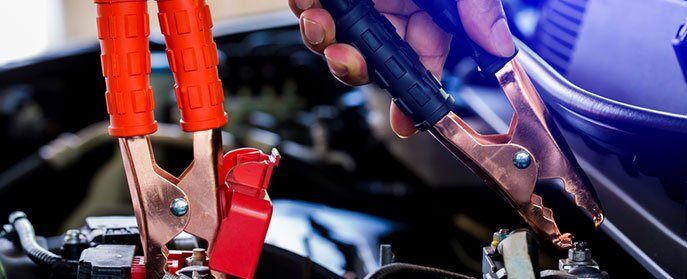
Yes, but follow correct procedures. Use quality jumper cables and connect them in the right order.
Charging is safer for weak batteries than frequent jump-starts.
Where Can I Find More Information About Car Batteries And Maintenance?
You can find detailed guides and battery care tips at the Wikipedia Car Battery page.
Knowing how to charge your Jeep Grand Cherokee battery saves time and keeps you on the road. With the right tools and safe steps, even beginners can do it confidently. Remember, a little care now prevents bigger problems later.