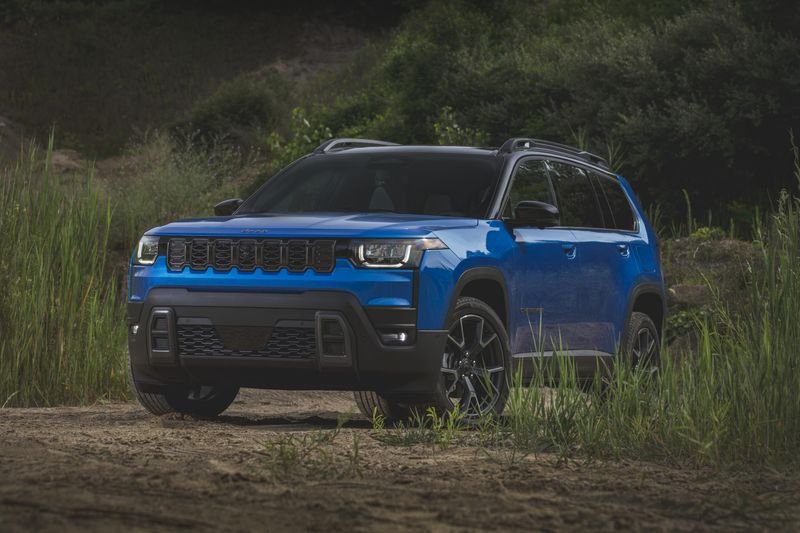
Changing the oil in your 2014 Jeep Wrangler is one of the best ways to keep your engine running smoothly. Many owners believe this task is complicated, but with the right steps, it becomes straightforward—even for beginners. Doing your own oil change saves money, helps you understand your vehicle, and ensures you always use the right products. Let’s walk through the full process, from gathering tools to final checks, so you can confidently handle your Jeep’s next oil change at home.
What You Need Before Starting
Preparation makes the job easier and less stressful. Here’s what you’ll need:
- Engine oil (5W-20 or 5W-30, check your manual): About 6 quarts for the 3.6L V6 engine.
- Oil filter: OEM or high-quality aftermarket.
- Oil catch pan: Holds at least 7 quarts.
- Socket wrench set: Usually a 13mm socket for the drain plug.
- Oil filter wrench
- Funnel
- Rags or paper towels
- Gloves
- Car ramps or jack stands: Never use only a jack.
Tip: Always use the correct oil viscosity. The wrong oil can cause poor lubrication and engine wear.

Step-by-step Oil Change Process
Follow each step carefully to avoid mess or mistakes.
1. Warm Up The Engine
Start your Jeep and let it run for 2 3 minutes. Warm oil drains faster and removes more contaminants.
Don’t get the engine too hot; just enough to make the oil flow.
2. Lift And Secure The Vehicle
Park on a level surface. Engage the parking brake. Use ramps or jack stands to lift the front safely. Never crawl under a car supported by a jack alone.
3. Drain The Old Oil
- Place your oil catch pan under the drain plug.
- Use your wrench to loosen and remove the plug (counterclockwise).
- Allow oil to drain completely (5–10 minutes).
- Inspect the drain plug gasket for damage. Replace if worn.
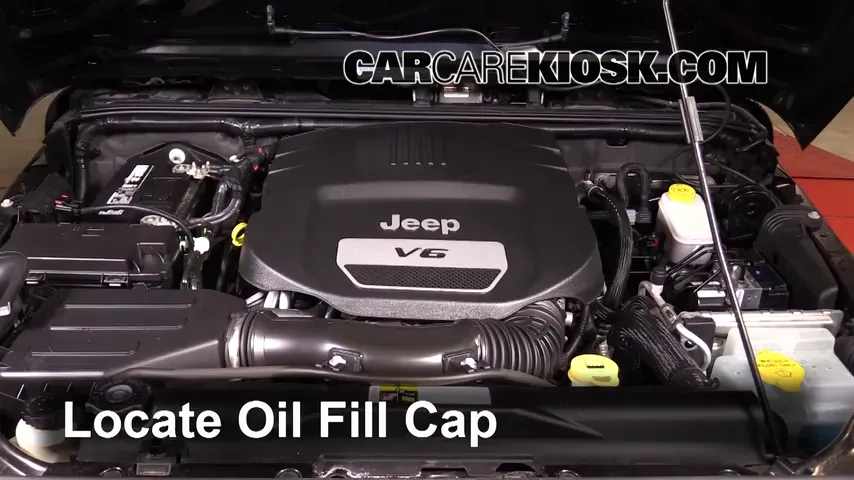
Beginner’s tip: Some owners forget to remove the oil cap on top of the engine before draining. Opening it helps oil drain out faster.
4. Remove And Replace The Oil Filter
- Move the pan under the filter.
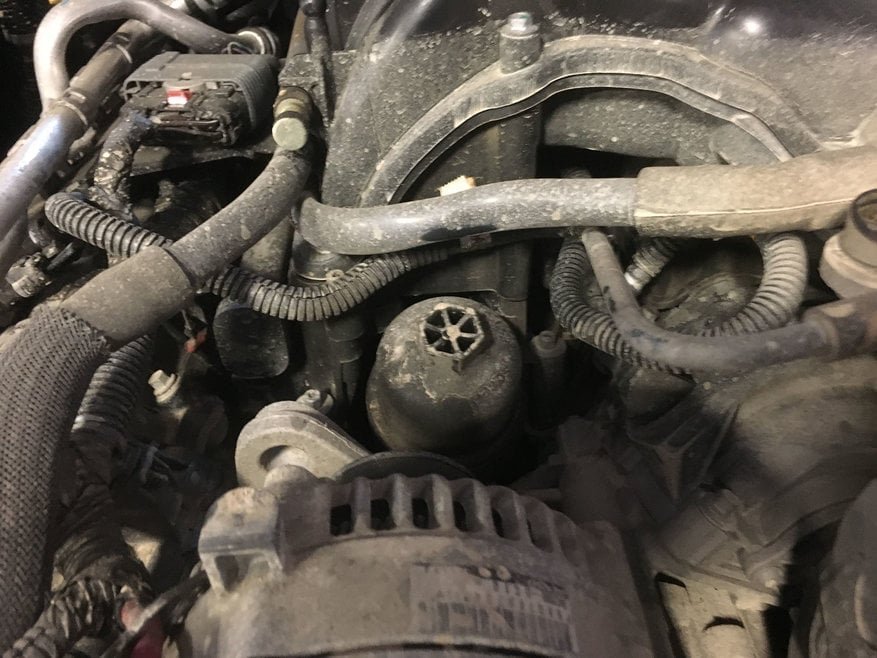
- Use the oil filter wrench to loosen the old filter. Expect some oil to spill.
- Before installing the new filter, apply a thin layer of fresh oil to the rubber gasket. This ensures a good seal and makes future removal easier.
- Hand-tighten the new filter. Never use a wrench to tighten—this can damage the gasket.
Insight: If you notice the old filter gasket stuck to the engine, remove it. Double-gasketing causes leaks.
5. Install The Drain Plug
- Wipe the area clean.
- Reinstall the drain plug and tighten securely, but don’t over-tighten.
- If you have a torque wrench, set it to 20 ft-lbs.
6. Add New Oil
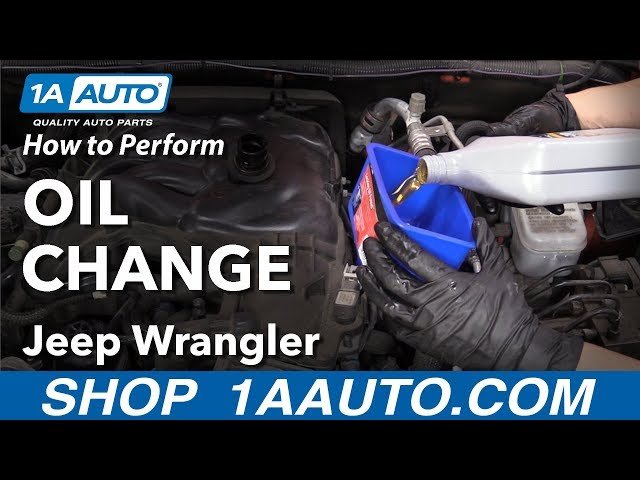
- Place a funnel in the oil fill hole.
- Pour in about 5.5 quarts, then check the dipstick.
- Add oil slowly until it reaches the “full” line.
Practical tip: Always check your owner’s manual for the exact oil capacity. Overfilling can damage the engine.
7. Check For Leaks
Start your Jeep and let it run for 1 2 minutes. Look under the car for leaks around the drain plug and filter.
Turn off the engine, wait 5 minutes, then check the oil level again. Top off if needed.
8. Dispose Of Old Oil Responsibly
Never pour oil down the drain. Most auto parts stores accept used oil for free.
This keeps your community and the environment safe.
Oil Types And Filter Comparison
Choosing the right oil and filter matters. Here’s a comparison for your 2014 Jeep Wrangler:
| Oil Type | Viscosity | Typical Use | Price (per qt) |
|---|---|---|---|
| Conventional | 5W-20 | Daily driving | $5–$7 |
| Synthetic Blend | 5W-30 | Mixed driving, light towing | $6–$9 |
| Full Synthetic | 5W-20/5W-30 | Extreme temps, heavy use | $8–$12 |
For most owners, full synthetic offers the best protection and longer intervals between changes.
Common Mistakes To Avoid
- Forgetting to replace the drain plug: This leads to a messy spill when new oil is added.
- Double-gasketing the oil filter: Always check for old gaskets.
- Using the wrong oil weight: Stick to the recommended viscosity.
- Over-tightening the filter or plug: This can strip threads or crush gaskets.
- Not checking for leaks: Small drips can become big problems.
Maintenance Intervals And Costs
How often you change your Jeep’s oil depends on oil type and driving conditions:
| Oil Type | Change Interval | Estimated Cost (DIY) |
|---|---|---|
| Conventional | 3,000–5,000 miles | $40–$50 |
| Full Synthetic | 7,500–10,000 miles | $60–$75 |
City driving, towing, or dusty conditions may require more frequent changes. Always reset your oil change reminder after servicing.
Tips For A Cleaner, Easier Oil Change
- Wear gloves to avoid burns and mess.
- Place cardboard under your Jeep to catch stray drips.
- Have extra rags nearby for quick clean-up.
- Take notes of your oil change date and mileage.
- Don’t forget to properly tighten your oil cap.
Non-obvious insight: If you drive off-road, check your oil more often. Mud or water can contaminate oil faster than city streets.
When To Seek Professional Help
If you notice metal shavings in the oil, strong gasoline smells, or milky appearance, consult a mechanic. These signs can mean engine problems beyond a simple oil change.
For more details, you can check the official Jeep maintenance guide on the Jeep website.
Taking care of your 2014 Jeep Wrangler with regular oil changes keeps it running strong for years. The process gets easier every time, and you’ll build confidence in your automotive skills.
Frequently Asked Questions
How Often Should I Change The Oil In My 2014 Jeep Wrangler?
Most experts recommend every 5,000 to 7,500 miles with synthetic oil. If you use conventional oil or drive in harsh conditions, every 3,000 miles is safer.
What Type Of Oil Does A 2014 Jeep Wrangler Use?
The recommended oil is 5W-20 or 5W-30 (check your manual). Full synthetic is ideal for best protection.
How Much Oil Does The Engine Take?
The 3.6L V6 needs about 6 quarts. Always check the dipstick after refilling.
Do I Need To Replace The Oil Filter Every Time?
Yes, always replace the oil filter with every oil change. Old filters can clog and reduce engine protection.
What If I Overfill The Engine With Oil?
If you add too much oil, drain the excess immediately. Overfilling can cause engine damage or leaks. Check the dipstick after adding oil to avoid this problem.