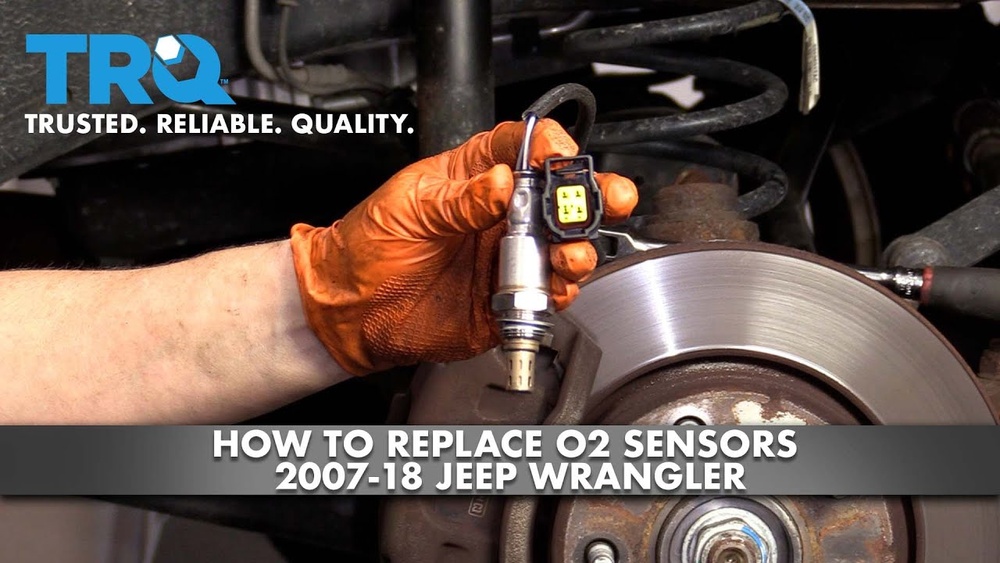
Changing the O2 sensor on your Jeep Wrangler can solve poor fuel economy, rough idle, and failed emissions tests. Many Jeep owners think this job is only for mechanics, but with a little guidance, you can do it yourself at home. This article will walk you through everything you need: tools, steps, safety tips, and advice that most beginners miss.
Why The O2 Sensor Matters
The oxygen sensor measures how much oxygen is in your Jeep’s exhaust. This data helps the engine control module (ECM) balance fuel and air for efficient combustion. A faulty sensor can cause the check engine light to come on, increase emissions, and waste fuel.
Symptoms of a bad O2 sensor:
- Decreased gas mileage
- Engine misfiring or stalling
- Rough idling
- Rotten egg smell from exhaust
- Failed emissions test
Ignoring these signs can lead to bigger problems, like damage to the catalytic converter.
Tools And Parts Needed
Before you start, gather these items:
- Replacement O2 sensor (verify compatibility by year/model/engine)
- O2 sensor socket or 7/8” (22mm) open-end wrench
- Ratchet and extensions
- Penetrating oil (like WD-40)
- Safety glasses and gloves
- Jack and jack stands (if needed)
- Anti-seize compound (for sensor threads)
Some Jeep Wranglers have multiple O2 sensors (upstream and downstream). Check your owner’s manual or a parts website to confirm which one you need.

Locating The O2 Sensor
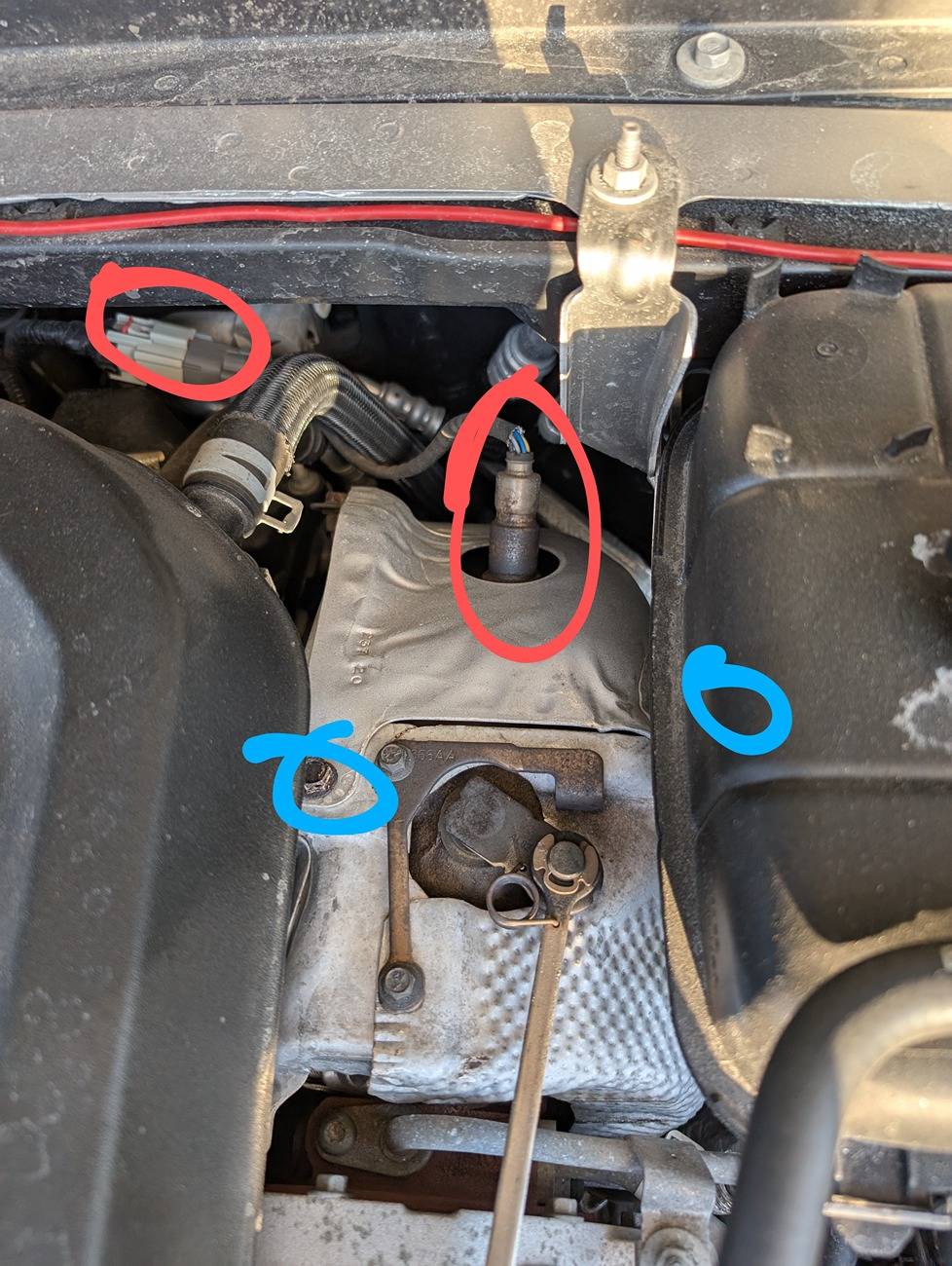
Jeep Wranglers usually have two or four sensors, depending on the year and engine. The upstream sensor is before the catalytic converter, and the downstream sensor is after it.
Here’s a quick comparison for common Wrangler models:
| Year/Model | Number of O2 Sensors | Location |
|---|---|---|
| 1997-2000 TJ | 2 | Upstream, Downstream |
| 2001-2006 TJ | 4 | 2 Upstream, 2 Downstream |
| 2007-2011 JK | 4 | 2 Upstream, 2 Downstream |
| 2012+ JK/JL | 2-4 | Varies |
Tip: The upstream sensor controls engine performance most. If your code says “Bank 1 Sensor 1,” that’s the upstream sensor on cylinder bank 1.
Step-by-step Guide: Replacing The O2 Sensor
- Let the engine cool: O2 sensors are hot after driving. Wait at least 30 minutes.
- Lift the Jeep (if needed): For better access, raise your Jeep and use jack stands.
- Locate the sensor: Find the faulty sensor using a repair manual, code reader, or visual inspection.
- Apply penetrating oil: Spray the sensor threads and let it sit for 5-10 minutes. This helps loosen rusted or stuck sensors.
- Disconnect the wiring harness: Press the tab and gently pull apart the connector.
- Remove the sensor: Use the O2 sensor socket or wrench to unscrew it counterclockwise. It may take force at first—be patient and avoid damaging the threads.
- Prepare the new sensor: Apply a small amount of anti-seize compound to the sensor threads (most sensors come pre-treated—check before applying more).
- Install the new sensor: Thread it in by hand first, then tighten with your wrench. Do not over-tighten.
- Reconnect the wiring harness: Make sure it clicks securely.
- Lower the Jeep and start the engine: Check for leaks or warning lights. The check engine light should turn off after a few drive cycles.
Pro Tip: If the check engine light stays on, clear the code with an OBD2 scanner or disconnect the battery for a few minutes.

Common Mistakes To Avoid
Most beginners make these errors:
- Mixing up sensors: Make sure to change the correct sensor. Use a code reader or manual to confirm the position.
- Forgetting anti-seize: This makes future removal much easier.
- Over-tightening: Too much force can break the sensor or damage the threads.
- Not clearing codes: New sensors won’t reset the check engine light by themselves.
O2 Sensor Brands Compared
Choosing a quality sensor matters. Here’s how the most common brands compare:
| Brand | Warranty | Price Range | Reliability |
|---|---|---|---|
| Bosch | 1 year | $$ | High |
| Denso | 1 year | $$$ | Very High |
| NTK | 1 year | $$ | High |
| Aftermarket/Generic | Varies | $ | Medium |
Insight: Spending a little more on a name-brand sensor can prevent repeat repairs and check engine light issues.
Safety And Environmental Notes
Always work on a cool engine, use jack stands (not just a jack), and wear eye protection. Dispose of old O2 sensors at a recycling center—never throw them in regular trash, as they contain materials harmful to the environment. For more on safe car maintenance, see the EPA guidelines.
When To Call A Professional
If you:
- Can’t loosen the sensor (it’s rusted solid)
- See damaged wiring or connectors
- Have check engine codes that won’t go away
…it’s wise to get help. Sometimes, special tools or a lift are needed.
Frequently Asked Questions
How Do I Know Which O2 Sensor To Replace?
Use an OBD2 scanner to read the engine code. Codes like P0135 or P0141 tell you the sensor’s position (“Bank 1 Sensor 2” means downstream on bank 1).
Can I Drive With A Bad O2 Sensor?
You can, but it’s not smart. A bad O2 sensor reduces fuel economy and can damage your catalytic converter, leading to costly repairs.
Do I Need To Disconnect The Battery Before Replacing The O2 Sensor?
It’s not required, but disconnecting the negative battery cable can prevent accidental short circuits and clear the check engine light in some cases.
How Often Should O2 Sensors Be Replaced?
Most last 60,000 to 100,000 miles. Replace them if they fail or as preventive maintenance if your Jeep is high-mileage.
What Happens If I Use A Universal O2 Sensor?
Universal sensors often need to be spliced into the old wiring. Mistakes during installation can cause errors or poor performance.
Direct-fit sensors are much easier and more reliable.
Replacing an O2 sensor on a Jeep Wrangler is a rewarding DIY job. You’ll save money, improve your Jeep’s performance, and learn more about your vehicle.
Take your time, follow the steps, and you’ll be back on the road with confidence.