Many Jeep Grand Cherokee owners notice that their tire pressure is displayed in kPa (kilopascals) instead of the more familiar PSI (pounds per square inch). This can be confusing, especially if you’re used to PSI for checking or inflating your tires. Luckily, you can switch the display units, but the method depends on your Grand Cherokee’s model year and dashboard system. This guide will walk you through how to change kPa to PSI on a Jeep Grand Cherokee, plus provide some useful tips and data to make tire maintenance easier.
Why Tire Pressure Units Matter
Tire pressure is a key factor for safety, fuel efficiency, and tire life. Setting the right pressure depends on reading the unit correctly. In the US, most people use PSI, while kPa is more common in Canada and other regions. Confusing these units can lead to over- or under-inflation, which may cause uneven wear or even a blowout.
Common Jeep Grand Cherokee Dashboard Displays
Jeep Grand Cherokees use different dashboard systems, depending on the year and trim. Here’s a quick comparison:

| Year Range | Display Type | Change Units in Settings? |
|---|---|---|
| 2011–2021 | Uconnect Touchscreen | Yes |
| 2005–2010 | Basic Info Display | No (usually fixed) |
| 2022+ | Uconnect 5 / Digital Cluster | Yes (more options) |
If your Jeep has a touchscreen system, you’ll likely be able to switch units through the menu. Older models may not allow changing units without dealer programming.
Step-by-step: Changing Kpa To Psi
Let’s break down the process for most modern Jeep Grand Cherokees (2011 and newer):
- Turn on the ignition but do not start the engine.
- Find the Uconnect screen in the center console.
- Tap the Settings or Apps button.
- Look for a section called Units or Display.
- In the Units menu, select Pressure.
- Choose PSI instead of kPa.
In some versions, the option may be under Instrument Cluster or Personal Settings.
If You Have A Digital Driver Display
Some new models (2022+) have a fully digital instrument cluster. Here’s what to do:
- Use the steering wheel buttons to scroll through the menu.
- Look for Settings or Units.
- Find Tire Pressure Units and select PSI.
What If You Can’t Find The Option?
If you don’t see the option, check your owner’s manual. Some export models or base trims may not have a changeable unit. In rare cases, a dealer can reprogram the display.
Kpa Vs Psi: Quick Conversion
If you’re stuck with kPa and need to know what it means in PSI, here’s the simple math:
- 1 PSI = 6.895 kPa
So, if your tire says 240 kPa:
240 Kpa ÷ 6.895 ≈ 34.8 Psi
Here’s a handy reference for common Jeep Grand Cherokee tire pressures:
| kPa | PSI |
|---|---|
| 220 | 31.9 |
| 230 | 33.4 |
| 240 | 34.8 |
| 250 | 36.3 |

Why Jeep Uses Kpa By Default
Some Jeep Grand Cherokees show kPa by default because they are sold in multiple countries, including Canada. The system often defaults to the setting based on the car’s original market. Regulatory requirements sometimes force cars to display kPa if imported from Canada.
Practical Tips For Tire Pressure
- Always check pressure when tires are cold (before driving).
- Don’t rely only on the display—use a manual gauge for accuracy.
- After switching to PSI, double-check your target value. Most Grand Cherokees need around 33–36 PSI in the front and rear tires.
How To Tell If The Change Worked
After switching, look for your tire pressures displayed as whole numbers (like 34 or 35), not numbers around 230–250. If you see PSI next to the value, the setting was successful.
Common Mistakes To Avoid
- Forgetting to save settings: Some menus need you to confirm the change.
- Not updating the display: If the dashboard still shows kPa, try restarting the car.
- Inflating tires to kPa when set to PSI: Always match the unit on the dashboard with your air pump.
- Ignoring the manual: Some trims have unique steps—always check your manual if unsure.
Real-world Example
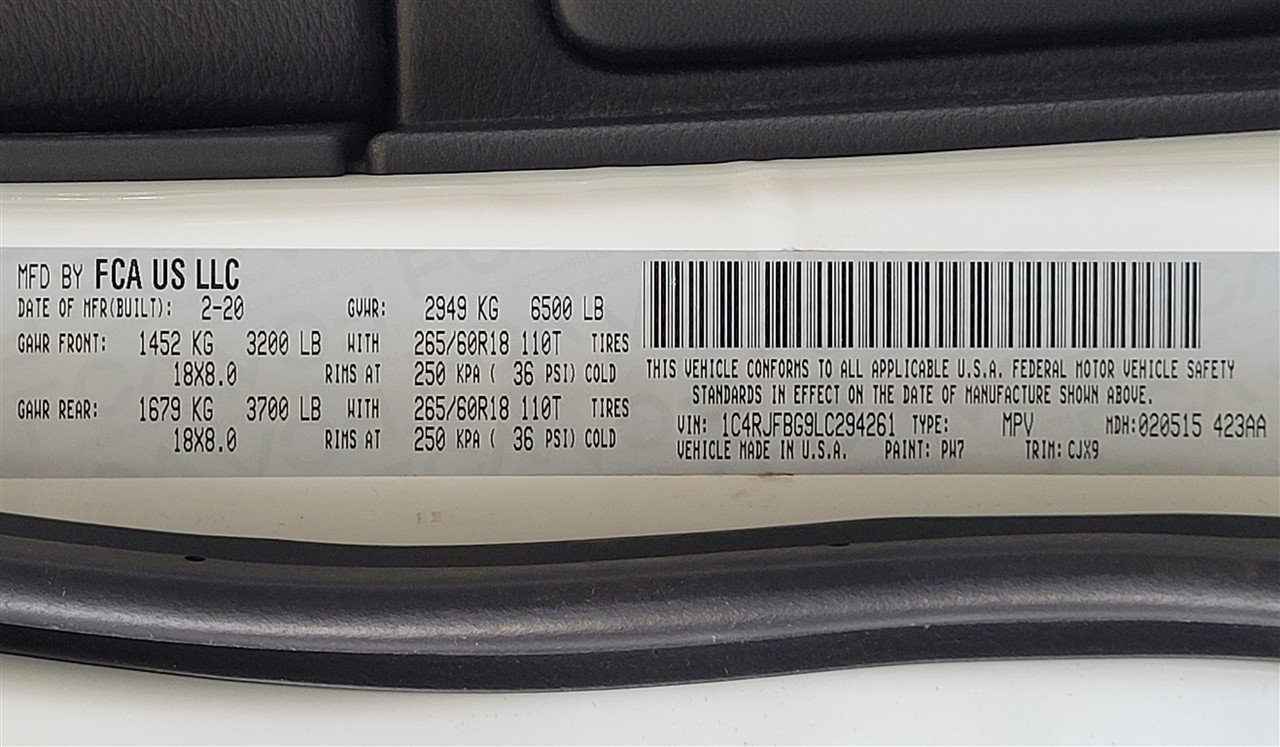
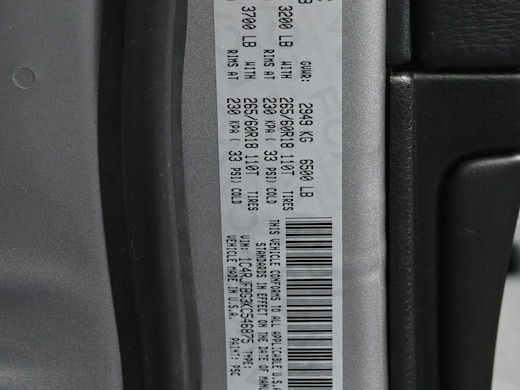
A 2019 Jeep Grand Cherokee owner noticed the dashboard showed 240 kPa. After switching to PSI using the Uconnect settings, the value changed to 34.
8 PSI. This matched the recommended level on the door sticker.
This change made it much easier to check and maintain the right pressure.
Quick Reference: Steps By Model Year
| Model Year | Changeable Units? | How to Change |
|---|---|---|
| 2011–2021 | Yes | Uconnect > Settings > Units |
| 2005–2010 | No | Dealer only |
| 2022+ | Yes | Digital Cluster > Settings |
Frequently Asked Questions
Can I Change Kpa To Psi On All Jeep Grand Cherokee Models?
Most newer models (2011 and up) allow you to change units easily using the Uconnect system or digital cluster. Older models may not offer this option without special dealer programming.
What If My Jeep Still Shows Kpa After Changing The Setting?
Try turning off the ignition and restarting the car. If the display is still in kPa, double-check the settings or consult the owner’s manual.
Some export models do not allow changing units.
Is It Safe To Use Kpa If I’m Used To Psi?
Yes, but you need to convert the numbers correctly. Using the wrong unit can lead to over- or under-inflated tires.
Always match your air pump and dashboard units.
Where Can I Find The Recommended Tire Pressure For My Jeep?
Look for a sticker on the driver’s door jamb. It lists the correct pressure in both kPa and PSI. You can also check the owner’s manual or visit the official Jeep website for more details.
Do I Need Special Tools To Change The Units?
No special tools are required for most models. You only need access to the dashboard menu or touchscreen.
Only older models might need a dealer visit.
Switching from kPa to PSI on your Jeep Grand Cherokee makes tire maintenance easier and reduces mistakes. Once you change the setting, remember to check your pressure regularly and keep your tires in top condition for safe driving.


















