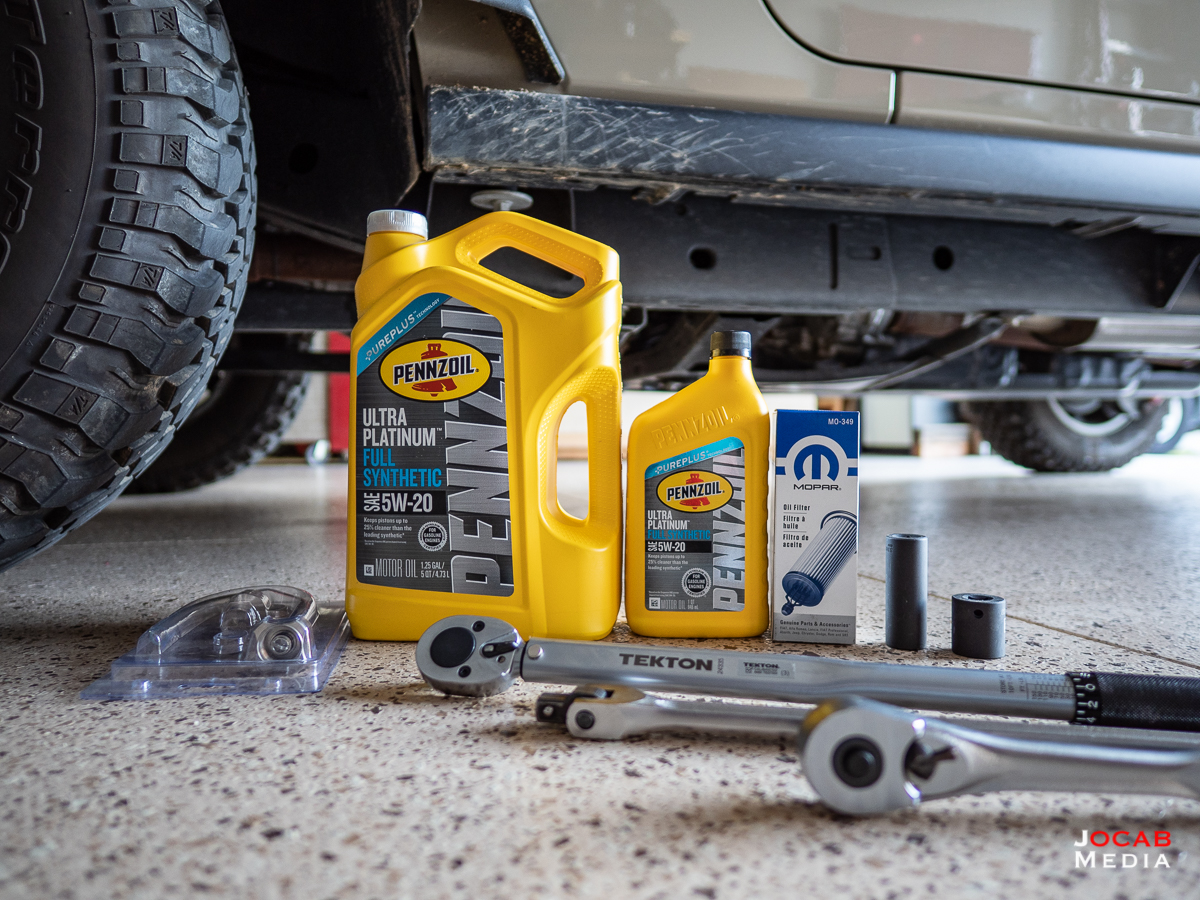
Changing the oil in your Jeep Wrangler is one of the most important routine maintenance tasks you can do at home. Not only does it keep your engine running smoothly, but it can also save you money and help you understand your vehicle better. Many Jeep owners feel nervous about working on their car, but with the right steps, tools, and a bit of patience, the process is straightforward—even if you’re a beginner. This guide breaks down everything you need to know, from choosing the correct oil to avoiding common mistakes that can cause problems down the road.
Why Oil Changes Matter For Jeep Wranglers
Engine oil lubricates, cleans, and cools your Jeep’s engine. The Wrangler is built for adventure whether you’re off-roading or commuting but all that activity puts stress on the engine.
Over time, oil gets dirty and loses its effectiveness. If you skip oil changes, you risk poor performance, reduced fuel efficiency, and expensive engine damage.
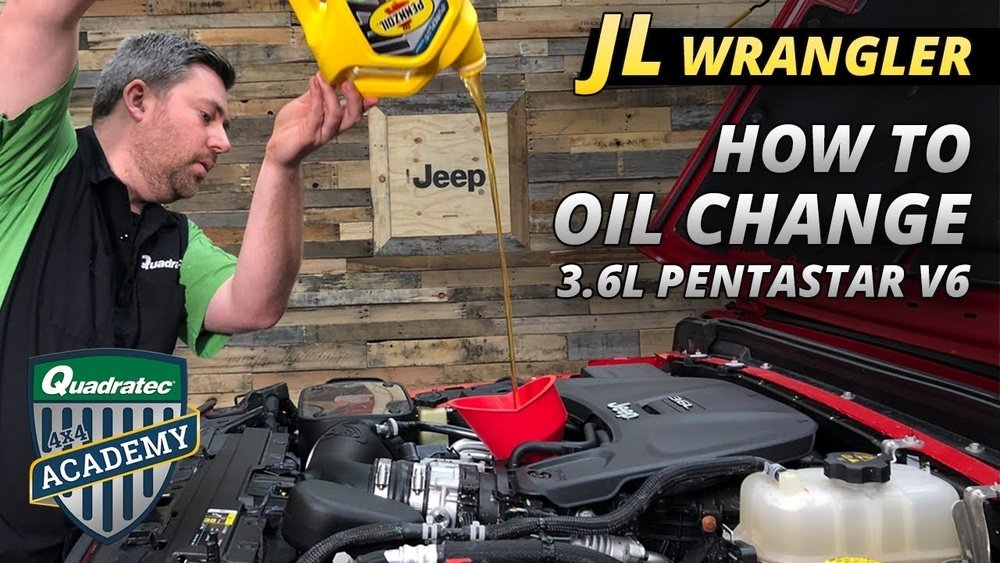
A well-maintained Jeep can easily reach 200,000 miles or more. Regular oil changes are the foundation of a healthy engine, no matter if you drive a classic YJ, a popular JK, or the latest JL model.
Tools And Materials You’ll Need
Before you start, gather all necessary tools and supplies. Having everything ready makes the process smoother and faster.
| Tool/Supply | Purpose | Tip |
|---|---|---|
| Oil Filter Wrench | Removes oil filter | Choose one that fits your filter size |
| Socket Set (with ratchet) | Removes drain plug | Usually 13mm or 15mm socket for most Wranglers |
| Oil Catch Pan | Catches old oil | Minimum 6-quart capacity |
| Funnel | Pours new oil cleanly | Prevents spills |
| Shop Towels/Gloves | Keeps hands clean | Gloves protect against hot oil |
| New Engine Oil | Lubricates engine | Check your owner’s manual for correct type |
| New Oil Filter | Filters engine oil | Use OEM or high-quality aftermarket filter |
Pro tip: Place cardboard or an old rug under your Jeep to catch any accidental spills.
Choosing The Right Oil And Filter
Wranglers are tough, but not all oil is the same. Using the correct oil type and filter ensures your engine gets the protection it needs.
Understanding Oil Grades
Most modern Jeep Wranglers (2012 and newer) use 5W-20 or 0W-20 synthetic oil. Older models may need 10W-30 or even 10W-40. Always check the owner’s manual or the oil cap under your hood.
Synthetic Vs. Conventional Oil
- Synthetic oil: Offers better protection, especially in extreme temperatures, and lasts longer. Recommended for most Wranglers.
- Conventional oil: Cheaper, but breaks down faster and is less effective in harsh conditions.
Oil Filter Quality
A high-quality filter traps tiny particles that can damage your engine. Stick with trusted brands like Mopar (OEM), WIX, or K&N. Some cheap filters can let debris through or even collapse, causing oil starvation.
How Often Should You Change Wrangler Oil?
Jeep recommends changing the oil every 5,000 to 7,500 miles for most modern Wranglers under normal driving. For older models, or if you often drive in dusty, hot, or off-road conditions, change it every 3,000 to 5,000 miles.
Here’s a quick reference:
| Wrangler Model | Recommended Oil Change Interval |
|---|---|
| JL (2018+) | 7,500 miles |
| JK (2007-2018) | 5,000-6,000 miles |
| TJ (1997-2006) | 3,000-5,000 miles |
| YJ (1987-1995) | 3,000 miles |
Remember, if you tow, off-road, or drive in extreme temperatures, change your oil more often.
Step-by-step Guide: Changing Your Jeep Wrangler’s Oil
Follow these steps for a successful oil change. The process is similar for most Wranglers, but always check your manual for details.
1. Prepare Your Jeep
- Park on a level surface.
- Turn off the engine and let it cool for 10–15 minutes (warm oil drains better, but shouldn’t be hot).
- Engage the parking brake for safety.
2. Lift The Vehicle (optional)
Most Wranglers have good ground clearance, so you may not need to jack up the Jeep. For extra space, use ramps or jack stands never rely on a hydraulic jack alone.
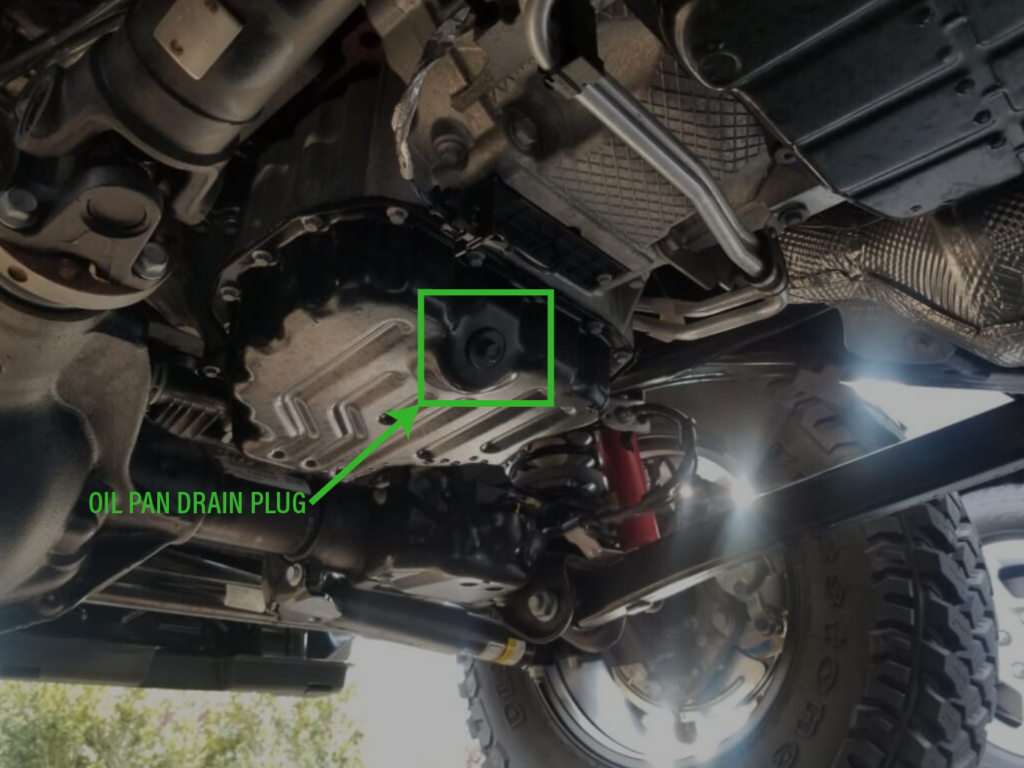
3. Locate The Oil Drain Plug
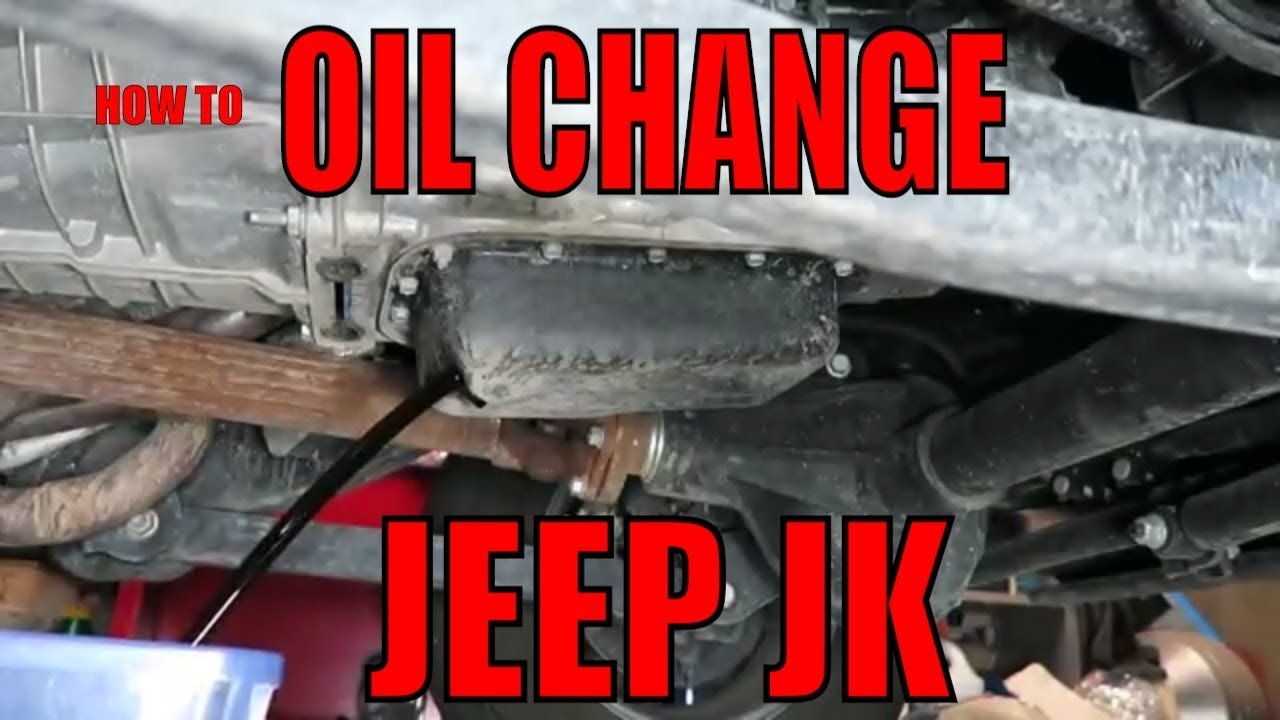
Slide under the Jeep and find the oil pan. The drain plug is a single bolt at the lowest part. Place your oil catch pan directly underneath.
4. Remove The Drain Plug
- Use the correct socket to loosen and remove the plug.
- Let oil drain completely (usually 5–10 minutes).
- Check the drain plug washer. Replace if it’s cracked or damaged.
5. Remove And Replace The Oil Filter
- Move the oil pan under the filter location.
- Use the oil filter wrench to loosen the filter. Spin it off by hand.
- Some oil will spill—this is normal.
- Wipe the filter mounting surface with a clean towel.
- Lubricate the new filter’s rubber gasket with a bit of new oil.
- Install the new filter hand-tight. Do not over-tighten.
6. Reinstall The Drain Plug
- Wipe the area clean.
- Install the drain plug with a new washer if needed.
- Tighten firmly, but do not overtighten (usually about 20–25 ft-lbs).
7. Add New Oil
- Remove the oil filler cap on top of the engine.
- Insert a funnel and pour in the recommended amount of oil (usually 5–6 quarts for most Wranglers).
- Replace the cap.
8. Check Oil Level
- Start the engine and let it run for 30 seconds. Check for leaks under the Jeep.
- Turn off the engine and wait 2 minutes.
- Pull the dipstick, wipe it, reinsert, and check oil level. Add more oil if needed.
9. Dispose Of Old Oil Responsibly
Never pour oil down the drain or onto the ground. Most auto parts stores accept used oil for recycling.
Common mistake: Forgetting to check for leaks after finishing. Always double-check the filter and drain plug.
What Beginners Often Miss
Many first-time DIYers think any oil will work or that “hand-tight” means as tight as possible. In reality, using the wrong oil type can cause engine problems, and over-tightening the filter or drain plug can strip threads or crush gaskets, leading to leaks.
Another often-overlooked detail is replacing the drain plug washer. A hard or cracked washer can drip even if the plug feels tight. Always inspect and replace it if unsure.
Benefits Of Changing Your Own Oil
Doing your own oil change saves money dealers can charge $70 $120 per service, while DIY can cost $25 $50. But it’s not just about savings.
- You learn about your Jeep’s condition. Spotting leaks, worn belts, or other issues early can prevent bigger problems.
- You control the quality. You pick the best oil and filter, not just what’s cheapest for a shop.
- It’s rewarding. Many owners find satisfaction in caring for their Wrangler themselves.
When To Avoid Diy Oil Changes
Some situations call for a professional:
- If you don’t have a safe, level place to work.
- If your oil pan bolt is stripped or stuck.
- For newer Wranglers under warranty, some dealers require records of oil changes for warranty claims. Keep receipts and log your work.
Troubleshooting: What If Something Goes Wrong?
If you spot a leak after the oil change, don’t panic. Check that the filter and drain plug are snug and the washer is in place.
If the oil light stays on, turn off the engine and check the oil level immediately.
If you accidentally spill oil on the engine or driveway, clean it up with degreaser and shop towels. Oil left on hot engine parts can create smoke and odors.
Unusual noise or engine knocking after an oil change usually means low oil or the wrong oil type. Double-check your work before driving further.
Keeping A Maintenance Log
Recording every oil change helps you track your Jeep’s health and keeps your warranty safe. Write down the date, mileage, oil type, and filter brand.
A simple notebook or a note on your phone is enough.
Jeep Wrangler Oil Change: Quick Reference Table
For fast decision-making, here’s a summary:
| Wrangler Year | Engine | Oil Type | Oil Capacity | Filter Type |
|---|---|---|---|---|
| 2018-2024 JL | 3.6L V6 | 0W-20 Synthetic | 5 quarts | Mopar MO-349 |
| 2007-2018 JK | 3.6L V6 | 5W-20 Synthetic | 6 quarts | Mopar MO-744 |
| 1997-2006 TJ | 4.0L I6 | 10W-30 | 6 quarts | Mopar MO-090 |
| 1987-1995 YJ | 4.2L I6 | 10W-30 | 5 quarts | Mopar MO-090 |
If you’re not sure about your engine, check under the hood or consult your manual.
Final Checks And Clean-up
Once you’re done, do a last inspection:
- Check for leaks under the Jeep and around the oil filter.
- Make sure the oil level is correct after the engine cools.
- Reset your oil change reminder if your Jeep has one (check your manual for instructions).
Dispose of old oil and filter at a recycling center. Never throw them in the trash.
Additional Resources
For more details or model-specific procedures, refer to the official Jeep Maintenance Schedule. This resource offers up-to-date guides for all Jeep models.
Frequently Asked Questions
How Often Should I Change My Jeep Wrangler’s Oil If I Off-road Frequently?
If you drive off-road, in dusty areas, or tow heavy loads, change your oil every 3,000 to 5,000 miles. Tough conditions make oil break down faster.
Can I Use Synthetic Oil In Older Wrangler Models?
Yes, synthetic oil is safe for older Jeeps. It provides better protection and may improve performance. Just match the viscosity (like 10W-30) to your manual’s recommendation.
What Happens If I Overfill The Oil?
Too much oil can foam, reducing lubrication and causing engine damage. If you overfill, drain the excess until the dipstick reads “full. ”
Do I Need To Replace The Oil Filter Every Oil Change?
Always change the oil filter with every oil change. Old filters can clog and send dirty oil back into your engine.
Is It Safe To Drive If My Oil Change Reminder Is On?
It’s best to change your oil as soon as possible. Driving with old oil risks engine wear, lower fuel economy, and possible breakdowns.
Changing your Jeep Wrangler’s oil yourself is rewarding and keeps your vehicle ready for adventure. With these steps and tips, you can confidently maintain your Jeep and enjoy many miles on and off the road.