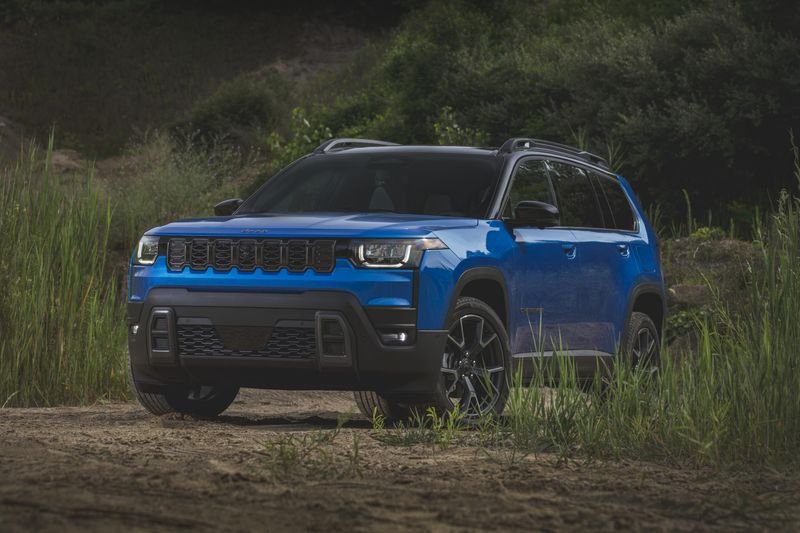
Changing the cabin air filter in your Jeep Wrangler—whether it’s a JK, JL, or JT model—is a simple job that can make a big difference in air quality inside your vehicle.
Many people don’t realize how much dust, pollen, and debris can build up in the filter.
If you drive often on trails or dusty roads, it’s even more important to keep this filter fresh. In this guide, you’ll learn step-by-step how to change your Jeep Wrangler’s cabin air filter, see clear comparisons between filter types, and find out common mistakes to avoid.
Why Cabin Air Filters Matter
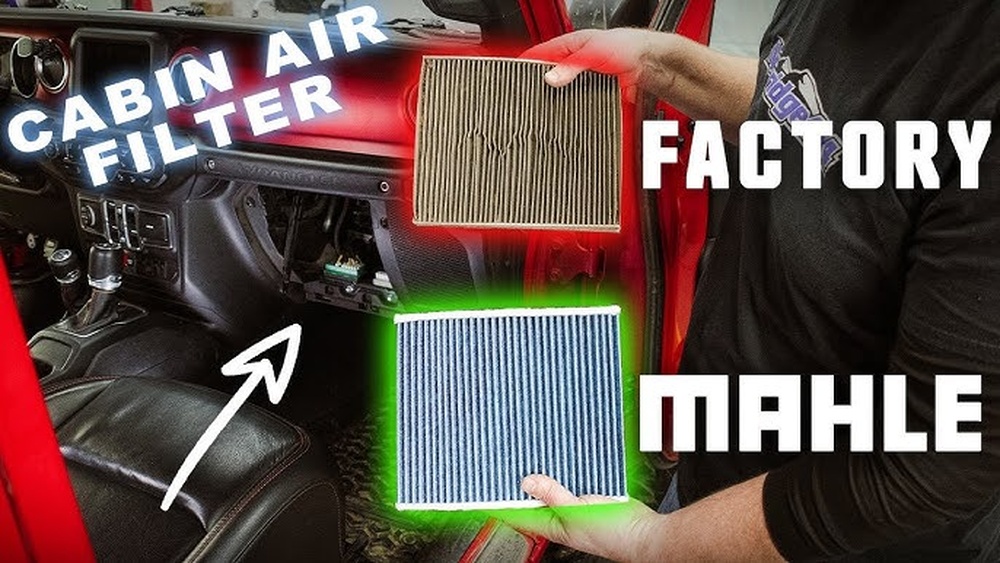
A cabin air filter traps dust, pollen, and small particles before they enter your Jeep’s interior. This is especially important for people with allergies or anyone who spends a lot of time driving in urban or off-road environments. Dirty filters can block airflow, cause bad smells, and even strain your air conditioning system.
Studies show that replacing cabin air filters can reduce airborne contaminants by up to 90%. Most Jeep owners forget this easy maintenance job, often waiting more than 30,000 miles before changing it. The ideal interval is every 15,000–20,000 miles or once a year, whichever comes first.
Tools And Materials Needed
Before you start, make sure you have these:
- Replacement cabin air filter (check for JK, JL, or JT compatibility)
- Screwdriver (usually Phillips head)
- Gloves (optional for cleanliness)
- Vacuum cleaner (optional for cleaning filter area)
Some newer JL and JT models don’t need tools at all, but JK Wranglers may require a screwdriver.
Finding The Cabin Air Filter Location
The filter is usually behind the glove box. Here’s a quick comparison for all three Jeep models:
| Model | Filter Location | Tools Needed |
|---|---|---|
| JK (2007–2018) | Behind glove box | Phillips screwdriver |
| JL (2018–present) | Behind glove box | None |
| JT (2020–present) | Behind glove box | None |
Step-by-step Guide To Changing The Filter
1. Open The Glove Box
Empty the glove box, then gently squeeze both sides to release the stops so the box can drop down.
2. Access The Filter Cover
Behind the glove box, you’ll see a rectangular cover. On JK models, you might need a screwdriver to remove a few screws.
JL and JT models often have a simple clip.
3. Remove The Old Filter
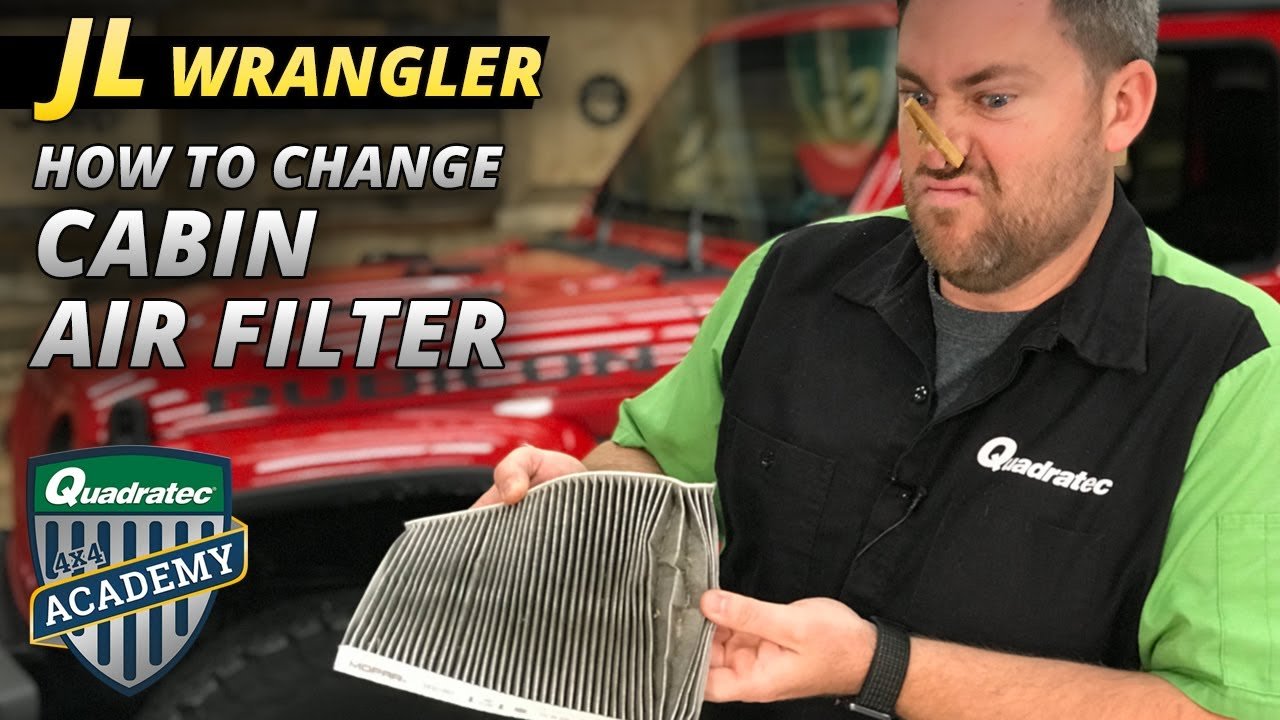
Slide the old filter out. It may be dirty or clogged notice the difference in color and smell.
4. Clean The Filter Housing
Use a vacuum or a soft cloth to clean out any dust or leaves in the filter area. This helps keep the new filter working longer.
5. Install The New Filter
Make sure the new filter is facing the correct direction. There’s usually an arrow showing airflow. Slide it into place.
6. Close Everything Up
Replace the cover, then push the glove box back into position. Make sure it clicks securely.
Example: Changing Filter In A 2020 Jeep Wrangler Jl
- Open glove box and lower it
- Unclip filter cover (no tools needed)
- Remove old filter and clean housing
- Insert new filter with airflow arrow pointing down
- Replace cover and glove box
Choosing The Right Cabin Air Filter
Not all filters are equal. Some are basic paper, others are activated carbon or HEPA filters. Here’s a quick comparison:
| Filter Type | Benefits | Typical Price |
|---|---|---|
| Standard Paper | Traps dust, pollen | $10–$20 |
| Activated Carbon | Reduces odors, traps gases | $20–$35 |
| HEPA | Traps tiny particles, allergens | $30–$50 |
For most Jeep owners, activated carbon filters are a smart upgrade. They help reduce smells from outdoor adventures and city pollution. If you or passengers have allergies, HEPA filters are worth considering.
Common Mistakes Jeep Owners Make
- Wrong filter direction: Always check the airflow arrow. Installing backward can reduce effectiveness.
- Skipping cleaning: Dirt left in the filter housing can shorten the life of your new filter.
- Buying the wrong size: JK, JL, and JT filters are not always interchangeable. Double-check your model and year.
- Waiting too long: Filters older than 20,000 miles often look clean but are clogged inside. Don’t rely on appearance alone.
Many beginners don’t realize that cheap filters can break down faster, leading to debris inside the air system. It’s better to spend a bit more for quality.
Extra Tips For Jeep Owners
- If you often drive in dusty areas, change the filter every 10,000 miles.
- Keep a spare filter in your glove box for emergencies.
- If you notice bad smells or weak airflow, check the filter even if it’s not time yet.
- Use the Jeep’s VIN to confirm the exact filter type when ordering online.
For more detailed maintenance tips, visit the official Jeep website.
Cost And Time Estimates
Changing a cabin air filter is one of the cheapest maintenance jobs for your Jeep Wrangler. Most filters cost between $10–$50. You don’t need to pay a mechanic unless you prefer professional service.
| DIY Time | Mechanic Cost | Filter Price |
|---|---|---|
| 10–15 minutes | $30–$75 (labor) | $10–$50 |
Most Jeep owners can finish the job in less than 15 minutes. It’s a quick win for fresher air and better comfort.
Frequently Asked Questions
How Often Should I Change The Cabin Air Filter?
Change your filter every 15,000–20,000 miles or once a year. If you drive off-road or in dusty conditions, change it every 10,000 miles.
Can I Use Any Cabin Air Filter For My Jeep Wrangler?
No. Filters are model-specific.
Always check your Jeep’s year and model (JK, JL, or JT) before buying.
What Happens If I Don’t Change The Filter?
A dirty filter can reduce air flow, cause bad smells, and make your air conditioning work harder. It can also lead to more allergens inside your Jeep.
Is It Safe To Use Aftermarket Filters?
Yes, aftermarket filters are safe if they fit correctly and meet quality standards. Check reviews and choose trusted brands.
Can I Clean And Reuse A Cabin Air Filter?
Most filters are disposable. Some high-end filters can be cleaned, but standard paper and carbon filters should be replaced.
Changing your Jeep Wrangler cabin air filter is fast, easy, and helps keep your interior fresh. With the right filter and a few simple steps, you’ll breathe cleaner air and enjoy a more comfortable drive every time.