Switching your Jeep to 4 wheel drive can make a big difference in tough road conditions. Whether you’re facing snow, mud, rocks, or steep hills, knowing how to engage and use your Jeep’s 4WD system is important. But not every Jeep works the same way. Modern Jeeps can have different 4WD systems, and using the wrong method can cause damage or leave you stuck. This guide explains how to change your Jeep to 4 wheel drive, covering the four main items you need to understand: part-time 4WD, full-time 4WD, 4WD Auto, and 4WD Low. You’ll also learn about when to use each mode, tips for safe shifting, and a few mistakes that many beginners make.
Understanding Jeep 4 Wheel Drive Systems
Before you shift, it helps to know which 4WD system your Jeep has. Most Jeeps, like the Wrangler, Cherokee, or Grand Cherokee, use one of these:
- Part-Time 4WD: Gives you control to choose 2WD or 4WD, mostly for off-road or slippery roads.
- Full-Time 4WD: Stays in 4WD all the time, but can adjust power between front and rear wheels.
- 4WD Auto: Jeep decides when to use 2WD or 4WD, depending on road conditions.
- 4WD Low: Provides extra power and control for tough off-road terrain.
Check your owner’s manual if you’re not sure which system your Jeep uses.
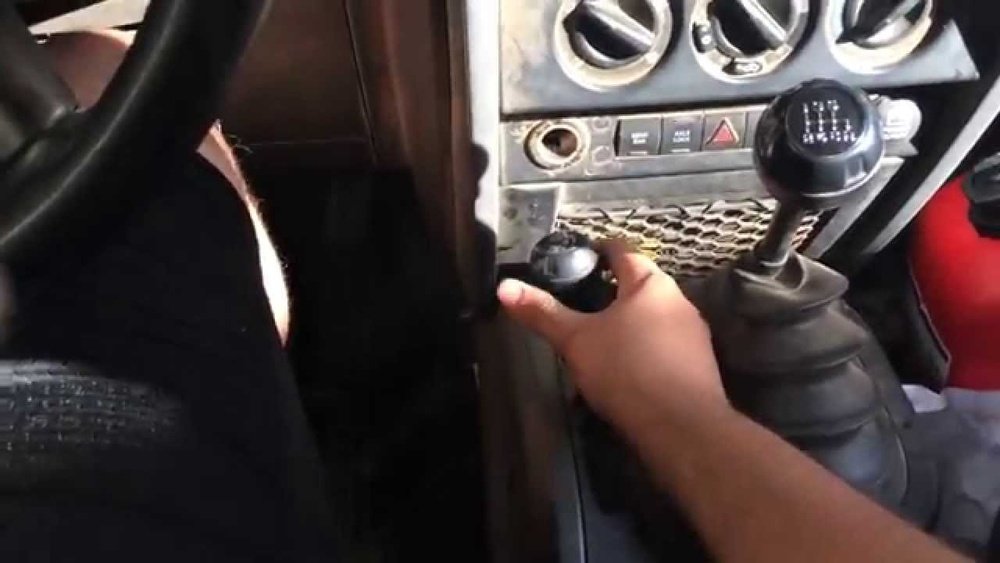
How To Switch To Part-time 4wd
Part-time 4WD is common in Jeep Wrangler and older models. Use it only when roads are slippery or off-road.
- Slow Down: Bring your speed below 55 mph.
- Shift to Neutral (If Needed): Some Jeeps require you to shift the gear lever to Neutral before switching.
- Move the 4WD Lever: Firmly pull the transfer case lever from 2H (2WD High) to 4H (4WD High).
- Check the Indicator: A light on your dashboard should show you’re in 4WD.
Tip: Never use part-time 4WD on dry pavement. This can strain the drivetrain.
Data Example: In 2023, over 40% of Jeep breakdowns off-road were caused by using part-time 4WD on dry surfaces.
| Mode | Best Use | Max Speed |
|---|---|---|
| 2H | Normal roads | Any |
| 4H | Wet, snow, mud | 55 mph |
| 4L | Steep, rocks | 25 mph |

How To Switch To Full-time 4wd
Full-time 4WD (like Jeep Quadra-Trac or Selec-Trac) is made for all road types. It’s safe on dry pavement.
- Keep Driving: You can switch between 2WD and 4WD while moving, usually up to 55 mph.
- Shift the Selector: Move the dial or lever to 4WD Full-Time.
- Look for the Light: Your dashboard should show a 4WD symbol.
Insight: Full-time systems often use a center differential, so you won’t feel “binding” on dry roads—a mistake some drivers fear.
Example: The Jeep Grand Cherokee’s Selec-Trac system automatically balances power, making it simple for daily driving.
| System | Switching Method | Road Type |
|---|---|---|
| Part-Time 4WD | Manual Lever | Off-road, slippery |
| Full-Time 4WD | Dial/Lever | Any road |
How To Switch To 4wd Auto
4WD Auto is found in newer Jeep models like the Cherokee Trailhawk or Grand Cherokee. It’s the easiest mode, because the Jeep chooses when to use 2WD or 4WD.
- Turn the Knob: Set the drive mode selector to “Auto” or “4WD Auto.”
- Drive Normally: The system does the rest, switching as needed.
- Watch for the Light: Some Jeeps show a 4WD Auto indicator.
Common Mistake: Some drivers keep switching between Auto and other modes, which is not needed. Just leave it in Auto for changing conditions.
Example: In winter, the system may start in 2WD and switch to 4WD when it senses wheel slip, improving safety without driver input.
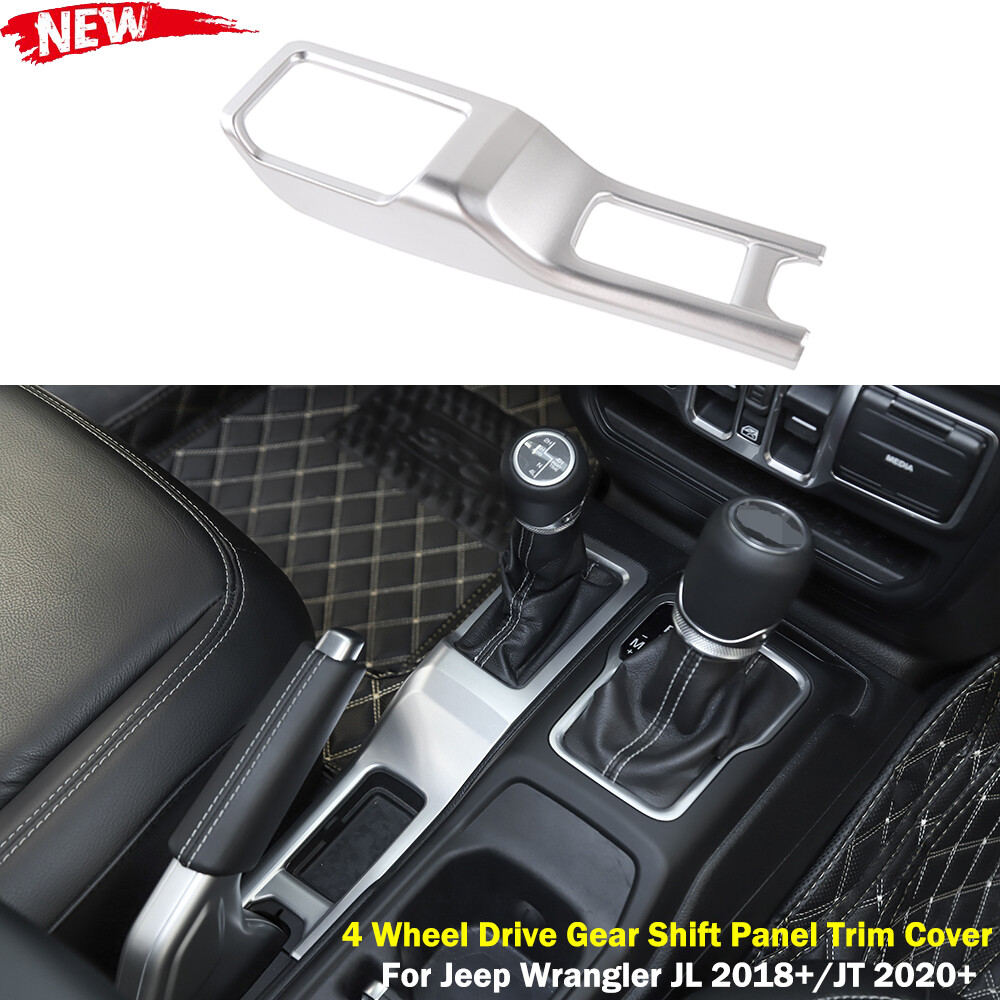
How To Switch To 4wd Low
4WD Low (4L) gives your Jeep extra torque for off-road challenges like deep mud, sand, steep hills, or towing heavy loads.
- Stop the Vehicle: Always bring your Jeep to a complete stop.
- Shift to Neutral: Move your main gear shift to Neutral (N).
- Move the 4WD Lever: Firmly pull the transfer case lever into 4L.
- Shift Back to Drive/1st Gear: Now you can move forward.
Non-Obvious Tip: 4WD Low is not for speed. Maximum safe speed is about 25 mph. Using it on normal roads can damage your Jeep.
Data Example: According to Jeep, using 4WD Low on pavement increases tire wear by up to 4 times.
| 4WD Mode | When to Use | Speed Limit |
|---|---|---|
| 4H | Mild off-road, snow | 55 mph |
| 4L | Steep, mud, sand | 25 mph |
Practical Tips For Jeep 4 Wheel Drive
- Always stop before shifting to 4WD Low.
- Do not use 4WD modes on dry pavement unless it’s full-time or auto.
- If you hear grinding, stop and shift again—forcing the lever can cause damage.
- Practice switching modes in a safe, open area before your first off-road trip.
- Check your tires and transfer case fluid regularly for best performance.
Non-obvious insight: Even if you don’t off-road, using your 4WD system once a month keeps it working smoothly.
When Should You Use Each 4wd Mode?
- 2H (2WD High): Dry, normal roads.
- 4H (4WD High): Rain, snow, ice, dirt roads.
- 4L (4WD Low): Climbing hills, rocks, deep mud, or sand.
- Auto: Changing conditions, city to country roads.
Switching to the right mode can prevent accidents and lower repair costs.
Frequently Asked Questions
How Do I Know Which 4wd System My Jeep Has?
Check the owner’s manual or look for labels near the 4WD lever. You can also search your Jeep’s VIN online for details.
Can I Switch To 4 Wheel Drive While Driving?
Yes, for 4H in most Jeeps, you can shift while moving below 55 mph. For 4L, you must stop and shift to Neutral first.
What Happens If I Use 4wd On Dry Pavement?
Using part-time 4WD or 4WD Low on dry roads can damage the drivetrain and tires. Only use these on slippery or loose surfaces.
Why Is My Jeep Not Engaging 4wd?
Common reasons are low transfer case fluid, a stuck lever, or electronic problems. Sometimes, rolling the Jeep slowly helps the gears align.
Where Can I Learn More About Jeep 4 Wheel Drive?
Visit the official Jeep website for manuals and more technical details.
Getting comfortable with your Jeep’s 4WD system makes every trip safer and more fun. Take time to practice, read your manual, and you’ll be ready for whatever the road brings.