Changing your Jeep’s brake pads is one of those jobs that’s totally doable for most owners if you have the right tools and know what to watch out for.
Replacing worn pads not only keeps you safe but can also save you hundreds of dollars in mechanic fees.
If you’re new to DIY car care, don’t worry. This guide explains every step in simple English, with tips that will help you avoid common mistakes.
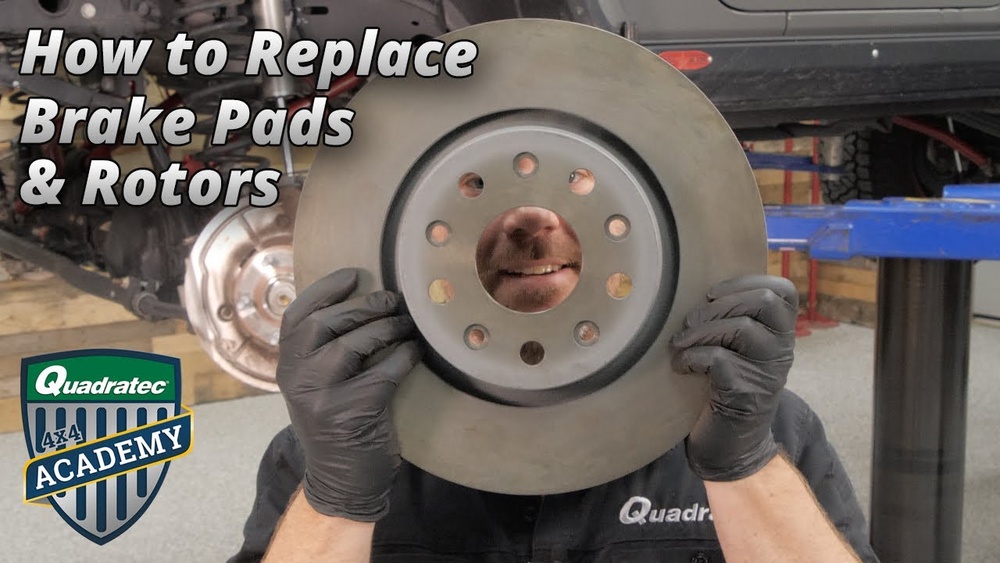
Why Changing Brake Pads Matters
Brake pads wear down every 30,000 70,000 miles, depending on how and where you drive. Worn pads reduce stopping power and can damage your Jeep’s rotors, leading to expensive repairs.
If you hear squealing, grinding, or feel vibrations when braking, it’s probably time for new pads.
Tools And Parts You’ll Need
Before you start, gather these items:
- New brake pads (make sure they fit your Jeep model)
- Socket set and ratchet
- Lug wrench
- C-clamp or brake caliper tool
- Jack and jack stands
- Flat-head screwdriver
- Brake cleaner spray
- Torque wrench
- Gloves and eye protection
Tip: Always replace brake pads in pairs (both front or both rear) for balanced braking.
Step-by-step Guide To Changing Jeep Brake Pads
1. Park And Prepare
- Park your Jeep on a level surface.
- Engage the parking brake.
- Loosen the lug nuts on the wheels you’ll be working on, but don’t remove them yet.
2. Lift The Vehicle
- Place the jack under the correct lift point and raise your Jeep.
- Secure with jack stands before removing the wheels for safety.
3. Remove The Wheel
- Finish unscrewing the lug nuts.
- Pull the wheel off to expose the brake assembly.
4. Access The Brake Pads
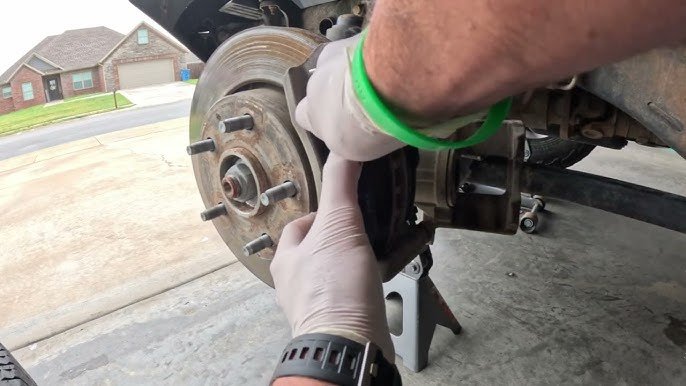
- Locate the brake caliper (the part holding the pads).
- Use a socket or wrench to remove the caliper bolts.
- Carefully slide the caliper off the rotor. Don’t let it hang by the brake line—rest it on a box or hang it with a wire.
5. Remove Old Brake Pads
- The pads will slide or clip out. Use a flat-head screwdriver if they’re stuck.
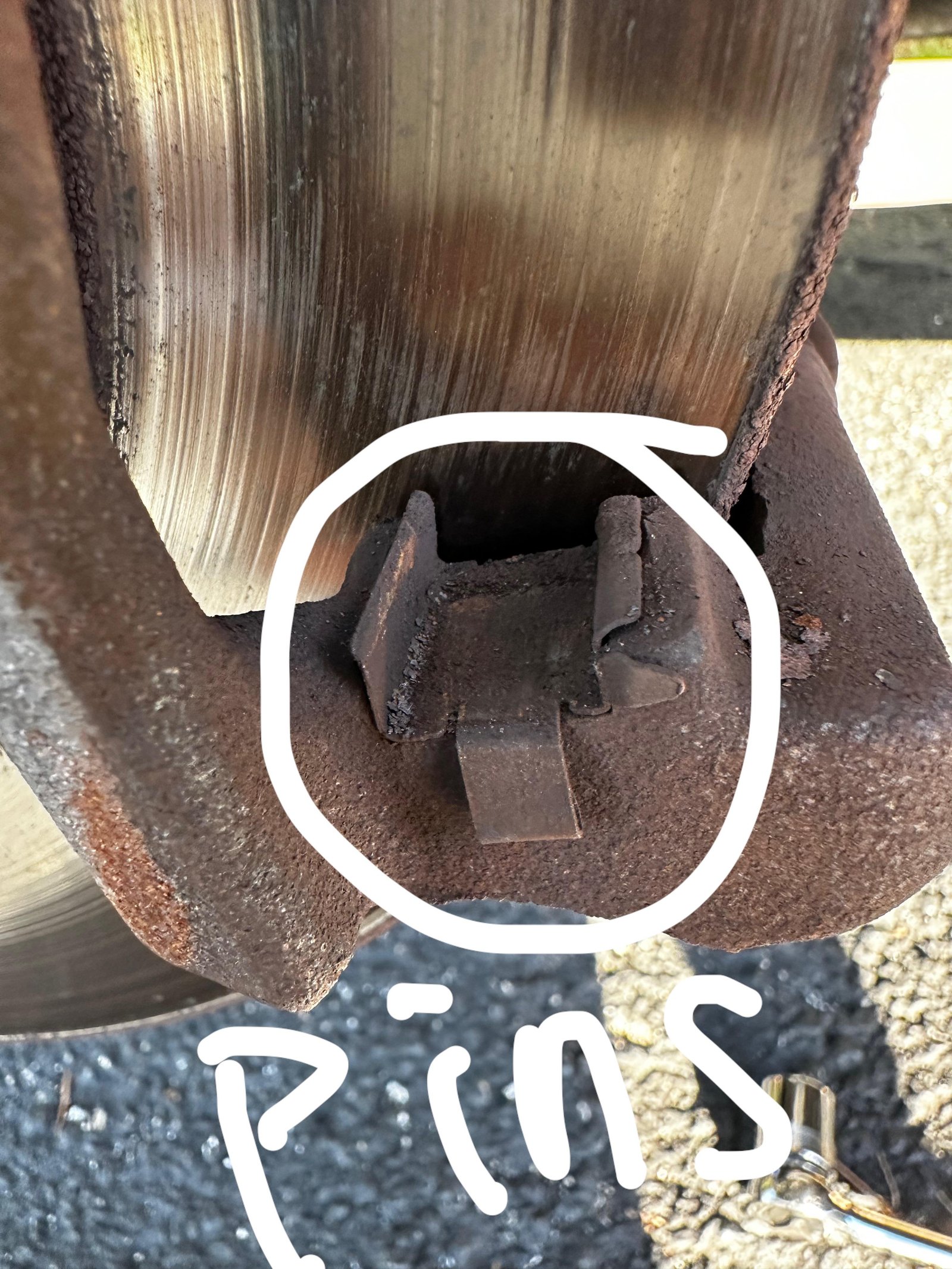
- Note how the old pads fit; you’ll install the new ones the same way.
6. Retract The Caliper Piston
- Use a C-clamp or caliper tool to slowly push the piston back into the caliper. This step is crucial. If you skip it, the new pads won’t fit.
Non-obvious insight: Open the brake fluid reservoir cap before pushing the piston back to release pressure. Watch for any fluid overflow.
7. Install New Pads
- Compare new pads to the old ones—they should match in size and shape.
- Slide the new pads into place. Some come with anti-squeal shims or grease; use them if provided.
8. Reassemble And Secure
- Put the caliper back over the rotor and secure with bolts.
- Use a torque wrench to tighten bolts to your Jeep’s specified setting. Overtightening can damage parts; undertightening is unsafe.
9. Reinstall The Wheel
- Mount the wheel and hand-tighten lug nuts.
- Lower the Jeep off the jack stands, then tighten the lug nuts fully in a star pattern.
10. Test Before Driving
- Pump the brake pedal a few times. This seats the pads against the rotors.
- Check brake fluid level and top off if needed.
Practical tip: Don’t drive fast immediately. Brake gently for the first 200 miles to allow the pads to “bed in.”
Comparing Front And Rear Brake Pads
Most Jeep owners notice that front pads wear out faster than the rear. Here’s a quick comparison:
| Feature | Front Brake Pads | Rear Brake Pads |
|---|---|---|
| Main Function | Majority of stopping power | Stabilize and balance braking |
| Wear Rate | Faster | Slower |
| Replacement Cost | Usually higher | Usually lower |
Common Mistakes To Avoid
- Skipping brake grease — This leads to squealing noises.
- Letting the caliper hang — This can damage the brake line.
- Not tightening bolts to spec — Always use a torque wrench.
- Forgetting to pump the brakes — The pedal may go to the floor on your first stop if you forget.
- Mixing old and new pads — Always replace both sides for even performance.
Signs You Need New Brake Pads
Not sure when to change your pads? Look for:
| Sign | What it Means |
|---|---|
| Squealing noise | Wear indicator is touching the rotor |
| Grinding sound | Pad material is gone, metal is touching metal |
| Longer stopping distance | Pads are too thin to grip properly |
| Dashboard warning light | Modern Jeeps may warn you automatically |
How Often Should You Change Jeep Brake Pads?
On average, brake pads last about 40,000 miles, but this can change based on:
- Driving habits (lots of city stops = faster wear)
- Jeep model and year
- Type of pads (ceramic lasts longer than organic)
Consult your owner’s manual for your Jeep’s exact interval, or check with a mechanic if you’re unsure. For more details, see this Wikipedia overview of brake pads.
Frequently Asked Questions
How Long Does It Take To Change Jeep Brake Pads?
Usually, it takes 1 2 hours for a beginner. If you’re new, plan for extra time to double-check your work.
Do I Need To Replace The Rotors Every Time?
No, but check them for deep grooves or warping. If they’re damaged, it’s best to replace or resurface them.
Can I Drive With Worn Brake Pads?
It’s risky. Worn pads can cause longer stops or brake failure.
Replace them as soon as you notice any warning signs.
What Type Of Brake Pads Are Best For A Jeep?
Ceramic pads are quiet and last long, but semi-metallic pads offer better performance for off-road or heavy towing.
Why Do My Brakes Squeal After Changing Pads?
Squealing usually means you skipped brake grease or the pads are not seated right. Check installation and apply anti-squeal lubricant if needed.
Changing your Jeep’s brake pads is a valuable skill. With patience and careful work, you’ll improve your Jeep’s safety and save money.
Always double-check each step and don’t hesitate to consult a mechanic if something feels wrong. This simple maintenance can keep your Jeep on the road for many more adventures.