If your Jeep Liberty starts to lose power or runs rough, the fuel filter could be the culprit. A clogged fuel filter restricts the flow of gasoline, making your engine work harder and reducing performance. Changing the fuel filter is a simple DIY task that can save you money and keep your vehicle running smoothly. Whether you’re new to car maintenance or have some experience, this guide will walk you through the process step-by-step.
Why The Fuel Filter Matters
The fuel filter traps dirt and debris from the gasoline before it reaches the engine. Over time, these particles build up and block the filter. A blocked filter can cause:
- Hard starting
- Poor acceleration
- Engine stalling
- Lower fuel efficiency
Jeep recommends changing the fuel filter every 30,000 miles, but check your owner’s manual for your specific model year.
Tools And Materials Needed
Before you begin, gather the following items:
- New fuel filter (compatible with your Jeep Liberty)
- Wrench set
- Flathead screwdriver
- Safety glasses
- Gloves
- Shop rags
- Jack and jack stands
- Container for old fuel
Having everything ready will make the job smoother and safer.

Locating The Fuel Filter
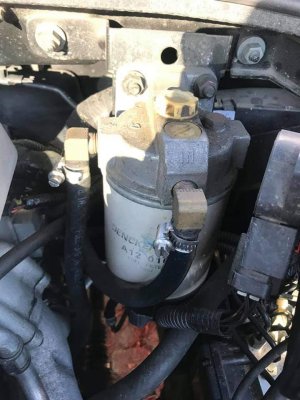
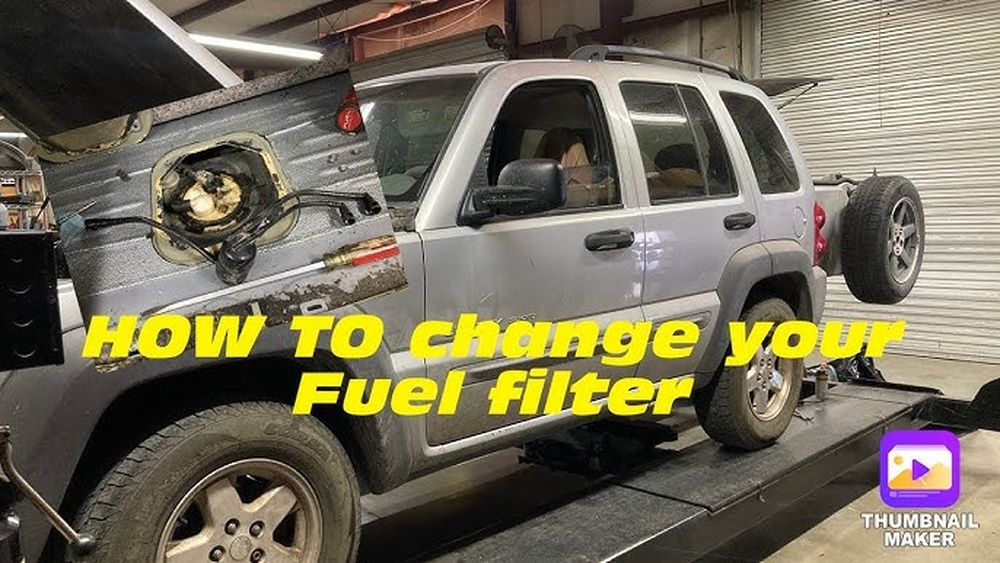
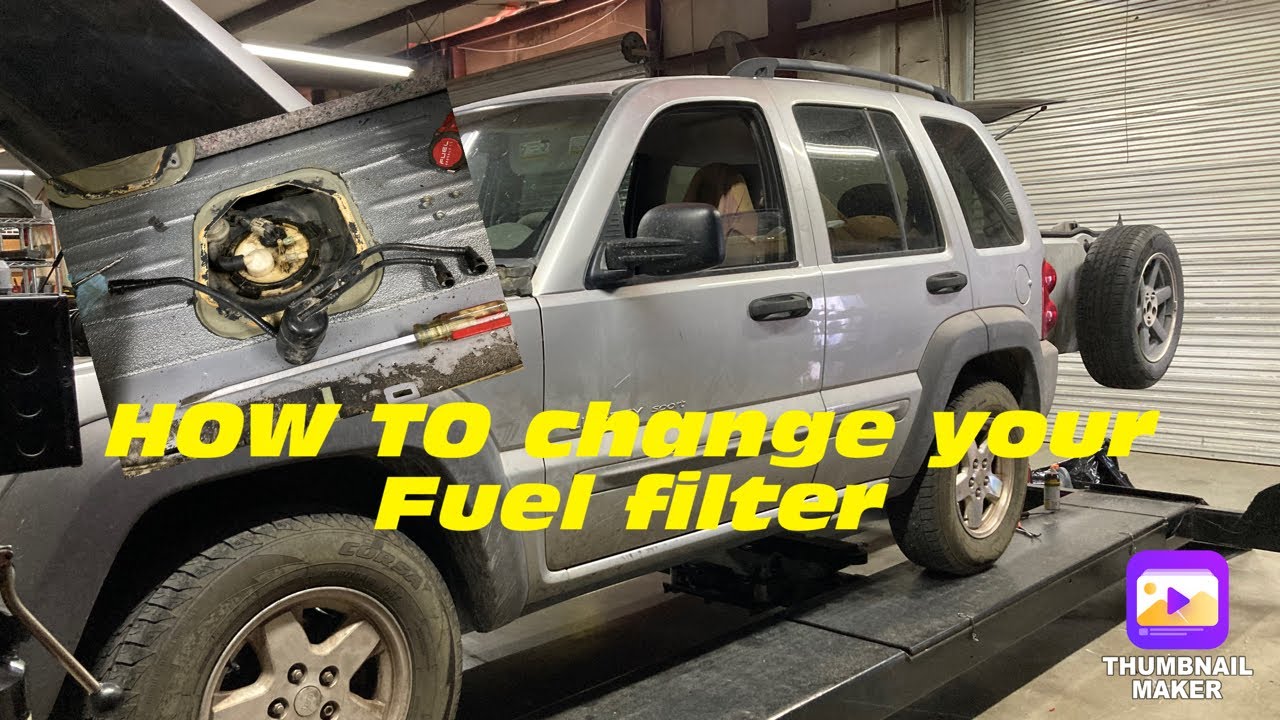
For most Jeep Liberty models (2002–2007), the fuel filter is mounted along the frame rail, underneath the vehicle near the fuel tank. Later models (2008 and above) may have the filter integrated into the fuel pump, which is inside the tank. Check your manual or look for a cylindrical metal part with fuel lines attached.
Here’s a quick comparison of fuel filter locations by year:
| Model Year | Fuel Filter Location | Changeable? |
|---|---|---|
| 2002-2007 | Frame rail (external) | Yes |
| 2008-2012 | Inside fuel tank | No (part of pump) |
Step-by-step: Changing The Fuel Filter
- Relieve Fuel Pressure
- Turn off the engine and remove the gas cap. Locate the fuel pump fuse in the fuse box and remove it. Start the engine and let it run until it stalls, relieving pressure in the fuel system.
- Raise the Vehicle
- Use a jack to lift your Jeep Liberty. Place jack stands under the frame for safety. Never work under a vehicle supported only by a jack.
- Locate and Inspect the Filter
- Find the filter along the frame rail. Check for rust, leaks, or damaged hoses.
- Remove the Old Filter
- Place a container under the filter to catch any gasoline. Use your wrench to loosen the fittings or clamps. Carefully disconnect the fuel lines. There may be clips or bolts—note their position for reassembly.
- Install the New Filter
- Position the new filter exactly as the old one. Attach the fuel lines and secure clamps or bolts tightly. Double-check that the flow arrow on the filter points toward the engine.
- Lower the Vehicle
- Remove jack stands and lower your Jeep carefully.
- Restart and Check for Leaks
- Replace the fuel pump fuse. Start the engine and let it idle. Watch for fuel leaks around the filter. If all is well, take a short drive to ensure smooth operation.
Here’s a quick comparison of symptoms before and after changing the filter:
| Symptom | Before Change | After Change |
|---|---|---|
| Acceleration | Sluggish | Responsive |
| Engine Stalling | Frequent | Rare |
| Fuel Efficiency | Poor | Improved |
Practical Tips For Success
- Work in a well-ventilated area to avoid inhaling gasoline fumes.
- Wear gloves to protect your skin from fuel and dirt.
- Don’t overtighten fittings—this can crack the filter or lines.
- Dispose of old fuel and filters properly. Local auto parts stores often accept them for recycling.
Many beginners forget to relieve fuel pressure, which can cause gasoline to spray and create a hazard. Another common mistake is installing the filter backward, so always check the direction of the flow arrow.
Cost And Time Estimates
Changing the fuel filter yourself usually takes 30–45 minutes. The filter itself costs $15–$40, depending on the brand. Having a mechanic do the job may cost $100–$150 due to labor charges.
When To Seek Professional Help
If you notice persistent leaks, damaged fuel lines, or difficulty removing the filter, it’s wise to consult a mechanic. Some Jeep Liberty models from 2008 onward require fuel tank removal, which is best left to professionals.
Frequently Asked Questions
How Often Should I Change The Fuel Filter On A Jeep Liberty?
Most experts recommend changing the fuel filter every 30,000 miles. However, if you drive in dusty conditions or use lower quality gasoline, you may need to change it more often.
Can I Change The Fuel Filter Without Special Tools?
Yes, basic wrenches and screwdrivers are all you need for most Jeep Liberty models. For newer models with integrated filters, specialized tools and skills are required.
What Are Signs Of A Bad Fuel Filter?
Common signs include slow acceleration, engine stalling, hard starting, and poor fuel economy. If these issues appear, check the filter first.
Is It Safe To Drive With A Clogged Fuel Filter?
Driving with a clogged fuel filter is risky. It can cause your engine to stall, which may be dangerous, especially in traffic or at high speeds. Replace the filter as soon as possible.
Where Can I Find More Information About Jeep Liberty Maintenance?
You can visit the official Jeep website or check resources like Wikipedia for detailed specs and maintenance tips.
Changing the fuel filter on your Jeep Liberty is a straightforward job that pays off in reliability and performance. Taking a little time to do it yourself can help prevent bigger engine problems down the road. With the right tools, careful steps, and attention to detail, you’ll keep your Jeep running strong for years to come.