Many Jeep Patriot owners don’t realize how important the cabin air filter is for a comfortable ride. This small part makes a big difference—it keeps dust, pollen, and road debris out of your car’s ventilation system. Over time, the filter gets clogged, and you might notice bad smells, weak airflow, or more allergy symptoms while driving. The good news? Changing the cabin air filter on a Jeep Patriot is simple and saves money compared to a shop visit.
This guide explains how to change the filter yourself, what tools you need, and tips for getting the job done right even if you’re not a car expert.
Why Change Your Jeep Patriot’s Cabin Air Filter?
You might wonder if changing this filter is really necessary. The answer is yes, and here’s why:
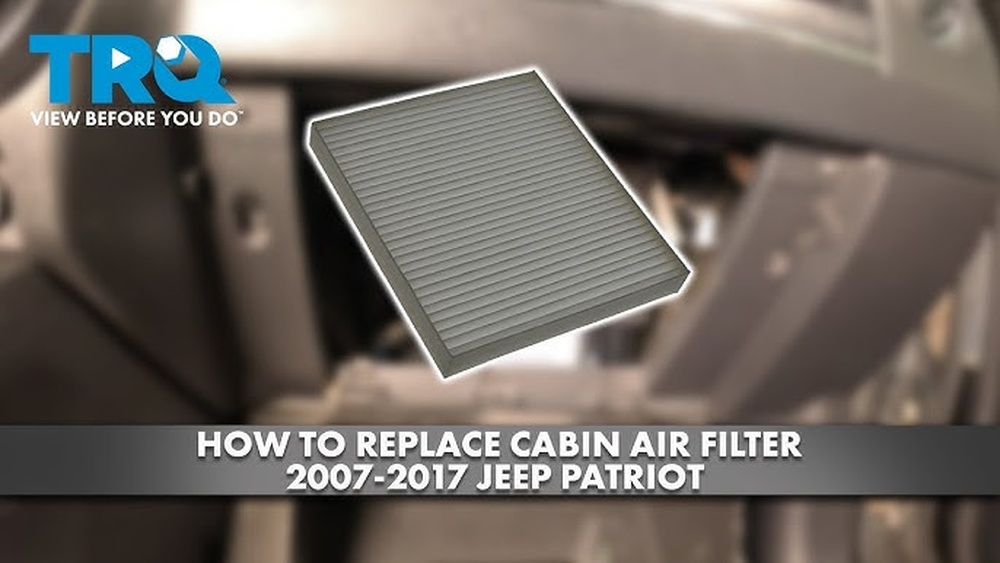
- Cleaner air: The filter traps pollen, dust, and pollution.
- Better HVAC performance: A dirty filter strains your air conditioning and heating system.
- Reduces odors: Old filters can cause musty smells inside the car.
- Health protection: Cleaner air helps people with allergies and asthma.
Most experts recommend changing the cabin air filter every 15,000 to 20,000 miles, or once a year. If you drive in dusty areas, replace it more often.
Tools And Materials Needed
Before you start, gather these items:
- New cabin air filter: Check your owner’s manual for the right size or search by your Jeep Patriot’s year and trim.
- Phillips screwdriver: Needed for glove box screws.
- Flashlight: Helpful for seeing inside tight spaces.
- Vacuum cleaner (optional): For cleaning out the filter compartment.
Where Is The Cabin Air Filter On A Jeep Patriot?
Unlike some vehicles, the Jeep Patriot’s cabin air filter is behind the glove box. It’s hidden, but you don’t need to remove the whole dashboard.
Here’s how different model years compare:
| Model Year | Cabin Air Filter Location | Access Difficulty |
|---|---|---|
| 2007-2017 | Behind glove box | Easy |
| Pre-2007 | No filter installed | N/A |
If your Jeep Patriot is from 2007 or later, it should have a filter slot.
Step-by-step: How To Change The Cabin Air Filter
Follow these steps for a smooth replacement process:
- Empty the glove box. Remove everything from the glove box to avoid spills or damage.
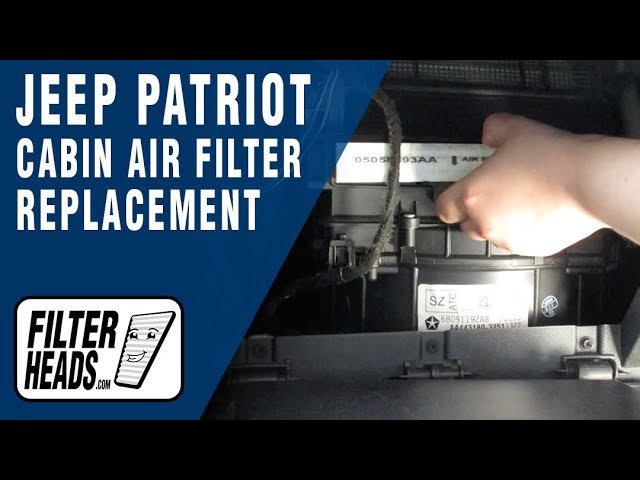
- Open the glove box fully. Find the side dampener cord (right side) and unhook it gently.
- Release the glove box stops. Squeeze the sides of the glove box inward to let it swing down freely.
- Locate the filter cover. Look behind the glove box—you’ll see a thin, rectangular cover.
- Remove the filter cover. Use a Phillips screwdriver to remove any screws. Some models just have clips.
- Slide out the old filter. Pull the filter straight out. Notice the airflow direction (usually marked by an arrow).
- Clean the compartment. Vacuum out leaves or dirt for better results.
- Insert the new filter. Make sure the arrows face the correct airflow direction.
- Replace the cover and glove box. Screw the cover back in place, reattach the dampener, and close the glove box.
Most people finish this job in about 15 minutes.
Comparing Cabin Air Filter Types
Choosing the right replacement filter matters. Here’s a quick look at common options:
| Type | Features | Best For |
|---|---|---|
| Standard paper | Basic dust and pollen removal | Normal driving |
| Activated carbon | Removes odors, better filtration | City or allergy-prone areas |
| HEPA | Removes tiny allergens, highest protection | Severe allergies or pollution |
Non-obvious tip: Activated carbon filters cost a bit more but make a real difference if you notice smells or live in the city.
Practical Tips For First-time Diyers
Many beginners overlook these details:
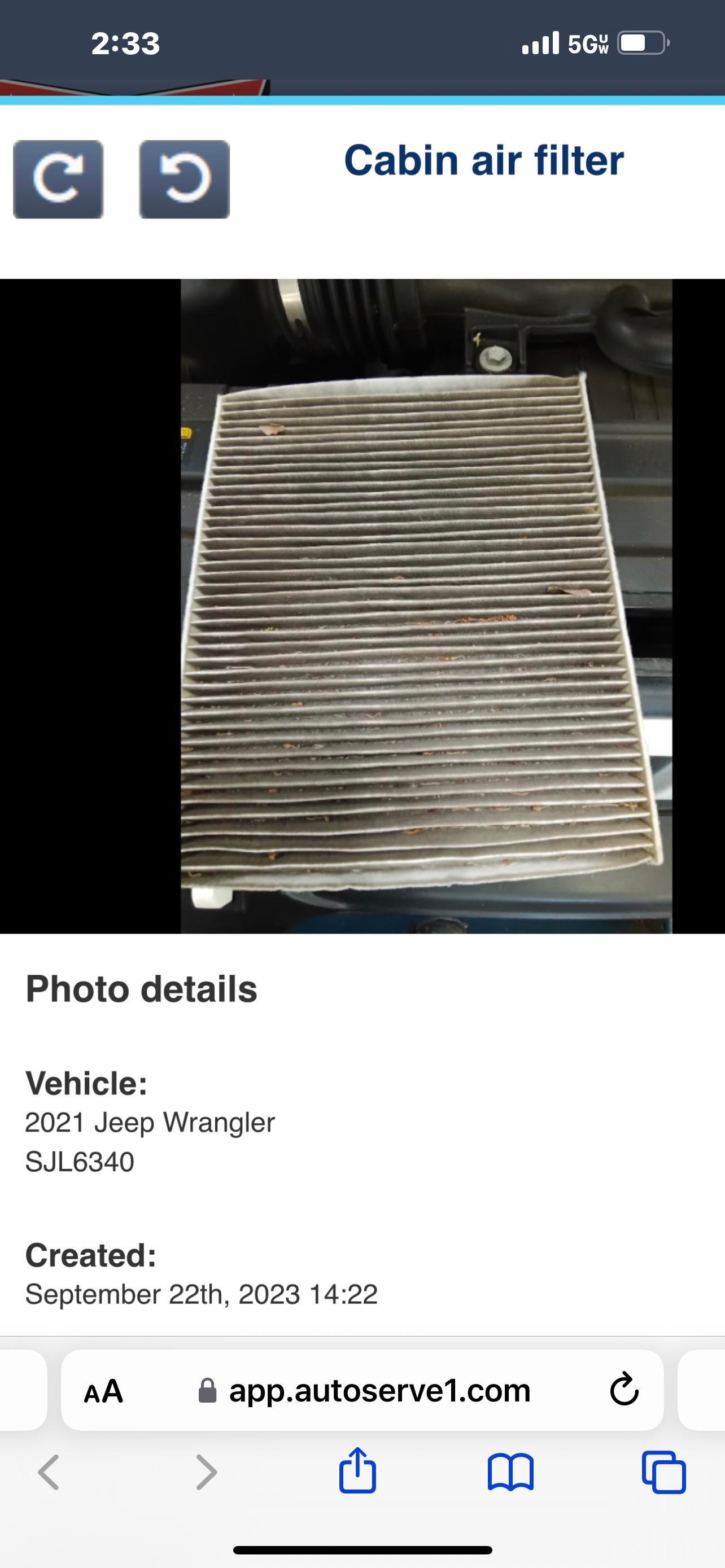
- Check for leaves and debris. Leaves can block the filter slot and lead to mold.
- Record the change date. Write the mileage and date somewhere (like your manual) for easy tracking.
- Buy a quality filter. Cheap filters sometimes fit poorly, letting dirty air bypass the system.
If your airflow is still weak after a filter change, check your blower motor for blockages. Sometimes, the problem isn’t the filter.
Signs Your Cabin Air Filter Needs Changing
Don’t wait for scheduled service. Change the filter sooner if you notice:
- Reduced airflow even at the highest fan setting
- Unpleasant odors when the AC or heat is on
- Increase in dust inside the car
- Foggy windows that clear slowly
Ignoring these signs may stress your HVAC system and lower air quality.
What If Your Jeep Patriot Didn’t Come With A Filter?
Some Patriots (especially base models) have an empty filter slot but no actual filter. You can buy an aftermarket filter kit and install it yourself.
Just make sure the slot is present behind your glove box.
Pro insight: Installing a filter in a slot that’s never been used may need a gentle clean to remove factory dust.

Cost Comparison: Diy Vs. Mechanic
Is it worth doing yourself? Here’s a quick price breakdown:
| Service Option | Average Cost | Time Needed |
|---|---|---|
| DIY | $15–$35 (filter only) | 10–20 minutes |
| Mechanic | $50–$90 (parts + labor) | 1 hour (with wait) |
DIY saves money, and you get to learn more about your vehicle.
Frequently Asked Questions
How Often Should I Change The Jeep Patriot Cabin Air Filter?
Change it every 15,000 to 20,000 miles or once a year. If you drive in dusty or polluted areas, check it every 10,000 miles.
What Happens If I Don’t Replace The Cabin Air Filter?
A dirty filter causes weaker airflow, musty smells, and allows more dust inside. It can also strain your car’s HVAC system, possibly leading to costly repairs.
Can I Use Any Cabin Air Filter For My Jeep Patriot?
No, always use the correct size and type for your model year. Check your manual or use your VIN to find compatible filters.
Is Changing The Cabin Air Filter Difficult?
For most Jeep Patriots, it’s an easy DIY job. No special tools or advanced skills are required—just basic hand tools and a few minutes.
Where Can I Find More Information About Jeep Patriot Maintenance?
Visit the official Mopar Jeep Maintenance site for more details, schedules, and how-to guides.
Changing your Jeep Patriot’s cabin air filter is a smart way to keep your car’s air clean and your HVAC system running smoothly. With a little time and the right filter, you can do it yourself and breathe easier on every drive.