Changing the alternator on your 2014 Jeep Compass might seem difficult, but with the right approach, tools, and a clear plan, it’s quite manageable—even for beginners. The alternator keeps your battery charged and powers your electrical systems.
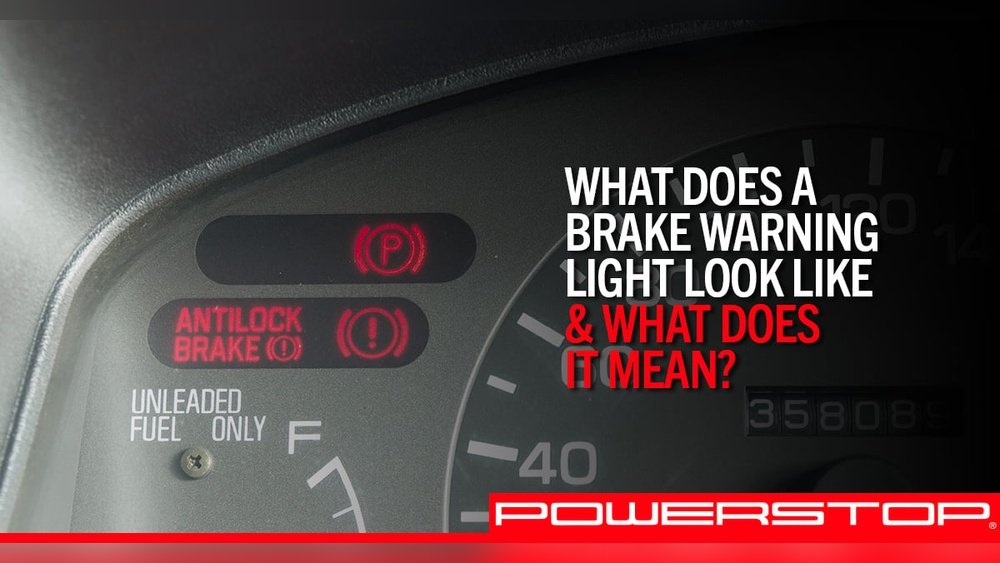
If your Jeep is having trouble starting, or you see warning lights, the alternator might need replacing. This guide walks you through the process step by step, sharing practical advice and important tips along the way.
By learning how to do this yourself, you not only save money but also gain valuable experience maintaining your own vehicle.
Essential Tools And Parts
Before you begin, gather these tools and materials:
- Socket set (metric and standard sizes)
- Ratchet and extension
- Wrench set
- Screwdriver
- New alternator for 2014 Jeep Compass
- Belt tensioner tool
- Safety gloves
- Safety glasses
You may also find a small magnetic tray helpful for keeping track of bolts and nuts. This prevents losing small parts, which is common when working in tight engine spaces.
The average cost for a new alternator ranges from $150 to $300.
Labor at a shop can add another $200 $400. Doing it yourself saves money and gives you confidence as a car owner.
If you plan to replace the serpentine belt, buy a replacement that matches your Jeep’s engine size.
Preparation Steps
- Park your Jeep on a flat surface. Turn off the ignition and let the engine cool. Working on a hot engine is uncomfortable and risky.
- Disconnect the battery by removing the negative (black) cable. This prevents shocks and electrical short circuits. Always remove the negative cable first for safety.
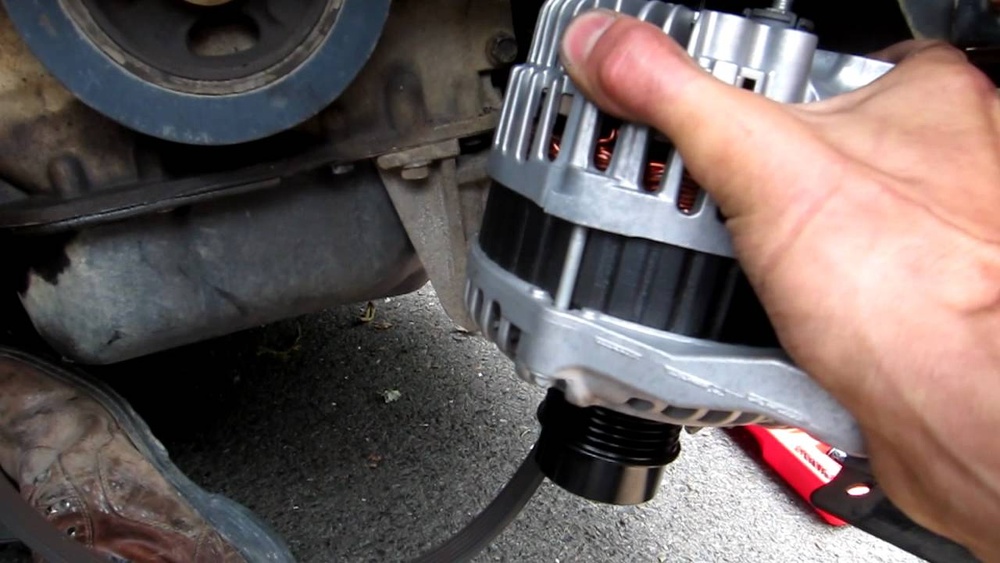
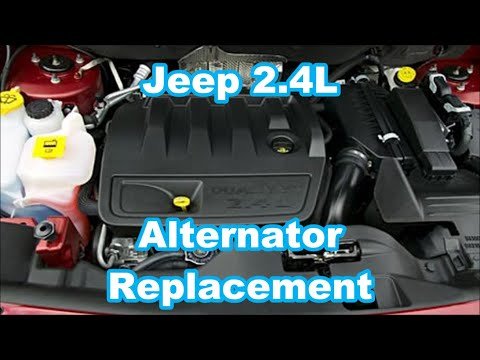
- Locate the alternator—it’s mounted near the front of the engine, connected to the serpentine belt. Check your owner’s manual if you’re unsure about the location. Sometimes, moving a plastic cover or air intake tube improves access.
Taking time to prepare well makes the job smoother. Lay out your tools before starting, and clear any debris or clutter around the engine bay.
Removing The Old Alternator
This step takes patience and care. Here’s how to do it:
- Remove the serpentine belt:
- Use the belt tensioner tool to release pressure.
- Slide the belt off the alternator pulley.
- Note how the belt is routed, as incorrect installation can cause problems.
- Disconnect wiring harnesses:
- Unclip the main connector and remove the nut holding the battery cable.
- Handle connectors gently to avoid breaking plastic clips.
- Remove mounting bolts:
- There are typically 2–3 bolts holding the alternator. Use your socket and ratchet to remove them.
- Some bolts may be harder to reach—use an extension if needed.
- Take out the alternator:
- Wiggle it gently out of its bracket. Some models may require removing other parts (like air intake tubes) for space.
- If the alternator feels stuck, check for any missed bolts or clips.
Common Mistakes To Avoid
- Forgetting to disconnect the battery can cause dangerous sparks.
- Losing track of mounting bolts—keep them in a safe spot.
- Damaging nearby wires or hoses when pulling out the alternator.
- Not labeling or photographing connections; this can lead to confusion during reassembly.
When removing the alternator, be careful not to knock loose any sensors or hoses. These parts can be fragile and expensive to replace.
Installing The New Alternator
Now, you’re ready to install the replacement alternator:
- Position the new alternator in the mounting bracket. Make sure it sits flush before adding bolts.
- Insert and tighten mounting bolts—don’t overtighten, but make sure they’re secure. Check the torque specs in your owner’s manual if possible.
- Reconnect electrical wires:
- Attach the battery cable and secure with the nut.
- Plug in the wiring harness.
- Double-check that all connections are tight.
- Replace the serpentine belt:
- Use the tensioner tool to slip the belt over the alternator pulley.
- Make sure the belt sits properly on all pulleys.
- Inspect the belt for proper alignment; a twisted belt can cause noise or damage.
If you struggle to get the belt back on, check the tensioner’s position. Sometimes, a helper can make this step easier.
Testing The Installation
Before closing the hood, check your work:
- Reconnect the battery.
- Start the engine. Listen for unusual noises and watch for warning lights.
- Use a voltmeter to check battery voltage. It should read 13.5–14.5 volts if the alternator is charging correctly.
- If the voltage is too low, re-check connections and mounting bolts.
- Let the engine run for a few minutes, and observe if the battery warning light stays off.
Testing ensures you catch problems early. If the alternator is not charging, review your steps before driving the vehicle.
Real-world Data: Alternator Lifespan And Failure Causes
Most alternators last between 80,000 and 150,000 miles. Common failure causes include:
- Worn bearings, which often produce a grinding or whining sound.
- Damaged voltage regulator, leading to erratic battery charging.
- Overheated internal components, sometimes caused by engine leaks or old belts.
Here’s a quick comparison:
| Alternator Brand | Average Lifespan (miles) | Warranty (years) |
|---|---|---|
| OEM Mopar | 120,000 | 2 |
| Remanufactured Denso | 100,000 | 1 |
| Aftermarket Bosch | 90,000 | 1 |
If your alternator failed early, check for signs of oil leaks or worn belts, as these can shorten lifespan.
Jeep Compass Alternator Specifications
Understanding the specs helps you choose the right part:
| Model Year | Engine Type | Alternator Output (Amps) |
|---|---|---|
| 2014 | 2.0L/2.4L | 120 |
| 2014 | 2.4L AWD | 120 |
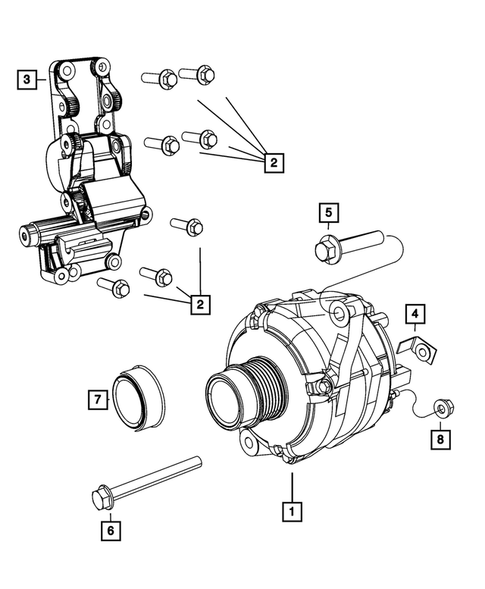
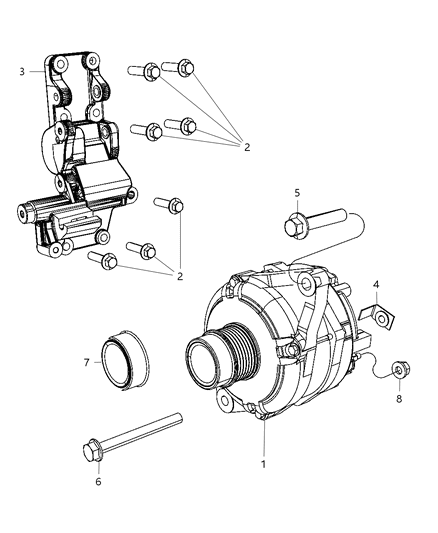
Always match your alternator’s output rating to your Jeep’s engine type. Using a lower-rated alternator can lead to weak charging, especially if you run accessories like heated seats or extra lights.
Cost Comparison: Diy Vs. Shop Replacement
Wondering if DIY is worth it? Look at the costs:
| Replacement Method | Parts Cost | Labor Cost | Total Cost |
|---|---|---|---|
| DIY | $180 | $0 | $180 |
| Shop | $180 | $320 | $500 |
The DIY route saves you over $300 and gives you full control over the process. If you choose a shop, ask about warranty coverage and whether they use OEM or aftermarket parts.
Two Non-obvious Insights
- Check all electrical connections before finalizing the install. Loose wires can cause charging problems that look like alternator failure. Sometimes, a loose ground wire is the real problem—not the alternator itself.
- Inspect the serpentine belt closely. If it shows cracks or wear, replace it at the same time. A worn belt can slip and make your new alternator work harder. If the belt tensioner is weak, it can also cause belt slipping and poor alternator performance.
Many beginners overlook these checks, but they help prevent repeat repairs and keep your Jeep running smoothly.
Expert Tips For Smooth Replacement
- Take pictures of the wiring and belt routing before removal. This helps avoid confusion during reassembly.
- Label bolts if they are different lengths. This prevents mistakes when reinstalling.
- If you hear squealing after installation, check belt tension. Too loose or too tight can cause noise and damage.
- Work slowly and methodically. Rushing increases the chance of mistakes or missing steps.
If you encounter resistance when installing the alternator, check for obstacles or misaligned brackets before forcing it.
Frequently Asked Questions
How Long Does It Take To Change The Alternator On A 2014 Jeep Compass?
Usually, it takes 1.5–2 hours for someone with basic tools and experience. If you’re new, plan for up to 3 hours. Taking breaks and double-checking steps helps avoid errors.
Can I Drive With A Bad Alternator?
No. A bad alternator will drain the battery quickly. Your Jeep may lose power suddenly and leave you stranded. It’s safer to fix the issue before driving any distance.
Should I Replace The Serpentine Belt When Changing The Alternator?
It’s a good idea if the belt shows signs of wear. Replacing both together saves time and prevents future breakdowns. Belts are affordable and easy to install when the alternator is removed.
What Are Signs My Alternator Is Failing?
Watch for dim headlights, battery warning lights, strange noises, or trouble starting. These are common alternator failure symptoms. Sometimes, you’ll hear a whining sound when the alternator bearings are worn.
Where Can I Find Official Jeep Compass Repair Guides?
You can find official resources from Jeep’s official website for detailed specifications and diagrams.
Changing the alternator on your 2014 Jeep Compass is a rewarding task. With careful planning, the right tools, and attention to detail, you’ll restore your vehicle’s reliability and avoid costly shop fees. Remember these tips and check your connections before finishing. Good luck, and enjoy the satisfaction of a job well done!