Changing the air filter in your Jeep Wrangler is one of those simple maintenance tasks that pays off in many ways. It keeps your engine breathing clean, improves fuel efficiency, and can even extend the life of your vehicle. For many Jeep owners, the process feels intimidating at first, but with the right guidance, anyone can do it in less than 30 minutes. This guide will walk you through the steps, explain why this job matters, and help you avoid common mistakes. Whether you drive a classic Wrangler or a newer model, you’ll find everything you need here to change your air filter confidently.
Why Air Filter Maintenance Matters For Jeep Wrangler
The air filter protects your engine from dust, dirt, and debris. When the filter gets clogged, your engine struggles to get enough air. This can lead to sluggish performance, higher fuel consumption, and even damage over time. According to the US Department of Energy, a clean air filter can boost your mileage by up to 10%. For Jeep Wranglers, which often drive off-road or in dusty conditions, regular air filter replacement is essential.
Some owners think only about oil changes, but neglecting the air filter can quietly hurt your Jeep. Many drivers notice smoother acceleration and steadier idling after a new filter is installed.
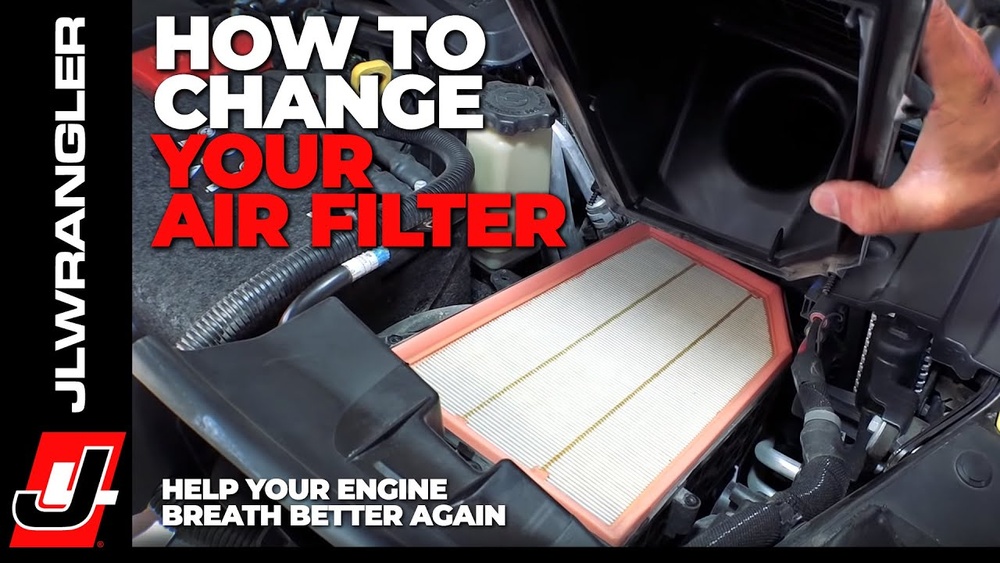
If your Wrangler feels slow or you smell exhaust inside the cabin, a dirty air filter could be the reason.
When Should You Change Your Jeep Wrangler’s Air Filter?
Most manufacturers recommend changing the air filter every 12,000 to 15,000 miles. However, if you drive in dusty areas, tow heavy loads, or off-road often, it’s smart to check the filter every 6,000 to 8,000 miles. Jeep Wranglers are built for adventure, so their filters tend to get dirty faster than city cars.
Signs that your air filter needs changing:
- Engine feels sluggish
- Poor fuel economy
- Unusual engine sounds
- Visible dirt on the filter
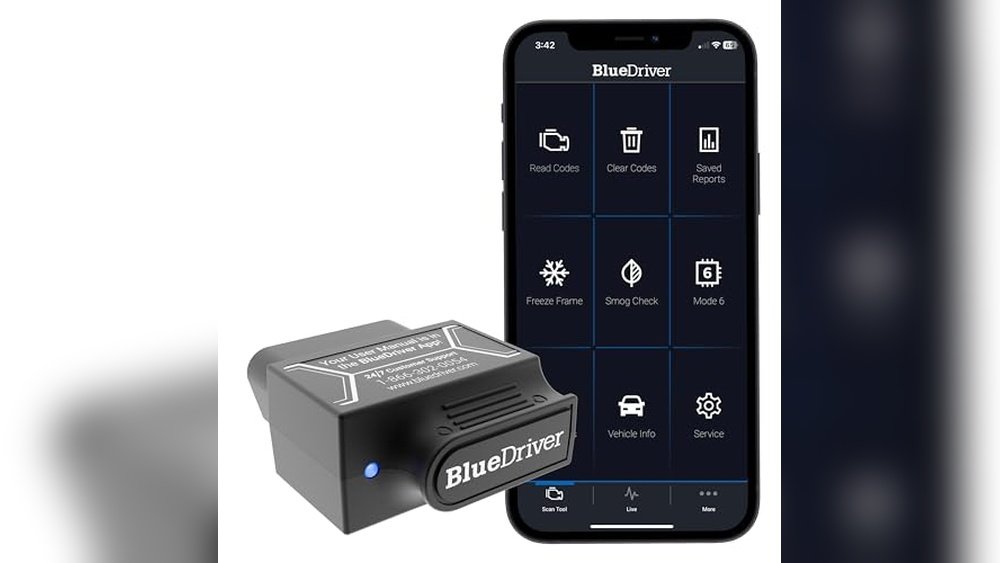
- Check Engine Light
If you see any of these, inspect your filter even if you haven’t reached the mileage interval. Many beginners miss the importance of visual inspection.
Sometimes, the filter looks clean but is actually clogged with fine dust.
Tools And Materials You’ll Need
Before you start, gather these items:
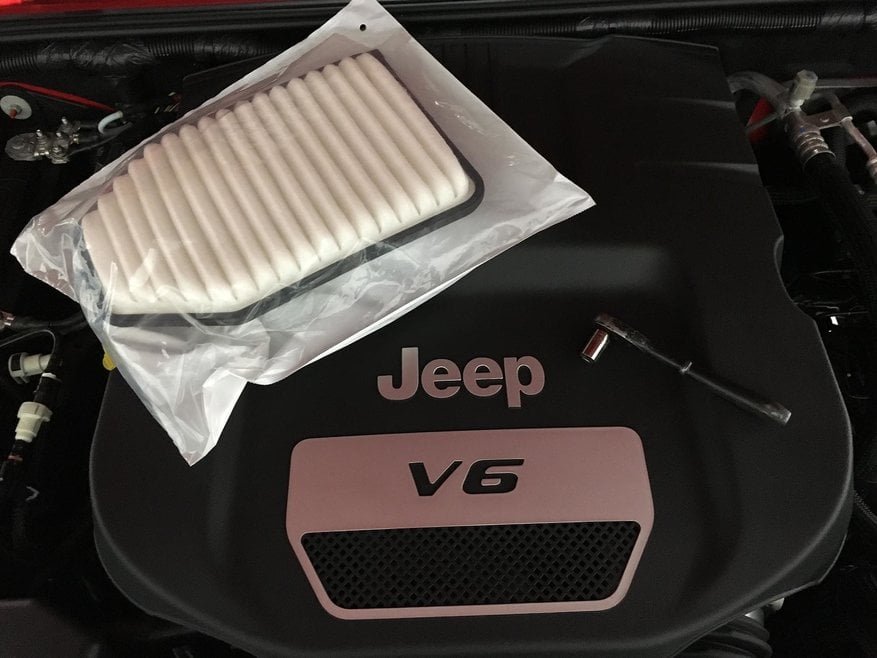
- New air filter (Check your Wrangler’s year/model for the right part)
- Flathead screwdriver
- Socket wrench (usually 8mm or 10mm for most Wranglers)
- Shop rag or paper towel
- Gloves (optional)
You don’t need special tools. Most air filter changes require only basic hand tools you probably have at home.
Step-by-step Guide: Changing The Air Filter
Follow these steps for a smooth air filter replacement. The process works for most Jeep Wrangler models from 2007 onward (JK, JL, and Gladiator). Older models may vary slightly, but the steps are similar.
Step 1: Park And Prepare
- Turn off your engine and let it cool for 10 minutes.
- Open the hood by pulling the latch under the dashboard, then release the safety catch at the front.
Step 2: Locate The Air Filter Box
- The air filter box is a black plastic container near the engine, usually on the driver’s side.
- Look for metal clips or screws holding the lid.
Step 3: Remove The Air Filter Cover
- If your box has metal clips, unclip them by hand.
- If screws are present, use the socket wrench or screwdriver to loosen them.
- Lift the cover and set it aside.
Step 4: Take Out The Old Air Filter
- Pull the filter out gently.
- Check for leaves, twigs, or dust inside the box. Wipe clean with a shop rag if needed.
Step 5: Inspect The Old Filter
- Hold the filter up to a light. If you can’t see light through it, it’s time for a change.
- Compare the old filter to your new one to ensure they match.
Step 6: Insert The New Air Filter
- Place the new filter in the box, making sure it fits snugly and seals around the edges.
- Double-check that the filter sits flat—this prevents dirt from slipping by.
Step 7: Secure The Air Filter Cover
- Replace the cover, align it properly, and re-clip or re-screw it.
- Make sure it’s tight but don’t over-tighten (plastic can crack).
Step 8: Close The Hood And Test
- Close the hood securely.
- Start the engine and listen. If it sounds smooth, you did it right.
Common Mistakes When Changing Jeep Wrangler Air Filter
Many beginners make simple mistakes that can cause problems later. Here are some to avoid:
1. Installing The Filter Upside-down
Filters have a specific orientation. Check the arrows or markings.
2. Leaving Debris In The Air Box
Always wipe the air box clean before inserting the new filter.
3. Using The Wrong Filter Size
Jeep Wranglers from different years require different filters. Double-check your part number.
4. Over-tightening Screws
Too much force can crack the air box lid.
5. Forgetting To Secure All Clips
Loose covers let dirt into your engine.
A surprising insight: The air box sometimes has a secondary seal or rubber gasket. If this gasket is damaged or missing, dust can sneak through. Always check this part during your change.
Comparison: Jeep Wrangler Air Filter Types
Jeep Wranglers use two main filter types: paper filters and high-performance reusable filters. Here’s a quick look at their differences:
| Filter Type | Durability | Performance | Cost | Maintenance |
|---|---|---|---|---|
| Paper (OEM) | 12,000–15,000 miles | Standard | $15–$25 | Replace |
| Reusable (High-Performance) | Up to 50,000 miles | Enhanced airflow | $40–$60 | Clean & reuse |
For most drivers, paper filters are enough. If you drive in extreme conditions or want more power, a reusable filter can be a smart upgrade.
Air Filter Replacement Costs And Savings
Changing your Jeep Wrangler’s air filter yourself saves money. Dealerships and shops often charge $40 $90 for this simple job.
Doing it at home costs only the price of the filter.
Here’s a quick cost comparison:
| Replacement Method | Estimated Cost | Time Required |
|---|---|---|
| DIY | $15–$60 | 20–30 minutes |
| Dealership/Shop | $40–$90 | 1–2 hours (including waiting) |
For most Jeep owners, the savings are clear. Plus, you gain confidence working on your own vehicle.
Real-world Example: 2018 Jeep Wrangler Jl
Let’s walk through a quick example for a 2018 Jeep Wrangler JL:
- Locate the air box on the passenger side.
- Use a 10mm socket to remove two screws.
- Lift the lid and remove the old filter.
- Clean out dust and insert the new filter.
- Screw the lid back on, making sure it’s snug.
Owners often report instant improvements in throttle response after this change. If your Jeep feels sluggish, this quick fix can make a noticeable difference.
Two Insights Beginners Often Miss
- Check the air filter after heavy rain or deep water crossings. Water can enter the air box and damage the filter, especially if you off-road. Replace the filter immediately if it’s wet.
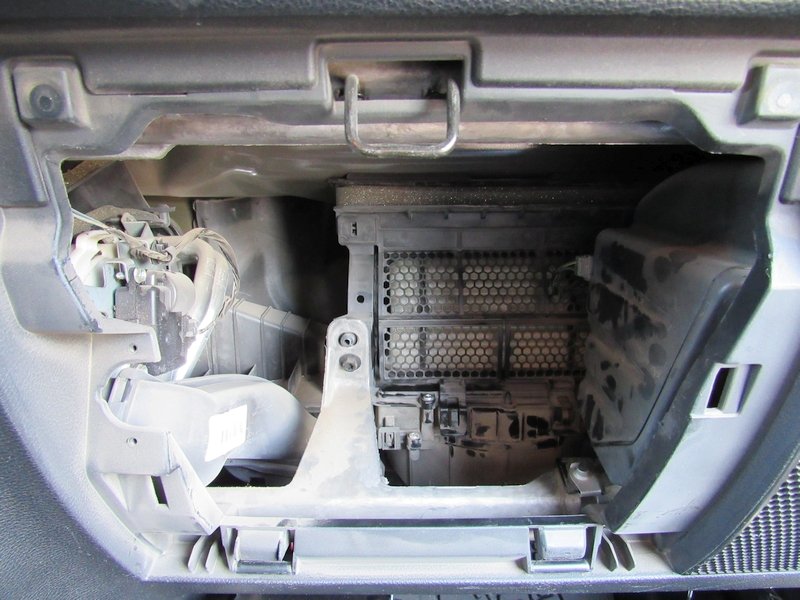
- Don’t ignore the cabin air filter. Many Jeep Wranglers have a separate filter for the climate system. It’s not the same as the engine air filter, but changing both together improves air quality inside and out.
Practical Tips For A Smooth Air Filter Change
- Buy your filter from a trusted source. Cheap filters may not seal properly.
- Keep the old filter for a few days in case the new one is defective.
- Mark the date/mileage of your change in your owner’s manual.
- If you drive on dusty trails, carry a spare filter in your glove box.
- Use light pressure when cleaning the air box—don’t force dirt deeper.
Environmental Impact Of Air Filter Choices
Paper filters are disposable and create waste, but they’re cheap and easy. Reusable filters require cleaning with special oil and can last for years.
If you care about reducing waste, reusable filters are a greener choice. According to the EPA, millions of disposable filters end up in landfills every year.
Small changes like switching to a reusable filter can make a difference.
Where To Find The Right Air Filter
You can buy Jeep Wrangler air filters at auto parts stores, online retailers, or Jeep dealerships. Always check your owner’s manual for the correct part number. Reputable brands include Mopar, K&N, and Fram. If you’re unsure, ask at the store or check the manufacturer’s site.
For detailed part compatibility, visit the official Jeep Owners Site.
Frequently Asked Questions
How Often Should I Change My Jeep Wrangler Air Filter?
You should change the air filter every 12,000 to 15,000 miles. If you drive off-road or in dusty places, check it every 6,000 to 8,000 miles. Replace sooner if it looks dirty or clogged.
Can I Use A Reusable Air Filter In My Jeep Wrangler?
Yes, reusable filters (like K&N) fit most Wranglers. They last longer and can boost performance, but you must clean and oil them regularly. Always follow the manufacturer’s cleaning instructions.
What Happens If I Don’t Change The Air Filter?
A clogged filter reduces airflow, making your engine work harder. This leads to poor fuel economy, weak acceleration, and can even damage the engine over time. It also increases pollution.
Is It Difficult To Change The Air Filter Myself?
No, it’s a simple process. Most Jeep owners can do it in 20–30 minutes with basic tools. Follow the steps in this guide and watch a video if you need extra help.
Can A Dirty Air Filter Cause The Check Engine Light?
Yes, in some cases a clogged filter affects sensors and triggers the check engine light. If your light comes on after the filter change, double-check installation and reset the system if needed.
Changing your Jeep Wrangler’s air filter is a quick, cost-effective way to keep your engine running strong. It’s a job that builds confidence and saves money.
With regular checks and the right filter, your Wrangler will breathe easy and perform at its best, whether you’re on city streets or rugged trails.