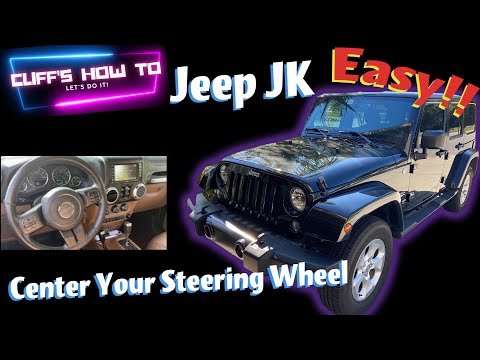
If you recently lifted your Jeep JK or changed its suspension parts, you might notice the steering wheel is no longer centered. Driving with a crooked steering wheel can feel strange and may affect your vehicle’s stability.
Luckily, centering the steering wheel on a Jeep JK isn’t difficult. With the right tools and a careful approach, you can quickly restore proper alignment and improve your driving experience.
Why Steering Wheel Centering Matters
A centered steering wheel is more than just a cosmetic detail. It ensures that your Jeep JK tracks straight when you drive and that your electronic systems, like traction control and cruise control, work correctly. If the wheel is off-center, you may experience uneven tire wear and poor handling. In serious cases, it can even cause safety systems to malfunction.
After making changes to the suspension or adjusting the toe, always check the steering wheel alignment. Skipping this step is a common mistake among beginners.
Tools You Need
Before you start, gather these tools:
- Wrench (usually 15mm or 18mm)
- Marker or chalk
- Tape measure
- Jack and jack stands (optional, but helpful)
- Safety gloves
Having the right tools speeds up the process and helps you avoid damaging parts.
Step-by-step Guide To Centering The Steering Wheel
1. Confirm The Problem
Drive your Jeep JK on a straight, flat road. If the steering wheel is tilted left or right when you’re driving straight, it needs centering.
Take note of the direction and angle. For example, is it off by just a few degrees or nearly 90?
2. Locate The Drag Link Adjustment
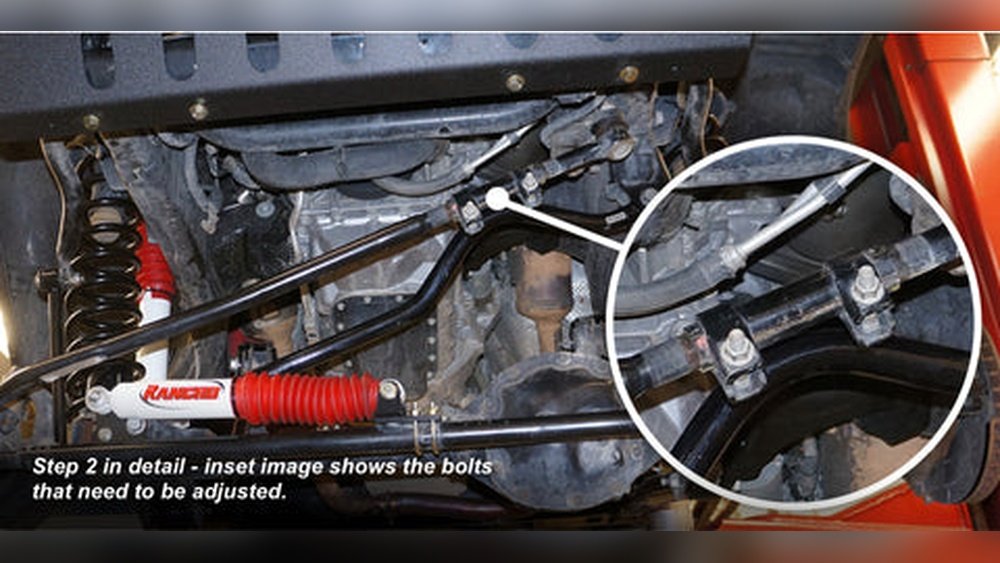
The drag link connects the steering box to the front wheels. It has an adjustment collar near the passenger side. This collar is used to rotate and change the length of the drag link, effectively moving the steering wheel left or right.
3. Mark The Current Position
Use a marker or chalk to mark the current position of the drag link and collar. This step helps you track adjustments and avoid over-correcting.
4. Loosen The Adjustment Collar
With your wrench, loosen the bolts on the adjustment collar. You don’t need to remove them just loosen enough to rotate the collar freely. Always wear gloves to protect your hands.
5. Adjust The Drag Link
Turn the collar to shift the steering wheel. Small turns make a big difference.
If the wheel is off to the left, rotate the collar to move it right; if it’s off to the right, move it left.
Here’s a quick comparison of adjustments:
| Wheel Position | Adjustment Direction | Effect |
|---|---|---|
| Left | Rotate collar clockwise | Wheel moves right |
| Right | Rotate collar counter-clockwise | Wheel moves left |
Make small adjustments and check frequently.
6. Test The Steering Wheel
Tighten the collar bolts enough to drive safely. Take your Jeep JK for a short test drive.
If the steering wheel is centered, you can finish tightening the bolts. If not, repeat the adjustment.
A common mistake is over-adjusting. Beginners often turn the collar too much and end up with the wheel off-center in the opposite direction.
7. Final Tightening
Once satisfied, tighten the adjustment collar bolts securely. Use your tape measure to check the drag link length and confirm both sides are equal.
Here’s a data table showing typical drag link lengths for Jeep JK models:
| Model Year | Stock Drag Link Length (inches) | Lifted Drag Link Length (inches) |
|---|---|---|
| 2007–2011 | 27.5 | 28–29 |
| 2012–2018 | 27.8 | 28–29.3 |
Always check manufacturer specs if you have aftermarket parts.
Practical Tips And Insights
- Safety first: Never adjust under the vehicle without secure jack stands.
- Record adjustments: Take photos of your setup before and after. This helps if you need to reverse changes.
- Check electronic systems: After centering, make sure cruise control and traction control work as expected. If warning lights stay on, the wheel may still be off.
- Don’t ignore alignment: Centering the wheel isn’t a substitute for a full wheel alignment. If your Jeep JK pulls to one side, get a professional alignment.
A non-obvious insight: If your Jeep JK has larger tires or wheels, small steering adjustments can have a bigger effect. Always start with tiny turns of the collar.
Another common oversight: Some owners forget to retighten the adjustment bolts. Loose bolts can cause steering drift or damage the drag link.
Common Mistakes To Avoid
- Skipping the test drive: Always test after every adjustment.
- Not marking the drag link: Without a mark, it’s easy to lose track of changes.
- Over-tightening bolts: Excess force can strip threads.
- Ignoring warning lights: If dash lights appear after adjustment, check your work.
When To Seek Professional Help
If you notice excessive play in the steering, strange noises, or the wheel won’t center after several adjustments, consult a mechanic. Sometimes, worn parts or alignment issues need expert attention.
For more details on Jeep steering systems, visit the official Jeep website.
Frequently Asked Questions
How Often Should I Check My Steering Wheel Alignment?
If you off-road regularly or change suspension parts, check the steering wheel alignment every few months. For normal driving, once a year is enough.
Can I Center The Steering Wheel Without Special Tools?
Yes, you need only basic tools like a wrench and marker. However, proper adjustment is easier with the right size wrench and a tape measure.
Will Centering The Wheel Fix Pulling To One Side?
No. Centering the steering wheel only aligns the wheel, not the vehicle’s full suspension. If your Jeep JK pulls left or right, you need a professional alignment.
Is This Adjustment The Same For All Jeep Jk Models?
Most Jeep JK models use similar drag link setups. However, aftermarket parts or extreme lifts may require different steps or tools.
What Happens If I Don’t Center The Steering Wheel After A Lift?
You may experience uneven tire wear, poor handling, and malfunctioning electronic systems. Always center the wheel after suspension changes.
Getting your Jeep JK’s steering wheel properly centered improves safety, handling, and driving comfort. With careful steps and attention to detail, you can complete this task in under an hour.
Remember to check your adjustments, avoid common mistakes, and seek help if issues persist.
Your Jeep will thank you with smoother rides and better control on every adventure.