Buying a Jeep Grand Cherokee is a big decision, whether you’re upgrading your family vehicle, searching for off-road adventure, or looking for a comfortable daily driver. With its blend of power, technology, and style, the Grand Cherokee stands out as a top choice in the midsize SUV market. But with many trims, features, and price points, making the right choice can feel overwhelming—especially if you’re new to the Jeep lineup. This guide will help you navigate each step, avoid common mistakes, and get the best value for your money.
Decide On Your Needs And Budget
Before you start browsing cars or visiting dealerships, think about how you’ll use your Grand Cherokee. Will you drive mostly in the city, take road trips, or tackle rough terrain? Your answer will shape which trim and features you need.
- Daily commuting: Focus on comfort, fuel efficiency, and safety tech.
- Family use: Look for space, rear-seat features, and advanced safety.
- Off-road adventures: Consider four-wheel drive (4WD), higher ground clearance, and tow packages.
Set a realistic budget. New Jeep Grand Cherokees start around $40,000 for base models and can reach over $75,000 for luxury trims like the Summit Reserve. Don’t forget to include taxes, insurance, and possible upgrades. If you’re open to used models, you can find older Grand Cherokees for as low as $20,000 with reasonable mileage.

Understand Trims And Options
Jeep offers multiple trims for the Grand Cherokee, each with unique features and price points. Here’s a quick comparison of popular 2024 trims:
| Trim | Starting Price | Main Features |
|---|---|---|
| Laredo | $40,000 | Basic safety tech, cloth seats, V6 engine |
| Limited | $47,000 | Leather seats, larger screen, more safety features |
| Overland | $58,000 | Panoramic sunroof, air suspension, premium audio |
| Summit Reserve | $75,000 | Luxury leather, advanced tech, high-end finishes |
Consider which features are must-haves and which you can live without. For example, the Quadra-Trac II 4WD system is essential for serious off-roading, but not necessary for city driving.
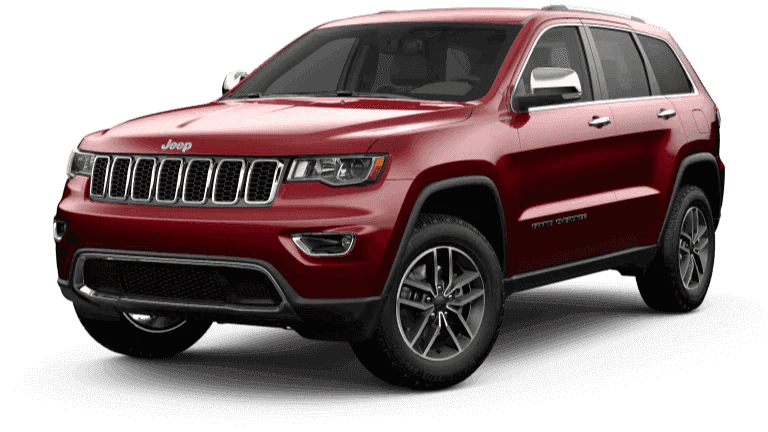
New Vs. Used Grand Cherokee
Choosing between new and used is a big part of the buying process. Here’s a quick look at the main differences:
| Aspect | New | Used |
|---|---|---|
| Price | Higher, full warranty | Lower, some warranty may remain |
| Depreciation | Faster in first 2 years | Slower after initial drop |
| Technology | Latest features | May lack newest upgrades |
If you go used, check the vehicle history report for accidents or major repairs. Certified Pre-Owned (CPO) models from Jeep dealers offer warranty coverage and extra peace of mind.
Where To Shop
You have several options when shopping for a Jeep Grand Cherokee:
- Jeep dealerships: The safest place for new and CPO vehicles, with warranty and support.
- Used car lots: Wider selection, but inspect carefully and check reviews.
- Online marketplaces: Sites like Autotrader, CarMax, and Cars.com let you compare prices and features from home.
Always schedule a test drive and check the car’s condition in person, especially if buying used. For new vehicles, ask about dealer incentives or manufacturer rebates—these can save you thousands.
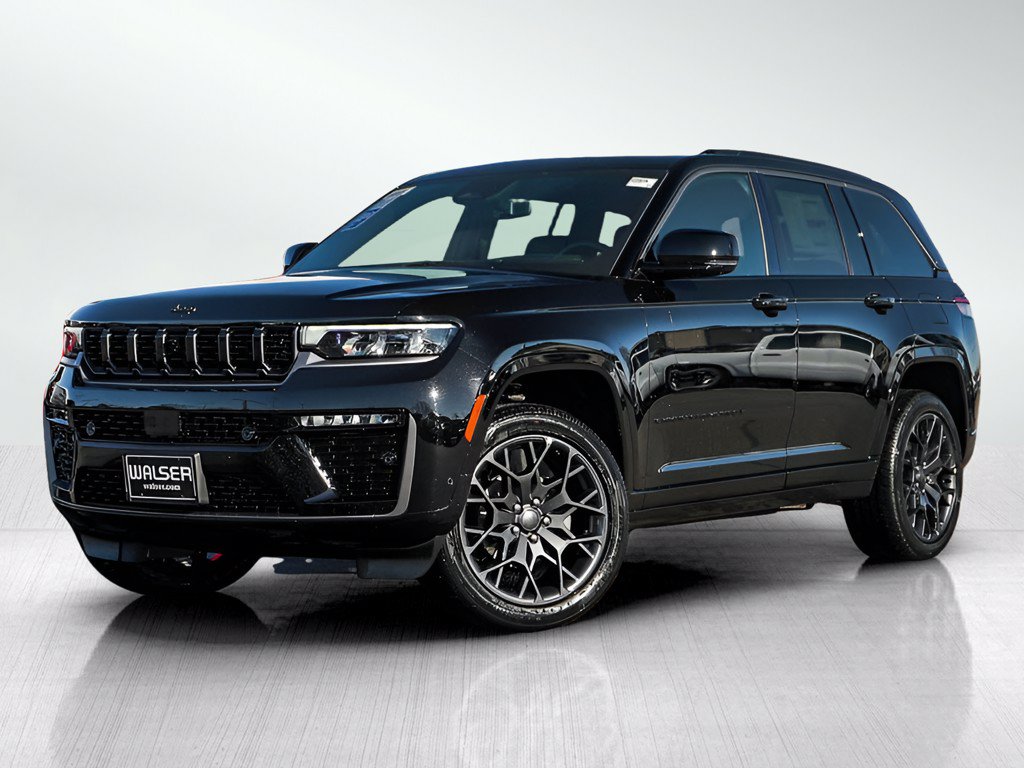
Negotiating The Price
Negotiation is expected when buying a vehicle in the U.S., whether new or used. Do some market research before visiting the dealership:
- Check prices of similar models in your area.
- Know the invoice price (what the dealer paid) vs. the MSRP (sticker price).
- Be ready to walk away if the deal doesn’t fit your budget.
For used cars, ask for a mechanic’s inspection if you have any doubts. Dealers might add fees for documentation or delivery—ask for an out-the-door price to avoid surprises.
Financing Your Jeep
Most buyers use financing to purchase their Grand Cherokee. Compare options:
- Bank or credit union loans often have lower rates.
- Dealership financing can be convenient, but rates may be higher.
- Leasing is an option if you want lower monthly payments and plan to change cars every few years.
Check your credit score before applying. Even a small difference in interest rates can cost you thousands over the life of the loan.
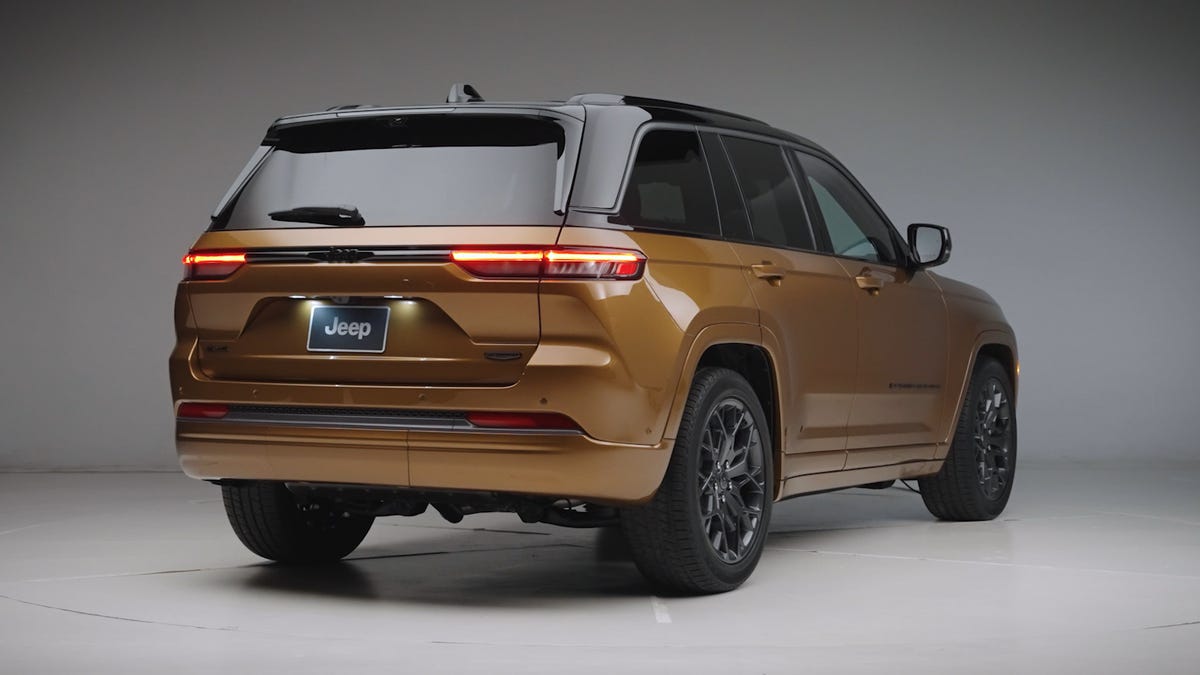
Insurance And Ownership Costs
Insuring a Jeep Grand Cherokee costs about $1,500–$2,000 per year, depending on your location, driving history, and coverage level. Remember ongoing costs:
- Fuel economy: Most Grand Cherokees average 19–26 MPG.
- Maintenance: Regular service is key for reliability.
- Taxes and registration: These vary by state.
One insight many buyers miss: some trims require premium fuel or more expensive tires. Check these costs before committing.
Common Mistakes To Avoid
- Rushing the process: Take time to research and compare.
- Ignoring total cost: Focus on monthly payments, but check full ownership costs.
- Skipping the test drive: Make sure the vehicle fits your needs and feels comfortable.
- Missing incentives: Ask about hidden rebates or loyalty programs.
Another thing many overlook: resale value. Trims with more tech or 4WD often hold value better than basic versions.
Frequently Asked Questions
What Is The Best Year To Buy A Used Jeep Grand Cherokee?
The 2016–2019 models offer a good balance of reliability, features, and price. Avoid older models with high mileage unless they have full service records.
Is The Jeep Grand Cherokee Good For Off-roading?
Yes, especially trims with Quadra-Trac II or Quadra-Drive II 4WD systems. Look for models with skid plates, tow hooks, and the Off-Road package for serious trails.
How Much Does It Cost To Maintain A Grand Cherokee?
Expect to spend $500–$1,000 per year on routine maintenance. Older models may need extra repairs as they age.
Can I Tow With A Jeep Grand Cherokee?
Most V6 models can tow up to 6,200 pounds, while V8 and hybrid trims can handle up to 7,200 pounds. Always check the owner’s manual for your model’s rating.
Where Can I Find More Information About Jeep Grand Cherokee Specs?
Visit the official Jeep Grand Cherokee page for up-to-date specs, trims, and options.
Buying a Jeep Grand Cherokee can be rewarding if you do your research and take your time. Focus on your real needs, check all costs, and don’t hesitate to ask questions at every step.
With careful planning, you’ll drive away in an SUV that’s ready for both daily life and adventure.


















