Owning a Jeep JK brings adventure, but you must maintain its cooling system for reliable performance. If you recently replaced the radiator, thermostat, or hoses, or noticed overheating, air may be trapped in the cooling system.
This air pocket can cause temperature spikes, poor heater function, and even engine damage. Burping the system removes trapped air, letting coolant flow smoothly and the engine run cooler.
Many Jeep owners overlook this step, thinking it’s automatic—but it’s not. Let’s break down how to burp the Jeep JK cooling system, why it matters, and what mistakes to avoid.
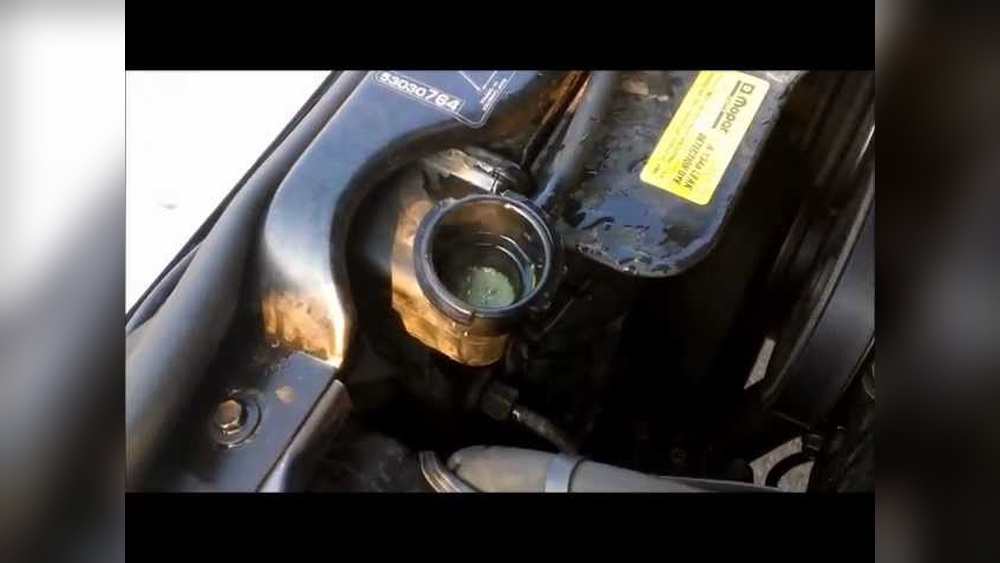
Why Burping Matters For Jeep Jk
The Jeep JK has a unique cooling setup. Unlike older models, its radiator sits lower than parts of the engine. This makes air pockets common after coolant changes. Air in the cooling system can cause:
- Overheating even after new coolant is added
- Erratic temperature gauge readings
- Weak heater performance
- Engine damage if left unresolved
Burping is essential every time you open the cooling system whether replacing coolant or swapping parts. While some mechanics use vacuum fill tools, most Jeep owners can do this job at home with basic tools and careful steps.
Tools And Materials Needed
Before you start, gather these items:
- Coolant (Mopar HOAT or compatible, as per Jeep specs)
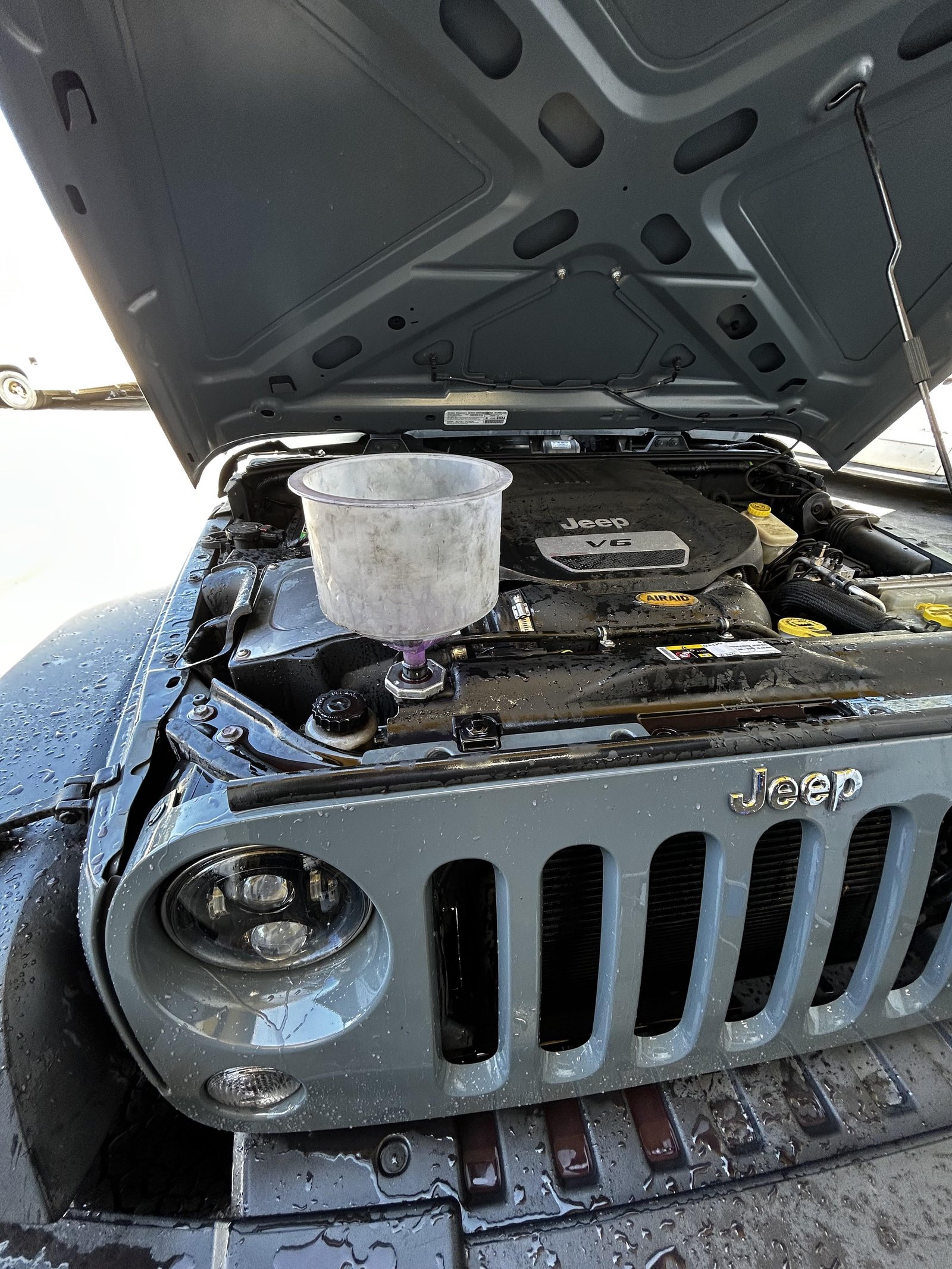
- Funnel (preferably spill-free for easier filling)
- Gloves and safety glasses
- Socket set (for removing air bleed bolts)
- Rags for cleanup
- Drain pan
You’ll also need patience; the process can take up to an hour.

Step-by-step Burping Process
Follow these steps to burp the cooling system on your Jeep JK:
1. Let Engine Cool
Never open the radiator cap on a hot engine. Wait until it’s completely cool to avoid burns.
2. Open Radiator Cap
Slowly remove the cap. If you hear a hiss, wait until it stops this is pressure releasing.
3. Check Coolant Level
Top off coolant in the radiator, not just the overflow tank. Use the correct mix (50/50 coolant and water).
4. Start The Engine
Let the engine idle. Turn the heater to full hot and fan to high.
This helps circulate coolant through the heater core.
5. Add Coolant As Needed
As air escapes, the coolant level may drop. Add more coolant to keep the radiator full.
6. Watch For Air Bubbles
Keep an eye on the funnel or radiator neck. You’ll see bubbles as air escapes.
7. Squeeze Upper Radiator Hose
Gently squeeze the hose to help move air out. Be careful don’t do this if hoses are hot.
8. Monitor Temperature
Watch the dashboard temperature gauge. If it climbs above normal, turn off the engine and let it cool before continuing.
9. Install Radiator Cap
Once bubbles stop and coolant stays at the neck, install the cap securely.
10. Check Overflow Tank
Fill the overflow tank to the “max” line. This ensures any remaining air can escape into the tank.
11. Test Drive And Recheck
Drive for 10 15 minutes. After the engine cools, recheck coolant levels and add if needed.
Key Data: Jeep Jk Cooling System
Here’s a quick data overview:
| Component | Capacity | Recommended Coolant |
|---|---|---|
| Radiator | ~2.7 gallons (10.2 liters) | Mopar HOAT (Hybrid Organic Acid Technology) |
| Engine Block | ~1.1 gallons (4.2 liters) | 50/50 coolant/water mix |
Common Mistakes And How To Avoid Them
Many Jeep owners make simple mistakes when burping:
- Rushing the process: Not waiting for air bubbles to stop before closing the cap
- Filling only the overflow tank: Air stays trapped if radiator isn’t filled directly
- Ignoring heater function: Heater must be on to burp air from heater core
- Using the wrong coolant: Always use Jeep-specified HOAT coolant
Here’s a comparison of correct vs. incorrect burping steps:
| Correct Practice | Result | Incorrect Practice | Result |
|---|---|---|---|
| Fill radiator directly | Removes all air | Fill only overflow tank | Air trapped in system |
| Heater on max | Burps heater core | Heater off | Air stuck in heater core |
| Monitor gauge | Safe temperature | Ignore gauge | Risk of overheating |
Practical Tips For Best Results
- Park on an incline: Nose up helps air move to the radiator, making burping easier.
- Use a spill-free funnel: This lets you see bubbles and maintain coolant level without mess.
- Repeat burping after a day: Air can escape slowly; recheck levels after driving.
An often-missed insight is that trapped air can cause false thermostat readings. The engine may run hot or cold, leading owners to change thermostats unnecessarily. Always burp before replacing other parts.
Signs You Need To Burp Again
If you see these signs after burping, repeat the process:
- Coolant level drops after driving
- Temperature gauge fluctuates
- Heater stays cool
- Visible bubbles in overflow tank
These indicate lingering air pockets.
Jeep Jk Cooling System Vs Other Vehicles
Jeep JKs require more attention than many cars. Here’s a quick comparison:
| Vehicle | Radiator Position | Air Pocket Risk | Burping Difficulty |
|---|---|---|---|
| Jeep JK | Lower than engine | High | Medium |
| Honda Civic | Higher than engine | Low | Easy |
| Ford F-150 | Even with engine | Medium | Medium |
Jeep JKs need careful burping because air naturally collects at the engine’s highest points.
Frequently Asked Questions
How Often Should I Burp My Jeep Jk Cooling System?
Any time you open the cooling system like replacing coolant, radiator, or thermostat you must burp. There’s no set schedule, but do it after each service.
Can I Use Regular Green Coolant In My Jeep Jk?
No. Jeep JKs require HOAT coolant. Using standard green coolant can damage internal parts and shorten engine life. Always check your owner’s manual.
Why Is My Heater Still Blowing Cold After Burping?
If your heater stays cold, air may still be trapped in the heater core. Repeat the burping process with the heater on max and add coolant as needed.
Is It Safe To Drive If The Coolant Level Drops After Burping?
No. A dropping coolant level often means air is still escaping or there’s a leak.
Stop driving until you find and fix the cause.
Where Can I Find More Details About Jeep Jk Cooling Systems?
For official specs and diagrams, check the Jeep Wrangler Wikipedia page.
Taking time to burp your Jeep JK cooling system prevents overheating, protects your engine, and keeps your Jeep ready for adventure. With careful attention and these practical steps, you can avoid common problems and keep your cooling system working its best.


















