Getting air out of your Jeep Wrangler coolant system is more important than many owners realize. Air pockets can cause overheating, poor heater performance, or even engine damage. If you’ve just replaced a radiator, thermostat, or hoses, you need to “burp” the system. This process removes trapped air and ensures your Jeep runs smoothly. Let’s look at how to do this safely and efficiently, even if you don’t have much experience.
Why Burping The Coolant System Matters
A Jeep Wrangler’s cooling system works best when filled with only coolant and water. Air pockets can block coolant flow and give false temperature readings. You might notice the engine runs hot, the heater blows cold, or you hear bubbling noises. These are signs of trapped air.
Here’s what happens if you skip burping:
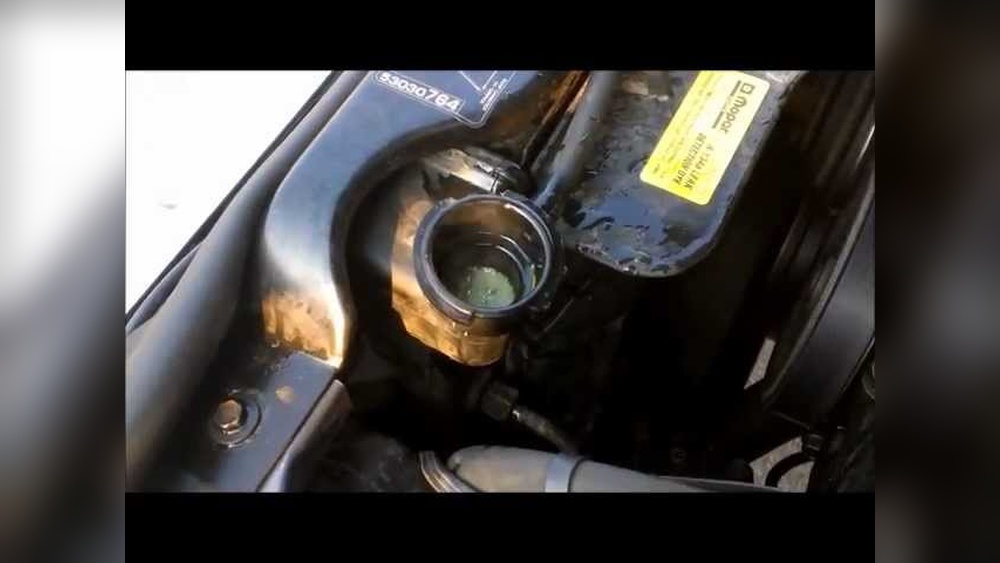
- Overheating: Air prevents coolant from reaching hot spots.
- Poor heater output: Air blocks flow to the heater core.
- Corrosion: Air increases rust risk inside the system.
Most Wranglers, especially the JK and JL models, can be difficult to burp because of their high engine placement and complex hose routing.
Tools And Supplies You Need
Before starting, gather these items:
- Coolant (check your Jeep’s manual for type)
- Distilled water (never use tap water)
- Funnel (ideally a spill-free radiator funnel)
- Drain pan
- Gloves
- Socket wrench (for removing engine covers)
- Shop towels
If your Jeep has a radiator cap, you’ll use that as the main access point. Some newer Wranglers only have a cap on the coolant reservoir.

Step-by-step Guide: Burping The Coolant System
Follow these steps for a safe, effective burp. Most owners can do this in under an hour.
1. Park And Let Engine Cool
Never work on a hot engine. Wait until it’s cool, or at least lukewarm.
This prevents burns and lets air rise naturally.
2. Open Radiator And Reservoir Caps
Carefully open the radiator cap and the overflow reservoir cap. Use a rag to protect your hand in case of pressure.
3. Fill Coolant Slowly
Using your funnel, slowly fill the radiator with a mix of coolant and distilled water (usually 50/50). Fill until you see liquid at the neck.
4. Start Engine And Warm Up
Start the Jeep with caps off. Let it idle for 10-15 minutes.
Watch for air bubbles escaping from the radiator neck. The coolant level may drop as air escapes.
Tip: Turn on the heater to maximum. This opens the heater core and releases trapped air.
5. Squeeze Upper Radiator Hose
With gloves on, gently squeeze the upper radiator hose. This helps push air toward the radiator. Repeat every few minutes.
6. Top Off Coolant
As bubbles stop, add more coolant to keep the radiator full. Some owners report needing nearly a quart extra after burping.
7. Replace Caps And Test Drive
Once bubbles have stopped and coolant is steady, replace all caps tightly. Drive the Jeep for 10-20 minutes. Watch engine temperature and heater performance.
8. Check Coolant Level After Cool Down
After the test drive, let the engine cool completely. Open the reservoir and check the coolant level. Add more if needed.
Comparison: Burping Methods
Different methods work best depending on your Wrangler model and experience. Here’s a quick comparison:
| Method | Time Required | Tools Needed | Success Rate |
|---|---|---|---|
| Manual Burping | 45-60 mins | Basic tools | High |
| Vacuum Fill Tool | 20-30 mins | Special tool | Very High |
| Gravity Fill | 60-90 mins | None | Medium |
Manual burping is best for most owners. Vacuum tools are faster but cost more.

Common Mistakes To Avoid
Burping sounds simple, but there are pitfalls. Here are mistakes to watch for:
- Working on a hot engine: This risks burns and can cause coolant to spray.
- Using tap water: Minerals in tap water cause deposits and corrosion.
- Not topping off after driving: Coolant settles after burping, so check levels later.
- Forgetting the heater: Air often hides in the heater core. Always run the heater.
- Loose caps: A loose radiator or reservoir cap causes leaks and overheating.
Coolant Types For Jeep Wrangler
Jeep Wranglers use different coolant types depending on year and model. Here’s a summary:
| Model Year | Coolant Type | Color | Notes |
|---|---|---|---|
| 1997-2006 (TJ) | HOAT | Orange | Check manual for mix ratio |
| 2007-2018 (JK) | OAT | Purple | Don’t mix with HOAT |
| 2018-present (JL) | OAT | Purple | Use Mopar OAT only |
Never mix HOAT and OAT coolants. This can cause gelling and system failure.
Real-world Example
A 2016 Jeep Wrangler JK owner reports that after replacing the radiator, the engine began overheating. The heater also stopped working. After burping the system as described, the overheating stopped and the heater performed well. This shows how important the process is—even after minor repairs.
Extra Tips For Success
Here are two tricks many beginners miss:
- Elevate the front: If you park on a slope or jack up the front, air escapes easier.
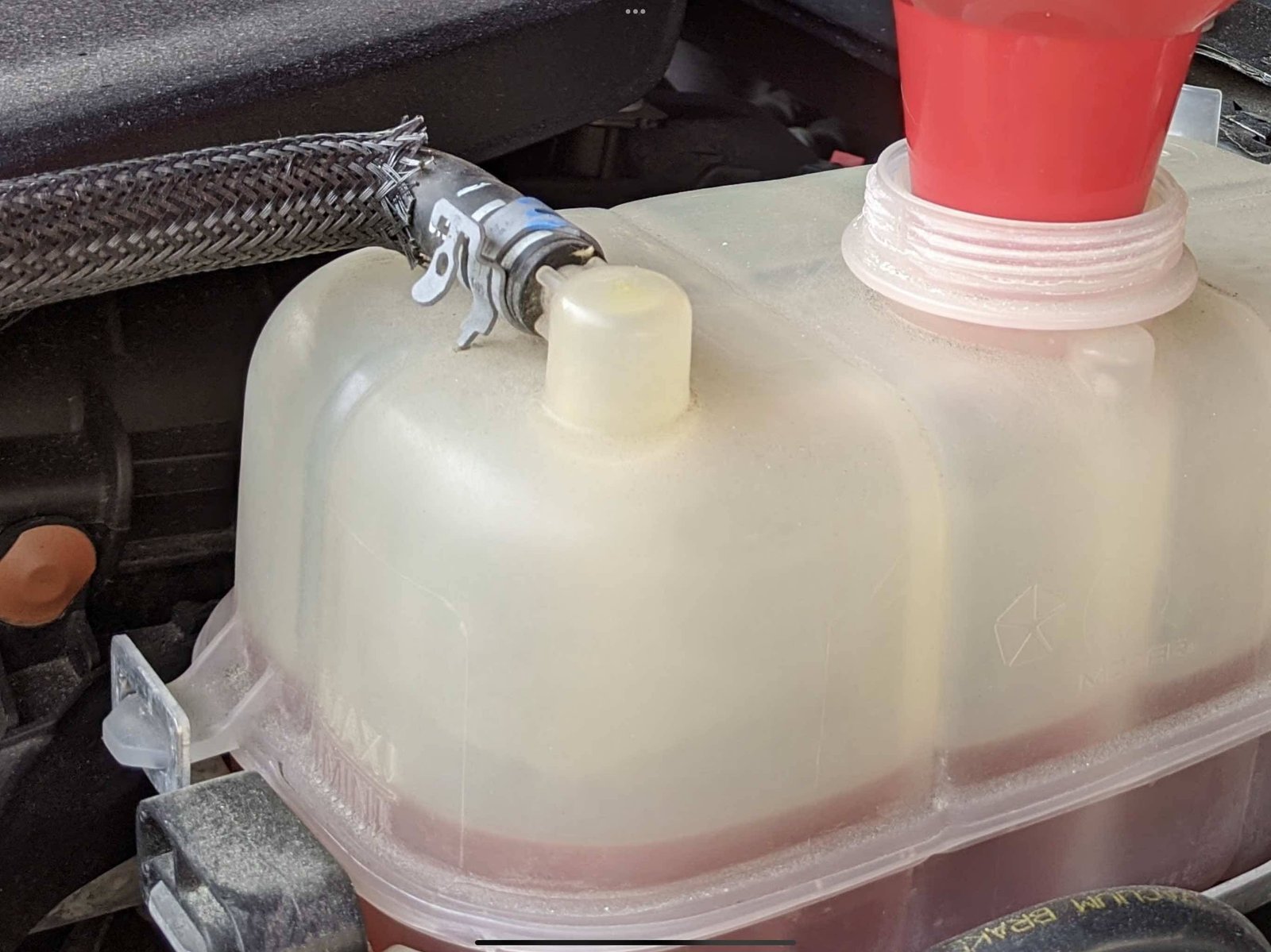
- Use clear funnels: Seeing bubbles helps you know when burping is finished.
If you want more in-depth info, check out this guide from MotorTrend.
Frequently Asked Questions
How Often Should I Burp My Jeep Wrangler’s Coolant System?
Only burp after replacing coolant, radiator, thermostat, or hoses. Regular maintenance doesn’t require burping unless you notice overheating.
Can I Drive With Air In The Coolant System?
No. Air pockets can cause overheating, poor heater function, and even engine damage. Always burp after repairs.
What’s The Best Coolant For A Jeep Wrangler?
Use the type specified in your Jeep’s manual. Most newer Wranglers use Mopar OAT coolant, which is purple.
Why Does My Heater Blow Cold After Coolant Changes?
This means air is trapped in the heater core. Running the heater during burping releases this air.
Is It Safe To Open The Radiator Cap When Burping?
Only open the radiator cap when the engine is cool. Opening it hot can cause burns and spray.
Burping your Jeep Wrangler’s coolant system takes patience but is not difficult. Doing it right protects your engine and makes every drive safer.
Always check levels again after the Jeep cools, and use the correct coolant. With these steps, your Jeep will stay cool and reliable.


















